
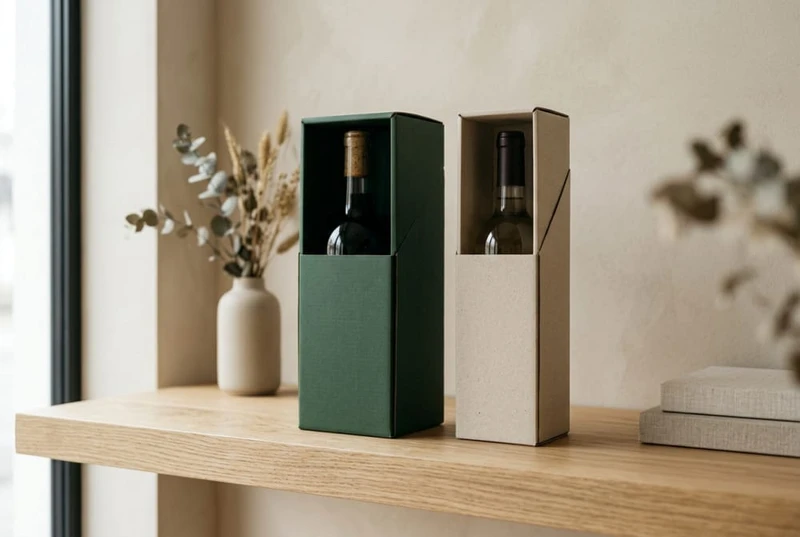
For beverage brands in the United Kingdom, packaging is no longer just a practical outer layer. It is a selling tool, a protection system, a logistics aid and, in many cases, the first sign that a product belongs in a higher-value market segment. Whether the product is a bottled soft drink, a functional wellness shot, a craft spirit, a premium cordial or a seasonal gift set, the right pack structure can reduce breakage, improve shelf impact and support cleaner fulfilment across retail and ecommerce channels.
Brands selling through London, Manchester, Birmingham, Bristol, Glasgow and Leeds face a familiar challenge: glass bottles must arrive safely, look polished under store lighting and still work within realistic packaging budgets. This is where carefully planned custom box solutions, fit-for-purpose inserts and smart finishing choices become commercially important. A good pack should perform from production line to pallet, from regional warehouse to shop floor, and from online dispatch hub to the customer’s doorstep.
In the UK market, the pressure is particularly strong for products moving through busy trade routes and fulfilment networks linked to Felixstowe, Southampton, Liverpool and the East Midlands logistics corridor. Retail-ready presentation matters, but so does carton strength, stacking ability, barcode placement, tamper awareness and the way the outer pack fits common carrier handling conditions. Beverage packaging for retail and gifting succeeds when these factors are designed together rather than treated as separate decisions.
Direct answer: why tailored beverage packaging matters in the UK
Custom packaging helps beverage brands in the United Kingdom protect fragile bottles, create stronger shelf appeal and build confidence among retailers, distributors and end customers. For premium drinks, wellness products and limited-edition releases, the pack often influences whether a buyer sees the product as everyday, giftable or worth a higher price point. Protective inserts lower transit risk, decorative gift boxes increase perceived value, stickers support agile seasonal launches and stronger outer cartons improve handling across mixed retail and online supply chains.
The commercial value is practical as well as visual. When a brand uses a bottle insert matched to glass weight and bottle neck height, breakage rates can fall. When the outer carton is designed for pallet stability and barcode scanning, warehouse handling becomes easier. When sticker programmes are planned for small runs, short-run flavour tests can launch without the cost of changing every printed box. For UK beverage businesses trying to scale sensibly, packaging is one of the fastest ways to improve both operations and presentation at the same time.
UK market context for beverage packaging and gifting
The United Kingdom has a mature but fast-moving beverage market where premiumisation continues across low- and no-alcohol drinks, craft spirits, kombucha, cold-pressed juices, botanical mixers, nutritional shots and artisanal syrups. Shoppers in urban centres such as London and Edinburgh increasingly buy based on story, provenance, gifting value and convenience, while regional grocery and farm shop buyers often focus on transport resilience, compact shelf display and ease of replenishment.
Seasonal demand patterns also affect packaging decisions. Christmas, Mother’s Day, Father’s Day, summer entertaining and corporate gifting cycles can create short windows in which packaging must perform as both a shipping pack and a premium presentation piece. In these periods, beverage brands often benefit from combining rigid-looking paper box formats with inserts, wraparound sleeves or gift packaging for beverages that signals occasion without forcing a complete redesign of the bottle itself.
UK retailers frequently review not only design but also practical concerns such as shelf footprint, display frontality, carton dimensions for backroom storage and the amount of manual labour needed to set packs upright. This means a beverage brand has to think beyond attractive artwork. It needs to ask whether the box opens cleanly, whether the bottle is visible when needed, whether the retail unit can sit neatly on a gondola shelf, and whether the outer shipper supports quick replenishment in stores with limited space.
Different packaging needs for bottled drinks, wellness products, and specialty beverages
Not all beverage categories need the same packaging structure. Bottled soft drinks and premium sodas often prioritise shelf visibility, case stacking and flavour differentiation, while wellness products such as immunity shots, functional tonics and collagen drinks usually require compact packs, stronger messaging hierarchy and smaller-format insert protection. Specialty beverages, including liqueurs, botanical infusions and tasting-led premium drinks, often need a more ceremonial opening experience to justify higher price points.
For bottled drinks sold in grocery or convenience retail, the goal is usually to protect standard bottle formats while keeping unit cost under control. Straight tuck boxes, crash-lock cartons, corrugated outers and shelf-ready trays can work well here. Where gifting is involved, deeper board grades, foil details, textured papers and form-fitted inserts can help a product shift visually from routine beverage to considered present. In the UK, this distinction matters in channels ranging from independent bottle shops in Brighton to premium food halls in London.
Wellness products often perform best with packaging that explains use case, ingredients and dosage quickly. Because many are bought online or as add-on products in health and beauty retailers, the pack should resist compression and allow easy differentiation between variants. Sticker overlays, neck labels and colour-coded closure systems are useful where brands launch short pilot runs or reformulate often.
Specialty beverages deserve special attention to bottle geometry. Taller necks, wider shoulders or decorative closures can create stress points if the insert is too loose or the carton depth is too shallow. In these cases, a custom fit is not cosmetic; it is a safety measure. Brands entering department stores, premium subscription boxes or hotel gifting programmes often gain more from well-engineered structure than from expensive decoration alone.
| Product type | Main packaging goal | Common format | Risk level | Recommended insert approach | Typical UK channel |
|---|---|---|---|---|---|
| Premium soda | Shelf visibility and flavour choice | Printed folding carton | Medium | Divider for multi-pack bottles | Grocery and delis |
| Wellness shot | Clear communication and compact storage | Small carton or bundled sleeve | Medium | Die-cut nest for mini bottles | Health retail and ecommerce |
| Craft spirit | Premium presentation and giftability | Rigid-style paper box | High | Full bottle cavity insert | Specialist retail and gifting |
| Kombucha | Transit protection and chilled display support | Corrugated shelf-ready pack | Medium | Partition insert | Organic stores and online |
| Botanical syrup | Premium identity with safer shipping | Carton with bottle collar support | High | Top-and-base neck hold | Hospitality and retail |
| Tasting set | Organisation and gifting impact | Presentation box with compartments | High | Individual cells for each bottle | Direct-to-consumer and events |
This comparison shows why one universal pack style rarely works across all beverage categories. A format that suits a standard retail soft drink may be inadequate for a premium tasting set or a fragile wellness bundle. The better route is category-led packaging planning based on bottle profile, route to market and target selling price.
Insert designs that keep glass bottles safe during retail distribution and shipping
Insert design is one of the most overlooked tools in beverage packaging. Yet for glass bottles, the insert often determines whether the product survives movement between filling site, bonded warehouse, regional distribution centre and final point of sale. In the United Kingdom, where products may travel from production hubs in Yorkshire or Kent to stores nationwide, repeated handling can expose weak packaging choices quickly.
There are several insert structures that work well. Die-cut card inserts are useful for presentation cartons and premium gift boxes. Corrugated partitions suit mixed distribution and larger runs where cost efficiency matters. Pulp-moulded components can support sustainability goals and cushion glass effectively, especially for ecommerce. Hybrid designs using a printed outer box with an inner protective fitment are often the best balance between visual presentation and transit security.
Neck stabilisation is important for tall bottles. Base locking is critical where the bottle carries a heavy punt or thick glass base. Sidewall buffering helps when cartons are packed tightly in outers and experience side pressure during stacking. For courier networks, drop resistance matters more than shelf presentation, so the insert should prevent bottle movement from every angle, not just keep the bottle centred when standing upright.
When designing inserts, beverage brands should test using realistic scenarios: pallet compression, short drops, vibration and repeated warehouse handling. Retail distribution to chains may involve cleaner pallet patterns and predictable replenishment, while online orders going through parcel networks may face more severe impacts. Inserts should be chosen according to route, not only according to appearance.
| Insert type | Best use | Protection level | Presentation level | Cost profile | Notes |
|---|---|---|---|---|---|
| Die-cut card insert | Gift boxes and retail presentation | Good | High | Medium | Clean look, easy branding |
| Corrugated divider | Transit packs and multi-bottle cases | Very good | Low | Low | Efficient for warehouse movement |
| Pulp moulded insert | Ecommerce and sustainable ranges | Very good | Medium | Medium | Strong environmental perception |
| EVA or foam fitment | Luxury gift presentation | Excellent | Very high | High | Used selectively for premium launches |
| Top-and-base support | Tall or heavy bottles | Excellent | High | Medium | Reduces neck movement |
| Cell compartment tray | Tasting sets | Very good | High | Medium | Keeps multiple bottles separate |
The table demonstrates that protection and premium feel do not always require the most expensive option. In many cases, a well-designed card or corrugated insert performs better than a decorative but loose internal fitment. The aim is to engineer movement out of the pack before considering embellishment.
Gift-ready box concepts for holiday releases, tasting sets, and promotional bundles
Gift-ready packaging is increasingly relevant across the UK beverage market, especially where brands want to increase average order value during peak periods. Holiday releases, tasting flights and promotional bundles all benefit from box formats that look deliberate, protect glass and create a sense of occasion at opening. The strongest concepts usually combine structural clarity with selective finishing rather than relying on excessive decoration.
For Christmas and winter gifting, book-style boxes, lift-off lid boxes and rigid-effect folding cartons can all work well, depending on budget and run size. For tasting sets, internal architecture matters more than external bulk. Each bottle or miniature should sit securely, with enough separation to avoid collision. A tasting card, recipe leaflet or pairing guide can add value without changing the core pack design significantly.
Promotional bundles often need more agility. A beverage brand may want to pair a bottle with glassware, mixers or seasonal accessories. In that case, internal compartments should be modular so the same outer box can support several campaign versions. This makes stock planning easier and reduces the need to hold many unique structures in inventory.
Gift packs also need to work within UK courier and retail environments. If a box is too delicate or oversized, fulfilment costs rise. If it is too plain, shoppers may not see it as a gifting product. The best result is often a giftable paper box that can still sit inside a protective shipping carton with minimal void space.
| Gift format | Ideal use | Pack style | Upsell potential | Operational complexity | Recommended season or campaign |
|---|---|---|---|---|---|
| Single-bottle presentation box | Premium launches | Rigid-look carton | High | Low | Christmas and corporate gifting |
| Two-bottle pairing pack | Mixer and spirit combinations | Compartment box | High | Medium | Holiday bundles |
| Tasting set | Sampling and discovery | Multi-cell presentation box | Very high | Medium | Promotions and launch periods |
| Bottle plus glassware | Gift-led retail | Windowless protective gift box | Very high | High | Father’s Day and events |
| Limited seasonal sleeve pack | Fast short-run updates | Sleeve over stock box | Medium | Low | Autumn and festive promotions |
| Mini bundle sampler | Entry-level trial pack | Compact mailer-gift hybrid | High | Medium | Online campaigns |
These formats show that gifting does not always mean a fully rigid luxury box. Beverage brands can create strong gifting value through structure, sequence of opening, insert fit and messaging, even in more economical paper-based formats.
Sticker strategies for limited editions, flavors, and short-run campaigns
Sticker planning gives beverage brands speed. In the UK market, where short-run campaigns, test flavours and seasonal variants often need to launch quickly, stickers can bridge the gap between standard packaging and campaign-specific messaging. This is especially useful when the core carton remains the same but a flavour, promotion or compliance detail changes.
Short-run sticker programmes work well for limited editions, bottle neck seals, flavour call-outs, event collaborations and channel-specific releases. A premium spirit box might carry a numbered limited-release seal, while a wellness drink could use colour-coded variant labels for turmeric, ginger or berry formulations. The key is not to treat stickers as an afterthought. They should be planned for surface compatibility, application accuracy, legibility and finish consistency.
For premium categories, textured or metallic sticker stocks can add distinction without forcing a fully reprinted box. For practical retail use, strong adhesive performance and scuff resistance are more important than decorative effect. Brands also need to think about whether stickers will be machine-applied or hand-applied; this decision influences shape, placement and production cost. Well-made custom stickers for packaging are particularly useful where campaign agility matters more than long-run standardisation.
Sticker use can also support traceability and retail communication. Batch coding, event exclusives, QR-led storytelling and promotional overlays can all be added through secondary label elements. This flexibility is valuable when selling through independent retailers, tasting events, farm shops or temporary holiday displays across the United Kingdom.
Outer carton planning for storage, handling, and cleaner shelf display
Outer cartons are often treated as purely functional, but they play a major role in cost, handling efficiency and retail presentation. In a UK supply chain, an outer carton may be lifted by warehouse staff, stacked on a pallet, transferred between depots and opened in a store with limited backroom space. If the outer is poorly planned, product damage, picking errors and untidy shelf replenishment can all follow.
The first question is whether the outer carton is only for transport or whether it should double as shelf-ready packaging. Shelf-ready outers can speed replenishment, reduce labour in store and improve front-facing presentation, particularly for bottled soft drinks and wellness shots. However, if the tear line is weak or the display edge looks rough, the shelf can end up looking less premium than a standard replenishment method.
Storage efficiency matters too. Outer carton dimensions should align with bottle count, pallet pattern and warehouse racking practices. Oversized outers waste board, reduce pallet efficiency and increase movement during transport. Undersized outers can put pressure on closures or labels. Clean barcode placement, directional arrows and clear flavour identification make a real difference in mixed warehouse settings.
For beverage brands aiming at cleaner shelf display, printed outers can support back-of-house identification while retail-facing cartons carry stronger branding. In some cases, a dual-purpose system works well: a plain robust shipping carton protects a premium inner retail pack. In other cases, especially for club stores or direct display formats, the outer itself must look tidy enough to stay on shelf.
| Outer carton priority | Why it matters | Risk if ignored | Best practice | Suitable channel | Value to brand |
|---|---|---|---|---|---|
| Board strength | Prevents crushing in storage | Breakage and leakage | Match flute and load weight | All channels | Reduces damage costs |
| Pallet efficiency | Improves freight use | Higher transport cost | Optimise carton footprint | Wholesale and retail | Better logistics economics |
| Clear labelling | Supports picking and replenishment | Handling errors | Use visible SKU coding | Warehousing | Faster operations |
| Shelf-ready opening | Speeds display setup | Untidy shelf presentation | Controlled tear design | Retail | Cleaner in-store look |
| Moisture tolerance | Protects chilled or damp environments | Softening and collapse | Choose appropriate board treatment | Food retail | Improved reliability |
| Count visibility | Supports stock management | Miscounts and replenishment delays | Mark quantity clearly | All channels | Less disruption |
The explanation is straightforward: the outer carton is not just a shipping necessity. It influences labour, breakage, transport efficiency and how neatly the product reaches the customer or shelf. Better outer planning often delivers savings faster than decorative upgrades.
How packaging priorities change between retail channels and online orders
Retail and ecommerce packaging should not be treated as identical. In physical retail, beverage packaging must catch attention, communicate flavour and quality quickly, fit display plans and withstand shelf replenishment. Online orders face different realities: parcel sorting, doorstep delivery, customer unboxing and a much lower tolerance for leaks or broken glass.
For supermarket and specialist retail, front-facing branding, shelf footprint and secondary display readiness matter most. Bottles may be sold individually, in shelf-ready trays or in gift packs during key seasons. The carton needs to look tidy from the front and carry enough information to reassure buyers in seconds. For online orders, impact resistance, void reduction and courier handling performance become primary. The shipping carton, insert and sealing method all matter more than in-store stand-out.
Many successful UK beverage brands therefore run a dual packaging strategy. The retail-facing unit remains attractive and compact, while the ecommerce dispatch format adds protective buffering or a stronger transit outer. This does not always mean two completely different packs. Sometimes it means one elegant retail box placed inside a tested shipper. Sometimes it means a retail multipack version and a separate direct-to-consumer tasting mailer.
The route to market should shape design decisions early. A drink sold through Selfridges, regional farm shops and direct website orders may require three packaging behaviours from the same core brand identity. Planning for these differences at concept stage usually saves money later.
This line chart illustrates steady growth in demand for premium beverage packaging in the United Kingdom, reflecting stronger gifting activity, more direct-to-consumer sales and broader premiumisation across drink categories.
The bar chart shows which beverage segments tend to demand the most custom packaging. Gift sets and craft spirits rank highest because they combine fragility, gifting potential and higher perceived value.
Cost issues that beverage brands often overlook in packaging development
Many beverage brands focus on unit price and miss the wider cost picture. The most common oversight is designing for appearance first and then discovering that transit damage, poor pallet efficiency or labour-heavy assembly adds more cost than expected. In the United Kingdom, where distribution can involve multiple handovers and regional carrier networks, these hidden costs can quickly erode margin.
One overlooked expense is inefficient dimensional planning. A box that looks premium but wastes cubic space can raise storage and freight costs. Another is excessive SKU complexity. If every flavour, gift campaign or retail customer requires a unique box, stock holding and order planning become expensive. This is where stickers, sleeves and modular inserts can save money by allowing controlled variation on a shared base structure.
Assembly labour is another frequent blind spot. A highly decorative gift box that takes too long to erect or hand-pack may work for a tiny run, but it can become uneconomical at scale. Likewise, using fragile decorative finishes on high-contact packs may lead to scuffing and rework. Returns and replacement costs are especially painful when glass damage is involved, because one failure can include refund, transport, customer service time and reputational harm.
Brands should also account for compliance and retailer demands. Barcode readability, country-specific information, handling marks and tamper expectations may require changes after artwork is nearly complete. Early planning reduces these interruptions. Strong packaging development is not about spending more; it is about spending in the right places first.
| Hidden cost area | Typical cause | Business impact | Prevention method | Who is affected most | Priority level |
|---|---|---|---|---|---|
| Transit breakage | Weak insert or poor fit | Refunds and damage claims | Transit testing and insert design | Ecommerce brands | Very high |
| Freight inefficiency | Oversized carton dimensions | Higher shipping cost | Dimensional optimisation | National distributors | High |
| Assembly labour | Complex gift pack structure | Slow packing lines | Simplify pack erection | Promotional campaigns | High |
| Inventory sprawl | Too many unique box variants | Dead stock risk | Use shared cores with stickers | Growing brands | Medium |
| Retail non-compliance | Late-stage artwork changes | Delays or rejected stock | Plan retailer requirements early | Retail suppliers | High |
| Scuffing and rework | Unsuitable finish choice | Wastage and repacking | Choose durable coatings | Premium presentation packs | Medium |
The explanation here is that packaging cost should be viewed as a system cost rather than a print cost alone. Brands that budget only by board and ink often miss the larger financial effect of handling, breakage, labour and stock complexity.
How custom packaging helps beverage products move into higher-value market segments
Moving into a higher-value segment is not only about raising the bottle price. It requires the whole product experience to justify that move. Custom packaging can support this transition by improving tactile quality, presentation logic, gifting suitability and buyer confidence. In premium food halls, boutique drinks shops, hospitality gifting and subscription programmes, packaging often signals whether the product belongs in the premium conversation before the bottle is ever opened.
There are several ways this happens. First, a well-fitted box implies care and precision. Second, premium board choices and finishes can make a beverage feel more suitable for gifting or special occasions. Third, a structured unboxing sequence can create ceremony around tasting, pairing or discovery. Fourth, packaging can help organise bundles and tasting collections in ways that make the product easier to understand and easier to buy.
In the UK, this matters for local producers trying to move from farm shop or regional distribution into department stores, high-end hampers, hotel minibars or corporate gifting channels. Good packaging does not need to look extravagant. It needs to make the product look intentional, trustworthy and commercially ready. Even modest upgrades, such as stronger bottle support, a more refined opening style or a better variant system, can make buyers more comfortable placing a premium product.
The area chart highlights the growing share of premium custom packaging across the beverage sector. The rise is tied to gifting, channel diversification and stronger consumer expectations around presentation and protection.
This comparison chart shows that the highest value often comes from systems that balance presentation with logistics, rather than from either plain stock packaging or highly decorative packaging alone.
Buying advice for UK beverage brands
When sourcing beverage packaging in the United Kingdom, start with the bottle and route to market rather than with graphics. Measure bottle height, shoulder shape, base diameter, closure dimensions and filled weight. Then define where the product will go: supermarket shelves, independent retail, direct-to-consumer shipping, gifting campaigns or export. This sequence prevents expensive redesigns later.
Ask suppliers about prototyping, transit testing, minimum order quantities, lead times and how they manage short-run variation. If your product has multiple flavours, consider a shared structural base supported by changeable sleeves or stickers. If your brand is entering gifting, test whether a folding gift box can achieve the look you want before moving straight to a rigid format. If you sell online, insist on pack testing that reflects parcel handling rather than only neat pallet movement.
Buyers should also evaluate total service quality. Can the supplier help align gift boxes, paper boxes, labels and outer cartons into one system? Can they manage small-batch customisation without disrupting quality? Can they scale for seasonal demand? These questions are especially important for growing beverage brands that need flexibility as much as consistency.
Industries and applications that benefit most
Several industries in the UK benefit strongly from tailored beverage packaging. Craft distilleries use it to support premium shelf presence and gifting. Wellness brands rely on it to protect small glass formats and communicate health-led claims clearly. Soft drink innovators use it to separate flavours and improve retail display. Hospitality suppliers need presentation packs for minibar, event and corporate use. Subscription services depend on organised multi-item packaging that survives courier networks.
Applications include festive launches, limited-edition collaborations, tasting kits, influencer mailers, hotel gifting, event sampling, trade promotions and premium retail shelf sets. In each application, the packaging has a slightly different job. Sometimes it must sell instantly on shelf. Sometimes it must survive a courier journey. Sometimes it must create a gift moment. The most successful packaging systems recognise these differences and design accordingly.
Case studies and practical scenarios
A small-batch botanical mixer brand in Bristol might begin with a standard printed carton for local retail, then add a festive sleeve and bottle divider for a Christmas twin-pack. This allows the business to increase value during peak season without carrying a completely separate year-round structure. A wellness drink company in Manchester might use a compact mailer with die-cut cavities for six shots, making online dispatch safer while keeping the presentation tidy for subscription customers.
A premium cordial producer in Kent targeting farm shops and London department store gifting could use a presentation box with top-and-base bottle support, paired with a plain but strong transit outer. This gives the end buyer a refined unboxing experience while protecting margin during distribution. A craft spirit label in Scotland might use numbered stickers for a cask-finish limited edition, avoiding the delay and cost of fully replacing the printed carton for a short run.
These scenarios reflect a common pattern: successful packaging decisions combine structure, flexibility and channel awareness. The gains are rarely only visual. They show up in reduced breakage, cleaner merchandising, easier seasonal launches and stronger average selling price.
Local suppliers and UK fulfilment considerations
For beverage brands operating in the United Kingdom, local supply capability matters. Packaging that can be prototyped, adjusted and produced with reliable lead times is particularly valuable when products move quickly or launch seasonally. Businesses serving London retail, Midlands fulfilment centres, northern distributors and Scottish specialty accounts often benefit from suppliers that understand mixed-channel logistics and can support both low and larger production runs.
Regional freight hubs also affect packaging design. Goods moving through Felixstowe and Southampton may face container and pallet considerations, while brands serving ecommerce-heavy flows through the Midlands may focus more on parcel protection and dispatch efficiency. Suppliers with experience in gift boxes, paper boxes, stickers and broader packaging systems can often help rationalise the pack architecture so that one brand identity works across several routes to market.
Our company
We support beverage brands in the United Kingdom with packaging built around protection, presentation and production practicality. On the technology side, our workshop uses advanced machinery that allows precise cutting, consistent printing and dependable finishing, which is particularly important for bottle-fit inserts, campaign stickers and cartons that need to perform cleanly in retail environments. That technical control helps us deliver packaging details that are not only attractive but repeatable across runs.
On the manufacturing side, we handle both small-batch custom work and larger-volume production, making it easier for beverage brands to move from pilot launch to broader rollout without changing packaging direction entirely. This is useful for limited seasonal gifting, flavour extensions, tasting sets and scaling beverage lines that need reliable paper boxes, gift boxes, labels and transit-ready packaging formats.
On the service side, we focus on responsive project support from material selection through final inspection. That means helping clients align the structure, print finish and practical supply needs of each project, whether the priority is a premium release, a retail-ready bottle carton or a fast short-run campaign. For UK beverage businesses, flexibility and careful quality control often matter as much as the design itself.
2026 trends for beverage packaging in the United Kingdom
Looking ahead to 2026, three themes are likely to shape beverage packaging decisions in the United Kingdom: smarter structural design, tighter sustainability expectations and policy-led packaging accountability. More brands will seek packs that reduce material weight without compromising bottle safety. This is likely to drive greater use of engineered paper-based inserts, hybrid corrugated-retail formats and more compact dimensional planning.
On the policy side, businesses should expect increasing pressure to document recyclability, reduce unnecessary material use and align with broader packaging waste and producer responsibility rules. That does not mean every premium beverage pack must become plain. It means every added component should justify its purpose, whether in protection, reuse potential, merchandising value or material recovery. Finishes and substrates that hinder recycling may face closer scrutiny.
From a technology perspective, digital workflows and variable data use will make short-run campaigns easier. More brands are likely to combine core printed packaging with agile sticker or sleeve programmes, allowing targeted launches by channel, city or event. QR-linked storytelling, traceability and campaign-specific personalisation are also expected to grow, especially in gifting and limited-edition categories. In short, 2026 packaging will need to be lighter, smarter, more accountable and more adaptable.
FAQ
What is the best box style for glass beverage bottles?
It depends on channel and bottle type. For gifting, a presentation carton with a fitted insert often works best. For ecommerce, a tested protective shipper or hybrid retail-and-shipper system is usually safer.
Can stickers reduce packaging costs for seasonal launches?
Yes. Stickers are often a practical way to manage short-run promotions, flavour trials and limited editions without committing to a completely new printed box for every campaign.
Are gift boxes only suitable for luxury spirits?
No. Premium soft drinks, wellness bundles, cordials and tasting sets can all benefit from gift-ready structures when the target market includes seasonal purchases, subscriptions or corporate gifting.
Why are outer cartons so important?
They affect stacking, storage, freight use, warehouse handling and the condition of the product when it reaches retail or the end customer. A weak or inefficient outer can increase costs across the whole supply chain.
How can packaging support a move into premium retail?
By improving presentation, bottle protection, shelf confidence and giftability. A better pack helps buyers and customers see the product as more refined, reliable and worth a higher selling price.
