
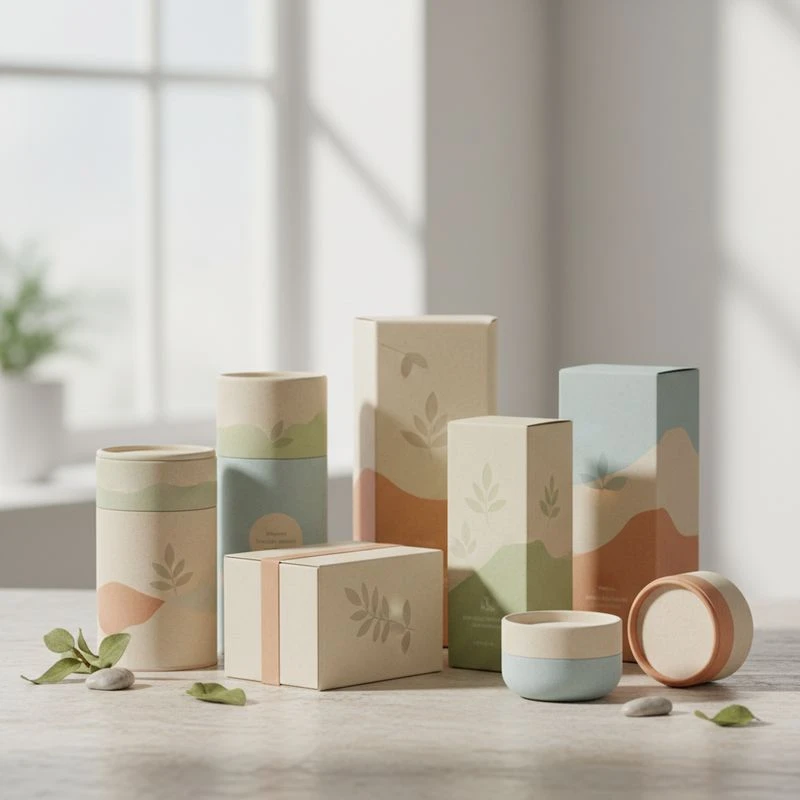
Eco Packaging
The imperative for health and wellness brands in the United Kingdom to adopt eco-friendly packaging solutions has never been more pressing or strategically beneficial. UK consumers are increasingly discerning, with a significant majority expressing a willingness to pay more for sustainable products and packaging. This shift isn’t just a trend; it’s a fundamental change in consumer values, driven by growing environmental awareness and a desire for brands to align with their ethical principles. For health and wellness products, where the core promise is often about holistic well-being and natural goodness, packaging that contradicts these values can severely undermine brand integrity and market positioning.
Embracing eco-packaging is therefore no longer an option but a critical component of brand reputation and market share growth. Brands that proactively transition to sustainable materials demonstrate a genuine commitment to environmental stewardship, directly resonating with their target audience. This commitment fosters trust and loyalty, distinguishing them in a crowded marketplace. The reasoning behind this move is multifaceted: it meets evolving consumer demands, anticipates stricter regulatory pressures that are likely to emerge, and, crucially, reinforces the authentic message of health and wellness that the products themselves embody. Think of it as extending the ‘clean label’ concept from ingredients to the entire product experience.
To embark on this journey, actionable steps involve a thorough research phase into available material options, from plant-based plastics (like PLA or PHA) to innovative mycelium-based solutions, recycled content plastics (rPET, rHDPE), and various forms of paperboard. Collaboration with eco-conscious packaging suppliers is paramount, as they can offer expertise on material properties, certifications, and supply chain efficiencies. Practical examples include supplements packaged in amber glass alternatives made from recycled content, natural skincare in tubes derived from sugarcane, or organic food products in fully compostable pouches. A potential pitfall lies in ‘greenwashing’ – making unsubstantiated environmental claims. The solution is transparency: clearly communicate the materials used, their end-of-life instructions, and any certifications. While initial costs might seem higher, the long-term return on investment in terms of brand equity, customer loyalty, and potential avoidance of future carbon taxes makes it a financially sound decision.
| Material Type | Key Characteristics | Typical Applications for Biodegradable Packaging | Pros (Benefits) | Cons (Challenges) |
|---|---|---|---|---|
| PLA (Polylactic Acid) | Bio-based, clear or opaque, derived from corn starch or sugarcane. | Film wraps, bottles, rigid containers for supplements, snacks. | Compostable (industrial), good clarity, versatile. | Requires industrial composting, not home compostable, sensitive to high heat. |
| PHA (Polyhydroxyalkanoates) | Biodegradable in various environments (soil, marine, industrial compost). | Bottles, flexible films, coatings for paperboard, cosmetic jars. | Broad biodegradability, excellent barrier properties, versatile. | Higher cost, less widely available than PLA. |
| Mushroom/Mycelium Packaging | Grown from agricultural waste and mushroom roots, customisable. | Protective inserts, rigid boxes for fragile health products. | Home compostable, lightweight, excellent protective qualities, renewable. | Limited form factors, not transparent, can be porous. |
| Paperboard & Cardboard (Recycled/FSC) | Derived from wood pulp, easily recyclable and often compostable. | Folding cartons, sleeves for supplements, tea boxes, soap packaging. | Widely recyclable and compostable (if not coated), renewable, cost-effective. | Poor moisture barrier unless coated, less durable for liquids. |
This table provides a snapshot of popular eco-friendly biodegradable packaging options, highlighting their suitability for the unique requirements of health and wellness brands in the UK. Each material presents distinct advantages and disadvantages, requiring careful consideration of the product’s needs, desired shelf life, and the brand’s overall sustainability goals. The choice of material for biodegradable packaging directly impacts consumer perception and the product’s environmental footprint.
Compostable
Delving deeper into sustainable packaging, the term “compostable” often stands out as a superior end-of-life solution compared to general “biodegradable” claims, particularly for health and wellness brands targeting the UK market. While all compostable materials are biodegradable, not all biodegradable materials are compostable within a reasonable timeframe or without leaving toxic residues. For consumers, especially those invested in the wellness space, understanding this distinction is crucial, and brands have a responsibility to educate. Compostable packaging is designed to break down into nutrient-rich organic matter under specific conditions, leaving no harmful traces behind. This offers a clear, tangible benefit: packaging that can return to the earth, completing a natural cycle.
The primary takeaway here is that compostable packaging provides a definitive end-of-life pathway, but it necessitates a clear understanding of its types – industrial versus home compostable – and the existing infrastructure in the UK. Industrial composting, certified by standards like EN 13432, requires specific temperatures, moisture levels, and microbial activity found in commercial composting facilities. Home compostable packaging, on the other hand, can break down in a typical garden compost heap. The reasoning behind this differentiation is practical: mislabeling or misunderstanding can lead to incorrect disposal, where compostable items end up in landfill or recycling streams, causing contamination and negating their environmental benefit. For a health product, where the consumer is often seeking natural cycles and responsible consumption, this clarity is invaluable.
Actionable steps for health and wellness brands include rigorously ensuring that any packaging claimed to be compostable holds the necessary certifications (e.g., the ‘Seedling Logo’ for industrial compostability or specific ‘OK Compost HOME’ marks). Secondly, educate your consumers with crystal-clear disposal instructions directly on the packaging, perhaps using a QR code that links to a detailed guide. Partnering with waste management companies or local authorities can also help in understanding the regional composting infrastructure and advising consumers accordingly. Examples include flexible pouches for health supplements made from certified home compostable films, or small jars for organic skincare products from industrially compostable bio-plastics. A significant potential pitfall is consumer confusion: many assume all ‘biodegradable’ means ‘compostable’ or that all compostable packaging can go into their garden compost. The solution is explicit labelling, visual cues, and accessible information, perhaps even partnering with UK composting initiatives to further consumer awareness and support the correct disposal of your biodegradable packaging.
Health Products
The convergence of health products and biodegradable packaging presents a potent opportunity for health and wellness brands in the UK to amplify their core message of holistic well-being. For a consumer investing in organic foods, natural supplements, or eco-friendly cosmetics, the expectation of product integrity extends beyond the ingredients to the entire lifecycle of the item, including its packaging. Biodegradable packaging, in this context, becomes an integral part of the brand’s commitment to purity, sustainability, and respect for both the individual’s body and the planet. It’s no longer enough for a supplement to contain clean ingredients; its container must also embody that same ethos, ensuring no harmful chemicals leach into the product and that its disposal leaves no lasting environmental burden.
The crucial takeaway here is that adopting biodegradable packaging for health products significantly enhances the holistic wellness message, creating a seamless narrative from sourcing to disposal. The reasoning is clear: consumers who prioritise their health often extend that mindfulness to their environmental impact. Packaging that is reusable, recyclable, or compostable reinforces the idea that the brand is thoughtful, responsible, and aligned with values of natural living and sustainability. This alignment builds deeper trust and loyalty among a demographic that is actively seeking ethical consumption choices. For instance, a brand selling vegan protein powder in a non-recyclable plastic tub is fundamentally contradicting its own wellness narrative, whereas a compostable pouch reinforces it.
Practical steps for health and wellness brands involve a meticulous selection process for packaging materials. This includes assessing material suitability for product protection, such as ensuring adequate oxygen and moisture barriers for sensitive supplements, and verifying that the packaging itself is non-toxic and free from harmful chemicals like phthalates or BPA. Rigorous testing is essential to confirm shelf-life compatibility and product stability. For example, instead of traditional plastic pots, consider using bioplastic jars made from PHA for creams or lotions, or innovative plant-based films for single-serve supplement sachets. Another example is moving away from conventional plastic blister packs for vitamins towards sustainable paperboard alternatives with biopolymer coatings. Potential pitfalls include concerns about material compatibility with sensitive health products, ensuring product safety and maintaining required shelf life. Solutions often involve collaborating with specialised packaging engineers to develop multi-layer sustainable solutions that offer both protection and biodegradability, alongside thorough stability testing to guarantee product efficacy and safety throughout its lifecycle, ensuring the biodegradable packaging meets all regulatory standards for health products in the UK.
| Health Product Category | Ideal Biodegradable Packaging Formats | Key Considerations for Biodegradable Packaging | Primary Keyword Link |
|---|---|---|---|
| Supplements (Powders, Capsules) | Compostable stand-up pouches, PHA/PLA jars, glass with eco-lids, paperboard tubes. | Moisture/oxygen barrier, UV protection, tamper-evident seals, non-reactive materials. | Ensuring integrity of biodegradable packaging for health and wellness brands. |
| Natural Skincare & Cosmetics | Sugarcane-derived tubes, PHA/PLA bottles & jars, wooden components, paperboard boxes. | Chemical compatibility (no leaching), aesthetic appeal, pump/dispenser compatibility, shelf-life. | Enhancing appeal of biodegradable packaging for health & wellness cosmetics. |
| Organic Food & Drink (e.g., Teas, Snacks) | Compostable films & sachets, recycled paperboard cartons, moulded pulp trays, bio-based bottles. | Food-grade certification, moisture/grease resistance, breathability, extended freshness. | Sustainable biodegradable packaging for health and wellness food products. |
| Herbal Remedies & Tinctures | Amber glass (recycled content) with eco-stoppers, moulded fibre inserts, paperboard outer packaging. | Light protection, secure closure, precise dispensing, child-resistant options where needed. | Protective biodegradable packaging for health and wellness herbal brands. |
This table illustrates how different health product categories necessitate specific considerations when implementing biodegradable packaging. The suitability of various biodegradable materials depends heavily on the product’s physical state, sensitivity to external factors, and regulatory requirements, especially for UK health and wellness brands. Carefully matching the packaging format to the product ensures both environmental responsibility and product integrity.
B2B Design
For health and wellness brands navigating the UK market, the shift to biodegradable packaging extends far beyond the consumer-facing primary packaging; it encompasses the entire B2B design strategy, from manufacturing and logistics to retail display. Thoughtful B2B design in biodegradable packaging isn’t merely about ticking an environmental box; it’s about boosting operational efficiency, strengthening supply chain resilience, maintaining brand consistency across all touchpoints, and meeting the evolving sustainability mandates of major UK retailers. A well-executed B2B packaging strategy can streamline operations, reduce waste throughout the supply chain, and ultimately reduce costs in the long run, whilst simultaneously communicating a strong commitment to environmental values to business partners and end-consumers alike.
The core takeaway is that a holistic approach to B2B design for biodegradable packaging is critical for operational efficiency and market appeal. Brands must consider how their sustainable choices impact everything from palletisation and shipping to shelf presence in a busy retail environment. The reasoning behind this is multifaceted: retailers in the UK, often under pressure from consumer demand and government targets, are increasingly scrutinising the sustainability credentials of their suppliers. Brands that can present an integrated, eco-conscious packaging solution across their entire product range, including secondary and tertiary packaging, gain a significant competitive edge. This demonstrates foresight, responsibility, and an understanding of the broader commercial ecosystem, fostering stronger, more collaborative relationships with trade partners.
Actionable steps for health and wellness brands involve collaborating closely with packaging designers who possess expertise in sustainable materials and logistics. This means not only specifying biodegradable materials for primary packaging but also for secondary (e.g., multi-packs, display boxes) and tertiary (e.g., shipping cartons, protective inserts) packaging. Consider designing for disassembly, where components can be easily separated for recycling or composting, and optimising material usage to reduce weight and volume, thus lowering shipping emissions and costs. For example, using moulded pulp inserts instead of plastic foam for fragile health supplements, or replacing shrink-wrap with paper-based banding for multi-packs of natural skincare products. A potential pitfall is over-packaging in an attempt to be “safe,” leading to unnecessary material use and increased costs. A smart solution is to perform thorough transit testing to ensure product safety with minimal, yet effective, biodegradable protective packaging. Furthermore, exploring local sourcing of packaging materials and manufacturing can significantly reduce the carbon footprint associated with transport, reinforcing the overall sustainability message of the health and wellness brand.
Sustainability
For health and wellness brands operating in the UK, the adoption of biodegradable packaging is a vital, yet single, component within a much broader and more intricate sustainability strategy. True sustainability extends far beyond the material choice of a product’s container; it encompasses the entire lifecycle assessment (LCA) of a product, from raw material extraction and manufacturing processes to distribution, consumer use, and end-of-life disposal. Integrating biodegradable packaging seamlessly into a comprehensive sustainability framework allows brands to tell a compelling and authentic story that resonates deeply with conscious UK consumers. This holistic view enables brands to move beyond mere compliance or ‘green-PR’ towards genuine environmental leadership, solidifying their commitment to a circular economy and responsible business practices.
The fundamental takeaway is that biodegradable packaging serves as a key pillar within a more expansive and deeply integrated sustainability strategy. It signals a brand’s commitment to reducing its environmental footprint, but its impact is maximised when coupled with other eco-conscious initiatives. The reasoning is clear: a truly sustainable brand considers not only the biodegradability of its packaging but also the energy consumed in its production, the water used, the ethical sourcing of ingredients, fair labour practices, and its overall carbon footprint. For health and wellness products, where authenticity and purity are paramount, a superficial approach to sustainability can quickly be exposed, leading to accusations of greenwashing. Brands must demonstrate a deep, verifiable commitment to environmental stewardship at every stage of their operation.
Actionable steps for health and wellness brands include conducting a thorough lifecycle assessment (LCA) for all products and their packaging to identify environmental hotspots and areas for improvement. This might reveal that the most impactful change isn’t just the packaging material but also optimising production energy or localising supply chains. Set clear, measurable sustainability goals – for example, reducing water usage by a certain percentage, achieving carbon neutrality, or ensuring 100% of product ingredients are ethically sourced. Communicate these efforts transparently through sustainability reports, annual impact assessments, and clear on-pack messaging, perhaps incorporating third-party certifications like B Corp status or specific climate-neutral labels. Practical examples include a supplement brand investing in solar power for its manufacturing facility while simultaneously transitioning to fully home-compostable packaging, or a natural skincare brand implementing a refill scheme alongside its biodegradable product jars. A major potential pitfall is focusing solely on the packaging without addressing other critical environmental aspects, which can undermine the brand’s overall credibility. The solution lies in adopting a holistic approach, continuously monitoring progress, and engaging in open dialogue with consumers about the ongoing journey toward greater sustainability, ensuring that the use of biodegradable packaging is part of a larger, verifiable commitment.
| Sustainability Metric | Description | Relevance for Biodegradable Packaging & Health Brands | Measurement Examples |
|---|---|---|---|
| Life Cycle Assessment (LCA) | Holistic analysis of environmental impacts from raw material extraction to disposal. | Identifies true environmental hotspots, prevents burden shifting, informs material choice for biodegradable packaging. | Carbon footprint (kg CO2e), water usage (litres), energy consumption (MJ) per unit of biodegradable packaging. |
| Circular Economy Principles | Designing out waste and pollution, keeping products and materials in use, regenerating natural systems. | Encourages design for recyclability/compostability, refill systems, use of renewable resources in biodegradable packaging. | Percentage of renewable content, proportion of packaging designed for closed-loop systems, waste reduction targets. |
| Certifications & Standards | Third-party verification of environmental claims (e.g., compostability, forest management). | Builds trust, ensures genuine biodegradability, validates claims for UK consumers and retailers. | EN 13432 (industrial compostable), OK Compost HOME, FSC (Forest Stewardship Council), B Corp. |
| Supply Chain Transparency | Openness about material sourcing, manufacturing processes, and logistics. | Ensures ethical sourcing, reduced carbon footprint, and responsible production of biodegradable packaging materials. | Traceability of raw materials, ethical labour audits, CO2 emissions from transportation of biodegradable packaging. |
This table outlines essential sustainability metrics that health and wellness brands in the UK should consider when evaluating and implementing biodegradable packaging solutions. Moving beyond just “biodegradable” to a comprehensive understanding of these metrics ensures that packaging choices contribute genuinely to environmental stewardship. These measurements provide a framework for demonstrating a verifiable commitment to sustainability, an imperative for any health and wellness brand using biodegradable packaging.
