
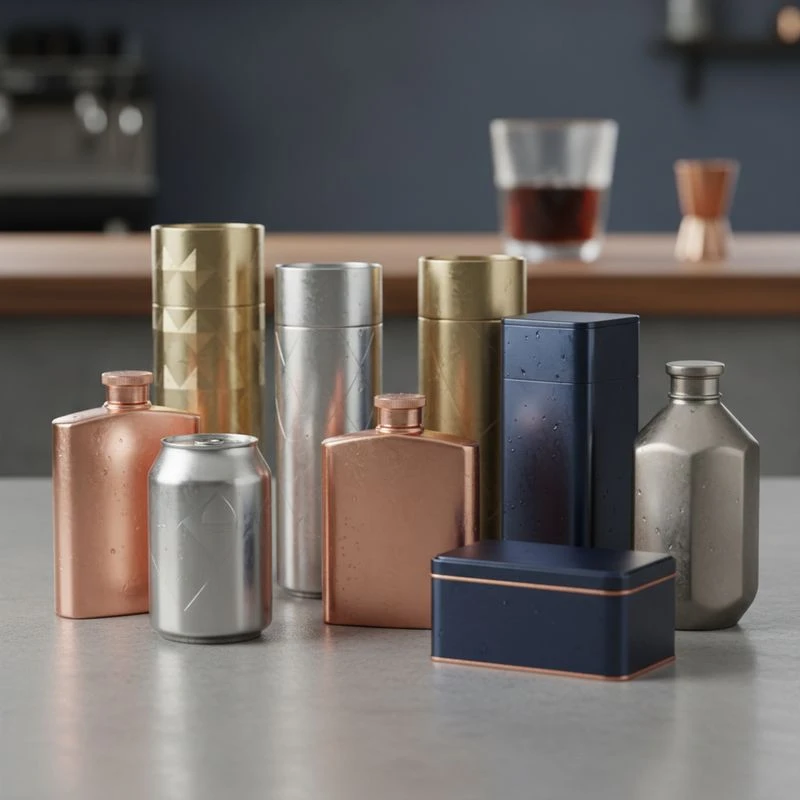
In the dynamic and competitive United Kingdom beverage market, differentiation is paramount for premium brands. Standing out on the shelf, captivating discerning consumers, and conveying an unwavering commitment to quality goes beyond the liquid inside. This is where Custom Metal Packaging emerges as an indispensable strategic asset. Far more than just a container, bespoke metal packaging serves as a powerful storyteller, a protective fortress, and a tangible promise of luxury and distinction. For brands vying for market leadership in segments like craft spirits, high-end sparkling waters, artisanal beers, or ready-to-drink (RTD) cocktails, investing in custom metal solutions offers an unparalleled opportunity to elevate brand perception and command attention. It’s about creating an experience even before the first sip, transforming a simple purchase into a moment of sophisticated indulgence.
The UK consumer base is increasingly sophisticated, not only demanding exceptional product quality but also valuing aesthetics, sustainability, and brand authenticity. Generic packaging simply falls short for premium offerings. Custom Metal Packaging allows brands to meticulously craft every detail, from the material’s tactile feel to the intricate graphics and innovative structural designs, ensuring that the packaging perfectly mirrors the exclusivity and superior quality of the beverage it encases. This bespoke approach fosters a deeper connection with consumers, communicating a brand’s dedication to excellence at every touchpoint. By understanding the multifaceted benefits and strategic applications of custom metal packaging, premium beverage brands in the UK can unlock new levels of market success, build stronger brand identities, and cultivate lasting customer loyalty.
Metal Packaging
Embracing metal packaging for premium beverages in the UK market is a definitive statement of quality and durability, offering a distinct competitive edge. Unlike other materials, metal inherently conveys a sense of robustness and premiumness, immediately elevating a product’s perceived value on the shelf. This isn’t merely about aesthetics; it’s about the superior protective qualities that metal, particularly aluminum and steel, bring to the table. These materials create an impenetrable barrier against light, oxygen, and moisture, which are critical factors in preserving the delicate flavors, aromas, and nutritional integrity of premium beverages. For craft beers with complex hop profiles, fine wines, or artisanal spirits where every nuance matters, this preservation capability is invaluable, ensuring the consumer experiences the product exactly as the master brewer or distiller intended.
The choice between aluminum and steel offers brands flexibility based on specific needs and brand positioning. Aluminum, lightweight and infinitely recyclable, is a popular choice for its malleability, allowing for innovative shaping and a clean, modern aesthetic often favoured by sparkling beverages and RTD cocktails. Steel, known for its strength and magnetic properties (a plus for recycling infrastructure), provides exceptional rigidity, making it suitable for larger format containers or products requiring maximum impact resistance. For brands navigating the UK market, understanding these material characteristics is the first step in leveraging custom metal packaging effectively. The tactile feel of a cold, smooth metal can or a solid, weighty bottle adds to the sensory experience, reinforcing the premium nature of the drink within and distinguishing it from products in less substantial packaging. This tangible interaction contributes significantly to a positive brand perception and repeat purchases.
To effectively harness the power of metal packaging, brands should initiate a step-by-step process that prioritises both form and function. Firstly, conduct thorough market research to identify target consumer preferences and competitor packaging strategies. Secondly, collaborate with experienced packaging designers and manufacturers who understand the nuances of metal as a medium, including printing limitations and opportunities for bespoke structural elements. Thirdly, consider the entire product lifecycle, from production line compatibility to retail display and consumer handling, ensuring the chosen metal packaging solution is practical and efficient. A potential pitfall lies in underestimating the lead times for custom tooling and production, which can be longer than for standard packaging. To mitigate this, brands should plan well in advance, establishing clear timelines and maintaining open communication with their manufacturing partners. Another challenge can be the initial investment cost, but this should be viewed as a strategic expenditure that yields significant returns through enhanced brand perception and market share in the premium segment. By focusing on quality, protection, and a unique aesthetic, custom metal packaging becomes a cornerstone of a premium beverage brand’s identity.
| Feature | Aluminum | Steel |
|---|---|---|
| Weight | Lightweight | Heavier |
| Malleability / Formability | Very high, allows for complex shapes | High, but less flexible than aluminum for extreme shapes |
| Corrosion Resistance | Excellent (naturally forms a protective oxide layer) | Good (often requires internal lacquer or coating) |
| Recyclability | 100% infinitely recyclable, high scrap value | 100% infinitely recyclable, magnetic for easy separation |
| Cost (per unit) | Generally higher raw material cost | Generally lower raw material cost |
| Common Applications | Cans for beer, soft drinks, RTDs, sparkling wines | Food cans, larger format beverage containers, some specialty drinks |
This table highlights key differences between aluminum and steel, enabling informed decisions for custom metal packaging. Aluminum’s lightness and superior formability make it ideal for innovative can designs, while steel’s robustness is advantageous for larger or more traditional containers. Both offer excellent recyclability, aligning with the sustainability demands of the modern UK consumer market.
Luxury Cans
Transforming a simple beverage can into a luxury item is a testament to the power of customisation and advanced finishing techniques, offering premium brands in the UK a unique avenue for market differentiation. Luxury cans transcend their primary function as containers; they become collectible objects, statements of style, and tangible extensions of a brand’s prestige. This elevation is achieved through a meticulous combination of innovative design, high-quality printing, and tactile finishes that engage multiple senses. For consumers who are accustomed to generic aluminium cans, encountering a luxury can – perhaps one with an embossed logo, a silky matte finish, or a unique, ergonomic shape – creates an immediate perception of added value and exclusivity, justifying a higher price point and fostering a stronger emotional connection with the brand.
The journey to creating a luxury can begins with a deep understanding of the target audience’s aesthetic preferences and the brand’s core identity. For example, a premium gin RTD might opt for a sleek, slimline can with a metallic sheen and minimalist typography, conveying sophistication and modernity. Conversely, a high-end craft stout could benefit from a wider can, possibly with a textured, matte black finish and intricate, debossed artwork that evokes a sense of heritage and artisanal craftsmanship. Beyond the visual, tactile elements are crucial: a soft-touch varnish invites lingering touch, while embossing or debossing adds a sculptural dimension that stands out from flat surfaces. Spot UV printing can highlight specific design elements with a contrasting gloss, creating an eye-catching interplay of light and shadow. These details, though subtle, collectively contribute to an unparalleled unboxing and consumption experience, making the act of opening and drinking from the can feel like a special occasion.
To successfully implement luxury can packaging, brands should follow a structured approach. Firstly, define the specific luxury aesthetic and sensory experience you wish to create, drawing inspiration from high-end fashion, jewellery, or automotive industries. Secondly, collaborate closely with specialist can manufacturers and printing experts who possess the technology and expertise to execute complex finishes and structural innovations. Explore options such as two-piece or three-piece can construction to accommodate unique shapes, or advanced digital printing for photographic quality imagery and variable data printing for limited editions. A potential pitfall can be over-designing, leading to a cluttered or ostentatious look that detracts from the premium feel. The solution lies in elegant simplicity, focusing on one or two key luxury features that resonate most strongly with the brand’s identity and target market. Another challenge might be the higher production costs associated with bespoke tooling and premium finishes. However, these costs are typically offset by the increased perceived value, higher profit margins, and enhanced brand equity that luxury packaging commands in the premium beverage sector. The investment in **Custom Metal Packaging** for luxury cans positions a brand as an innovator and a purveyor of high-quality experiences, not just a product.
B2B Branding
In the competitive UK beverage landscape, **Custom Metal Packaging** is not only a powerful tool for consumer appeal but also a strategic asset for strengthening B2B relationships and enhancing brand visibility within distribution channels. For premium beverage brands, packaging acts as a silent salesperson, influencing not just the end consumer but also the gatekeepers of the market: retailers, distributors, and hospitality buyers. A distinctively designed metal package immediately communicates a brand’s commitment to quality and innovation, making it more attractive for stockists seeking to offer unique and high-value products to their clientele. It signals that a brand is serious about its market position and willing to invest in presenting its product in the best possible light, which resonates strongly with trade partners looking for reliable and profitable inventory.
Effective B2B branding through custom metal packaging requires a thoughtful approach that considers the operational realities of the supply chain alongside aesthetic appeal. For instance, packaging should be designed not only to look premium but also to be practical for storage, stacking, and display. Clear, concise branding that is easily identifiable on crowded shelves or within a busy bar environment is crucial. This might involve prominent logo placement, distinctive colour palettes, or unique can/bottle shapes that are instantly recognisable. Furthermore, custom packaging can provide valuable real estate for storytelling or featuring awards, which can be leveraged by sales teams during pitches to distributors and retailers. Imagine a premium craft ale in a bespoke can showcasing its provenance or a unique ingredient; this narrative becomes a powerful selling point that helps trade partners differentiate the product to their own customers, ultimately securing prime shelf space and better placement within menus or promotional materials.
To maximise B2B branding impact, premium beverage brands should engage in a multi-step process. Firstly, involve key distribution partners early in the packaging design process to gather insights on logistical requirements, retail display standards, and what appeals to their customer base. Secondly, develop packaging that clearly communicates the brand’s unique selling proposition (USP) and premium credentials, making it easy for trade partners to understand and articulate the product’s value. Thirdly, consider how the packaging can support promotional activities, perhaps by including QR codes linking to trade-specific content or consumer engagement campaigns. A common pitfall is designing packaging solely for consumer appeal without considering the practicalities for retailers, such as awkward sizes that don’t fit standard shelving or overly delicate finishes prone to damage during transport. The solution involves finding a balance between aesthetics and functionality, ensuring the packaging is robust enough for the supply chain while still exuding luxury. Brands must also clearly communicate the environmental credentials of their metal packaging, as sustainability is an increasingly important factor for many B2B partners in the UK. By strategically leveraging **Custom Metal Packaging**, brands can build stronger, more collaborative relationships with their trade partners, ensuring wider distribution and greater market penetration for their premium beverages.
| Benefit Area | Description | Actionable Example for Brands |
|---|---|---|
| Enhanced Retailer Appeal | Distinctive packaging stands out, signaling higher sales potential and quality to retailers. | Design a unique can shape or finish that ensures product visibility and shelf dominance in UK supermarkets. |
| Distribution Efficiency | Optimised designs for stacking, shipping, and handling reduce logistics friction. | Collaborate with distributors to ensure packaging dimensions and weight are pallet-friendly and robust for transport. |
| Marketing & Sales Tool | Packaging serves as a silent salesperson, conveying brand story and premiumness effortlessly. | Incorporate QR codes on packaging linking to trade-specific promotional assets or detailed product information. |
| Brand Credibility | Investment in custom, high-quality packaging reflects brand commitment and reliability. | Use bespoke embossing or debossing to visually communicate a brand’s heritage or artisanal process, building trust. |
| Sustainability Alignment | Highlighting metal’s recyclability aligns with eco-conscious B2B partners and consumers. | Clearly state the percentage of recycled content or recyclability messaging on packaging, appealing to green-focused buyers. |
This table illustrates how custom metal packaging contributes strategically to B2B success beyond direct consumer interaction. By considering retailer needs and distribution efficiencies, brands can turn their packaging into a powerful tool for securing and maintaining strong trade partnerships. Effectively communicating these benefits can give premium beverage brands a significant edge in the UK market.
Reusability
The reusability and inherent recyclability of metal packaging are increasingly vital considerations for premium beverage brands targeting the environmentally conscious UK market, offering a powerful avenue to enhance brand value and consumer loyalty. In an era where sustainability is not just a trend but a core consumer expectation, aligning packaging choices with eco-friendly principles is no longer optional. Metal, particularly aluminum and steel, boasts an unparalleled advantage: it is 100% and infinitely recyclable without any loss of quality. This means a metal can or bottle can be recycled over and over again, reducing the demand for virgin materials and significantly lowering a brand’s carbon footprint. For premium beverages, this commitment to a circular economy resonates deeply with discerning consumers who are willing to pay more for brands that demonstrate genuine environmental responsibility.
Beyond infinite recyclability, **Custom Metal Packaging** also offers unique opportunities for encouraging reusability at the consumer level. Imagine a beautifully designed, limited-edition metal bottle for a premium spirit or a collector’s series of exquisitely decorated cans for a craft beer. These are not merely discarded after consumption; they become objects of desire, repurposed as decorative items, storage containers, or even fashion accessories. This secondary life extends the brand’s presence in the consumer’s home, fostering a deeper, more enduring connection. Brands can actively design for reusability by incorporating features like resealable caps on metal bottles, or by creating aesthetically pleasing designs that encourage collection. Clearly communicating these sustainability credentials on the packaging itself, such as “Infinitely Recyclable” or “Made with X% Recycled Content,” becomes a crucial part of the brand narrative, providing tangible proof of environmental commitment rather than just vague claims, thereby avoiding the pitfall of “greenwashing.”
To effectively leverage the reusability and recyclability of metal packaging, premium beverage brands should implement several strategic steps. Firstly, verify the sourcing of their metal packaging, prioritising manufacturers who use recycled content and operate with sustainable practices. Secondly, integrate clear, concise messaging about the packaging’s environmental benefits directly onto the can or bottle, making it easy for consumers to understand its lifecycle. Thirdly, explore design innovations that actively encourage consumer reusability, such as creating collectible series or packaging that serves a secondary functional purpose. A potential pitfall is assuming that mere recyclability is enough; consumers increasingly expect brands to go further. The solution lies in transparent communication and active encouragement of reusability, perhaps through online campaigns or partnerships with recycling initiatives. Another challenge could be ensuring that local recycling infrastructures in the UK can effectively process the specific type of metal packaging used. Brands can address this by providing clear recycling instructions and advocating for improved collection systems. By championing the circularity of **Custom Metal Packaging**, premium beverage brands can not only meet but exceed consumer expectations, building a reputation for sustainability that strengthens their market position and drives long-term success in the UK.
Design
At the heart of every successful premium beverage in the UK market is an exceptional design strategy for its packaging, and when it comes to **Custom Metal Packaging**, design is the cornerstone that transforms a mere container into an iconic brand statement. Design, in this context, extends far beyond simple aesthetics; it encompasses functionality, ergonomics, brand storytelling, and consumer psychology. It’s the very first physical interaction a potential customer has with your product, making it a critical determinant of perceived quality and purchase intent. For premium brands, the visual and tactile appeal of metal packaging must instantly convey exclusivity, sophistication, and the superior quality of the liquid inside, creating an immediate desire that justifies a higher price point and sets the brand apart from competitors.
The design process for custom metal packaging requires a meticulous, multi-faceted approach. It begins with comprehensive market research to understand the target audience’s aspirations, aesthetic preferences, and the competitive landscape. This insight informs every subsequent decision, from the choice of can or bottle shape – perhaps a sleek, minimalist profile for a modern RTD, or a more robust, textured form for a heritage craft ale – to the intricate details of graphics and finishes. Typography plays a crucial role, conveying brand personality and legibility; custom fonts or unique lettering can add a bespoke touch. Imagery, whether abstract patterns, evocative landscapes, or realistic product depictions, must align with the brand narrative. The colour palette is equally critical, using sophisticated hues and metallic effects that catch the light and draw the eye. Furthermore, structural design innovations, such as embossing, debossing, or laser engraving, add tactile dimension and a premium feel that mass-produced packaging cannot replicate, transforming the act of holding the product into a sensory experience.
To achieve truly impactful design in custom metal packaging, premium beverage brands should follow a structured, collaborative process. Firstly, invest in experienced packaging designers who specialise in metal as a medium, understanding its capabilities and limitations. Secondly, foster a close partnership between the design team, marketing, and the chosen packaging manufacturer from the outset. This ensures that creative vision is technically feasible and cost-effective. Thirdly, prototype extensively, creating mock-ups and conducting consumer focus groups to test different design iterations for visual appeal, ergonomics, and overall brand resonance. A common pitfall is falling in love with a design concept that is either too expensive to produce or technically challenging, leading to compromises that dilute the original vision. The solution is iterative design, where continuous feedback loops between design and manufacturing ensure that the final product is both beautiful and manufacturable. Another challenge can be ensuring consistency across different packaging formats or product lines; meticulous brand guidelines are essential. By focusing on purposeful, innovative, and aesthetically compelling design, premium beverage brands can leverage Custom Metal Packaging to forge a powerful identity in the UK market, transforming their products into coveted objects that resonate deeply with consumers.
