
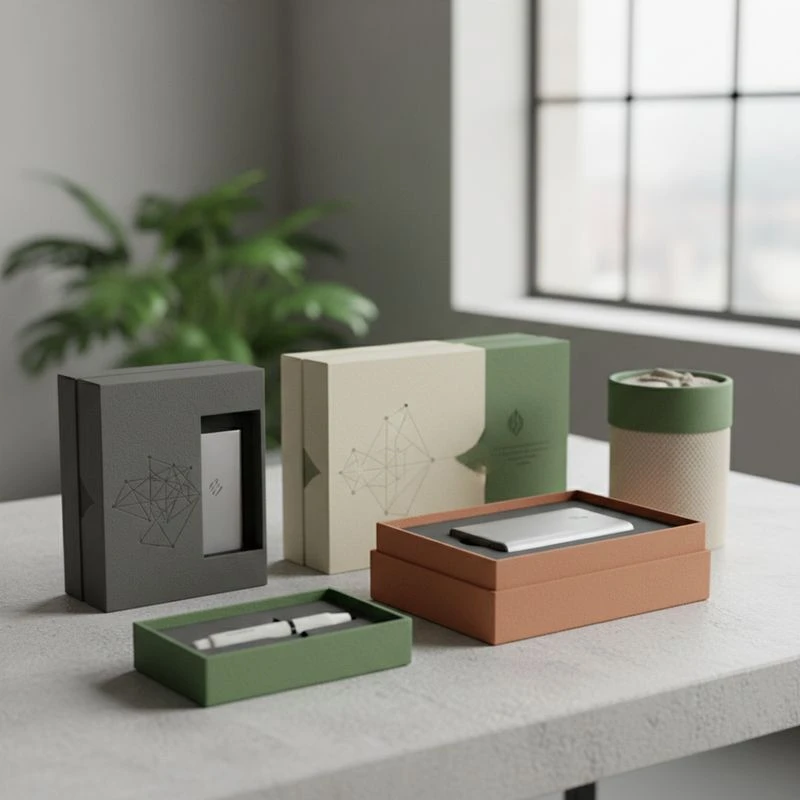
In the highly competitive business landscape of the United Kingdom, every touchpoint with a client or prospective partner is an invaluable opportunity to reinforce your brand’s professionalism, values, and commitment to quality. While the gift itself holds significance, it’s often the presentation that leaves the most lasting impression. Generic, off-the-shelf packaging for promotional items can inadvertently diminish the perceived value of your thoughtful gesture, signalling a lack of attention to detail. This is precisely where custom packaging for B2B promotional gift items becomes not just an option, but a strategic imperative. Tailored packaging transforms a simple gift into an immersive brand experience, communicating your corporate identity long before the recipient even sees what’s inside. It speaks volumes about your brand’s sophistication and dedication to excellence, differentiating you in a crowded market and fostering stronger, more memorable business relationships.
Promotional Packaging
The art of promotional packaging, particularly for B2B gift items destined for the discerning UK market, extends far beyond mere containment; it’s about crafting an unforgettable unboxing experience that resonates deeply with your corporate recipients. Think of custom packaging as your brand’s silent ambassador, working tirelessly to convey your message of quality, innovation, and appreciation even before the gift itself is revealed. In the UK, where business relationships are often forged on trust and meticulous attention to detail, a bespoke package signals a profound thoughtfulness that a standard gift bag or box simply cannot achieve. It elevates the perceived value of the gift, transforming it from a simple handout into a cherished token of gratitude or a powerful statement of partnership.
Consider the journey of a promotional gift. It might be delivered to a corporate office, presented at an industry event, or even mailed directly to a client’s home. In each scenario, the packaging is the very first interaction. If that interaction is underwhelming, the impact of the gift itself is immediately lessened. Conversely, if the packaging is robust, aesthetically pleasing, and clearly branded, it sets a positive tone. Imagine a luxury rigid box with a magnetic closure, embossed with your company logo, holding a premium item. The tactile feel, the subtle sound of the lid opening, and the visual presentation combine to create a ‘wow’ moment. This isn’t just about making things look pretty; it’s about leveraging sensory engagement to create a memorable brand impression. For instance, a sustainable UK-based tech company might opt for custom packaging made from recycled kraft paper, featuring minimalist design and eco-friendly inks, perfectly aligning the packaging with their brand values of innovation and environmental responsibility. This approach ensures that every element, from the material choice to the structural design, tells a cohesive brand story.
Navigating the various options for promotional packaging can seem daunting, but focusing on core principles will guide your decisions effectively. First, consider the unboxing experience: how does the recipient interact with the package from the moment they receive it? Is it easy to open yet secure? Does it reveal the gift in an engaging sequence? Next, material choices are paramount. For high-value items, a premium rigid box with custom foam inserts offers both protection and a luxurious feel. For lighter, smaller gifts, a custom printed mailer box or a sleek sleeve might suffice, providing ample branding space without excessive bulk. Sustainability is also a significant consideration in the UK market, with a growing emphasis on eco-friendly solutions. Opting for recyclable, biodegradable, or recycled materials can significantly enhance your brand’s image as a responsible corporate citizen. Practical examples include using custom-printed tissue paper inside a box, which adds an extra layer of luxury and reinforces branding, or incorporating a custom belly band around a plain box to add a sophisticated touch without overhauling the entire package structure. However, pitfalls exist, such as over-packaging—using too much material for a small item—which can appear wasteful and environmentally unfriendly. The solution lies in right-sizing your packaging, ensuring it perfectly fits and protects the gift without unnecessary excess. By carefully curating these elements, your custom packaging for B2B promotional gift items will not only protect your gift but actively promote your brand in a sophisticated and impactful manner.
| Material Type | Key Benefits for B2B Gifts | Best Suited For | Considerations for UK Market |
|---|---|---|---|
| Rigid Boxes (Chipboard/Paperboard) | Premium feel, robust protection, high perceived value, excellent for luxury branding. | High-value gifts, executive items, multi-item gift sets. | Conveys luxury and quality; potential for high-end finishes (foiling, embossing). |
| Corrugated Cardboard | Durable, cost-effective, excellent for shipping, recyclable, versatile for various sizes. | Bulkier items, subscription boxes, mailer boxes for direct dispatch. | Sustainability appeal (recycled content, recyclability); ideal for e-commerce B2B. |
| Folding Cartons (Paperboard) | Versatile, good printability, often collapsible for shipping, cost-effective. | Smaller gifts, branded merchandise, internal components of larger kits. | Flexibility in design and structure; can be laminated for added durability/finish. |
| Kraft Paper/Recycled Board | Eco-friendly, natural aesthetic, strong sustainable branding message. | Environmentally conscious brands, natural/organic products, artisan gifts. | Strong appeal to UK’s growing demand for sustainable business practices. |
| Custom Fabric Bags/Pouches | Reusable, luxurious tactile feel, adds a soft touch to presentation. | Jewellery, delicate items, smaller premium gifts, part of a larger gift box. | Adds a reusable element, enhancing brand exposure post-unboxing. |
This table outlines popular material choices, highlighting their unique advantages and suitability for various B2B promotional gifts within the UK context. Selecting the right material is a foundational step in creating custom packaging that aligns with your brand’s message and the gift’s value. For example, a tech firm might choose corrugated cardboard for its robustness and eco-credentials, while a luxury brand would gravitate towards rigid boxes for their premium feel, ensuring their custom packaging for B2B promotional gift items effectively communicates their brand’s essence.
Corporate Branding
In the highly discerning UK business environment, corporate branding is not merely about having a logo; it’s about meticulously crafting a cohesive identity that permeates every aspect of your professional interactions. When it comes to custom packaging for B2B promotional gift items, this principle becomes even more critical. Your packaging is a tangible extension of your corporate identity, serving as a powerful, silent salesperson that reinforces brand recall, communicates professionalism, and solidifies your market position. Every design element, from the subtle shimmer of a foil-stamped logo to the precise hue of your brand colours, contributes to a holistic brand experience that either strengthens or weakens your corporate image. In a market that values tradition, quality, and strong reputations, inconsistent or poorly executed branding on packaging can be perceived as a lack of attention to detail, potentially undermining the very message you intend to convey.
Effective corporate branding on custom packaging goes beyond simply slapping a logo onto a box. It involves a strategic and harmonious application of your entire brand toolkit. This includes the precise reproduction of your logo, often requiring adherence to strict brand guidelines regarding size, placement, and colour. Utilising the Pantone Matching System (PMS) is essential to ensure that your brand colours are consistently replicated across different materials and printing processes, maintaining visual integrity. Typography also plays a crucial role; the fonts used on your packaging should align with your brand’s established typefaces, conveying a consistent tone and readability. Beyond these core elements, consider incorporating subtle brand messaging, such as a company tagline, a mission statement, or even a QR code linking to a brand story or a thank you message. For instance, a UK-based financial services firm might opt for packaging featuring a minimalist design, a debossed logo for a sophisticated tactile element, and a subtle pattern derived from their corporate iconography, all meticulously aligned with their brand guidelines to convey trustworthiness and premium service. This thoughtful approach ensures that the packaging is not just a container, but an integral part of your brand narrative.
To successfully integrate corporate branding into your custom packaging, a systematic approach is recommended. Begin by thoroughly reviewing your brand guidelines and ensuring all stakeholders understand their importance. Collaborate closely with your packaging supplier, providing them with high-resolution vector files of your logo, precise PMS colour codes, and any specific font files. Requesting mock-ups, both digital and physical, is a crucial step to verify that the branding elements appear as intended on the chosen material and structure. Personalisation offers another layer of impactful branding; for key clients or VIPs, consider adding their company logo alongside yours for a co-branded effect, or even individual recipient names, which adds a highly personal and exclusive touch. This level of customisation significantly enhances the recipient’s feeling of being valued. Potential pitfalls in this area include inconsistent branding across different promotional campaigns, using low-resolution logos that appear pixelated, or choosing packaging colours that clash with your brand palette. To mitigate these risks, implement strict quality control measures, always approve proofs carefully, and educate your team on the importance of brand consistency. By treating your custom packaging for B2B promotional gift items as a critical branding asset, you solidify your corporate identity and foster stronger, more recognisable relationships within the UK business landscape.
| Branding Element | Importance for B2B Packaging | Best Practice Considerations |
|---|---|---|
| Company Logo | Primary brand identifier, immediate recognition. | High-resolution vector files, appropriate sizing, strategic placement for visibility. |
| Brand Colours (PMS) | Evokes brand identity and emotion, ensures consistency. | Use Pantone Matching System (PMS) for precise colour reproduction across materials. |
| Typography | Communicates brand tone and professionalism. | Consistent use of brand-approved fonts, legibility, appropriate sizing for packaging. |
| Brand Messaging/Tagline | Reinforces core values, adds context. | Subtle inclusion, concise language, aligned with overall brand communication. |
| Finishes (e.g., Embossing, Foiling) | Adds tactile and visual luxury, enhances brand perception. | Strategically applied to logo or key design elements for emphasis. |
| Sustainability Messaging | Aligns with UK corporate values, enhances responsible brand image. | Clear communication of eco-friendly materials or certifications (e.g., FSC). |
This table highlights the critical branding elements that must be considered when designing custom packaging for B2B promotional gift items. Each element plays a vital role in conveying your brand’s identity and values to the recipient. Ensuring meticulous attention to these details helps in creating packaging that not only looks professional but also leaves a memorable and positive brand impression, crucial for success in the UK B2B market.
B2B Design
Designing custom packaging for B2B promotional gift items in the UK market presents a unique set of challenges and opportunities, distinctly different from B2C consumer packaging. The fundamental takeaway here is that effective B2B design meticulously balances aesthetic appeal with robust functionality and corporate appropriateness, creating a sophisticated and practical experience for the business recipient. Unlike consumer-focused designs that might prioritise vibrant colours and immediate shelf appeal, B2B packaging needs to exude professionalism, reflect corporate values, and often accommodate practical considerations like shipping, storage, and the inherent message of the gift itself. A design that is too flashy or overly casual can detract from the seriousness of a business relationship, whereas a well-considered, elegant, and functional design enhances your brand’s reputation for quality and attention to detail among UK businesses.
The core reasoning behind this distinct approach lies in the nature of B2B relationships. Business decisions are often based on trust, reliability, and perceived value, not impulse buys. Therefore, your custom packaging should communicate these attributes. Consider the structural design first: how will the gift be protected during transit? Are custom inserts or dividers necessary to secure multiple items within a kit? For example, a UK company sending out welcome packs to new clients might design a custom box with precisely cut foam inserts to hold a branded notebook, a high-quality pen, and a USB drive, ensuring each item is presented immaculately and protected from damage. The unboxing sequence itself can be part of the design – a lid that lifts to reveal a branded thank you card before the gifts are seen creates a thoughtful journey. Visually, B2B design often leans towards minimalist elegance. Clean lines, sophisticated colour palettes (often reflecting corporate branding but with a more subdued application), and strategic use of textures or finishes (like a matte laminate or a subtle deboss) convey professionalism without being ostentatious. This approach aligns perfectly with the UK’s appreciation for understated quality and refined taste in corporate gifting. Avoid overly busy designs; instead, focus on clear messaging and high-quality finishes that speak volumes about your brand’s commitment to excellence.
Implementing successful B2B custom packaging design requires a structured approach. Start by clearly defining the purpose of the gift and its target recipient. Is it for a new client, an executive, or a mass promotional giveaway? This will inform material choice, complexity, and budget. Next, focus on structural integrity; the packaging must protect the gift effectively, especially if it involves international shipping or multiple handling points typical in the UK logistics chain. Prototyping is an invaluable step here, allowing you to test the physical integrity and the unboxing experience before mass production. Visually, ensure your design harmonises with your corporate brand guidelines, using consistent logos, fonts, and colours. Consider adding a subtle call to action, like a QR code to a dedicated landing page or a social media link, which can extend the engagement beyond the physical gift. However, be mindful of common pitfalls: overly complex designs can lead to higher costs and production difficulties, while flimsy packaging can result in damaged goods and a poor brand impression. A robust solution involves working with experienced B2B packaging designers who understand both aesthetics and practical logistics. They can guide you through material selection, structural engineering, and design elements that enhance functionality without sacrificing elegance. Ultimately, when your custom packaging for B2B promotional gift items is thoughtfully designed, it becomes a powerful tool that embodies your brand’s professionalism, care, and commitment to the UK business community.
Printing
The quality of printing on your custom packaging for B2B promotional gift items is far more than a technical detail; it is a direct reflection of your brand’s commitment to excellence and professionalism in the UK market. A superior print job ensures that your brand’s colours are vibrant, your logo is crisp, and any text is perfectly legible, all of which contribute significantly to the perceived value of the gift and, by extension, your company. Conversely, shoddy printing – faded colours, misaligned graphics, or blurry text – can inadvertently undermine all the effort put into selecting the perfect gift and designing bespoke packaging. In a market where meticulous attention to detail is highly regarded, especially in corporate communications, the print quality acts as a powerful non-verbal cue, signaling either high standards or a lack thereof. Therefore, understanding the nuances of printing techniques and finishes is absolutely non-negotiable for anyone looking to make a strong, professional statement with their B2B gifts.
There are several key printing methods, each with its own advantages, which are critical to consider for your custom packaging. Offset printing, for example, is ideal for large runs, offering exceptional colour accuracy and consistency, particularly when using the Pantone Matching System (PMS) which is vital for maintaining brand colour integrity. Digital printing, on the other hand, is perfect for shorter runs, variable data printing (like individual recipient names or unique codes), and quick turnarounds, making it flexible for smaller, highly personalised B2B campaigns. Flexography is often used for packaging on corrugated materials, providing a cost-effective solution for larger quantities. Beyond the printing method, the choice of finishes can dramatically enhance the tactile and visual appeal of your packaging. A matte laminate can provide a sophisticated, non-reflective surface, while a gloss laminate adds a vibrant, protective sheen. Spot UV adds a contrasting high-gloss finish to specific design elements, making logos or patterns pop. Foiling (hot or cold) introduces metallic accents in gold, silver, or other colours, conveying luxury and exclusivity. Embossing or debossing creates a raised or recessed effect, adding a tactile dimension that screams premium quality. For a UK-based luxury goods distributor gifting bespoke items, a rigid box with a matte finish, a debossed logo, and a metallic foil accent would perfectly encapsulate their brand’s high-end image, ensuring every detail of their custom packaging for B2B promotional gift items speaks of unparalleled quality.
To ensure impeccable print quality for your custom packaging, a systematic approach is essential. Begin by preparing your artwork meticulously: always provide high-resolution vector files for logos and graphics, and ensure all text is outlined to prevent font issues. Specify your brand colours using PMS codes rather than CMYK where absolute accuracy is crucial. Engage in a thorough proofing process; while digital proofs are helpful, always request a physical proof for critical projects to assess colours, finishes, and overall appearance on the actual material. This allows you to catch any discrepancies before mass production begins. One common pitfall is supplying low-resolution raster images, which can result in pixelated or blurry printing. Another is neglecting to specify colour profiles, leading to unexpected colour shifts. The solution lies in clear communication with your chosen printer and adhering to their artwork specifications. A reputable UK packaging printer will provide detailed guidelines and expert advice, ensuring your designs translate flawlessly onto the chosen material. By paying close attention to these printing details, you guarantee that your custom packaging for B2B promotional gift items not only looks professional but also powerfully reinforces your brand’s commitment to quality and precision, a highly valued attribute in the UK business community.
| Printing Technique | Best For | Key Advantages | Common Finishes |
|---|---|---|---|
| Offset Printing | Large runs, high-fidelity colour reproduction, branded materials. | Superior colour accuracy (PMS), consistent quality across high volumes. | Matte/Gloss Lamination, Spot UV, Foiling, Embossing/Debossing. |
| Digital Printing | Short runs, variable data (personalisation), quick turnarounds. | Flexibility, cost-effective for smaller batches, excellent for bespoke campaigns. | Matte/Gloss Lamination, Soft-Touch Coating. |
| Flexography | Corrugated boxes, flexible packaging, large quantities. | Cost-effective for packaging materials, durable print for shipping. | Varnish, sometimes simple laminations. |
| Screen Printing | Speciality materials (fabric, wood), vibrant colours, thick ink deposits. | Excellent for unique textures, high opacity on dark surfaces. | UV varnish, flocking. |
This table outlines the primary printing techniques available for custom packaging, detailing their ideal applications and potential finishes. Choosing the correct printing method is essential for achieving the desired aesthetic and quality for your B2B promotional gift items. For example, if your campaign requires personalised names on each box, digital printing would be the most efficient choice, ensuring that your custom packaging for B2B promotional gift items is both impactful and tailored.
Display
The “display” of your custom packaging for B2B promotional gift items encompasses more than just how it looks on a shelf; it refers to the entire presentation journey, from the moment it’s received to the final unboxing. This critical aspect significantly impacts the recipient’s initial impression and the overall brand experience within the UK market. For B2B gifts, the display often begins with how the package arrives – whether through a courier, hand-delivered at a corporate event, or presented during a client meeting. A gift might spend time on a recipient’s desk before being opened, acting as a mini billboard for your brand. The care taken in protecting and presenting the gift signals your brand’s attention to detail, its respect for the recipient, and its overall professionalism. A damaged or poorly presented package, regardless of the quality of the gift inside, can create an immediate negative bias, while a beautifully delivered and thoughtfully arranged package sets a positive and memorable tone, crucial for fostering strong business relationships in the UK.
Consider the various scenarios in which your B2B promotional gift might be displayed. If it’s being shipped, robust outer packaging is paramount. This includes sturdy mailing boxes, appropriate void fill (such as custom-cut foam or crinkle paper in brand colours), and custom inserts designed to hold the gift securely, preventing any movement or damage during transit. The outer carton itself can be subtly branded to extend the promotional reach. For gifts presented in person, the display takes on a more direct form. An elegant branded gift bag, perhaps made from a premium paper or even a reusable fabric, elevates the presentation. Adding a custom-printed ribbon or a personalised tag can further enhance the perceived value and exclusivity. Imagine a UK-based consultancy firm delivering a high-value client gift in a sleek, matte black rigid box, nestled inside a matching branded tote bag, accompanied by a handwritten note. This multi-layered display strategy creates a luxurious and thoughtful experience, demonstrating a meticulous approach to client engagement. The display also includes the unboxing sequence. Is it intuitive and enjoyable? Does it reveal the gifts in an appealing order? A well-designed unboxing experience is often shared on social media, amplifying your brand’s reach and demonstrating your attention to every detail, something highly appreciated in the UK business community.
To optimise the display aspect of your custom packaging, a holistic approach is necessary. First, map out the entire recipient journey, from dispatch to unboxing. Identify potential pain points, such as rough handling during shipping or a cluttered desk where the package might sit. Second, invest in structural design that not only protects the gift but also enhances its presentation. Custom inserts not only secure items but can also arrange them aesthetically. Third, consider the ‘shelf appeal’ if the gift might be displayed before opening. A visually appealing package with clear branding can act as a conversation starter. Enhance the unboxing experience with elements like custom tissue paper, branded belly bands, or a strategically placed thank-you card. Pitfalls include using flimsy outer packaging that leads to damaged goods, creating packaging that is difficult or frustrating to open, or neglecting the overall aesthetic of the presentation. Solutions involve collaborating with packaging designers who specialise in transit and presentation, conducting mock shipping tests, and collecting feedback on the unboxing experience. By prioritising the display, you ensure that your custom packaging for B2B promotional gift items doesn’t just protect the contents but actively contributes to a positive, professional, and memorable brand interaction for your UK recipients.
