
Catalog

Box Purpose

Custom Packaging for Baby and Infant Care Products

Baby Packaging

The journey to market success for any baby and infant care product in the United Kingdom begins long before it ever reaches a shelf; it starts with its custom packaging. In a sector where trust, safety, and emotional connection are paramount, merely protecting the product isn’t enough. Custom packaging for baby and infant care products must act as a silent ambassador, communicating quality, safety, and brand values at a glance. For businesses aiming to capture the discerning UK parent market, understanding this fundamental principle is the first step toward building a successful brand. The UK consumer is increasingly sophisticated, not only demanding product efficacy but also scrutinising packaging for its environmental footprint, ease of use, and overall aesthetic appeal. This means that a generic, off-the-shelf solution simply won’t cut through the noise or meet the stringent expectations. Instead, brands must invest in thoughtful, bespoke designs that resonate deeply with their target audience. To lead with a strong takeaway, remember that custom baby packaging is your brand’s primary touchpoint, defining perception and driving purchase decisions in a highly competitive landscape. The reasoning behind this is multifaceted: UK regulations for children’s products are among the strictest globally, requiring specific material compliance, clear labelling, and safety features. Parents, naturally, prioritise the well-being of their children above all else, making them exceptionally sensitive to any perceived risks. Therefore, packaging that exudes reliability and care can quickly build invaluable trust. Furthermore, the aesthetics and functionality of the packaging contribute significantly to the user experience. Imagine a sleep-deprived parent struggling with an impossible-to-open formula container, or a baby toy box with sharp edges. Such experiences can quickly sour brand loyalty. Conversely, intuitive, safe, and beautifully designed packaging can transform routine tasks into moments of joy and reassurance, solidifying a positive brand image. To take actionable steps towards creating effective baby packaging, businesses should first immerse themselves in understanding their core demographic. Are they new parents looking for convenience, eco-conscious families prioritising sustainability, or gift-givers seeking premium presentation? This insight will inform every design choice, from material selection to graphic elements. Prioritise safety features unequivocally; this means opting for non-toxic, BPA-free materials, integrating child-resistant closures where appropriate, and ensuring there are no small, detachable parts or sharp edges that could pose a choking hazard or injury risk. User-friendliness is another critical consideration: packaging should be easy to open, re-sealable if necessary, and designed for hygienic dispensing. Importantly, integrate your brand story and values directly into the packaging design. If your brand stands for natural ingredients, reflect that with earthy tones and recycled materials. If it’s about fun and play, use vibrant colours and engaging illustrations. A common pitfall here is underestimating the complexity of regulatory compliance; solutions involve partnering with packaging experts who have a deep understanding of UK and EU standards. Another challenge can be the temptation to cut corners on design, resulting in generic packaging that fails to capture attention. Investing in a unique, memorable design is not an expense, but an essential brand-building investment. Finally, address sustainability concerns head-on by exploring recyclable, compostable, or reusable packaging options, clearly communicating these efforts to environmentally aware consumers. This holistic approach ensures that your custom packaging for baby and infant care products serves not just as a container, but as a powerful marketing and trust-building tool.

Safety Design

When it comes to Custom Packaging for Baby and Infant Care Products, safety design isn’t merely a feature; it is the fundamental cornerstone upon which all other aspects of packaging are built. The unequivocal takeaway here is that packaging for babies must, above all else, prevent harm, comply with rigorous regulatory standards, and provide parents with absolute peace of mind. This principle guides every material choice, structural design decision, and labeling detail. In the United Kingdom, product safety standards for items intended for children are exceptionally strict, reflecting a societal commitment to protecting the most vulnerable consumers. Regulations such as the General Product Safety Regulations (GPSR), along with specific standards for toys (EN 71) and chemical substances (REACH), dictate everything from permissible materials to mechanical safety and flammability. Failing to adhere to these benchmarks not only poses a severe risk to infants but can also lead to significant legal repercussions, product recalls, and irreparable damage to a brand’s reputation. Parents are acutely aware of these risks, and their purchasing decisions are heavily influenced by the perceived safety of a product’s packaging, making robust safety design an indispensable brand differentiator. The reasoning behind such stringent requirements is straightforward: infants and young children explore their world orally and physically, meaning anything within their reach, including packaging, can become a potential hazard. Packaging must therefore be designed to mitigate risks such as choking from small parts, chemical exposure from harmful substances, lacerations from sharp edges, or accidental ingestion of contents. This comprehensive approach to risk assessment and mitigation is what defines effective safety design in the baby product sector. It moves beyond superficial aesthetics to delve into the intrinsic properties and structural integrity of the packaging itself. Brands must consider not only the primary packaging that directly holds the product but also any secondary or tertiary packaging that babies might come into contact with. This includes the inks used for printing, the adhesives that bind components, and the laminates that provide protection and finish. Every element must be scrutinized to ensure it is non-toxic, durable enough to withstand typical infant handling, and free from any potential hazards. To implement actionable steps for superior safety design in custom packaging for baby and infant care products, begin with meticulous material selection. Always opt for materials that are certified as non-toxic, BPA-free, phthalate-free, and, if the packaging is intended for food or direct skin contact, food-grade. Plastics like HDPE, LDPE, and PP are often preferred for their safety profiles and recyclability. Next, integrate child-resistant features where necessary, such as tamper-evident seals for formula or child-proof caps for lotions and medicines. These features provide an extra layer of protection, indicating to parents that the product inside is secure until they choose to open it. The physical design of the packaging is equally crucial: ensure there are absolutely no sharp edges, small detachable parts (buttons, decorative elements), or pinch points that could cause injury. All corners should be rounded, and the overall structure should be robust and resilient. Clear and unambiguous labeling is another non-negotiable step. This includes prominent warnings about potential hazards, age recommendations, clear ingredient lists, and instructions for safe use and disposal. Finally, and most critically, subject all packaging designs to rigorous, independent testing for durability, chemical migration, and compliance with all relevant UK and EU safety standards. A common pitfall is relying solely on manufacturer assurances; instead, demand documentation, certifications, and conduct your own due diligence. Another challenge can be the temptation to use cheaper, uncertified materials, which can lead to catastrophic consequences. The solution is always to prioritise safety over cost, viewing compliance as an investment in brand integrity and consumer trust.
Safety Parameter Description / UK Standard Relevance Design / Material Specification
Non-Toxic Materials Compliance with REACH (Registration, Evaluation, Authorisation and Restriction of Chemicals) regulations. No BPA, Phthalates, heavy metals. Food-grade HDPE, LDPE, PP plastics; certified virgin paperboard; water-based, non-toxic inks/adhesives.
Physical Safety (No Sharp Edges) Prevention of cuts, scrapes, or punctures. Relevant for all packaging types, especially rigid boxes or containers. Rounded corners, smooth finishes, debossed or recessed features, robust material thickness to prevent breakage into sharp pieces.
Choking Hazard Prevention No small, detachable parts (EN 71-1 standard for toys, but principle applies). Ensures Custom Packaging for Baby and Infant Care Products is safe if chewed or ingested. Integrated components, large labels securely adhered, no easily separable small closures or decorative elements.
Child-Resistant Closures Required for certain products (e.g., medicines, cleaning products) to prevent accidental ingestion by children. Push-and-turn caps, squeeze-and-turn caps, blister packs with high peel strength, tamper-evident seals.
Chemical Migration Ensuring no harmful chemicals leach from packaging into the product or onto a child’s skin upon contact. Use of inert materials, barrier layers for certain products, strict supplier vetting for material composition.
This table highlights critical safety parameters essential for the design of custom packaging for baby and infant care products in the UK. Adhering to these specifications is not just about compliance but about safeguarding a child’s well-being. Each parameter contributes to building trust with parents, a cornerstone for any brand in this sensitive market.

B2B Manufacturing

For brands operating in the baby and infant care sector, selecting the right B2B packaging manufacturer is perhaps one of the most pivotal decisions that will influence everything from product quality and market entry to supply chain efficiency and profitability. The undeniable takeaway here is that a robust partnership with a specialised manufacturer is not just a transactional arrangement but a strategic alliance that underpins consistent quality, ensures regulatory compliance, and facilitates scaling for growth. In the UK market, where consumer expectations are high and regulatory scrutiny is intense, an ill-suited manufacturing partner can lead to costly delays, product recalls, and irreparable brand damage. Conversely, a well-chosen manufacturer acts as an extension of your brand, bringing expertise, state-of-the-art technology, and a deep understanding of the unique challenges and requirements of custom packaging for baby and infant care products. This relationship moves beyond simply placing an order; it’s about collaborative problem-solving and mutual commitment to excellence. The reasoning for this profound impact stems from several factors. Firstly, the complexities of producing compliant and safe baby packaging require specialised knowledge and machinery. A general packaging manufacturer may not possess the certifications (e.g., ISO, BRCGS Packaging Materials), cleanroom facilities, or quality control protocols specific to infant products. Secondly, consistency in quality is non-negotiable. Parents expect every product to meet the same high standards, and any variability in packaging – be it in material integrity, print quality, or functional aspects like seal strength – can erode trust. A dedicated B2B manufacturer will have stringent quality assurance processes embedded throughout their production line. Thirdly, scalability is critical for businesses looking to grow. A good partner can seamlessly transition from small batch runs for market testing to large-scale production as demand increases, without compromising on quality or lead times. Finally, navigating the intricate web of UK and EU regulations for baby products can be daunting. An experienced manufacturer will not only be aware of these regulations but will also actively advise on compliance, materials, and testing requirements, saving brands significant time and resources. To engage in actionable steps for forging a successful B2B manufacturing partnership for your custom packaging for baby and infant care products, begin with thorough vendor qualification. Look beyond basic capabilities; inquire specifically about their experience in the baby and infant sector. Request case studies, client testimonials, and, crucially, a comprehensive list of their certifications (e.g., ISO 9001 for quality management, BRCGS for packaging and packaging materials, relevant food-grade certifications if applicable). Evaluate their production capabilities: do they offer the specific printing technologies (e.g., flexography, digital, offset), material converting processes (e.g., lamination, die-cutting), and assembly services you require? Crucially, assess their expertise in regulatory compliance. They should demonstrate a clear understanding of UK and EU safety standards, material restrictions (e.g., phthalates, BPA), and labelling requirements for baby products. Delve into their quality control processes; ask for details on how they ensure consistency, conduct material testing, and manage defect rates. A transparent manufacturer will welcome audits and factory visits. Furthermore, inquire about their sustainability practices, as this is an increasing concern for UK consumers and an opportunity for brand alignment. Finally, establish clear communication channels and project management protocols. A common pitfall is choosing a manufacturer based solely on cost, which often leads to compromises in quality and compliance. The solution is to prioritise value – a combination of quality, reliability, expertise, and competitive pricing. Another challenge can be a lack of transparency regarding production processes or material sourcing. Mitigate this by demanding full traceability and conducting regular supplier audits. A strong B2B relationship is built on trust, transparency, and a shared commitment to delivering safe, high-quality packaging for vulnerable consumers.
Selection Criteria Key Considerations for Baby Product Packaging Why it Matters for Custom Packaging for Baby and Infant Care Products
Industry Experience Proven track record specifically with baby & infant product packaging (e.g., formula, wipes, toys). Ensures understanding of unique safety, hygiene, and regulatory demands, minimizing risk.
Certifications ISO 9001 (Quality), BRCGS Packaging Materials, relevant food-grade certifications (if applicable). Guarantees adherence to international quality and safety management systems.
Regulatory Expertise Deep knowledge of UK/EU regulations (e.g., REACH, GPSR, EN 71, material restrictions). Critical for compliance, avoiding recalls, and ensuring market access.
Quality Control (QC) Robust in-house testing, clear defect management, consistent material checks, cleanroom facilities. Ensures consistent high standards, material integrity, and product safety.
Production Capacity & Technology Scalability for growth, advanced printing (e.g., non-toxic inks), specialised finishing options. Supports market demand fluctuations and enables unique, appealing custom designs.
Sustainability Practices Offerings in recycled, recyclable, compostable materials; waste reduction initiatives. Aligns with consumer values in the UK and enhances brand reputation.
This table outlines critical criteria for selecting a B2B packaging manufacturer, specifically tailored for custom packaging for baby and infant care products. Focusing on these points will help brands in the UK establish a partnership that prioritizes safety, quality, and compliance. Choosing the right partner is an investment in your product’s market success and long-term brand reputation.

Soft Materials

The selection of soft materials for custom packaging for baby and infant care products is not merely an aesthetic choice; it’s a strategic decision that profoundly impacts user experience, reinforces brand values, and crucially, enhances safety. The immediate takeaway is that incorporating soft, gentle, and tactile materials into baby product packaging creates an emotional connection with parents, signalling care, comfort, and safety—qualities paramount in this sensitive market. In the United Kingdom, parents are increasingly drawn to products that not only perform effectively but also feel safe and pleasant to interact with. This extends directly to the packaging, which, for many infant products, may be handled frequently by both parents and potentially the baby themselves. A harsh, brittle, or plasticky package can feel incongruous with the gentle nature of the product inside, undermining the overall brand message. Conversely, packaging made from soft-touch, flexible, or naturally smooth materials can elevate the perceived quality and reinforce a brand’s commitment to infant well-being. The reasoning behind prioritising soft materials is rooted in both sensory appeal and functional benefits. From a sensory perspective, the soft touch of a matte-finished box, the flexibility of a gentle pouch, or the natural feel of unbleached paperboard can evoke feelings of tenderness and comfort, directly aligning with the emotional needs of parents caring for their babies. This emotional resonance helps build brand loyalty and trust. Functionally, soft materials often translate to enhanced safety. Flexible pouches, for example, present less of a physical hazard than rigid containers if dropped or handled roughly by a child. Smooth, rounded edges on paperboard reduce the risk of scrapes. Furthermore, many soft materials, especially those derived from natural or recycled sources, often carry a lower environmental footprint, appealing to the growing number of eco-conscious parents in the UK. This emphasis on gentleness extends to the materials themselves being free from harsh chemicals or irritants, ensuring they are safe for incidental contact with delicate infant skin. To implement actionable steps for incorporating soft materials into your custom packaging for baby and infant care products, first consider the application. For primary packaging that may come into direct contact with the product or a baby’s skin, flexible, food-grade plastics like LDPE or PP are excellent choices for their safety, durability, and smooth texture. Silicone is another highly safe, soft, and flexible option for closures or dispensing components. For secondary packaging, which houses the primary product, high-quality paperboard with soft-touch laminations can create an incredibly tactile and luxurious feel. Think about matte finishes or subtle textures that invite touch. Corrugated cardboard, when used for larger items like diaper boxes, should feature smooth outer layers and precise, non-abrasive cuts. Beyond paper-based solutions, consider non-woven fabrics or organic cotton for reusable bags or gift sets, adding a premium, eco-friendly, and undeniably soft element. When selecting materials, always verify certifications for safety (e.g., BPA-free, REACH compliance) and ensure they meet food-grade standards if relevant. A common pitfall is equating “soft” with “fragile,” leading to concerns about durability. The solution involves rigorous material testing for tear strength, puncture resistance, and overall structural integrity, ensuring that softness does not compromise protection. Another challenge can be the cost implications of premium soft-touch finishes or sustainable soft materials. Mitigate this by exploring cost-effective soft-touch varnishes or by communicating the value proposition of these materials clearly, justifying the investment through enhanced brand perception and consumer satisfaction. Ultimately, the careful selection of soft materials contributes significantly to a product’s appeal and its perceived alignment with the gentle world of baby care.
Material Type Common Applications in Custom Packaging for Baby and Infant Care Products Key Benefits for Softness & Safety
LDPE (Low-Density Polyethylene) Flexible pouches for purees, squeezable tubes for lotions, bottle caps, shrink films. Highly flexible, soft to touch, impact resistant, non-toxic, generally recyclable, good moisture barrier.
PP (Polypropylene) Containers for wipes, baby food jars, bottle components, closures. Durable yet flexible, smooth surface, excellent chemical resistance, widely recyclable, BPA-free.
Paperboard (with Soft-Touch Lamination/Varnish) Folding cartons for creams, gift sets, toy boxes, diaper packaging. Creates a luxurious, velvety feel; enhances aesthetic appeal; recyclable base material; provides a protective barrier.
Non-woven Fabric (e.g., RPET, Cotton blends) Reusable bags for product sets, premium packaging inserts, wipes packaging. Extremely soft, tactile, often made from recycled content, adds a premium and sustainable feel.
Silicone Teethers, bottle nipples (not packaging directly, but often as a package component). Very soft, flexible, durable, highly safe, heat resistant, inert, chemical-free.
This table illustrates various soft materials commonly used in custom packaging for baby and infant care products, highlighting their specific applications and benefits. The careful selection of these materials contributes to the overall safety, tactile appeal, and eco-friendliness of baby packaging. Prioritizing these materials helps brands deliver a product experience that resonates with parents’ desire for gentleness and care.

Branding

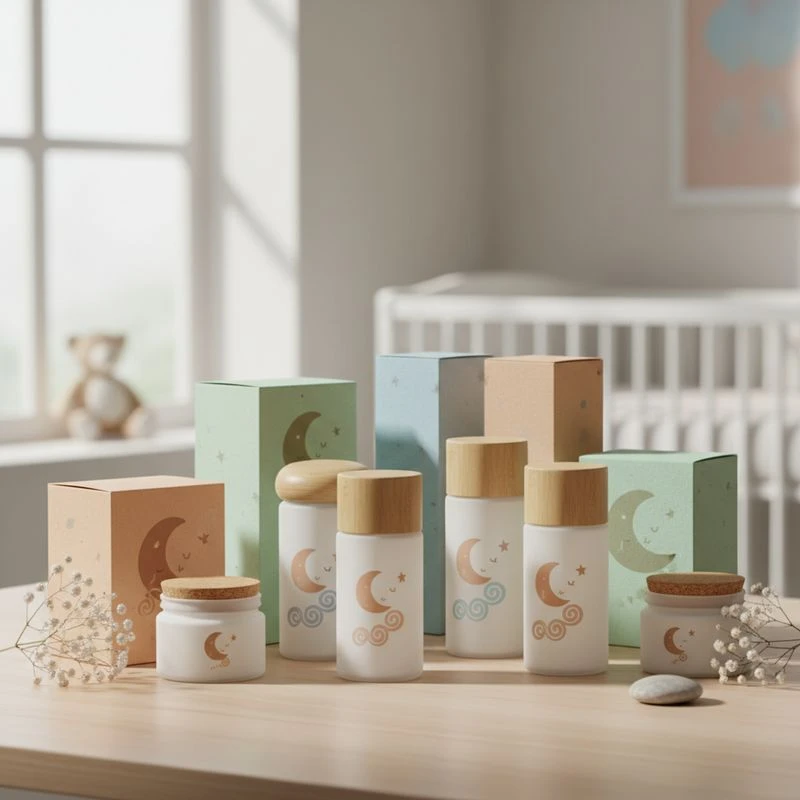
In the highly emotive and competitive UK baby and infant care market, branding through custom packaging is far more than just slapping a logo on a box; it is the art of building an emotional connection, conveying trust, and differentiating a product from a multitude of competitors. The crucial takeaway here is that effective custom packaging for baby and infant care products acts as a powerful storyteller, directly communicating a brand’s values, personality, and commitment to quality, often before a parent even considers the product within. In a landscape where parents are bombarded with choices, packaging becomes the silent salesperson, capable of instantly attracting attention, reassuring concerns, and fostering a sense of warmth and reliability. A brand might offer the most innovative and safest baby product, but if its packaging fails to convey these attributes persuasively, it risks being overlooked on a crowded shelf or online storefront. Therefore, strategic branding through packaging is not an afterthought but an integral component of market strategy, shaping perceptions and driving purchasing decisions. The reasoning behind this elevated importance of branding through packaging is deeply rooted in consumer psychology, particularly within the parenting demographic. Parents are driven by a profound desire to provide the best for their children, and this translates into a heightened sense of scrutiny and an emotional investment in their purchasing choices. Packaging that is thoughtfully designed can tap into these emotions, evoking feelings of safety, comfort, joy, or sophistication. For example, soft pastel colours, gentle imagery of babies, or designs that suggest natural ingredients can immediately resonate with parents seeking gentle, safe products. Moreover, clear and concise branding allows for instant recognition and differentiation. In a market saturated with similar products, unique shapes, innovative closures, or distinctive graphic elements can make a product stand out. Consistent branding across an entire product line also builds familiarity and trust, encouraging repeat purchases. Finally, packaging serves as a critical platform for communicating key product benefits and ethical stances, such as “organic,” “hypoallergenic,” or “recyclable,” which are increasingly important to the socially conscious UK consumer. To implement actionable steps for effective branding through your custom packaging for baby and infant care products, start by defining your brand’s core values and personality. Is your brand playful and vibrant, or minimalist and premium? This will dictate your visual identity, including your colour palette, typography, and imagery. Ensure consistency in your logo placement, font usage, and brand messaging across all packaging formats and product lines. Next, leverage storytelling elements on your packaging. Use clear, concise language to communicate what makes your product special, highlighting key benefits or the unique philosophy behind your brand. Consider incorporating engaging illustrations or photography that resonate with your target audience, whether it’s a whimsical character for a baby toy or a serene image of nature for an organic skincare line. Emotional appeal is paramount; choose colours and imagery that evoke positive feelings associated with baby care, such as warmth, purity, or joy. Beyond aesthetics, ensure clarity and information are prioritised. Parents need to quickly understand what the product is, its key ingredients, usage instructions, and any relevant safety warnings. Use easy-to-read fonts and logical layouts. To differentiate your brand, explore unique packaging formats, textures (e.g., soft-touch finishes), or even interactive elements that enhance the user experience. For example, a baby wipe pack with a distinctive re-sealable flap, or a gift box with a playful cut-out. A common pitfall is inconsistent branding across different products or marketing channels, which dilutes brand recognition. The solution is to develop comprehensive brand guidelines that cover all aspects of packaging design. Another challenge can be overcrowding the packaging with too much information, making it look cluttered and unappealing. The solution is to prioritise key messages and use clean design principles to ensure readability and visual appeal. By consciously integrating your brand’s identity into every facet of its custom packaging, you create a cohesive and compelling narrative that builds lasting connections with parents in the UK market.