
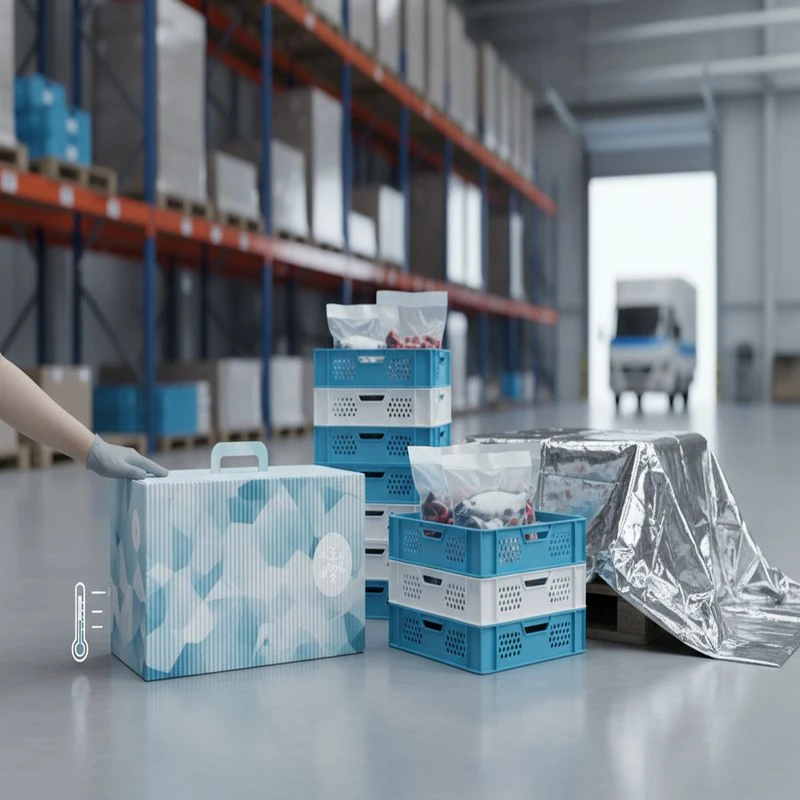
Frozen Packaging
The integrity of your frozen food products begins and ends with their packaging. In the highly competitive United Kingdom market, where consumer expectations for quality and convenience are continually rising, selecting the correct frozen packaging is not merely a logistical necessity but a fundamental pillar of brand reputation and operational success. The immediate takeaway is clear: bespoke packaging solutions designed specifically for frozen applications are essential for safeguarding product quality, extending shelf life, and ensuring customer satisfaction from the factory to the freezer. Without a robust and appropriate packaging strategy, businesses risk freezer burn, physical damage, and undesirable thawing, all of which compromise the sensory attributes and safety of the food.
Understanding the unique challenges of frozen food packaging is crucial. When products are frozen, the water content turns to ice, which can expand and exert pressure on packaging materials. Furthermore, low temperatures can make many plastics brittle, leading to cracks or punctures during handling. The primary reasoning behind custom frozen packaging is to counteract these inherent challenges. This involves selecting materials that maintain their flexibility and strength at sub-zero temperatures, possess excellent barrier properties to prevent moisture loss (which causes freezer burn), and can withstand the rigours of transit and storage. From a consumer perspective, easy-to-open, re-sealable, and microwave-safe options add significant value, reflecting a brand’s commitment to convenience. For instance, IQF (Individually Quick Frozen) vegetables benefit immensely from stand-up pouches with strong zippers, offering visibility and ease of storage. Ready meals, on the other hand, demand oven or microwave-safe trays that can go from freezer to oven without needing to be transferred.
To implement an effective frozen packaging strategy, businesses should take several actionable steps. Firstly, conduct a thorough assessment of your product’s specific needs, considering its moisture content, shape, and intended shelf life. Secondly, explore various material options: multi-layer films offer superior barrier protection and flexibility, while rigid cartons often provide better stacking strength and printability for brand messaging. Consider innovative solutions like Modified Atmosphere Packaging (MAP) for certain frozen goods, which can further extend freshness upon thawing. A potential pitfall is overlooking the environmental impact; non-recyclable or single-use plastics are increasingly scrutinized by UK consumers and regulators. The solution involves exploring eco-friendly alternatives such as recyclable mono-materials, compostable films, or packaging made from recycled content, ensuring that sustainability is integrated into your packaging design from the outset. Another common pitfall is inadequate seal integrity, leading to air ingress and freezer burn. Investing in high-quality sealing technology and rigorous quality control checks during production can mitigate this. For example, induction sealing for tubs of frozen desserts creates a tamper-evident and hermetic seal, protecting product quality and consumer trust.
Ultimately, custom frozen packaging is an investment that pays dividends in product quality, brand perception, and compliance with stringent UK food safety standards. It ensures that your frozen culinary creations arrive in the hands of consumers exactly as intended – fresh, safe, and delicious.
Insulated Design
Maintaining a consistent temperature for frozen goods throughout their journey from production to the end-user is absolutely critical, and the efficacy of your cold chain largely hinges on superior insulated design. The immediate takeaway is that investing in meticulously engineered insulated packaging and solutions is non-negotiable for preserving product quality, ensuring food safety, and meeting the stringent regulatory requirements prevalent in the United Kingdom market. A well-designed insulated system acts as the frontline defense against temperature excursions, which can lead to product degradation, spoilage, and significant financial losses. Without robust insulation, even the most advanced temperature-controlled transport can experience vulnerabilities, especially during crucial transfer points or unforeseen delays in the supply chain.
The core reasoning behind prioritizing insulated design is the need to create a stable microclimate around the frozen product, independent of external ambient conditions. Different insulation materials possess varying thermal resistance properties, and their selection must be aligned with the specific transit duration, external temperature variations, and the temperature sensitivity of the product. Common materials include Expanded Polystyrene (EPS), often recognized as Styrofoam, Polyurethane (PUR) foam, vacuum insulated panels (VIPs), and more sustainable options like recycled paper, wool liners, or hemp-based insulation. Each offers a unique balance of thermal performance, cost, and environmental footprint. For instance, EPS is cost-effective for shorter transit times, while VIPs provide superior thermal performance in a thinner profile, ideal for maximizing payload space in temperature-controlled vehicles or for extremely sensitive goods requiring extended preservation. The design process also encompasses factors like wall thickness, the integrity of seals, and the use of phase change materials (PCMs) or dry ice to provide supplementary cooling and thermal mass.
Implementing an effective insulated design strategy involves several actionable steps. Firstly, conduct a thorough thermal mapping of your supply chain, identifying potential hotspots and vulnerable points where temperature fluctuations are most likely. This will inform the optimal insulation material and thickness required. Secondly, consider the entire packaging system: it’s not just the insulated box, but also how the product is packed within it, the use of void fill, and the integration of cooling elements like gel packs or dry ice. For example, for direct-to-consumer deliveries of frozen desserts, a compact insulated box with tailor-made wool liners and precisely sized gel packs can ensure products remain perfectly frozen for up to 48 hours, even in ambient summer temperatures. For bulk B2B shipments, pallet shippers with robust PUR insulation and active cooling elements might be necessary. A common pitfall is underestimating the impact of thermal bridging – pathways for heat transfer that bypass the insulation, such as through poorly sealed joints or thin material sections. Solutions include designing interlocking components, using thermal break materials, and ensuring comprehensive sealing with high-performance tapes. Furthermore, not validating your insulated packaging solution through real-world testing (e.g., ISTA 7D thermal profiles) is another pitfall. Regular validation ensures the chosen design consistently meets performance expectations under various environmental conditions, providing peace of mind and demonstrating due diligence for UK regulatory compliance.
The table below provides a comparison of common insulation materials used in custom packaging for frozen food, highlighting their key characteristics.
| Insulation Material | Thermal Conductivity (W/mK) | Key Advantages | Key Disadvantages | Best Application (UK Market) |
|---|---|---|---|---|
| Expanded Polystyrene (EPS) | 0.033 – 0.040 | Cost-effective, lightweight, good cushioning, recyclable (where facilities exist). | Bulky, can be brittle at very low temps, moderate thermal performance. | Short-to-medium transit times, direct-to-consumer, cost-sensitive B2B. |
| Polyurethane (PUR) Foam | 0.020 – 0.028 | Excellent thermal performance, high strength-to-weight ratio, thinner walls possible. | Higher cost, less recyclable than EPS, can be rigid. | Longer transit, high-value goods, temperature-sensitive pharmaceuticals. |
| Vacuum Insulated Panels (VIPs) | 0.004 – 0.008 | Outstanding thermal performance, extremely thin profiles, maximizes payload. | Highest cost, fragile (puncture compromises vacuum), shape limitations. | Premium frozen goods, critical cold chain, space-constrained shipments. |
| Recycled Paper/Cardboard (Lined) | 0.045 – 0.060 | Highly sustainable, recyclable, biodegradable, good cushioning. | Lower thermal performance, can absorb moisture, heavier than foam. | Eco-conscious brands, shorter transit, less extreme temperature requirements. |
This table illustrates the diverse options available for insulated design, allowing businesses to select materials based on a careful balance of performance, cost, and environmental objectives. Choosing the right material for your custom packaging for frozen food is a strategic decision that directly impacts the efficacy of your cold chain solutions and overall product integrity in the demanding UK market.
B2B Supply
For businesses operating within the frozen food sector in the UK, optimising the B2B supply chain through custom packaging is a strategic imperative that directly influences operational efficiency, cost reduction, and the seamless delivery of products to clients. The immediate takeaway here is that a well-conceived B2B packaging strategy for frozen foods ensures that products arrive at distribution centres, retailers, or catering facilities in perfect condition, streamlining logistics and bolstering your professional reputation. This approach moves beyond mere protective packaging, embracing solutions that are compatible with automated systems, enhance traceability, and facilitate rapid inventory management.
The reasoning for tailored B2B solutions stems from the unique demands of bulk and wholesale distribution. Unlike individual consumer units, B2B packaging must withstand multiple handling points, varied storage environments, and often greater transit distances within a complex logistics network. This requires robust, stackable, and often modular packaging that maximizes space utilization within refrigerated trucks and freezer warehouses. For instance, a frozen food manufacturer supplying ready meals to a supermarket chain needs custom packaging that fits perfectly onto standard Euro pallets, is easily identifiable, and can endure the rigours of forklift handling without compromise. Unstandardized dimensions or fragile materials can lead to wasted space, increased handling costs, and significant product damage, creating friction in the supply chain and potentially souring client relationships. Furthermore, clear, durable labelling that includes essential information such as batch numbers, expiry dates, and freezing instructions is vital for efficient inventory rotation and compliance with UK food safety regulations.
To effectively implement custom B2B packaging for frozen food, several actionable steps should be taken. Firstly, collaborate closely with your logistics partners and key clients to understand their specific handling, storage, and display requirements. This might involve designing secondary packaging that serves as shelf-ready units, reducing labor costs for retailers. Secondly, prioritize materials that offer superior strength and moisture resistance, such as robust corrugated cardboard with specialised coatings or durable, food-grade plastic trays designed for deep-freeze conditions. Consider features like interlocking designs or integrated handles to improve stability and ease of manual handling. A significant pitfall in B2B supply is using packaging that is not optimised for palletization, leading to unstable loads, inefficient transport, and potential damage. The solution lies in designing packaging that stacks securely without crushing the contents below, often involving internal inserts or robust outer cartons. Another common issue is inadequate labelling or inconsistent barcode placement, which can cause delays at receiving docks and impede automated inventory systems. Implementing GS1-compliant barcodes and clear, concise labelling on all sides of the packaging can drastically improve traceability and efficiency. For example, a supplier of frozen bakery goods might use large, sturdy master cartons, each containing multiple smaller retail-ready units. These cartons would feature prominent, scannable labels, and their dimensions would be precisely calibrated to fit standard pallet configurations, ensuring maximum load efficiency and minimizing transit damage. Regular review and optimization of packaging designs based on feedback from logistical operations can continuously improve efficiency and reduce waste.
Temperature Control
In the cold chain for frozen food, precise temperature control is not merely a best practice; it is a fundamental pillar of product safety, quality, and regulatory compliance within the United Kingdom market. The undeniable takeaway is that any deviation from the optimal freezing temperature range can lead to irreversible product degradation, potential microbial hazards, and significant financial losses due to spoilage or recalls. Businesses must embrace a proactive and data-driven approach to temperature management across every touchpoint of their supply chain, from production to storage and final delivery. Failing to maintain consistent sub-zero temperatures (typically -18°C or colder) undermines consumer trust and can result in severe penalties from regulatory bodies such as the Food Standards Agency (FSA).
The reasoning behind rigorous temperature control is rooted in scientific principles and consumer protection. Freezing dramatically slows down the activity of microorganisms and enzymatic processes that cause spoilage, effectively preserving food quality. However, temperature abuse, even for short durations, can cause ice crystals to melt and refreeze, damaging the cellular structure of food, leading to changes in texture, flavour, and appearance (e.g., soggy vegetables, grainy ice cream). More critically, fluctuating temperatures can allow dormant bacteria to become active. For example, products that thaw even partially and are then refrozen can pose a health risk if pathogenic bacteria have multiplied. This makes constant monitoring and validation of cold chain conditions absolutely paramount. For delicate frozen seafood or high-value prepared meals, maintaining a stable temperature ensures the product’s premium qualities are preserved, meeting the discerning tastes of UK consumers.
To ensure robust temperature control, several actionable steps are essential. Firstly, implement a comprehensive temperature monitoring system using calibrated data loggers or real-time tracking devices that provide continuous visibility into product temperatures during transit and storage. These devices should be placed strategically within the custom packaging for frozen food and refrigerated environments. Secondly, utilize appropriate cooling aids, such as phase change materials (PCMs) designed for frozen temperatures, or dry ice for extremely sensitive or long-distance shipments, ensuring they are correctly sized and placed within the insulated packaging. Thirdly, establish strict standard operating procedures (SOPs) for loading, unloading, and cross-docking, minimizing the time products spend outside of temperature-controlled environments. A common pitfall is relying on anecdotal evidence or infrequent spot checks rather than continuous data. Solution: Invest in IoT-enabled temperature sensors that provide alerts for excursions and detailed historical data for analysis and improvement. Another pitfall is inadequate pre-cooling of products and vehicles before shipment, which can lead to rapid temperature rises at the start of transit. Solution: Ensure products are at their target frozen temperature prior to loading and that vehicles are pre-chilled to the correct set point. Regular audits of cold storage facilities and transport partners are also crucial for identifying and rectifying any weak links in the chain. For instance, a frozen meat supplier might employ a system where each pallet of custom packaged cuts is equipped with a single-use temperature logger, which is then downloaded upon arrival at the distribution centre to verify that the entire journey remained within the specified temperature range, providing verifiable proof of cold chain integrity.
| Monitoring Parameter | Typical Range (Frozen Food) | Monitoring Frequency | Purpose in Custom Packaging & Cold Chain |
|---|---|---|---|
| Product Core Temperature | -18°C to -25°C | Continuous during transit/storage; spot checks at loading/unloading. | Direct indicator of product safety & quality; confirms freezing point. |
| Ambient Air Temperature (Packaging) | -18°C to -22°C (within insulated packaging) | Continuous during transit. | Verifies efficacy of insulated design and cooling aids. |
| Vehicle/Warehouse Temperature | -18°C to -22°C | Continuous; alarms for deviations. | Ensures the primary refrigeration system is operating correctly. |
| Humidity (Less Critical for Frozen) | N/A (Generally low in frozen environments) | Occasional checks (if product sensitive to frost formation). | Indicates potential for freezer burn or condensation issues. |
This table outlines the essential parameters for effective temperature control within the frozen food cold chain. Monitoring these elements diligently, especially product and ambient air temperatures within custom packaging, provides actionable insights to prevent temperature excursions and ensures that all frozen food products remain safe and high-quality for the UK market.
Durability
The relentless journey of frozen food, from the production line through various handling stages, transit, storage, and finally to the consumer’s basket in the UK, demands packaging with unyielding durability. The immediate takeaway is that investing in custom packaging for frozen food designed for extreme resilience is paramount. This ensures products are shielded from physical damage and environmental stressors, directly protecting your brand’s reputation, minimizing costly waste, and safeguarding your bottom line. Frozen products, inherently brittle at low temperatures, are particularly susceptible to impact, compression, and abrasion, making robust packaging a non-negotiable requirement.
The core reasoning behind prioritizing durability in frozen food packaging lies in mitigating the numerous risks encountered throughout the supply chain. At sub-zero temperatures, many packaging materials become less flexible and more prone to cracking or shattering upon impact. Consider a carton of frozen chips: if the cardboard isn’t treated to withstand moisture, it will weaken when exposed to condensation during transit or at the retail freezer door, leading to collapse and product damage. Likewise, a plastic pouch for frozen berries needs high puncture resistance to survive rubbing against other packages or sharp edges during automated sorting. Without adequate durability, products can suffer from crushed contents, torn packaging, or compromised seals, leading to freezer burn, contamination, and ultimately, unsaleable goods. This not only results in financial losses from damaged inventory but also erodes consumer trust and brand loyalty, as nobody wants to purchase a visibly compromised product. The UK’s dynamic retail environment, with varying handling practices and diverse logistics partners, necessitates a packaging solution that can consistently perform under stress.
To implement a highly durable custom packaging strategy for frozen food, several actionable steps are crucial. Firstly, meticulously select materials with proven cold-flex properties, high tear strength, and excellent puncture resistance. This might involve multi-layer films that combine the best attributes of different polymers, or corrugated cardboard treated with specialised coatings to enhance moisture resistance and wet strength. Secondly, the structural design of the packaging is as important as the material. For example, reinforced corners, internal supports, and intelligent void fill can significantly improve stackability and impact absorption. Consider how your packaging will perform under compression when palletized, ensuring that bottom layers aren’t crushed. A common pitfall is failing to conduct rigorous real-world testing; theoretical material specifications don’t always translate to practical performance. Solutions include conducting comprehensive drop tests, vibration tests, and compression tests in controlled cold environments, simulating the actual stresses of your cold chain. Another pitfall is overlooking seal integrity, especially when packaging is exposed to extreme cold; weak seals can become brittle and break, exposing the product. Invest in high-quality sealing technologies and conduct peel strength tests to ensure seals remain robust throughout the product’s life cycle. For instance, a frozen pizza manufacturer might opt for a sturdy, virgin fiber carton with a poly-coated interior and strong, adhesive-sealed flaps. This design ensures the pizza is protected from physical impacts, resists moisture absorption from frost, and maintains its structural integrity even when stacked high in a freezer display unit. Continuously evaluating packaging performance in the field and adapting designs based on feedback is key to achieving optimal durability and longevity for your custom packaging for frozen food.
| Packaging Material Type | Key Durability Properties for Frozen Use | Common Applications (UK Market) | Potential Pitfalls & Solutions |
|---|---|---|---|
| Flexible Films (e.g., PET/PE laminates) | High puncture/tear resistance, cold-flex, barrier properties. | Frozen vegetables, fruits, poultry, seafood, ready meals (pouches). |
|
| Rigid Plastics (e.g., PP, HDPE) | Impact resistance, rigidity, good stackability, chemical inertness. | Ice cream tubs, ready meal trays, bulk containers for ingredients. |
|
| Coated Paperboard/Cartons | Stacking strength, printability, moisture resistance (with coating). | Frozen pizzas, bakery items, cartons for multi-packs. |
|
| Corrugated Cardboard (B2B Bulk) | High compression strength, cushioning, stackability. | Bulk frozen goods, master cartons for retail packs. |
|
This table provides a focused overview of how different packaging materials address durability challenges specifically for custom packaging for frozen food in the UK market. Understanding these properties and their associated solutions is crucial for designing packaging that not only protects the product but also withstands the rigors of the cold chain, ensuring consistent quality and reduced waste.
