
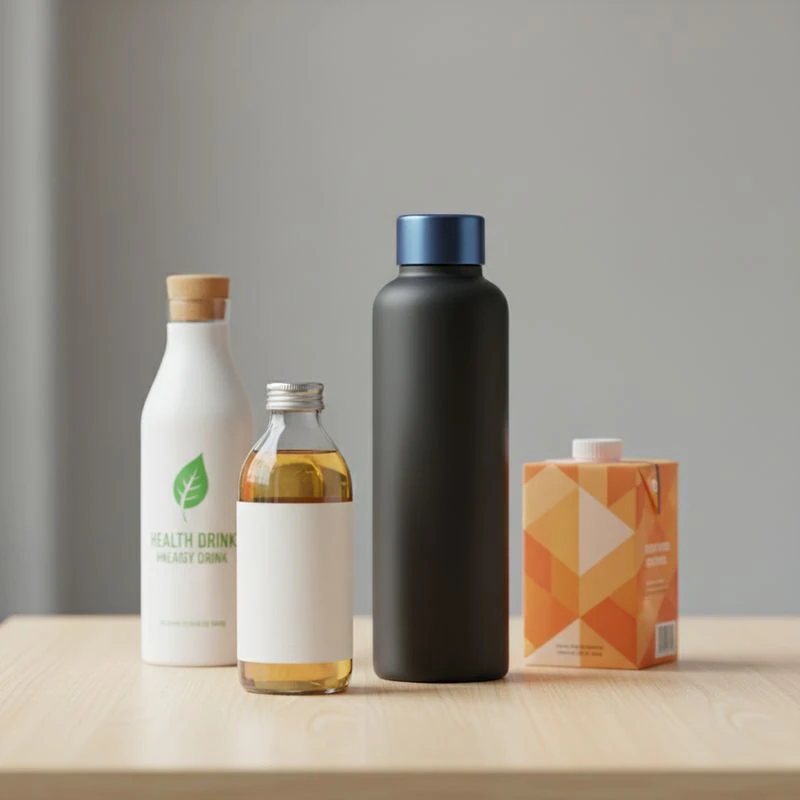
Drink Packaging
In the vibrant and highly competitive United Kingdom market, the role of effective drink packaging transcends mere containment; it is a critical differentiator that can make or break a product’s success. For health drink and energy brands, where consumer choices are often driven by perception, values, and immediate visual appeal, custom packaging is not just an option—it’s an absolute necessity. Your packaging is the first point of contact, a silent salesperson on a crowded shelf, and the tactile embodiment of your brand’s promise. It communicates everything from the product’s quality and ingredients to its sustainability credentials and target demographic, all before a single sip is taken. Investing strategically in custom packaging allows brands to carve out a unique identity, resonate deeply with their target audience, and ultimately, convert curious shoppers into loyal customers in a market brimming with innovation and strong competitors.
The reasoning behind this imperative lies in the psychological impact of packaging. Consumers in the UK are increasingly discerning, not just about what they consume, but how it’s presented. A generic, uninspired design can suggest a lack of care or premium quality, regardless of the product’s actual excellence. Conversely, thoughtfully designed custom packaging for health drink and energy brands instills confidence, signals quality, and tells a compelling story. For a health drink, this might mean clean, minimalist designs that convey natural purity and wellness. For an energy drink, it could be bold, dynamic graphics and ergonomic shapes that evoke power and performance. Moreover, with the rise of social media, aesthetically pleasing packaging becomes shareable content, extending your brand’s reach organically. Navigating the regulatory landscape for food and beverage in the UK also necessitates precise packaging that can clearly display nutritional information, allergen warnings, and origin details, ensuring compliance while maintaining design integrity.
To execute effective custom packaging, brands should begin by deeply understanding their core consumer base in the UK. What are their values? What lifestyles do they lead? What emotions do they associate with your product? This insight will inform every design decision, from colour palettes and typography to material selection and structural form. A health drink targeting eco-conscious millennials, for example, might benefit from recycled materials and earthy tones, communicating sustainability and natural goodness. An energy drink for athletes might leverage high-contrast colours, metallic finishes, and a robust, grippable bottle. Furthermore, consider the journey of your product: from manufacturing and transportation to shelf display and consumer interaction. Does the packaging protect the product adequately? Is it stackable for efficient storage? Does it stand out on the shelf in a way that aligns with your brand’s personality? Collaborating with experienced packaging designers who understand the specific nuances of the UK market, including local trends and regulatory requirements, can provide invaluable guidance. Prototyping and conducting consumer focus groups are also critical steps to test designs and gather feedback before committing to full-scale production, mitigating potential pitfalls like designs that fail to resonate or packaging that is impractical in real-world scenarios. The goal is to create a holistic custom packaging solution that not only protects and presents your product but also powerfully reinforces your brand’s message and connects with consumers on an emotional level.
Bottle Design
The bottle design for health and energy drinks in the UK market is far more than just a vessel; it’s a tactile brand ambassador, an ergonomic tool, and a crucial element in consumer engagement. In a competitive landscape where shelf appeal is paramount, an innovative and distinctive bottle design serves as a powerful differentiator, commanding attention and communicating brand identity at a glance. Consumers interact physically with the bottle long before they taste the product, making its shape, texture, and overall feel integral to the perceived value and experience. A well-designed bottle enhances user experience, from ease of opening and comfortable grip to re-sealability and portability, directly influencing repeat purchases and fostering brand loyalty. Therefore, brands must invest significantly in creating custom packaging designs that are not only visually striking but also functionally superior and aligned with their core values.
The reasoning for this emphasis on design stems from both aesthetic and practical considerations. Visually, a unique bottle shape can instantly break through the clutter of similar products, making your health drink or energy beverage memorable. Think about iconic beverage bottles that are recognisable even without a label – this is the power of distinctive design. Functionally, a bottle’s ergonomics play a huge role. Is it easy to hold during a workout, or comfortable to carry in a bag? Does the cap provide a secure seal without being difficult to open? These small details contribute significantly to consumer satisfaction. Moreover, the material choice for the bottle directly impacts its design possibilities, sustainability profile, and cost. For instance, glass might convey a premium, natural feel for a health shot, while rPET (recycled PET) plastic offers flexibility and a strong sustainability message for a larger energy drink format. Understanding the interplay between material science, manufacturing capabilities, and design aesthetics is crucial to creating effective custom packaging that stands out and performs optimally.
To embark on creating an impactful bottle design, start with a clear vision of your brand’s personality and target consumer. Begin with sketching and conceptualization, exploring various shapes, sizes, and textures that could embody your brand. Move into 3D modeling to visualize designs from all angles and assess their ergonomic qualities. Consider features such as integrated grips, unique neck finishes, or even embossed brand elements directly on the bottle for a truly premium feel. Take into account the practicalities of manufacturing: can the design be produced efficiently and cost-effectively? Will it fit existing filling lines, or require new tooling? Potential pitfalls include designing a bottle that is aesthetically pleasing but impractical to hold, prone to tipping, or prohibitively expensive to produce. To avoid this, engage with packaging engineers and manufacturers early in the design process. They can provide valuable insights into material limitations, structural integrity, and production feasibility. User testing with physical prototypes is indispensable to gather real-world feedback on grip, pourability, and overall user experience. Furthermore, integrating sustainable design principles from the outset, such as designing for lighter weight or improved recyclability, can align your brand with growing consumer expectations in the UK for eco-friendly products. The ultimate goal for custom packaging through thoughtful bottle design is to create a seamless, positive experience that reinforces your brand’s message with every interaction.
| Bottle Design Element | Description & Purpose | Impact on Custom Packaging for Health Drink and Energy Brands |
|---|---|---|
| Ergonomics & Shape | Refers to how comfortable and easy the bottle is to hold, open, and pour. Unique shapes create distinct brand identity. | Enhances user experience, improves brand recognition, allows for differentiation on crowded shelves. A comfortable grip encourages repeat purchase. |
| Material Choice | Selection of plastic (rPET, PET, HDPE), glass, or aluminum. Influences feel, weight, clarity, and sustainability. | Affects product preservation, perceived quality (e.g., glass for premium), recyclability, and overall cost. Crucial for sustainability messaging. |
| Cap & Closure System | The type of cap (screw, sport, tamper-evident) and how it integrates with the bottle’s neck design. | Ensures product safety and freshness, contributes to user convenience (e.g., resealable for energy drinks), and can add a functional design element. |
| Branding Integration | Incorporating brand elements directly into the bottle mould (embossing/debossing) or through unique structural features. | Strengthens brand identity beyond the label, creates a premium feel, and makes the bottle inherently recognisable even without a label. |
This table outlines critical considerations when developing a custom bottle design for health and energy drinks. Each element, from how a bottle feels in the hand to the material it’s made from, plays a significant role in creating custom packaging that not only stands out but also provides a superior user experience. Brands must meticulously evaluate these factors to ensure their bottle design effectively communicates their brand values and meets consumer expectations in the dynamic UK market.
B2B Branding
While the aesthetic appeal of custom packaging to the end consumer is undeniably crucial, its role in B2B branding for health drink and energy brands in the UK market is equally, if not more, strategic. Your product’s packaging doesn’t just need to catch the eye of a shopper; it first needs to impress retailers, distributors, and supply chain partners. Effective B2B branding through packaging ensures that your product is not only desirable to consumers but also profitable, practical, and appealing for businesses to stock and promote. This encompasses everything from the outer cases and shrink-wrap designs to point-of-sale (POS) materials and the logistical efficiency embedded within the packaging structure itself. Building strong B2B relationships through well-considered custom packaging accelerates market penetration and secures valuable shelf space.
The reasoning behind prioritizing B2B branding in packaging is multifaceted. Retailers, whether large supermarkets or independent health food stores, evaluate products based on factors like shelf velocity, merchandising ease, logistical costs, and perceived value to their own customer base. Packaging that is difficult to stack, prone to damage, or lacks clear product information for inventory management can be a significant deterrent. Conversely, custom packaging for health drink and energy brands designed with B2B needs in mind can become a powerful tool. Outer packaging, for instance, should clearly display product information, barcodes, and branding, simplifying inventory and restocking processes. Eye-catching display units that are easy to assemble and position at the point of sale can entice retailers by demonstrating a clear merchandising strategy and potential for increased sales. Consistent branding across all packaging touchpoints, from individual bottles to multi-packs and shipping crates, reinforces professionalism and commitment to quality, building trust with business partners.
To implement effective B2B branding through custom packaging, begin by understanding the specific requirements and challenges of your distribution channels in the UK. Engage with potential retailers and distributors to gather insights on what makes a product easy to stock, display, and sell. Consider designing multi-pack formats that offer convenience for consumers while also being optimised for bulk shipping and retail display. The outer packaging, such as cardboard trays or cases, should be robust enough to protect the product during transit but also feature clear, engaging branding that makes your product stand out even before it’s unpacked. Think about how the custom packaging will look in a wholesale environment, not just on a single retail shelf. Provide clear, concise product information on all layers of packaging, including nutritional data, allergen information, and any certifications (e.g., organic, vegan), as this aids both retailers and consumers. Develop high-quality point-of-sale (POS) materials that are consistent with your product’s branding and can be easily deployed in stores to highlight your product’s unique selling propositions. A potential pitfall is overlooking the practicalities for retailers, leading to products that are a logistical headache or fail to perform on the shelf. To avoid this, conduct thorough supply chain audits and engage in pilot programmes with key retailers to test packaging efficiency and merchandising effectiveness. Ultimately, custom packaging that addresses both consumer desires and business operational needs demonstrates a comprehensive understanding of the market, fostering stronger B2B relationships and paving the way for sustained growth.
Material Innovation
The choice of material for custom packaging for health drink and energy brands in the UK market is no longer a peripheral decision; it’s a central pillar of brand identity, product integrity, and corporate responsibility. With an increasingly environmentally conscious consumer base and evolving regulatory pressures regarding plastics and waste, material innovation has become a vital strategic imperative. Brands that proactively embrace sustainable and innovative packaging materials are not only meeting market demand but also positioning themselves as forward-thinking leaders. The right material can enhance product preservation, extend shelf life, reduce transportation costs through lightweighting, and, crucially, communicate a brand’s commitment to sustainability, significantly influencing consumer perception and purchasing decisions.
The reasoning behind this material focus is twofold: environmental impact and consumer expectation. UK consumers are increasingly prioritizing eco-friendly products, and packaging plays a massive role in their perception of a brand’s green credentials. Studies consistently show a willingness to pay more for sustainable options. Furthermore, government initiatives and regulations, such as the Plastic Packaging Tax, are driving brands towards more recyclable, recycled-content, or compostable solutions. Beyond sustainability, the material must also perform its primary function: protecting the health or energy drink effectively. It needs to be compatible with the product’s ingredients, maintain taste and freshness, and withstand the rigours of the supply chain. Different materials offer varying barrier properties against oxygen, light, and moisture, all critical for maintaining product quality. Balancing these protective qualities with sustainability goals and cost-effectiveness presents a significant challenge but also a huge opportunity for innovation in custom packaging.
To navigate the landscape of material innovation, brands should begin by conducting a comprehensive life cycle assessment (LCA) of their current packaging to identify environmental hotspots. This provides a data-driven approach to understanding the true impact of their materials. Researching and adopting alternatives like rPET (recycled PET), which significantly reduces the carbon footprint compared to virgin PET, is a strong step for many plastic-bottled products. Glass, while heavier, offers a premium feel and is infinitely recyclable, making it suitable for high-end health drinks. Aluminum cans are another excellent choice, being lightweight, highly recyclable, and providing a robust barrier. Beyond these common options, explore emerging innovations such as plant-based plastics (e.g., PLA from corn starch, sugarcane-derived plastics) or even compostable films for secondary packaging. A key actionable step is to partner closely with material suppliers and packaging manufacturers who specialize in sustainable solutions and can advise on the feasibility, cost implications, and regulatory compliance of various options. Avoid the pitfall of “greenwashing” – making unsubstantiated environmental claims. Be transparent about your material choices and any sustainability goals. Clearly communicate the recyclability or compostability instructions on your custom packaging to empower consumers to dispose of it correctly. Thorough testing of new materials is paramount to ensure they meet product safety standards, maintain shelf life, and perform well throughout the supply chain. By embracing material innovation, health drink and energy brands in the UK can significantly enhance their brand image, meet consumer demands, and contribute positively to environmental stewardship.
| Packaging Material | Sustainability Profile (UK Context) | Key Advantages for Custom Packaging | Potential Considerations |
|---|---|---|---|
| rPET (recycled PET) | High recyclability; significant reduction in virgin plastic use and carbon footprint. Widely accepted in UK recycling schemes. | Lightweight, clear for product visibility, versatile in design, strong narrative for circular economy in health drink and energy brands. | Limited availability of food-grade rPET; can be more expensive than virgin PET. |
| Glass | Infinitely recyclable; inert material (no chemical leaching). Premium perception. | Excellent product preservation, luxurious feel for premium health drinks, strong brand image for natural/organic products. | Heavier (higher transport costs & carbon footprint), fragile, requires specific recycling infrastructure. |
| Aluminum Cans | Highly recyclable (often closed-loop); lightweight and durable. Excellent barrier properties. | Ideal for energy drinks due to robustness, rapid chilling, full surface for branding, widely recycled in UK. | Can dent; opaque (product not visible); consumer preference for cans vs. bottles varies. |
| Plant-based Plastics (e.g., PLA) | Derived from renewable resources; some are compostable (industrial). | Innovative, strong eco-friendly message, can offer similar aesthetics to traditional plastics for custom packaging. | Often require industrial composting facilities (limited in UK), higher cost, may have lower barrier properties. |
This comparative analysis highlights the diverse range of materials available for custom packaging for health drink and energy brands in the UK. Each material presents a unique set of advantages and challenges, particularly concerning sustainability, cost, and brand perception. Choosing the right material involves a careful balancing act to align with brand values, meet consumer expectations for eco-friendliness, and ensure product integrity from production to consumption.
Labelling
The label on your health drink or energy brand in the UK is far more than just an adhesive piece of paper; it is a meticulously crafted piece of custom packaging that serves as your product’s identification card, legal compliance document, and a miniature billboard all rolled into one. In a market governed by stringent food and beverage regulations and driven by informed consumer choices, effective labelling is absolutely critical. It’s the primary vehicle for communicating essential information, reinforcing brand identity, and ultimately, guiding purchasing decisions. A well-designed label not only captures attention but also builds trust, providing transparency about what’s inside the bottle and why it’s the right choice for the consumer.
The reasoning behind the paramount importance of labelling is rooted in both legal necessity and strategic marketing. In the UK, food and beverage products are subject to comprehensive labelling laws, including requirements for nutritional information, ingredient lists (with allergens highlighted), best-before dates, and country of origin. Non-compliance can lead to hefty fines, product recalls, and severe damage to brand reputation. Beyond legalities, the label is a powerful storytelling tool. It allows health drink and energy brands to convey their unique selling propositions, brand values, and product benefits in a concise and compelling manner. For a health drink, this might mean highlighting organic certifications, key vitamins, or natural ingredients with a clean, trustworthy design. For an energy drink, it could involve bold typography, vibrant colours, and clear call-outs for performance-enhancing compounds. The choice of label material, print quality, and special finishes (like embossing or foiling) further contributes to the perceived premiumness and overall custom packaging experience, directly influencing how a brand is perceived on the shelf.
To ensure your labelling is both compliant and compelling, start with a thorough understanding of current UK food and beverage labelling regulations, which often align closely with EU standards but have specific national nuances. Partner with legal experts or consultants specializing in food labelling to review your designs and content for accuracy and compliance. From a design perspective, prioritize clarity and readability. Essential information, such as product name, volume, and key benefits, should be immediately visible. For ingredients and nutritional panels, ensure legible fonts and sufficient contrast. Consider incorporating QR codes on your custom packaging that link to more detailed information, such as sourcing stories, sustainability reports, or even interactive health and fitness tips, providing added value without cluttering the physical label. Pitfalls include cluttered designs that overwhelm the consumer, inaccurate or non-compliant information, and poor print quality that detracts from the product’s perceived value. To avoid these, engage professional graphic designers experienced in food and beverage packaging, conduct thorough proofreading, and always request high-quality print samples from your label supplier. Investing in premium label materials and finishes, such as matte laminates, soft-touch coatings, or spot UV varnish, can elevate the entire custom packaging, creating a tactile and visually appealing experience that resonates with consumers and reinforces your brand’s commitment to quality. Consistency across your entire product range is also vital, ensuring a cohesive brand identity that consumers can easily recognize and trust.
