
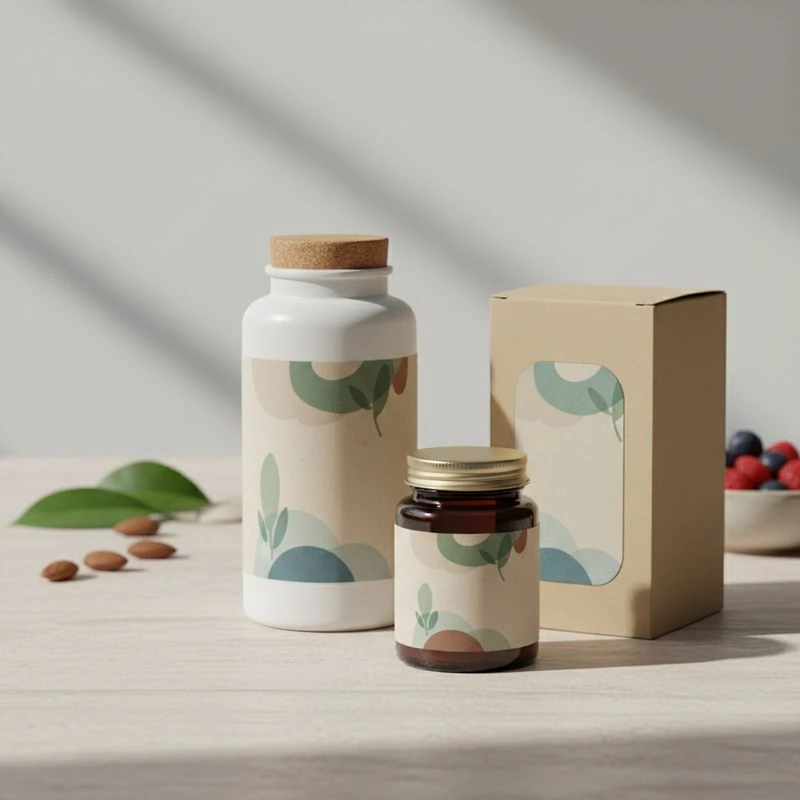
In the vibrant and ever-growing United Kingdom market for health supplements and vitamins, standing out is no longer a luxury; it’s a necessity. Consumers are increasingly discerning, seeking not just efficacy but also transparency, trustworthiness, and a clear brand identity. This is where custom packaging for health supplements and vitamins becomes your most powerful silent salesperson. It’s the first physical interaction a potential customer has with your brand, and it dictates much of their perception long before they even open the product. Beyond mere aesthetics, custom packaging is critical for product protection, regulatory compliance, and communicating your brand’s unique story and values in a crowded retail landscape. Ignoring the strategic importance of your packaging means leaving significant opportunities on the table, risking your product getting lost amongst generic alternatives. Savvy brands understand that investing in thoughtful, custom packaging is an investment in their market share, consumer loyalty, and long-term success in the UK.
Supplement Packaging
In the highly competitive UK health and wellness sector, your supplement packaging is far more than just a container; it’s a crucial differentiator and a direct extension of your brand’s promise. The key takeaway here is that expertly designed custom packaging for health supplements and vitamins is indispensable for capturing consumer attention and fostering trust. The reasoning is straightforward: UK consumers are increasingly health-conscious but also bombarded with choices. Generic or poorly designed packaging simply won’t cut through the noise, nor will it inspire confidence in a product meant to improve well-being. Effective packaging ensures the integrity of your product, protecting it from light, moisture, and contamination, which is paramount for maintaining the efficacy and shelf life of sensitive ingredients. Moreover, it serves as the primary medium for communicating vital information, from ingredient lists and dosage instructions to compelling health claims and brand narratives, all while adhering to the stringent regulatory landscape of the United Kingdom.
To achieve this, there are several actionable steps to consider. Firstly, material selection is paramount. You might choose robust cardboard for secondary packaging, offering ample space for information and branding, or opt for glass bottles for a premium feel and excellent barrier properties, especially for liquids or sensitive ingredients. PET or HDPE plastics offer lightweight, durable, and often recyclable options for tablets and capsules. The choice should align with your product’s specific needs (e.g., UV protection, oxygen barrier) and your brand’s sustainability goals, as eco-friendly packaging resonates strongly with the modern UK consumer. Secondly, focus on functionality and safety. This includes incorporating child-resistant closures where appropriate, tamper-evident seals for consumer reassurance, and designs that are easy for the end-user to open and dispense. Thirdly, master the information hierarchy. Ensure that critical information such as product name, dosage, active ingredients, warnings, and expiry dates are immediately visible and legible, complying with UK Food Standards Agency (FSA) and Medicines and Healthcare products Regulatory Agency (MHRA) guidelines. Finally, leverage your packaging for brand storytelling. Use colours, typography, and imagery to convey your brand’s ethos – whether it’s natural, scientific, luxurious, or value-driven. A brand specialising in organic, plant-based supplements, for instance, might use earthy tones, recycled materials, and botanical illustrations to reinforce its natural credentials, while a high-performance sports nutrition brand might opt for bold, metallic accents and dynamic graphics.
A common pitfall is underestimating the complexity of UK regulations, leading to non-compliant packaging that requires costly recalls or market withdrawal. The solution is to partner with packaging specialists who possess in-depth knowledge of current FSA and MHRA guidelines, ensuring all mandatory information, health claims, and allergen declarations are correctly presented. Another challenge is failing to differentiate in a crowded market, resulting in products that blend into the background. The remedy involves investing in unique structural designs or innovative finishes like spot UV, embossing, or soft-touch coatings that create a tactile and visually appealing experience. For instance, a small, independent vitamin brand could distinguish itself by using bespoke-shaped bottles or uniquely textured labels that hint at the premium quality inside. Remember, effective custom packaging for health supplements and vitamins is not an expense but a strategic investment that safeguards your product, builds consumer confidence, and ultimately drives sales in the discerning UK market.
Bottle Boxes
When it comes to custom packaging for health supplements and vitamins, particularly those housed in bottles, the humble bottle box plays a surprisingly pivotal role. The immediate takeaway is that custom bottle boxes are an essential component, offering superior protection, expanding branding opportunities, and significantly enhancing perceived product value on the retail shelf. This reasoning stems from several critical factors. Firstly, many supplements, especially liquid formulations or those in glass containers, are fragile. A sturdy bottle box provides vital cushioning against impacts during transit and handling, drastically reducing breakage and product loss. This isn’t just about saving costs; it’s about ensuring your customers receive their products in perfect condition, reflecting positively on your brand’s quality control. Secondly, bottles themselves often have limited surface area for information. A well-designed box provides expansive real estate for detailed ingredient lists, comprehensive usage instructions, multi-language warnings (crucial for diverse UK demographics or potential export), QR codes linking to further product information, and compelling marketing messages that wouldn’t fit on the bottle label alone. Thirdly, the presentation aspect cannot be overstated. A premium bottle box elevates the perceived value of the supplement, turning a basic transaction into a more luxurious or thoughtful purchase experience, which is particularly effective for high-end or gift-oriented products.
To leverage bottle boxes effectively, several actionable steps should be taken. Start with material selection; folding carton board is excellent for its printability and versatility, allowing for high-quality graphics and various finishes. For heavier bottles or those requiring extra protection, a micro-flute corrugated board might be more suitable. Consider the structural design: should it have internal fitments or inserts to cradle the bottle securely? Are there hang tabs needed for retail display, or a unique opening mechanism that enhances the user experience? Next, integrate your artwork seamlessly. Ensure the design on the bottle box complements or mirrors the bottle label, creating a cohesive visual identity. This consistency reinforces brand recognition. Finally, think about sustainability. Many UK consumers prioritise eco-friendly options, so using recycled board, vegetable-based inks, or a design that minimises material waste can be a significant selling point. For example, a brand selling probiotics might use a box made from recycled kraft paper, printed with minimalist designs and earthy tones, aligning with its natural health ethos.
A common pitfall is designing a generic box that adds little to the product’s appeal or protection, essentially just a cardboard sleeve. The solution lies in investing in bespoke structural design and high-quality finishes. For instance, a brand could use a soft-touch laminate on its box for a tactile, luxurious feel, combined with spot UV varnish to highlight key benefits or the brand logo, immediately drawing the eye. Another challenge is not utilising the box’s full potential for information dissemination, especially for legally required details. The remedy is to strategically map out all necessary information, ensuring legibility and compliance, while still leaving space for compelling marketing copy. Imagine a brand of specialised children’s vitamins; their bottle box could feature engaging characters and bright colours on the outside, while the inside panels contain detailed nutritional information for parents, alongside child-safety warnings. This comprehensive approach ensures that the custom packaging for health supplements and vitamins not only protects but also powerfully promotes your product.
| Bottle Box Material Type | Key Features | Ideal Use Case for Custom Packaging for Health Supplements and Vitamins | Pros | Cons |
|---|---|---|---|---|
| Folding Carton (SBS/FBB) | Smooth surface, excellent printability, variable thickness. | Standard pill/capsule bottles, premium small liquids, cosmetic-grade supplements. | High-quality graphics, wide range of finishes (embossing, foil), cost-effective for high volumes. | Less protective for very heavy/fragile items, susceptible to crushing without inserts. |
| Micro-Flute Corrugated | Thin corrugated layer, good cushioning, rigid structure. | Heavier glass bottles, multi-bottle packs, items requiring enhanced protection during transit. | Superior protection, good stackability, can withstand more impact. | Slightly coarser print surface than folding carton, higher material cost. |
| Recycled Kraft Board | Natural brown finish, often uncoated, rustic texture. | Eco-friendly brands, organic supplements, natural health products. | Sustainable image, unique aesthetic, can be cost-effective. | Limited colour vibrancy in printing, less smooth finish, may require specific design adaptations. |
This table outlines common bottle box material types, providing a quick reference for selecting the most appropriate option when designing custom packaging for health supplements and vitamins. Each material offers distinct advantages and disadvantages in terms of aesthetics, protection, and cost, allowing brands to make informed decisions that align with their product’s needs and market positioning. Understanding these differences is crucial for creating packaging that is both functional and visually appealing to the UK consumer.
B2B Label Printing
For any health supplement or vitamin brand operating at scale in the UK, the efficiency and accuracy of B2B label printing are absolutely foundational. The core takeaway here is that high-volume, precision label printing is critical for ensuring compliance, maintaining brand consistency, and streamlining operations for your custom packaging for health supplements and vitamins. The reasoning is multifaceted: when you’re dealing with larger orders for distributors, pharmacies, or white-label clients, even minor errors on a label can have massive repercussions, from costly product recalls to significant legal penalties, especially given the stringent UK regulatory environment (e.g., FSA, MHRA guidance). Effective B2B printing ensures that every single label, across thousands or even millions of units, adheres precisely to legal requirements for ingredient lists, allergen declarations, dosage instructions, and health claims. Furthermore, it guarantees unwavering brand consistency, meaning your logo, colours, and typography look identical whether the product is destined for a major supermarket chain or an independent health food store. This level of consistency builds trust and reinforces brand identity across all touchpoints, which is vital in a competitive market.
To execute successful B2B label printing, several actionable steps are essential. Firstly, select the appropriate printing technology: digital printing is excellent for shorter runs, variable data (like batch numbers and expiry dates), and rapid turnaround times, offering flexibility and cost-effectiveness for diversified product lines. Flexographic printing, on the other hand, excels in very high volumes, offering lower per-unit costs once setup, and is ideal for long runs of a single label design. Secondly, pay close attention to material and adhesive selection. The label stock (paper, film, clear) must be compatible with your bottle material (glass, PET, HDPE) and durable enough to withstand the product’s lifespan, environmental conditions (e.g., moisture in bathrooms), and potential scuffing during transit. The adhesive must be strong enough to prevent peeling but also consider if a removable label is desired for specific applications. Thirdly, implement robust proofing and quality control processes. This involves meticulous checks of artwork, text, barcodes, and colour accuracy before and during production to catch any discrepancies that could lead to non-compliance or brand damage. Finally, cultivate a strong partnership with your B2B label printing supplier. Choose a printer with proven experience in the health and supplement industry, who understands UK regulatory requirements, and can offer expert advice on materials, finishes, and production efficiencies. For example, a contract manufacturer might rely on a printer capable of integrating variable data for different client brands on the same print run, streamlining their own production schedule.
A common pitfall in B2B label printing is a lack of flexibility, making it difficult to adapt to evolving regulations or product variations without incurring significant costs. The solution is to work with printers who offer digital capabilities and have systems in place for quick artwork amendments. Another challenge can be inconsistent colour matching across large batches or different print runs. This can be mitigated by utilising standardised colour management systems (like Pantone Matching System – PMS) and ensuring your printer has strict quality control protocols in place. For instance, a large nutraceutical brand selling a range of vitamins could ensure colour consistency across all its custom packaging for health supplements and vitamins by providing precise PMS codes for every element of its branding, thereby maintaining a unified visual identity no matter where or when the labels are printed. By meticulously managing B2B label printing, brands can ensure their products meet all necessary standards, reach the market efficiently, and consistently represent their brand with integrity.
| Printing Technology | Best For (Run Length) | Setup Cost | Variable Data Capability | Colour Matching | Ideal for Custom Packaging for Health Supplements and Vitamins |
|---|---|---|---|---|---|
| Digital Printing | Short to Medium Runs (100s to 10,000s) | Low | Excellent (each label can be unique) | Very good, consistent for small batches | New product launches, seasonal variations, multi-SKU brands, personalised labels. |
| Flexographic Printing | Medium to Long Runs (10,000s to Millions) | High (plates required) | Limited (requires separate process) | Excellent, consistent for large batches | Established best-sellers, high-volume core products, cost-efficiency at scale. |
This table compares two primary B2B label printing technologies, offering insights into their suitability for different scales of production. Brands designing custom packaging for health supplements and vitamins must weigh factors like run length, budget, and the need for variable data when choosing between digital and flexographic printing. Understanding these distinctions helps optimise production efficiency and cost-effectiveness for your labelling needs within the UK market.
Brand Compliance
Achieving meticulous brand compliance in custom packaging for health supplements and vitamins is arguably the most critical and non-negotiable aspect for any brand looking to succeed and maintain trust in the UK market. The ultimate takeaway is that compliance isn’t just about avoiding penalties; it’s about building a foundation of credibility and safety that resonates deeply with consumers. The reasoning behind this paramount importance is rooted in the stringent legal landscape and the inherent sensitivity of health products. In the UK, regulations like the Food Safety Act, Consumer Protection Act, and specific guidance from the Food Standards Agency (FSA) and Medicines and Healthcare products Regulatory Agency (MHRA) govern everything from ingredient listing and allergen declarations to permitted health claims and nutritional information. Misleading packaging, incorrect dosage instructions, or unsubstantiated claims can lead to severe consequences, including hefty fines, mandatory product recalls, criminal charges, and, perhaps most damagingly, irreparable harm to your brand’s reputation. Compliance signals professionalism, integrity, and a commitment to consumer safety, all of which are powerful trust-builders.
To navigate this complex environment, brands must adopt several actionable steps. Firstly, conduct a thorough regulatory audit of all packaging artwork. This involves cross-referencing every piece of text, every image, and every claim against the most current UK and relevant EU (if applicable) regulations. Ensure ingredient lists are in descending order of weight, allergens are clearly highlighted, and all mandatory contact details are present. Secondly, be extremely cautious and scientifically rigorous with any health claims. All claims, whether nutritional or health-related, must be substantiated by robust scientific evidence and comply with approved lists (e.g., the EU Register of nutrition and health claims). Avoid vague, superlative, or “miracle cure” language which is almost certainly non-compliant. Thirdly, pay meticulous attention to data accuracy; batch numbers, manufacturing dates, and best-before dates must be legible and correct. Fourthly, correctly use official symbols and certifications, such as the Vegetarian Society Approved logo, Vegan Society trademark, or various recycling symbols (e.g., Plastic Packaging Tax compliance information where relevant), ensuring they are genuine and appropriately displayed. Finally, consider legal review. Engaging legal counsel specialising in food and supplement law to review final packaging artwork is a wise investment, particularly for complex products or new market entries. For example, a new vitamin D supplement entering the UK market would need to ensure its packaging clearly states the source of vitamin D (e.g., D3 from lichen for vegan options) and that its dosage aligns with FSA guidance for safe consumption.
A common pitfall is relying on outdated regulatory information or assuming that what works in one market will work in the UK. The solution is to subscribe to official regulatory updates and actively engage with industry associations that provide compliance guidance. Another challenge is making ambiguous health claims that are unintentionally misleading. The remedy is to err on the side of caution, using clear, factual language that can be unequivocally supported by scientific evidence. For instance, instead of claiming a supplement “boosts immunity” (which can be hard to substantiate broadly), it might be more compliant to state it “contributes to the normal function of the immune system” if it contains a nutrient like Vitamin C or Zinc at relevant levels, referencing the specific EU-approved claim. By prioritising brand compliance, every element of your custom packaging for health supplements and vitamins acts as a testament to your commitment to quality and safety, reinforcing consumer confidence and securing your place in the competitive UK market.
| Compliance Area for Custom Packaging for Health Supplements and Vitamins | Key Requirements / Considerations (UK Market) | Potential Pitfalls & Solutions |
|---|---|---|
| Mandatory Information | Product name, net quantity, best-before/use-by date, batch number, ingredient list (descending order), allergen declarations, dosage, warnings, manufacturer contact details. | Missing information or illegible text. Solution: Use clear fonts, sufficient text size, comprehensive template checks. |
| Health & Nutrition Claims | Must be scientifically substantiated and on approved lists (e.g., EU Register of nutrition and health claims). No ‘cure’ claims. | Unsubstantiated or misleading claims. Solution: Consult with regulatory experts, use only approved claims verbatim, provide scientific evidence. |
| Allergen Labelling | Clear declaration of 14 major allergens (e.g., bold text in ingredient list). | Incomplete or unclear allergen warnings. Solution: Double-check all ingredients and cross-contamination risks, use unambiguous language. |
| Sustainability & Symbols | Accurate use of recycling symbols, vegan/vegetarian logos (if certified), Plastic Packaging Tax info. | Incorrect or unauthorised symbol use. Solution: Obtain necessary certifications, understand UK recycling infrastructure guidelines. |
This table highlights crucial compliance areas for brands developing custom packaging for health supplements and vitamins within the UK. Addressing these requirements diligently is not merely a legal obligation but a strategic move to build trust, avoid costly errors, and ensure market acceptance. Proactive adherence to these guidelines protects both consumers and your brand’s integrity in the highly regulated UK supplement industry.
Design
In the bustling marketplace for custom packaging for health supplements and vitamins, design is not merely decoration; it is the ultimate strategic differentiator, transforming a functional necessity into a powerful brand asset. The core takeaway is that exceptional design captures immediate attention, communicates your brand’s unique value proposition, and forges an emotional connection with consumers in the UK market. The reasoning is simple yet profound: in a sea of similar products, packaging is often the very first point of contact, influencing purchasing decisions within seconds. A well-executed design instantly conveys your brand’s personality, values, and target audience, setting your product apart from competitors on crowded retail shelves, both physical and digital. It tells a story without uttering a single word, building trust and excitement before a customer even reads the ingredient list. Moreover, good design enhances usability, making the product more appealing and convenient to interact with, from the moment it’s picked up to its daily use. It creates an experience that justifies premium pricing and fosters brand loyalty.
To craft such impactful custom packaging for health supplements and vitamins, a methodical approach to design is crucial. Firstly, begin with an in-depth understanding of your target audience. Are you appealing to minimalist health enthusiasts, active sports professionals, environmentally conscious shoppers, or parents seeking reliable solutions for their children? The design elements – colours, typography, imagery, and structural choices – must resonate directly with their preferences and values. For instance, a brand targeting young professionals might opt for sleek, minimalist designs with sophisticated typography, while a brand for families might use brighter colours and friendly illustrations. Secondly, harness the power of colour psychology. Greens and blues often evoke feelings of nature, health, and calm; bold reds and oranges can signify energy and vitality; while whites and pastels often convey purity and cleanliness. Thirdly, typography plays a critical role in conveying tone and professionalism. Choose fonts that are legible, reflect your brand’s personality, and maintain consistency across all product lines. Fourthly, establish a clear visual hierarchy. Guide the consumer’s eye to the most important information first – perhaps the brand name, product benefit, or key ingredient – ensuring critical details are never lost in a cluttered design. Finally, don’t shy away from innovative structural design and premium finishes. Unique bottle shapes, textured labels, embossing, debossing, foil stamping, or soft-touch coatings can all add tactile and visual appeal, creating a memorable unboxing experience. For example, a brand offering high-end anti-aging supplements might use a frosted glass bottle with a metallic cap, presented in a soft-touch box with subtle foil accents, conveying luxury and efficacy.
A common pitfall is creating an overly complex or busy design that overwhelms the consumer and dilutes the core message. The solution is to embrace clarity and simplicity, ensuring that every design element serves a purpose and contributes to a cohesive brand narrative. Another challenge is inconsistent branding across different products or marketing channels. This can be mitigated by developing a comprehensive brand style guide that outlines all design parameters, ensuring uniformity and reinforcing brand recognition. Imagine a sports nutrition brand aiming for a dynamic, high-performance image; their custom packaging for health supplements and vitamins might feature bold, angular graphics, a strong sans-serif typeface, and metallic accents that consistently appear across their protein powders, pre-workouts, and vitamin blends. By meticulously planning and executing the design, your packaging transcends mere containment, becoming a powerful marketing tool that drives engagement and solidifies your brand’s presence in the competitive UK health supplement market.
