
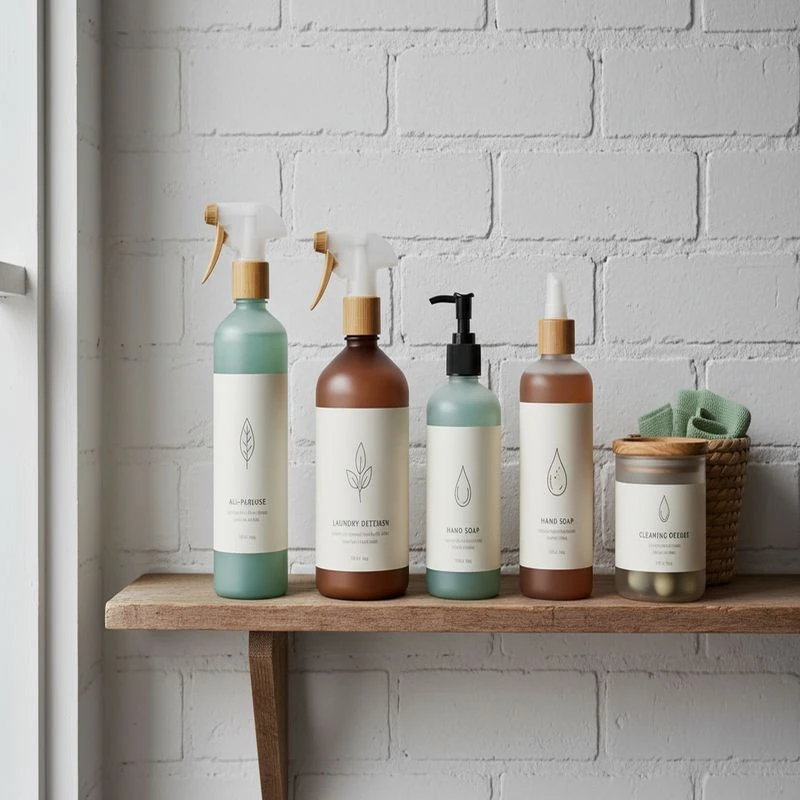
Navigating the complex world of packaging for household cleaning products in the United Kingdom requires a strategic approach, especially when considering the unique demands of sustainability, compliance, and consumer perception. The right custom packaging solution isn’t just about protecting the product; it’s a powerful tool for brand differentiation, communicating values, and ensuring market success. For businesses aiming to thrive in this competitive sector, understanding the nuances of material selection, design innovation, and regulatory adherence is paramount. This comprehensive guide aims to equip you with the knowledge to make informed decisions, transforming your packaging from a mere necessity into a significant competitive advantage. We’ll delve into the specifics that define leading packaging practices, ensuring your products not only stand out but also meet the stringent standards expected by UK consumers and regulators alike, setting a solid foundation for robust market performance.
Cleaning Packaging
The choice of cleaning packaging for household products in the UK market is a critical decision that extends far beyond aesthetics; it directly impacts product safety, environmental footprint, and consumer acceptance. A key takeaway for businesses is that sustainable and functional custom packaging for household cleaning products is no longer an optional extra but a fundamental expectation. Consumers are increasingly scrutinising the environmental impact of their purchases, making refillable, recyclable, or recycled content packaging a powerful selling point. The reasoning behind this shift is multifold: heightened environmental awareness, regulatory pressures such as extended producer responsibility schemes, and a growing desire among consumers to align their purchasing habits with their values. Brands that proactively adopt eco-conscious packaging solutions stand to gain significant loyalty and market share.
Practical examples of innovative cleaning packaging include lightweight pouches for refills, bottles made from 100% Post-Consumer Recycled (PCR) plastic, and even packaging designed for effective end-of-life recycling, clearly marked with OPRL (On-Pack Recycling Label) symbols. For instance, a brand might transition from a virgin plastic bottle to one made entirely from recycled HDPE, demonstrating a clear commitment to circularity. Step-by-step guidance for businesses looking to upgrade their cleaning packaging begins with a thorough audit of current materials and their environmental impact, followed by research into alternative, more sustainable options that do not compromise product integrity or user safety. Engaging with packaging design experts early in the process can help identify suitable materials, innovative dispensing mechanisms, and child-resistant closures (CRC) that meet regulatory requirements and consumer expectations. It’s also vital to consider the entire product lifecycle, from manufacturing efficiency to consumer convenience and disposal.
Potential pitfalls in this journey include the higher initial cost of sustainable materials, the complexity of supply chain integration for recycled content, and ensuring that new materials maintain the necessary chemical resistance and durability for potent cleaning formulations. A common challenge is balancing perceived ‘premium’ aesthetics with cost-effectiveness and eco-credentials. Solutions involve seeking out suppliers specialising in sustainable custom packaging for household cleaning products, investing in robust testing to ensure material compatibility and product stability, and clearly communicating the environmental benefits to consumers to justify any potential price differences. Education around proper disposal or refill instructions on the packaging itself is also key to ensuring the sustainability loop is closed effectively. Moreover, exploring partnerships with recycling infrastructure providers or advocating for better local recycling schemes can further enhance the overall environmental profile of your packaging strategy.
| Packaging Material | Key Advantages for Custom Packaging for Household Cleaning Products | Considerations for UK Market | Sustainability Score (1-5, 5=Best) |
|---|---|---|---|
| HDPE (High-Density Polyethylene) | Excellent chemical resistance, durability, cost-effective, widely recyclable. | Commonly used for bottles (e.g., bleach, detergents), robust recycling stream in UK. | 4 |
| PET (Polyethylene Terephthalate) | Clarity, good barrier properties, impact resistance, widely recyclable. | Often used for spray bottles (e.g., surface cleaners), growing PCR availability. | 3.5 |
| rPET (Recycled PET) / rHDPE (Recycled HDPE) | Significant reduction in virgin plastic use, strong consumer appeal. | Increasing demand and availability; supports circular economy goals. | 5 |
| Pouches (flexible films) | Lightweight, reduced material use, lower transport costs, good for refills. | Recyclability can be challenging for multi-layer films, but mono-material options are emerging. | 3 |
This table provides a comparative overview of common packaging materials used for household cleaning products, highlighting their benefits and specific considerations for the UK market. The sustainability score reflects their environmental footprint, with recycled materials naturally scoring higher due to their contribution to the circular economy. Choosing the right material for custom packaging for household cleaning products involves weighing chemical compatibility, cost, consumer perception, and environmental impact.
Plastic Bottles
Plastic bottles remain the predominant choice for custom packaging for household cleaning products due to their unparalleled versatility, cost-effectiveness, and durability, but their evolution is critical in the UK’s environmentally conscious landscape. The key takeaway for brands is that while plastic offers significant benefits, the imperative to adopt more sustainable plastic solutions, particularly those incorporating Post-Consumer Recycled (PCR) content, is non-negotiable for long-term market acceptance and regulatory compliance. The reasoning behind this continued reliance on plastic lies in its exceptional ability to contain a diverse range of chemical formulations safely, its resistance to impact, and the ease with which it can be moulded into ergonomic and visually appealing shapes. These characteristics ensure product integrity from manufacture to consumer use, protecting against leaks and spills that could be harmful.
Practical examples abound, from the robust HDPE bottles used for bleach and laundry detergents to the transparent PET spray bottles for window and surface cleaners. The shift towards sustainability is evidenced by a growing number of brands using 30%, 50%, or even 100% PCR HDPE or PET in their custom packaging. This not only reduces reliance on virgin plastics but also supports the recycling infrastructure. Step-by-step guidance for selecting the right plastic bottle involves first understanding the chemical compatibility of your cleaning solution with various plastic types. For instance, strong acids or alkalis require materials like HDPE, while milder formulations might suit PET. Next, consider the desired aesthetic and ergonomic design, focusing on features like grip, dispense mechanism (e.g., spray, pump, flip-top), and child-resistant closures. Finally, investigate suppliers offering bottles with high PCR content and ensure they can meet your volume requirements and quality standards. This proactive approach ensures both functional excellence and environmental responsibility, resonating well with modern UK consumers.
However, relying on plastic bottles presents potential pitfalls, primarily concerning their environmental image and the availability of high-quality PCR material at scale. Consumers are increasingly wary of single-use plastics, and poorly managed plastic waste continues to be a global concern, which can reflect negatively on brands not perceived as doing their part. Another challenge is the potential for colour variations or slight imperfections when using high percentages of PCR plastic, which some brands might initially find challenging to integrate into their established aesthetic. Solutions involve transparent communication with consumers about your PCR content and recycling efforts, possibly even embracing the unique aesthetic of recycled materials as a sign of authenticity. Additionally, diversifying your packaging portfolio to include refill pouches or concentrates, alongside traditional bottles, can offer consumers more sustainable choices. Collaborating closely with B2B suppliers who are leaders in sustainable plastic manufacturing and who can guarantee consistent supply of certified PCR materials is also crucial. This ensures that the custom packaging for household cleaning products not only performs its primary function but also contributes positively to the brand’s sustainability narrative in a competitive UK market.
Label Printing
Effective label printing is an indispensable component of custom packaging for household cleaning products, serving as the primary interface between the brand and the consumer, while also fulfilling critical regulatory requirements. The key takeaway is that a well-designed and accurately printed label is not just about branding; it’s a vital tool for communicating safety information, usage instructions, and fostering consumer trust, especially within the stringent UK market. The reasoning behind its importance is multifaceted: labels must clearly display mandatory information such as ingredients, hazard warnings, and disposal instructions as per CLP (Classification, Labelling and Packaging) Regulations. Beyond compliance, labels are powerful marketing assets, conveying brand identity, product benefits, and often, the sustainability credentials that appeal to discerning UK shoppers. The visual appeal and tactile quality of a label can significantly influence purchasing decisions at the point of sale, making it a pivotal element of the overall custom packaging strategy.
Practical examples of label printing excellence include vibrant, high-resolution graphics that withstand moisture and chemical exposure, tactile finishes that add a premium feel, and clear, legible typography for essential information. For instance, a brand might use a durable, waterproof BOPP (Biaxially Oriented Polypropylene) label with a matt laminate to ensure longevity and a sophisticated look, while employing flexographic printing for cost-effective, high-volume runs, or digital printing for intricate designs and smaller batches. Step-by-step guidance for label printing begins with meticulously preparing your artwork, ensuring all regulatory information (e.g., hazard pictograms, safety phrases) is correctly sized and placed according to UK guidelines. Next, select the appropriate label material and adhesive, considering the bottle’s surface, the product’s chemical composition, and environmental factors like humidity. Finally, choose a printing method that aligns with your volume, budget, and design complexity, working closely with a reputable label printer who understands the specific demands of custom packaging for household cleaning products, especially regarding durability and compliance.
Potential pitfalls in label printing often revolve around non-compliance, poor adhesion, and print quality issues that detract from brand image. Incorrectly applied hazard symbols or illegible warning text can lead to regulatory fines, product recalls, and severe damage to brand reputation. Adhesion problems can result in labels peeling, bubbling, or fading, making the product appear cheap or unreliable. Solutions include rigorous proofreading and compliance checks of all label artwork by a legal or regulatory expert, alongside thorough testing of label materials and adhesives on your specific packaging in various environmental conditions. Partnering with a specialist label printer experienced in the household cleaning sector can mitigate many of these risks. They can advise on the best materials (e.g., films for moisture resistance, robust adhesives), printing techniques, and finishing options to ensure your labels are not only visually striking but also fully compliant and enduring, effectively enhancing your custom packaging for household cleaning products in the demanding UK market.
| Label Printing Method | Best For (Custom Packaging for Household Cleaning Products) | Key Advantages | Considerations/Limitations |
|---|---|---|---|
| Flexographic Printing | Large volume runs, simple designs, durable labels for bottles and containers. | Cost-effective at high volumes, fast production, wide range of substrates. | High setup costs, less ideal for complex graphics or variable data. |
| Digital Printing | Small to medium runs, complex graphics, variable data printing, prototypes. | Excellent print quality, no setup costs (plates), quick turnaround, design flexibility. | Higher per-unit cost for very large volumes, speed can be slower than flexo for high volumes. |
| Screen Printing | Direct printing on bottles, durable, tactile feel, unique effects. | Exceptional durability, vibrant colours, suitable for textured surfaces. | Slower, higher cost per unit, limited detail for fine text or images. |
| Lithographic (Offset) Printing | High-quality paper labels (less common for cleaning products due to moisture). | Superior image quality and colour accuracy for specific label types. | Not ideal for plastic bottles directly, susceptible to moisture damage unless heavily laminated. |
This table outlines various label printing methods, detailing their suitability and respective advantages and disadvantages for custom packaging for household cleaning products. The choice of method largely depends on factors such as production volume, design complexity, desired durability, and budget. For instance, while flexographic printing offers cost efficiencies for large orders, digital printing provides flexibility and quality for more intricate designs or smaller, specialised product lines.
B2B Supply
Securing a reliable B2B supply chain for custom packaging for household cleaning products is foundational to operational efficiency and market responsiveness in the United Kingdom. The core takeaway for businesses is that forging strong, strategic partnerships with packaging suppliers is not merely transactional; it is a collaborative effort that ensures consistent quality, timely delivery, and competitive pricing, all critical for sustaining a robust market presence. The reasoning behind this importance stems from the inherent complexities of manufacturing and distributing cleaning products: fluctuating raw material costs, the need for specialised packaging solutions (e.g., chemical-resistant, child-resistant), and the tight production schedules often required to meet retail demands. A dependable supply chain mitigates risks, streamlines production, and allows brands to focus on product innovation and marketing, rather than worrying about packaging procurement issues.
Practical examples of effective B2B supply chain management include long-term contracts with key suppliers for high-volume custom packaging components, implementing just-in-time (JIT) delivery systems to minimise warehousing costs, and establishing clear communication channels for forecasting and order adjustments. For instance, a brand might work with a single supplier for their custom-moulded HDPE bottles, benefiting from volume discounts and consistent quality, while having a secondary supplier for specific label types to ensure redundancy. Step-by-step guidance for establishing a robust B2B supply network begins with a comprehensive assessment of your packaging needs, including material specifications, quantity requirements, and delivery schedules. Next, thoroughly research potential suppliers, evaluating their capabilities, quality control processes, certifications (e.g., ISO, BRC), and environmental commitments. Engage in clear and detailed negotiations, defining service level agreements (SLAs), pricing structures, and contingency plans for potential disruptions. Regular performance reviews and open communication are vital to maintaining a healthy and productive B2B relationship, ensuring your custom packaging for household cleaning products always meets specifications.
Potential pitfalls in B2B supply include over-reliance on a single supplier, leading to vulnerability during unforeseen disruptions; quality inconsistencies from cheaper providers; and miscommunications that result in incorrect orders or delayed deliveries. A common challenge is managing the lead times for custom tooling and high-volume orders, which can impact launch schedules. Solutions involve diversifying your supplier base for critical components, especially for custom packaging for household cleaning products, to build redundancy and negotiate better terms. Implementing robust quality checks at various stages of the supply chain, from raw material procurement to final packaging delivery, is essential. Leveraging technology, such as supply chain management software, can enhance visibility, improve forecasting accuracy, and facilitate better communication between all parties involved. Proactive risk management, including scenario planning for material shortages or logistical challenges, and regularly engaging with suppliers to foster transparency and trust, are crucial for building a resilient and efficient B2B packaging supply chain in the competitive UK market.
Compliance
Ensuring full compliance with regulatory standards is not merely a legal obligation but a cornerstone of trust and market success for custom packaging for household cleaning products in the United Kingdom. The unequivocal takeaway is that adherence to national and EU-derived regulations, particularly those concerning product safety, labelling, and environmental impact, is absolutely non-negotiable. Non-compliance can lead to severe penalties, product recalls, reputational damage, and ultimately, market exclusion. The reasoning behind this strict regulatory framework is to protect consumers from potentially hazardous substances, prevent environmental pollution, and ensure fair trading practices across the industry. Regulations like the CLP (Classification, Labelling and Packaging) Regulation, REACH (Registration, Evaluation, Authorisation and Restriction of Chemicals), and the UK’s specific Extended Producer Responsibility (EPR) for packaging schemes are critical pieces of legislation that every cleaning product manufacturer must navigate with diligence and expertise.
Practical examples of compliance in action include meticulously displaying hazard pictograms and warning statements on labels, providing accurate ingredient lists, and ensuring child-resistant closures (CRC) for products containing hazardous substances. For instance, a disinfectant cleaner containing corrosive chemicals must prominently feature the corrosion pictogram, along with specific hazard statements and precautionary measures, all in compliant font sizes and colours. Step-by-step guidance for ensuring compliance begins with a thorough understanding of the specific chemical composition of your cleaning product and its classification under CLP. Next, translate this classification into the mandatory labelling elements, including pictograms, signal words (e.g., “Danger,” “Warning”), hazard statements (H-phrases), and precautionary statements (P-phrases). It’s also vital to ensure the physical custom packaging for household cleaning products, such as bottles and closures, meets relevant safety standards (e.g., BS EN ISO 8317 for CRCs). Finally, keep meticulous records of all safety data sheets (SDS), risk assessments, and compliance declarations, as these will be required during audits or in case of regulatory enquiries.
Potential pitfalls in compliance are numerous and can be costly, ranging from misinterpretation of complex regulations to errors in label design or material selection. A common challenge is keeping abreast of evolving legislation, particularly post-Brexit, where UK-specific rules may diverge from EU standards. Another pitfall is assuming that packaging compliance for one market automatically translates to the UK, which is often not the case due to specific national requirements. Solutions involve investing in expert regulatory advice, either through internal teams or external consultants specialising in chemical and packaging compliance for the UK market. Implementing a robust internal compliance management system that includes regular audits, training for staff, and stringent approval processes for all custom packaging and labelling designs is crucial. Staying informed through industry associations and regulatory updates is also vital. Proactive engagement with compliance ensures that your custom packaging for household cleaning products not only functions effectively but also legally and safely, thereby building invaluable consumer trust and safeguarding your brand’s future in the highly regulated UK cleaning sector.
| Regulatory Area | Key UK/EU Regulation(s) | Impact on Custom Packaging for Household Cleaning Products | Compliance Action Points |
|---|---|---|---|
| Classification, Labelling & Packaging (CLP) | (EC) No 1272/2008 (EU retained law in UK) | Mandates hazard pictograms, signal words, H&P phrases, product identifiers on labels. | Accurate chemical classification, correct label design, clear hazard communication. |
| Extended Producer Responsibility (EPR) for Packaging | Environmental Protection Act 1990 (amended in UK) | Producers responsible for packaging waste management costs, data reporting requirements. | Register as a packaging producer, report packaging data, pay waste management fees. |
| Safety of Child-Resistant Closures (CRCs) | BS EN ISO 8317:2015 | CRCs must be tested and certified to prevent children from opening hazardous products. | Source certified CRCs, conduct regular batch testing, maintain documentation. |
| On-Pack Recycling Label (OPRL) | Industry standard, encouraged by Defra | Clear, consistent recycling advice on packaging to aid consumer sorting. | Apply correct OPRL labels based on packaging material and UK recycling infrastructure. |
This table summarises critical regulatory areas that directly impact custom packaging for household cleaning products in the UK. Each regulation carries specific requirements that brands must meticulously adhere to. Proactive management of these compliance aspects, from accurate labelling under CLP to fulfilling EPR obligations and ensuring child safety, is fundamental for market entry and sustained operation.
