
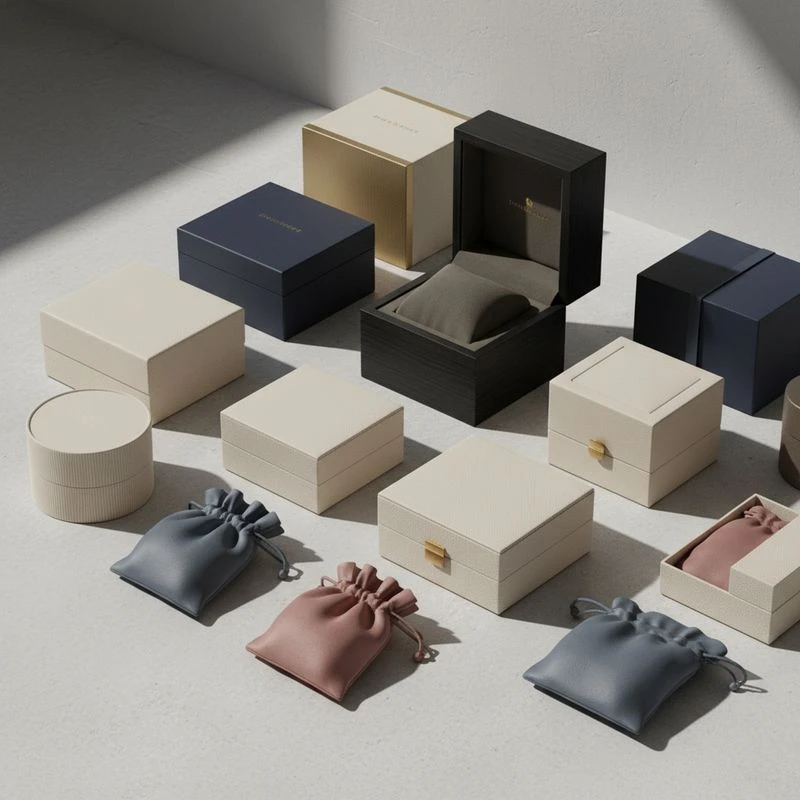
In the dynamic and discerning United Kingdom market, the presentation of your jewellery and watch brand extends far beyond the product itself. Custom packaging for jewellery and watch brands is not merely a protective shell; it is a critical component of your brand identity, a silent salesperson, and an integral part of the customer experience. Investing in bespoke packaging ensures that every interaction a customer has with your brand, from the moment they receive their purchase to the cherished act of unboxing, reinforces your values, craftsmanship, and exclusivity. It sets you apart in a crowded marketplace, communicates your commitment to quality, and ultimately drives brand loyalty and repeat business. Understanding the nuances of materials, design, and functionality is paramount to crafting packaging that truly resonates with the UK consumer.
Jewellery Packaging
For jewellery brands, the packaging is an extension of the precious item it contains, often serving as the initial tangible encounter with your brand’s essence. The immediate takeaway is that custom jewellery packaging must seamlessly blend protection, aesthetic appeal, and brand storytelling. This isn’t just about placing a ring in a box; it’s about crafting an experience that mirrors the emotion and value associated with the jewellery itself. The reasoning behind this approach is clear: poorly designed or generic packaging can significantly detract from the perceived value of even the most exquisite piece, while thoughtfully designed packaging elevates it, creating anticipation and delight.
To achieve this, actionable steps begin with a meticulous selection of materials. Consider the tactile experience: velvet linings evoke luxury, while sustainable kraft paper boxes with organic cotton inserts speak to an eco-conscious brand ethos. For a delicate silver pendant, a soft, anti-tarnish fabric insert is essential for protection, cradling the piece securely within the box. For a statement gemstone, a rigid box with a bespoke foam insert, cut precisely to its contours, not only prevents movement but also presents it as a work of art. Beyond the basic structure, branding elements like debossing, foil stamping, or intricate logo printing on the exterior transform a simple box into a powerful brand ambassador. A minimalist UK brand might opt for a subtle, blind debossed logo on a matte black box, exuding understated elegance, while a more ornate brand might choose gold foil stamping on a textured paper to convey opulence. The internal design is just as crucial; custom printed tissue paper, branded ribbons, or even a small, personalised card can transform a simple unboxing into a memorable ritual.
A common pitfall is overlooking the practicalities of protection in favour of aesthetics. Imagine a delicate diamond necklace shifting inside its box during transit, potentially tangling or scratching. The solution lies in bespoke inserts tailored to each item’s dimensions and fragility. Another challenge is inconsistency across product lines or price points, which can dilute brand identity. A cohesive strategy ensures that whether a customer purchases a small charm or a high-value bracelet, the packaging maintains a recognisable style and quality. Furthermore, neglecting the environmental impact can be a misstep in today’s conscious UK market. Solutions include sourcing recycled or FSC-certified materials, designing for reusability, or offering options for customers to return packaging for recycling. By focusing on these elements, custom jewellery packaging becomes a powerful tool for building a lasting connection with your customers.
Understanding the variety of materials available for internal inserts is crucial for both protection and presentation. Different materials offer distinct benefits in terms of cost, luxury feel, and item security.
| Insert Material | Primary Benefits | Luxury Perception | Cost Efficiency | Typical Use Cases |
|---|---|---|---|---|
| Die-Cut Foam | Excellent shock absorption, precise fit for items, holds shape well. | Moderate to High (depending on foam type/colour) | Moderate | Rings, earrings, watches, delicate pendants, sets. |
| Cardboard/Paperboard | Sustainable, customisable shapes, lightweight, cost-effective. | Low to Moderate (can be enhanced with finishes) | High | Smaller, lighter items, eco-friendly brands, secondary support. |
| Velvet/Satin Fabric | Soft touch, anti-tarnish properties, luxurious look and feel. | High | Low to Moderate (often as a covering over foam/card) | High-end rings, necklaces, watches, gemstone jewellery. |
| EVA Foam | Durable, good cushioning, wide range of colours, precise cutting. | Moderate to High | Moderate | Watches, bracelets, custom shape requirements. |
| Moulded Pulp | Eco-friendly, biodegradable, custom shapes, unique texture. | Moderate (natural, artisanal feel) | Moderate | Sustainable brands, unique jewellery shapes, rustic aesthetics. |
This table highlights how choosing the right insert material directly impacts both the functional protection of the jewellery and the perceived luxury of the unboxing experience. For example, a high-end watch brand would almost certainly opt for velvet or EVA foam inserts to cradle their timepieces, ensuring both security and a premium feel. Conversely, an ethical fashion jewellery brand might lean towards moulded pulp or recycled paperboard to align with their sustainability values, demonstrating how material choice is a direct extension of brand identity.
Luxury Boxes
When it comes to high-end jewellery and watch brands, the concept of a “luxury box” transcends mere containment; it embodies exclusivity, craftsmanship, and an unparalleled unboxing experience. The immediate takeaway is that these boxes are an indispensable part of the product’s perceived value, justifying premium price points and cementing brand prestige in the discerning UK market. The reasoning is deeply psychological: a substantial, beautifully constructed box doesn’t just protect an item; it elevates it, transforming a purchase into an event, a gift into a treasure, and an unboxing into a ritual of discovery. This emotional connection is vital for luxury goods, where the experience is as important as the product itself.
Implementing this requires a meticulous approach to structure, materials, and finishing. Actionable steps include selecting the appropriate box construction: rigid boxes with magnetic closures offer a satisfying ‘click,’ conveying robustness and quality; shoulder boxes provide an elegant two-part design, ideal for revealing intricate pieces; and hinged lid boxes offer a classic, timeless appeal. The exterior finishes are equally critical. Options range from matte laminations that feel velvety soft to the touch, evoking understated sophistication, to high-gloss lacquers that reflect light and denote opulence. Textured papers, leatherette, or even genuine leather provide a rich tactile experience that speaks volumes before the box is even opened. Inside, the lining choices further enhance the luxury: silk, satin, or velvet provide a soft bed for the precious contents, often in a contrasting colour to highlight the item. Bespoke patterns or subtle debossed brand motifs on the interior lining add another layer of refinement that distinguishes your brand.
Beyond the box itself, luxury packaging often incorporates exquisite gifting elements. Custom-printed grosgrain ribbons, embossed wax seals, or even a personalised metallic hangtag can transform a simple box into a highly coveted item. For example, a bespoke UK watchmaker might present their timepiece in a lacquered wooden box with a brass hinge, lined with rich suede, accompanied by a custom-engraved plate inside the lid, creating an heirloom-quality presentation. A high-end diamond jeweler might opt for a soft-touch rigid box with a hidden magnetic closure, adorned with a custom-dyed silk ribbon, embodying timeless elegance. The challenges, however, are significant. A common pitfall is underestimating the complexity and lead times involved in producing truly luxurious packaging, often requiring specialised craftsmanship and materials. Another is compromising on structural integrity to save costs, which can lead to a flimsy product that contradicts the luxury message. Solutions include early planning and close collaboration with specialist packaging manufacturers, prototyping to test durability and aesthetic appeal, and sourcing premium, sustainable materials that do not compromise on quality or ethical standards. By focusing on these details, luxury boxes become powerful brand statements that resonate deeply with the UK’s discerning clientele.
The construction and finishing of a luxury box are paramount to its perceived value and durability. Here’s a comparison of common options:
| Feature Category | Option 1: Rigid Box (e.g., Magnetic Closure) | Option 2: Shoulder Box | Option 3: Hinged Lid Box |
|---|---|---|---|
| Construction | Sturdy board, wrapped in paper/fabric, often with hidden magnets. | Two-part design (base & lid) with a ‘shoulder’ for elegant fit. | Base with an attached lid, often with a visible hinge. |
| Opening Experience | Satisfying ‘click,’ smooth, often reveal-oriented. | Lid lifts smoothly, revealing contents in a presentation style. | Classic opening, often with a ribbon or stay to hold the lid. |
| Perceived Luxury | Very High (modern, sophisticated) | High (traditional, elegant) | Moderate to High (timeless, often with a vintage feel) |
| Customisation Potential | High (various wraps, debossing, foil, internal features) | High (various wraps, internal trays, intricate design) | High (various wraps, internal lining, custom hinges) |
| Durability | Excellent | Excellent | Excellent |
This comparison table illustrates that the choice of luxury box type significantly influences the unboxing experience and brand perception. A brand aiming for sleek, modern sophistication might favor a magnetic closure rigid box for its clean lines and satisfying ‘snap.’ Conversely, a heritage brand seeking a more traditional, refined appeal might opt for a classic shoulder box, where the separation of lid and base adds a sense of ceremony. Each construction type offers distinct benefits, allowing brands to align their packaging precisely with their desired aesthetic and brand narrative.
Premium Design
A premium design in custom packaging for jewellery and watch brands goes far beyond mere aesthetics; it is the embodiment of your brand’s story, values, and unwavering commitment to quality, expressed through every meticulously chosen detail. The immediate takeaway for any brand operating in the competitive UK market is that truly premium design differentiates you, captivates your audience, and builds a lasting emotional connection that justifies the investment in bespoke packaging. The reasoning is clear: in a world saturated with choices, a coherent, thoughtful design tells a story before a single word is read, signaling quality, care, and exclusivity. It transforms packaging from a functional container into an integral part of the luxury item itself, creating an indelible impression.
To achieve this, actionable steps must integrate design deeply into every element. Firstly, the selection of materials is a primary design decision; it dictates texture, weight, and the overall tactile experience. Imagine a watch brand opting for a rigid box with a soft-touch laminate, providing a velvet-like feel, subtly embossed with their logo. This isn’t just a box; it’s a sensory experience. For a delicate jewellery piece, perhaps a fine art paper wrapped box with a slight texture, reflecting the artisanal nature of the item. Secondly, colour psychology plays a pivotal role. Rich jewel tones, deep blues, or elegant grays can convey sophistication, while bright, clean whites might suggest modernity and purity. Consistency in colour palettes across all brand touchpoints, from packaging to website, reinforces brand identity. Thirdly, typography and graphic elements must align with your brand’s personality. A classic, serif font might suit a heritage jewellery brand, while a sleek, sans-serif font would complement a contemporary watch brand. The placement and prominence of your logo, often the most recognisable brand element, should be carefully considered – sometimes a subtle deboss speaks louder than a bold print. Finally, finishing techniques are where true premium design shines. Techniques such as debossing, embossing, foil stamping (gold, silver, rose gold), spot UV, or even intricate die-cuts aren’t just decorative; they add depth, texture, and visual interest, elevating the packaging from functional to exquisite. A subtle, debossed pattern on the inside of a watch box, for instance, adds an unexpected layer of luxury that delights the customer upon opening.
A significant pitfall is the temptation to over-design, resulting in a cluttered or confusing aesthetic that dilutes the premium message. The solution lies in strategic minimalism: focus on a few high-quality elements that speak volumes, rather than many mediocre ones. Another challenge is failing to ensure design consistency across different product lines or packaging sizes. This can lead to a fragmented brand identity. A comprehensive design guideline document is essential here, outlining specifications for materials, colours, logos, and finishes to ensure uniformity. Moreover, overlooking the functionality and protection aspects in favor of pure aesthetics can be a critical error. A beautifully designed box that doesn’t adequately protect its contents will ultimately disappoint. The solution involves balancing form and function: design elements should enhance, not compromise, the structural integrity and protective qualities of the packaging. By meticulously integrating these design considerations, UK jewellery and watch brands can create custom packaging that is not just visually stunning but also deeply resonant, reflecting the true value and artistry of their products.
B2B Branding
For jewellery and watch brands operating within the UK market, the importance of custom packaging extends far beyond the end-consumer; it is a vital tool for B2B branding, influencing relationships with wholesalers, retailers, and distributors. The immediate takeaway is that strategically designed B2B packaging enhances logistical efficiency, reinforces brand consistency across the supply chain, and supports retail partners in presenting your products effectively. The reasoning is simple: in the competitive wholesale landscape, packaging that is not only protective but also practical for bulk handling, storage, and retail display can significantly streamline operations for your partners, making your brand more attractive to work with. It reflects professionalism and a deep understanding of the entire product journey, not just the final sale.
Actionable steps for effective B2B branding through packaging begin with considering the entire supply chain. Design sturdy outer cartons for bulk shipments that are stackable, clearly labelled, and optimised for palletization. These cartons should still carry your brand’s identity, perhaps through branded tape, a discreet logo, or consistent colour usage, maintaining a professional image from warehouse to storefront. Inside, individual product packaging should be designed with retailer ease in mind. This means clear SKU identification, barcodes that are easily scannable, and dimensions that fit standard retail shelving or display cases. For watches, this might involve multi-pack trays that securely hold several individual watch boxes, making it simple for retail staff to restock and manage inventory. For jewellery, elegant presentation trays that house multiple earrings or necklaces can double as in-store display units, reducing setup time for boutiques and ensuring a consistent brand presentation.
Another crucial aspect is providing marketing support through packaging. This could involve embedding QR codes on individual product boxes that link to product information, care instructions, or even promotional content for the retailer to utilize. Custom packaging can also be designed to facilitate seasonal promotions or new product launches, offering retailers ready-to-use display solutions that reduce their own marketing efforts. For example, a UK jewellery wholesaler might provide independent boutiques with custom-branded, flat-pack display stands that assemble easily and showcase their custom jewellery packaging, creating a cohesive visual merchandising experience. A significant pitfall is prioritizing the individual product packaging to the detriment of bulk handling efficiency, leading to frustrated B2B partners who face difficulties with storage, transport, or display. The solution lies in a tiered packaging strategy: distinct solutions for the individual item, the multi-pack unit, and the shipping carton, all harmonized with brand guidelines. Another challenge is failing to solicit feedback from B2B partners on their specific needs, leading to packaging that is not optimised for their operational environment. Proactive communication and collaboration can lead to innovative solutions, such as modular packaging systems that adapt to various retail formats. By implementing these strategies, your custom packaging becomes a powerful asset in fostering strong, lasting B2B relationships.
Optimising packaging for B2B channels requires considering specific parameters that go beyond end-consumer appeal, focusing on logistics, retailer experience, and overall supply chain efficiency within the UK market.
| B2B Packaging Parameter | Description & Importance for UK Market | Actionable Examples |
|---|---|---|
| Logistical Efficiency | Packaging designed for easy handling, stacking, and shipping. Reduces damage, costs, and warehouse space. Essential for timely deliveries across the UK. | Standardized outer carton sizes; clear labelling for SKU, weight, dimensions; optimised for pallet loading; durable materials to withstand transit. |
| Retailer Usability | Ease of unpacking, displaying, and re-stocking. Reduces labor for retailers and ensures consistent brand presentation on shelves. | Easy-open features (perforations); individual product boxes with clear barcodes; multi-pack trays that fit standard shelving; instructions for display setup. |
| Brand Consistency | Maintaining brand aesthetic and quality from warehouse to customer. Reinforces professionalism and ensures a cohesive brand story. | Branded shipping tape; consistent logo placement on outer cartons; uniform colour schemes across all packaging tiers; high-quality materials for all components. |
| Sustainability (B2B) | Meeting growing demand for eco-friendly practices across the supply chain. Important for UK regulatory compliance and consumer perception. | Recycled content for shipping cartons; minimalist design to reduce material waste; use of biodegradable void fill; opportunities for packaging return/recycling. |
| Information & Compliance | Clear communication of product details, safety, and regulatory information. Critical for smooth customs and retail operations in the UK. | Comprehensive product labels; compliance marks (e.g., UKCA); clear country of origin; scannable QR codes linking to extended product info. |
This table highlights the multifaceted considerations required for B2B custom packaging, particularly important in a developed market like the UK. By focusing on these parameters, brands can ensure their packaging not only protects their products but also serves as a strategic asset in their wholesale and retail partnerships. For instance, prioritizing logistical efficiency through standardized carton sizes can lead to significant cost savings in freight and storage for both the brand and its distributors, making the brand more appealing to work with.
Display
In the highly competitive retail environment of the UK, the way your jewellery and watch products are displayed is as crucial as the products themselves. The immediate takeaway is that custom display packaging transforms your merchandise from mere items into captivating focal points, driving engagement and influencing purchase decisions. The reasoning is rooted in consumer psychology: an appealing display not only catches the eye but also communicates perceived value, brand prestige, and the unique story of your pieces before a customer even touches them. It creates an immersive brand experience right at the point of sale, making it an indispensable part of your overall marketing strategy.
To achieve impactful display, actionable steps involve a holistic approach to design. Firstly, consider how your custom packaging interacts with point-of-sale (POS) environments. This might mean designing individual ring boxes that seamlessly slot into a larger, branded display tray made of elegant wood or clear acrylic, allowing multiple items to be showcased securely yet enticingly. For watches, bespoke stands integrated into the packaging can elevate the timepiece, allowing light to catch its features, perhaps even incorporating discreet LED lighting to highlight intricate details. Secondly, effective display packaging should tell a visual story. An open watch box, lined with plush velvet and featuring a prominent brand logo, immediately evokes a sense of luxury and precision. For a delicate necklace, a transparent lid on its individual box, coupled with a subtly raised interior mount, allows the piece to ‘float’ and sparkle, inviting closer inspection without direct handling. Thirdly, security and protection must be integrated without compromising aesthetics. For high-value items, features like secure magnetic closures, tamper-evident seals, or discreet tethering points ensure product safety while maintaining an elegant presentation. Fourthly, ensure complete brand consistency between your primary product packaging and your display solutions. A disconnect in materials, colours, or design motifs can confuse customers and dilute your brand message. For instance, if your jewellery boxes are a specific shade of teal with a gold foil logo, your display stands and trays should mirror this aesthetic precisely.
Practical examples abound: a UK-based artisanal jeweler might use custom-made wooden display blocks that complement their eco-friendly packaging, showcasing a single, unique piece of jewellery with an understated elegance. A luxury watch brand might opt for elaborate display cases that not only house their custom watch packaging but also feature interactive elements, such as magnifying lenses or even digital screens displaying brand videos, drawing customers into the narrative. A common pitfall is designing displays that are difficult for retail staff to manage, leading to untidy presentations, slow restocking, or security vulnerabilities. The solution involves collaborating closely with retailers and designing modular, robust, and easy-to-replenish display systems. Another challenge is failing to consider the retail environment’s specific lighting and space constraints, resulting in displays that are either too large, too dim, or clash with the store’s ambiance. Prototyping and testing displays in various mock retail settings can mitigate this. Furthermore, over-complicating the display can distract from the product itself. The solution is often elegant simplicity: letting the product and its custom packaging speak for themselves within a clean, well-lit, and branded context. By mastering these elements, custom display packaging becomes a powerful magnet for customer attention and a driver of sales in the competitive UK market.
