
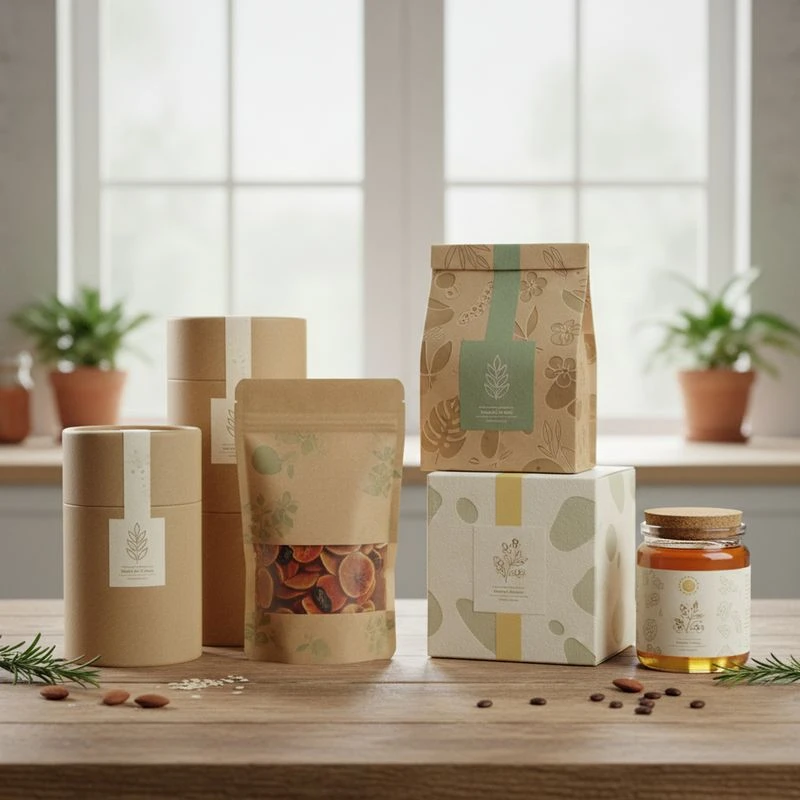
In the vibrant and increasingly eco-conscious United Kingdom market, the demand for organic and natural foods continues its robust ascent. For businesses operating within this sector, the packaging chosen for their products is far more than just a protective layer; it is a powerful statement of brand values, a critical element of product integrity, and a key differentiator in a crowded marketplace. Effective Custom Packaging for Organic and Natural Foods must harmonise sustainability with functionality, clearly communicating its benefits while ensuring the product reaches the consumer in pristine condition. This requires a nuanced understanding of materials, design, and regulatory landscapes, coupled with a proactive approach to environmental stewardship.
Food Packaging
Strategic food packaging for organic and natural products in the UK market is absolutely critical, acting as the silent salesperson and the primary protector of your brand’s promise. The fundamental takeaway is that your packaging must encapsulate and communicate the inherent value of your organic offering, not just physically contain it. The reasoning behind this is multifaceted: UK consumers of organic and natural foods are typically well-informed and place a high premium on authenticity, transparency, and environmental responsibility. They expect packaging to reflect these values, from the materials used to the clarity of information provided. Poorly chosen packaging can undermine consumer trust, compromise product freshness, and ultimately hinder market penetration, irrespective of the quality of the food itself.
To achieve impactful Custom Packaging for Organic and Natural Foods, businesses should embark on a systematic approach. Firstly, deep dive into your target audience’s preferences: are they prioritising recyclability, compostability, or minimal material use? This insight will guide your initial material choices. Secondly, rigorously test potential materials for their ability to extend shelf life for your specific product, protecting against moisture, oxygen, light, and physical damage. Organic produce, for example, often has a shorter shelf life, making breathable yet protective films essential. Thirdly, invest in design that authentically represents your brand ethos; this includes not only visual aesthetics but also tactile experience, ensuring the packaging feels as natural and wholesome as the product inside. Fourthly, ensure full compliance with UK food safety regulations (e.g., those from the Food Standards Agency) and environmental claims, avoiding any potential pitfalls of ‘greenwashing’ by obtaining relevant certifications. For instance, if claiming ‘recyclable’, ensure UK infrastructure supports the recycling of that specific material. A potential pitfall is selecting a material that sounds eco-friendly but lacks widespread end-of-life solutions in the UK; the solution involves partnering with knowledgeable packaging suppliers who understand the local waste management landscape and can advise on truly viable options.
Practical examples abound: consider an organic granola brand. Their packaging could be a stand-up pouch made from a certified compostable film, printed with water-based inks and featuring a clear window to showcase the wholesome product. For fresh organic berries, a punnet made from recycled PET (rPET) or even a moulded fibre pulp material offers excellent protection and communicates sustainability. An organic snack bar might utilise a flow-wrap film that is either home compostable or widely recyclable where facilities exist. Step-by-step guidance begins with a product-specific risk assessment for spoilage and damage, followed by a material selection process that balances protection, sustainability credentials, cost, and consumer convenience. The next stage involves design iteration, prototyping, and small-batch testing before scaling up production. Integrating your packaging supplier early into your product development cycle can mitigate issues like poor material-product compatibility or unexpected production costs. The ultimate goal is to create a seamless experience from shelf to compost bin or recycling point, reinforcing your brand’s commitment to quality and planetary well-being through every aspect of your Custom Packaging for Organic and Natural Foods.
Compostable
Embracing compostable packaging for organic and natural foods represents a significant stride towards a circular economy, offering a powerful end-of-life solution that resonates deeply with UK consumers’ environmental values. The key takeaway here is that compostable packaging, when correctly managed, can transform waste into valuable soil amendments, directly aligning with the natural, regenerative principles of organic farming. The reasoning is clear: traditional plastic packaging persists in the environment for centuries, contributing to landfill overload and plastic pollution. Compostable alternatives, particularly those certified to standards like EN 13432 in Europe (which is relevant for UK businesses), are designed to break down into natural elements in specific composting conditions, leaving no toxic residues. This process enriches soil, reduces reliance on virgin resources, and supports the broader UK ambition for waste reduction and resource efficiency.
Implementing compostable options for Custom Packaging for Organic and Natural Foods requires careful consideration and actionable steps. Firstly, it’s imperative to choose materials that are genuinely certified compostable, differentiating between ‘home compostable’ and ‘industrially compostable’ based on your product and target consumer. Materials like PLA (polylactic acid), PHA (polyhydroxyalkanoates), and cellulose films are common examples. Secondly, clear and unambiguous instructions for disposal must be printed on the packaging itself. Many consumers are still learning the nuances of composting, and misleading labels can lead to incorrect disposal, where compostable materials end up in landfill or recycling streams, causing contamination. Thirdly, consider the wider infrastructure. While home composting is accessible to some, industrial composting facilities are crucial for many compostable materials to break down effectively. Partnering with waste management companies or local authorities to understand current capabilities can be beneficial. A common pitfall is the lack of widespread industrial composting infrastructure across all UK regions, meaning some ‘industrially compostable’ packaging might not find its intended end-of-life. A solution involves actively educating consumers on how and where to compost, perhaps via QR codes linking to local authority guidance, and advocating for improved infrastructure.
Practical examples of compostable Custom Packaging for Organic and Natural Foods include stand-up pouches for organic nuts and seeds made from multi-layer compostable films, transparent window films for bakery items that biodegrade, and even compostable labels for fresh produce. For organic ready meals, some innovative trays are now being developed from moulded pulp or other compostable bio-plastics. Step-by-step guidance involves selecting materials based on your product’s barrier requirements and shelf-life, ensuring the chosen material can be processed effectively on existing packaging lines, and then focusing on design for composting. This includes using compostable inks and adhesives. Engagement with your packaging supplier should include discussions around specific certifications (e.g., seedling logo for EN 13432), ensuring that all components of the packaging—not just the main material—are compostable. The benefit extends beyond environmental impact; it significantly enhances your brand’s appeal to eco-conscious consumers, allowing you to tell a compelling story of sustainability from farm to table and beyond, reinforcing the holistic ethos of organic produce.
Biodegradable
Biodegradable packaging, while often grouped with compostable, serves a distinct purpose and carries specific implications for Custom Packaging for Organic and Natural Foods in the UK. The primary takeaway is that biodegradable packaging is designed to naturally decompose into simpler substances over time, reducing its persistence in the environment. However, understanding its nuances is crucial to avoid miscommunication and potential “greenwashing.” The reasoning behind choosing biodegradable materials stems from the desire to mitigate the long-term environmental harm caused by conventional plastics. Unlike plastics that fragment into microplastics, biodegradable materials are intended to break down into natural elements like water, CO2, and biomass, often with the help of microorganisms, over a defined period. This process can significantly lessen the ecological footprint, particularly in environments where composting infrastructure is not readily available, making it an appealing option for certain organic products.
When considering biodegradable solutions for Custom Packaging for Organic and Natural Foods, several actionable steps are essential. Firstly, it’s vital to scrutinise the specific conditions under which a material is designed to biodegrade. Some materials require specific temperatures, moisture levels, or microbial activity (e.g., in soil or marine environments), which are not always present in standard landfill conditions. This means that a ‘biodegradable’ claim without further context can be misleading. Secondly, opt for materials that have credible third-party certifications (e.g., OK biobased, or ASTM D6400 for certain types) to substantiate their claims and ensure transparency. Materials such as starch-based polymers, PHA, and certain bio-based polyesters fall into this category. Thirdly, communicate clearly and precisely with consumers about the recommended disposal method and what ‘biodegradable’ means for your specific product’s packaging, preventing confusion and ensuring responsible end-of-life management. A significant pitfall is the public’s misunderstanding that ‘biodegradable’ means it will break down quickly and harmlessly in any environment, which is often not the case. The solution lies in transparent labelling that provides clear instructions and, where appropriate, highlights the specific environmental conditions required for degradation, helping consumers make informed decisions.
Practical examples of biodegradable Custom Packaging for Organic and Natural Foods include films for fresh produce, such as wraps for organic cucumbers or trays for tomatoes, which are formulated to degrade in soil or industrial composting conditions. Bio-based bottles for organic juices or dairy products, made from materials like PHA, offer a biodegradable alternative to conventional plastics. Even some protective fill materials used in shipping organic goods can be biodegradable. Step-by-step guidance involves first assessing the environmental impact you wish to address (e.g., reducing plastic waste in landfills, preventing marine pollution). Then, research materials that biodegrade effectively in those target environments, ensuring they still meet the necessary barrier and protective requirements for your product. Engage packaging suppliers who can provide detailed technical data and certifications for their biodegradable offerings. It’s crucial to understand that ‘biodegradable’ doesn’t always equate to ‘compostable’; a material can biodegrade without being suitable for composting. This distinction is paramount for ethical communication and effective waste management. By carefully selecting and clearly communicating about biodegradable packaging, organic food brands in the UK can demonstrate a commitment to environmental responsibility that resonates strongly with their consumer base, furthering their brand’s integrity in a competitive market.
B2B Customisation
For organic and natural food brands in the UK, effective B2B customisation of packaging is not merely a convenience; it is a strategic imperative that significantly impacts operational efficiency, brand consistency, and ultimately, market success. The core takeaway is that tailored packaging solutions designed for the business-to-business supply chain can streamline logistics, reduce costs, enhance retail presentation, and safeguard product integrity from your facility to the retail shelf or distributor’s warehouse. The reasoning behind this is profound: the journey of organic food from producer to consumer often involves multiple touchpoints, each with unique handling, storage, and display requirements. Generic packaging can lead to inefficiencies, product damage, increased shipping costs, and a fragmented brand experience. Bespoke B2B packaging ensures that every aspect, from palletisation to retail display, is optimised, reflecting the premium nature of organic products.
Implementing effective B2B Custom Packaging for Organic and Natural Foods involves several key actionable steps. Firstly, forge a close collaborative relationship with your packaging supplier. They are your partners in understanding your supply chain’s intricacies, from automated filling lines to specific pallet dimensions. Clearly define your operational requirements: what are your throughput speeds? What environmental conditions will the packaging endure during transit and storage? Secondly, specify precise dimensions and structural integrity. This could mean custom-sized outer cartons that perfectly fit a standard pallet, maximising shipping capacity and minimising movement, or inner trays designed to protect fragile organic produce from bruising. Thirdly, integrate your branding elements consistently across all B2B packaging, not just consumer-facing items. Branded shipping boxes, inner dividers, and even pallet wraps reinforce your identity and commitment to quality at every stage. Fourthly, ensure compliance with retailer-specific requirements, such as shelf-ready packaging (SRP) standards, barcode placement, and specific labelling for traceability. A common pitfall is underestimating the importance of packaging robustness for transit, leading to product damage and costly returns. The solution is rigorous testing of packaging prototypes under simulated transit conditions and continuous feedback from logistics partners and retailers.
Practical examples of B2B Custom Packaging for Organic and Natural Foods are diverse. For instance, an organic dairy producer might require custom-moulded trays that securely hold multiple yoghurt pots, designed for efficient stacking in refrigerated lorries and easy shelf replenishment. An organic snack company could utilise shelf-ready display boxes that are pre-packed at the factory, reducing labour for retailers and ensuring attractive presentation. Even bulk packaging for organic ingredients supplied to restaurants or food manufacturers can be customised for size, re-sealability, and material (e.g., large, durable, recyclable sacks). Step-by-step guidance begins with an audit of your current supply chain and identifying pain points related to packaging. This leads to developing detailed specifications for new packaging, including material type, dimensions, strength ratings (e.g., for corrugated boxes), and printing requirements. Prototyping and testing are crucial before full-scale deployment. By investing in tailored B2B packaging, organic and natural food brands can achieve significant operational efficiencies, enhance their professional image, and ensure their premium products arrive at their destination in perfect condition, ready to impress both business partners and end consumers alike in the demanding UK market.
Green Materials
The foundation of truly sustainable Custom Packaging for Organic and Natural Foods lies unequivocally in the selection of green materials. The crucial takeaway is that the choice of material profoundly impacts the environmental footprint of your product, influencing everything from resource depletion to end-of-life implications, and significantly shaping consumer perception in the eco-conscious UK market. The reasoning for prioritising green materials is compelling and multi-layered: consumers buying organic and natural foods inherently expect a low environmental impact across the entire product lifecycle. Traditional packaging materials often rely on finite resources, contribute to pollution during production, and create persistent waste. Green materials, conversely, aim to minimise these adverse effects by being renewable, recycled, recyclable, compostable, or biodegradable, thereby aligning the packaging with the core values of the organic movement and contributing positively to brand narrative.
To effectively integrate green materials into your Custom Packaging for Organic and Natural Foods strategy, several actionable steps are vital. Firstly, prioritise materials with a high percentage of Post-Consumer Recycled (PCR) content, such as rPET (recycled polyethylene terephthalate) for bottles or rHDPE for containers. This directly reduces demand for virgin plastics and supports the recycling economy. Secondly, opt for packaging made from renewable resources, like FSC-certified paperboard, bamboo, or sugarcane bagasse, ensuring these are sourced sustainably. Thirdly, focus on mono-materials where possible. Packaging made from a single type of plastic (e.g., all PP or all PET) or paper is significantly easier and more cost-effective to recycle than multi-layer laminates. Fourthly, consider the inks and adhesives used, favouring water-based or vegetable-based inks that are non-toxic and don’t hinder the recycling or composting process. A significant pitfall can be the ‘greenwashing’ trap, where materials are marketed as environmentally friendly without clear certifications or verifiable claims. The solution involves rigorous supplier vetting, demanding certifications (e.g., FSC, Cradle to Cradle, OK Compost), and conducting lifecycle assessments (LCAs) to understand the true environmental impact from raw material extraction to disposal.
Practical examples of green materials in action include organic coffee packaged in pouches made from responsibly sourced paper with a bio-based lining, rPET bottles for organic juices, or compostable trays made from moulded plant fibres for organic eggs or prepared meals. For organic cereals, FSC-certified paperboard cartons, printed with vegetable inks, offer an excellent green solution. Step-by-step guidance starts with an honest assessment of your current packaging’s environmental impact. Then, research and identify alternative green materials that meet your product’s protective needs while aligning with your sustainability goals. Engage with multiple packaging suppliers to compare material options, costs, and availability, understanding that ‘green’ can sometimes come with a premium or specific performance characteristics that need careful management. It is crucial to test prototypes extensively to ensure the chosen green material performs adequately under real-world conditions (e.g., moisture resistance, strength, shelf appeal). By making informed, deliberate choices about green materials, UK organic and natural food brands can not only reduce their ecological footprint but also significantly strengthen their brand’s appeal to an increasingly environmentally aware consumer base, solidifying their position as leaders in sustainable commerce.
| Material Type | Key Benefit | Common Application | UK Certification Relevance | Considerations for Custom Packaging for Organic and Natural Foods |
|---|---|---|---|---|
| FSC-Certified Paperboard | Renewable resource, widely recyclable, excellent printability, strong brand message. | Cereal boxes, dry food cartons, bakery sleeves, organic tea boxes. | FSC (Forest Stewardship Council) certification for responsible forestry. | Requires liners or coatings for moisture/grease barrier; mono-material designs are preferred for recycling. |
| rPET (Recycled PET) / PCR Plastic | Reduces virgin plastic use, widely recyclable in UK, good clarity & barrier properties. | Bottles for organic juices/milk, clear clamshells for organic berries, trays for organic produce. | Recycling symbols (e.g., Mobius loop with % recycled content), compliance with UK food contact regulations. | Availability of food-grade rPET; higher cost than virgin plastic, but declining. |
| PLA (Polylactic Acid) | Bio-based (from corn starch), industrially compostable, transparent. | Clear films for organic produce, deli containers, yoghurt pots, window patches. | EN 13432 for industrial compostability (Seedling logo). | Requires industrial composting facilities, which are not universal across the UK; heat sensitivity. |
| PHA (Polyhydroxyalkanoates) | Bio-based, home & industrially compostable, potentially marine biodegradable. | Flexible films, coatings, rigid containers for organic foods. | OK Compost HOME/INDUSTRIAL, TÜV Austria (previously Vinçotte) marine biodegradability. | Newer material, higher cost, varying availability; performance characteristics still evolving. |
This table provides a concise overview of popular eco-friendly material choices for Custom Packaging for Organic and Natural Foods in the UK. Each material offers distinct advantages and presents specific considerations that brands must weigh carefully. Understanding these nuances is crucial for making informed decisions that align with both product needs and sustainability goals.
| Parameter | Description | Impact on Packaging | Actionable Step for Custom Packaging for Organic and Natural Foods |
|---|---|---|---|
| Shelf Life Requirements | The duration for which a product remains fresh and safe for consumption. | Dictates barrier properties (e.g., oxygen, moisture, light), material thickness, and seal integrity. | Conduct product-specific barrier testing; select materials and structures that meet or exceed desired shelf life. |
| Product Protection | Safeguarding the product from physical damage, contamination, and spoilage during transit and storage. | Influences material strength, cushioning, tamper-evident features, and structural design. | Design for durability against drops, impacts, and compression; incorporate protective elements like trays or inserts. |
| Brand Story & Aesthetics | How the packaging visually and tactilely communicates the brand’s values, premium quality, and organic ethos. | Determines colour palette, typography, graphic design, finishes (e.g., matte, gloss), and overall form factor. | Collaborate with design agencies specialising in organic brands; ensure high-quality printing and sustainable ink choices. |
| End-of-Life Solution | How the packaging will be disposed of or reclaimed after its primary use (e.g., recycling, composting, reuse). | Drives material choice (e.g., mono-material, certified compostable), labelling clarity, and consumer education. | Prioritise materials widely supported by UK recycling or composting infrastructure; clearly label disposal instructions. |
| Regulatory Compliance | Adherence to UK food contact regulations, labelling laws, and environmental claims (e.g., Plastic Packaging Tax). | Ensures legality, avoids penalties, and builds consumer trust through accurate information. | Stay updated on UK food and packaging regulations; obtain relevant certifications for sustainability claims. |
This table outlines critical parameters that businesses must consider when designing Custom Packaging for Organic and Natural Foods. Addressing each of these parameters thoroughly ensures that packaging is not only effective in protecting the product but also aligns with brand values, consumer expectations, and regulatory standards within the UK market. Strategic planning across these areas leads to packaging that genuinely adds value.
