
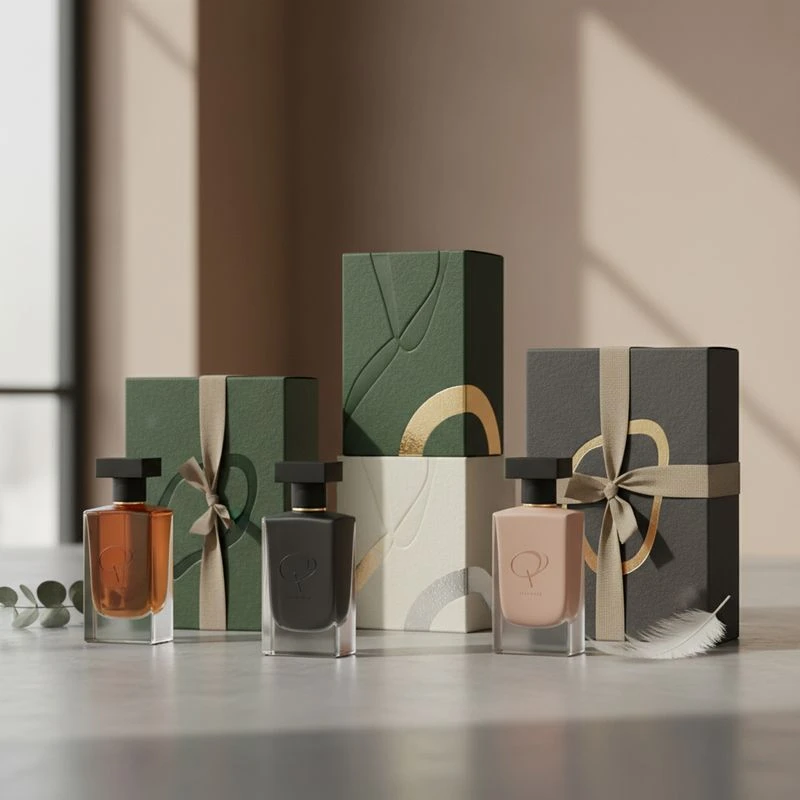
Perfume Packaging
In the highly competitive United Kingdom fragrance market, custom packaging serves as the initial, critical point of physical interaction between a brand and its prospective customer. It is far more than a mere container; it is the silent ambassador, the first chapter of a sensory narrative that defines how a luxury fragrance is perceived. The moment a consumer holds your product, the tactile experience, visual aesthetics, and even the subtle weight of the packaging begin to communicate a story of quality, sophistication, and attention to detail. This initial impression is indelible, directly influencing purchasing decisions and brand loyalty.
The reasoning behind investing deeply in bespoke perfume packaging is multifaceted. Firstly, it offers paramount protection for a delicate and valuable product, safeguarding the integrity of the bottle and its precious contents from transit to shelf. Secondly, it acts as a critical informative tool, clearly displaying brand name, product details, and regulatory information in a premium format. Most importantly, however, it captivates and entices, transforming a simple purchase into an anticipated unboxing experience. Consider the choice of materials: premium card stock, sometimes with a soft-touch laminate or embossed textures, can evoke a sense of luxury even before the box is opened. Glass bottles, when housed in perfectly fitted inserts made from velvet, silk, or high-density foam, communicate meticulous care and elevate the perceived value. Finishes like hot foil stamping, intricate debossing, or selective spot UV varnish add layers of sophistication that mass-produced packaging simply cannot replicate, making your fragrance truly stand out on a crowded display.
To effectively leverage custom packaging, brands should adopt a strategic, step-by-step approach. Begin by conceptualising the bottle design, as the outer packaging must complement and enhance it structurally and aesthetically. Work closely with design agencies experienced in luxury goods to develop a structural design that not only protects but also presents the bottle elegantly, often with a ‘reveal’ element. Material selection is paramount; experiment with different paper weights, board types, and sustainable options that align with your brand’s ethos. For instance, a minimalist, eco-conscious brand might opt for recycled, uncoated board with subtle printing, while a lavish, opulent brand might choose a high-gloss finish with intricate gold foil. A common pitfall is underestimating the importance of internal components—a poorly fitted or cheap-looking insert can instantly deflate the luxury perception. Always prototype extensively, testing the packaging for durability, aesthetic appeal, and the unboxing experience. Engaging with a specialist custom packaging supplier in the UK allows for iterative design improvements, ensuring that the final product not only looks exceptional but also performs flawlessly.
For example, a boutique London fragrance brand launching an exclusive limited edition might opt for a custom rigid box with a magnetic closure, featuring a velvet-lined internal tray meticulously cut to hold their bespoke flacon. The outer surface could be adorned with a unique, abstract pattern applied via debossing, paired with a metallic foil logo that catches the light. This level of detail elevates the product far beyond its contents, transforming it into a collectible item. Conversely, a modern, gender-neutral scent might choose a minimalist, matte black carton with a single, elegant typography element, communicating sophistication through understatement. The key is to ensure every element, from the weight of the card to the precision of the die-cut, reinforces the brand’s unique narrative and quality promise. This dedicated approach to custom perfume packaging is an investment that yields significant returns in brand perception and market differentiation.
| Material Type | Common Applications in Custom Packaging | Key Benefits for Perfume Brands | Potential Considerations |
|---|---|---|---|
| Art Card/Paperboard (250-400gsm) | Folding cartons, sleeves, inserts for outer boxes | Versatile, excellent print surface for graphics, cost-effective for volume, various finishes (matte, gloss, soft-touch) | Can be less durable than rigid board, may require additional lamination for protection |
| Rigid Board (800-1800gsm) | Luxury gift boxes, two-piece boxes, magnetic closure boxes | Premium feel, robust protection, high perceived value, allows for complex structural designs | Higher cost, heavier, longer production lead times |
| Glass | Primary perfume bottle, often custom-moulded | Classic luxury appeal, preserves fragrance integrity, endless customisation for shape/colour | Fragile, heavy, high tooling costs for bespoke designs |
| Sustainable Alternatives (e.g., Recycled PET, FSC Certified Paper, Mushroom Packaging) | Bottles, outer cartons, inserts | Aligns with eco-conscious brand values, appeals to environmentally aware consumers, supports circular economy | May have texture/colour limitations, higher material cost in some cases, specific manufacturing processes required |
This table outlines common material choices, highlighting their specific uses and advantages in the realm of custom packaging for perfumes. Understanding these specifications is crucial for making informed decisions that balance aesthetics, protection, and budget. For instance, while a brand might opt for the premium feel of rigid board for its flagship product, a more accessible line could benefit from the versatility and print quality of high-grade paperboard.
Luxury Design
Luxury design for fragrance packaging transcends mere aesthetics; it is about crafting an immersive experience that resonates with exclusivity, aspiration, and a profound sense of quality. In the discerning UK market, a luxurious design elevates a perfume from a consumable product to a coveted object of desire, a tangible statement of personal style and refined taste. This sophisticated approach involves a meticulous orchestration of visual, tactile, and even auditory elements that communicate prestige and artistry long before the scent itself is experienced. It’s the silent promise of an exquisite product within, justified by the unparalleled attention to detail on the outside. A truly luxurious design tells a story, positioning the fragrance within a broader narrative of heritage, innovation, or artisanal craftsmanship, thereby deepening its emotional connection with the consumer.
The reasoning behind investing in such elevated design is clear: it fosters emotional resonance and commands a premium price point. Every element, from the chosen colour palette to the unique structural form of the box, must speak volumes about the brand’s identity and commitment to excellence. Consider the power of bespoke typography, perhaps a custom-drawn font that is exclusive to your brand, applied with precision through foil blocking or silk-screen printing. The tactile experience is equally vital; finishes such as a soft-touch varnish, embossed patterns that invite touch, or the substantial weight of a perfectly crafted rigid box contribute significantly to the perceived luxury. Structural uniqueness also plays a crucial role – a perfume bottle encased in a drawer-style box that slides open with a satisfying resistance, or a presentation box with a magnetic closure that clicks softly into place, adds layers of delight and perceived value. These are not arbitrary choices but strategic design decisions aimed at creating a memorable and repeatable unboxing ritual that reinforces the product’s premium status.
To implement luxury design effectively, fragrance brands must embark on a collaborative journey with specialist designers who possess a deep understanding of the luxury market and its nuanced expectations. Begin by meticulously defining your brand’s unique aesthetic, target demographic, and core values. This foundational clarity will guide all subsequent design choices. Invest in high-quality rendering and prototyping, allowing for physical evaluation of different materials, finishes, and structural concepts. It’s crucial to explore innovative techniques such as laser-cut detailing, bespoke die-cuts that create intricate window designs, or the integration of unexpected materials like wood veneers or polished metal accents. A common pitfall is resorting to generic ‘luxury’ tropes without authentic brand alignment, resulting in packaging that feels inauthentic or cliché. Avoid designs that are merely flashy without substance. Instead, focus on conveying timeless elegance, understated sophistication, or avant-garde innovation, whatever truly embodies your brand. Practical steps include exploring sustainable luxury options, as the modern consumer increasingly values eco-conscious choices without compromising on quality or aesthetics. For instance, using FSC-certified papers, recyclable components, or even upcycled materials, when executed with design excellence, can significantly enhance a brand’s luxury appeal and ethical standing.
For example, a brand seeking to evoke a sense of heritage and timelessness might opt for a deep emerald green rigid box, covered in a textured paper reminiscent of fine leather, with a gold foil-stamped crest and classic serif typography. The internal fitment could be silk-lined, cradling a hand-blown glass bottle. Conversely, a contemporary luxury brand might choose an ultra-minimalist, geometric form factor, perhaps a pure white matte finish with subtle debossed lines and a single, abstract graphic in a metallic silver. The magnetic closure would be seamless, and the internal packaging might feature a contrasting pop of vibrant colour. In both scenarios, the design speaks directly to the brand’s positioning and target audience, ensuring that every design choice is deliberate and impactful. This meticulous approach to luxury custom packaging design is what transforms a product into an experience, an item into an heirloom, and a brand into an icon.
| Design Element | Description & Purpose in Luxury Packaging | Impact on Brand Perception | Considerations for Custom Packaging |
|---|---|---|---|
| Material Selection | Premium rigid board, high-quality papers (uncoated, textured), bespoke glass, sustainable luxury composites. Conveys inherent value. | High-end, durable, exclusive, environmentally conscious (if sustainable) | Source ethically, test for tactile appeal, ensure structural integrity with the primary keyword ‘custom packaging’ |
| Special Finishes | Hot foil stamping (metallic/pigment), embossing/debossing, spot UV, soft-touch lamination, varnishes. Adds tactile and visual richness. | Sophisticated, exclusive, attention to detail, premium feel | Requires specialist B2B printing, precise application, consider cost for complex finishes |
| Structural Design | Magnetic closures, drawer boxes, bespoke inserts, unique die-cuts, multi-piece constructions. Enhances the unboxing experience. | Innovative, memorable, adds to perceived value and ritual | Requires engineering expertise, prototyping is essential for functionality and aesthetic in ‘custom packaging’ |
| Colour & Typography | Curated palette (e.g., deep jewel tones, muted naturals, metallics), custom or exclusive fonts, precise application. Evokes emotion and brand personality. | Elegant, distinctive, cohesive, strong brand identity | Ensure colour consistency across print runs, choose fonts that reflect brand values |
| Sustainability Integration | Recycled content, FSC-certified materials, biodegradable components, refillable options. Aligns with modern luxury values. | Responsible, forward-thinking, appeals to ethical consumers | Balance eco-friendliness with luxury feel, clear communication of sustainable efforts on ‘custom packaging’ |
This table details the essential design elements that define luxury in custom packaging for fragrance brands. Each element contributes significantly to the overall aesthetic and tactile experience, shaping consumer perception and reinforcing brand values. Strategic implementation of these features, particularly through high-quality custom packaging, is key to success in the competitive luxury market.
B2B Printing
Selecting the correct B2B printing partner is a cornerstone of achieving consistently high-quality custom packaging for perfume and luxury fragrance brands operating within the UK market. The intricacies of luxury packaging demand a printing partner who offers not just a service, but a true collaboration, bringing expertise in specialist finishes, colour accuracy, and material handling that standard printers may lack. The takeaway here is that your printer is an extension of your production team, and their capabilities directly impact the final product’s quality and, by extension, your brand’s reputation. A misstep in printing can undermine even the most exquisite design, leading to inconsistencies that erode consumer trust and diminish perceived value.
The reasoning behind this criticality lies in several key areas. Firstly, luxury fragrance packaging often requires exact colour matching, especially across different production batches or various product lines. Brands painstakingly develop specific hues that become synonymous with their identity, and any deviation, however slight, can be detrimental. High-end B2B printers possess advanced colour management systems and skilled operators trained in achieving precise Pantone matches and consistent colour density. Secondly, the application of special finishes—such as hot foil stamping, embossing, debossing, or selective spot UV—demands highly specialised equipment and refined techniques. Poor application can result in misaligned foil, uneven embossing, or smudged varnishes. An experienced B2B printer understands the nuances of these processes, ensuring flawless execution. Thirdly, efficiency, scalability, and lead times are paramount for managing product launches and replenishment cycles. A reliable printing partner can offer consistent quality whether you require a small, exclusive run or a large-scale production, adhering to agreed timelines crucial for market responsiveness. Pitfalls include choosing printers based solely on cost, leading to compromises in material quality or finish precision, or working with partners who lack experience in luxury packaging, resulting in costly mistakes and delays.
To navigate this crucial selection process, fragrance brands should adopt a rigorous, step-by-step approach. Begin by researching UK-based B2B printing companies that explicitly showcase a portfolio in luxury packaging, particularly for fragrances or cosmetics. Don’t be shy about requesting extensive samples of their previous work to assess the quality of their finishes, print registration, and material handling. Engage in detailed discussions about their quality control processes, lead times for different order volumes, and their minimum order quantities (MOQs). A reputable printer will be transparent about their capabilities and limitations. Provide incredibly detailed specifications for your custom packaging, including exact material types, GSM, colour values (Pantone codes), and precise diagrams for any special finishes. Consider a factory visit if feasible, to gain insight into their operations, equipment, and overall professionalism. Practical examples include a luxury brand needing to reproduce a subtle metallic shimmer on their packaging; a skilled B2B printer would advise on the optimal foil type and application method, perhaps even suggesting a multi-pass print process for enhanced effect. Conversely, a brand requiring intricate debossing on a heavy cardstock needs a printer with the right tooling and pressure control to achieve crisp, deep impressions without tearing the material. Solutions to potential pitfalls involve clear, open communication from the outset, signing off on detailed pre-production proofs, and establishing a robust feedback loop throughout the printing process. Investing in a strong relationship with a specialised B2B printing partner is not an expense but a critical investment in maintaining the integrity and luxury appeal of your fragrance brand’s custom packaging.
| Printing Method | Ideal For | Key Advantages for Custom Packaging | Considerations/Limitations |
|---|---|---|---|
| Offset Lithography | High-volume runs, consistent colour, precise detail, luxury finishes | Superior colour accuracy, cost-effective for large quantities, wide range of substrates, excellent for demanding visuals in ‘custom packaging’ | Higher setup costs (plates), less economical for very short runs, longer lead times for initial setup |
| Digital Printing | Short to medium runs, prototyping, variable data printing, quick turnarounds | No plate costs, fast setup, ideal for personalisation and limited editions, flexible for design changes | Higher cost per unit for large volumes, some limitations on special finishes (e.g., foil stamping), colour consistency can vary slightly more |
| Flexography | Large runs, labels, flexible packaging, uneven surfaces | Fast production speeds, prints on a variety of non-porous materials, good for metallic inks and spot colours | Lower image quality compared to offset, more suited for simpler designs, higher plate costs than digital |
| Silk Screen Printing | Spot colours, thick ink deposits, special effects, unique textures | Vibrant colours, tactile feel, excellent for opaque inks and specific spot applications like glitter or gloss in ‘custom packaging’ | Slower process, higher cost for multiple colours, limited fine detail, often used for secondary applications or small runs |
This table compares the most relevant B2B printing methods for custom fragrance packaging, outlining their strengths and weaknesses. Understanding these differences allows brands to select the most appropriate method based on their specific needs, whether it’s for mass production, limited editions, or unique textural effects. The choice of printing technique directly impacts both the aesthetic quality and the cost-effectiveness of the final packaging.
Gift Appeal
The gift appeal of a luxury fragrance is profoundly enhanced, if not entirely defined, by its custom packaging. In the dynamic UK market, where fragrances are frequently purchased as gifts for special occasions, transforming a product into the ultimate present is a critical driver of sales and perceived value. The takeaway here is that premium custom packaging moves a fragrance beyond a personal indulgence, positioning it as a thoughtfully chosen, desirable gift that evokes excitement, anticipation, and a sense of occasion. It communicates care, consideration, and generosity, making the act of giving and receiving a truly memorable ritual.
The reasoning behind this strategy is rooted in consumer psychology. When someone buys a gift, they are not just purchasing an item; they are purchasing an experience, a representation of their feelings. Generic or uninspired packaging fails to deliver this emotional resonance, diminishing the ‘wow factor’ of the gift. Custom packaging, conversely, can be designed to evoke a sense of ceremony. Consider a rigid box with a magnetic closure, opening to reveal a velvet-lined interior that cradles the perfume bottle. The tactile experience of unwrapping, the visual delight of exquisite design, and the subtle hints of luxury all contribute to a heightened sense of value. Brands can further amplify this by offering bespoke gift sets, perhaps combining a fragrance with a matching body lotion or a travel-sized atomizer, all presented within a cohesive, beautifully designed custom package. Seasonal variations, such as festive holiday sleeves or limited-edition packaging with unique illustrations for Valentine’s Day or Mother’s Day, also tap into the gifting market, encouraging impulse buys and making the product feel more exclusive and timely. This strategy not only increases initial sales but also cultivates a positive brand association with cherished memories and celebrations.
To maximise gift appeal through custom packaging, brands should implement several actionable steps. Firstly, design for the ‘unboxing experience.’ This involves considering not just the outer box but also how the product is revealed once opened. This could mean a carefully placed ribbon, an elegant tissue paper wrap, or a custom insert that holds the bottle at a dramatic angle. Secondly, consider offering personalisation options, even if simple. This might include a space for a handwritten message on an elegant card tucked inside the custom packaging or the option to add a monogrammed tag. These small touches significantly elevate the gift’s perceived thoughtfulness. A potential pitfall is overlooking the entire journey from purchase to presentation. If the luxurious custom packaging is then placed in a flimsy, unbranded shopping bag, the magic is instantly lost. Ensure that the secondary packaging (like gift bags or wraps) maintains the same level of quality and brand coherence. Another pitfall is generic gift packaging that doesn’t stand out during key gifting periods. Solutions involve investing in truly unique structural designs for gift sets that differentiate your brand from competitors. For example, a limited edition Mother’s Day fragrance might come in a floral-embossed box with a delicate, pearlised finish and a coordinating silk scarf, turning the packaging itself into a desirable part of the gift. This kind of considered approach to custom packaging ensures that your fragrance isn’t just a product, but a truly cherished and memorable gift, driving repeat purchases and enhancing brand loyalty.
Brand Identity
Custom packaging serves as the most potent, tangible embodiment of a perfume and luxury fragrance brand’s identity and core values, particularly within the sophisticated UK market. It is not merely an aesthetic choice but a strategic imperative that translates the ephemeral essence of a scent into a powerful, visual, and tactile statement. The takeaway is clear: every element of your custom packaging, from the choice of material to the typography and embellishments, must meticulously align with and reinforce your brand’s narrative, positioning, and target audience connection. It’s the physical manifestation of your brand’s promise, speaking volumes about its heritage, innovation, and unwavering commitment to quality. This consistent communication builds recognition, fosters trust, and ultimately differentiates your brand in a crowded and competitive landscape.
The reasoning behind this profound link between custom packaging and brand identity is that packaging is often the first, and sometimes only, physical interaction a consumer has with your brand before experiencing the product itself. It’s a 3D billboard that communicates your story without uttering a single word. A brand focused on sustainability, for instance, must ensure its custom packaging reflects this value through the use of recycled materials, minimalist design, and clear, transparent messaging about its eco-credentials. Conversely, a brand that aims for opulent luxury will opt for rich textures, intricate detailing, perhaps gold foil, and a substantial, weighty feel to its packaging. The consistency across all product lines is crucial; a fragmented packaging strategy leads to a diluted brand identity and confusion among consumers. Typography choices, colour palettes, and the overall structural design all work in concert to establish a unique brand signature. Consider how iconic luxury brands have cultivated their identities through instantly recognisable packaging—the distinct blue of Tiffany & Co., the minimalist elegance of Aesop, or the signature plaid of Burberry. These are not accidental; they are the result of meticulous, consistent packaging design decisions that have become synonymous with the brand itself.
To effectively leverage custom packaging in solidifying brand identity, brands should adopt a structured, disciplined approach. Firstly, develop a comprehensive brand guideline document that explicitly details all packaging requirements, including approved materials, colour codes (Pantone references are vital for consistency), typography usage, logo placement, and acceptable finishes. This guideline serves as the bible for all future custom packaging development, ensuring uniformity across product launches and seasonal variations. Collaborate closely with packaging designers who specialise in translating brand narratives into physical forms, ensuring their creative interpretations align perfectly with your established identity. Actively seek feedback from target consumers on packaging prototypes to gauge how well it resonates with your intended brand perception. A common pitfall is inconsistency—releasing a new fragrance with packaging that diverges significantly from your brand’s established look and feel can alienate loyal customers and confuse new ones. Another is failing to differentiate your brand adequately from competitors, resulting in packaging that blends in rather than stands out. Solutions involve regular brand audits to ensure packaging remains fresh, relevant, and consistent with evolving brand values, while also conducting competitive analysis to identify opportunities for unique differentiation. For example, a niche UK brand aiming for an artisanal, handcrafted identity might opt for custom packaging made from hand-finished recycled paper, with unique, irregular textures and hand-stamped logos, consciously avoiding mass-produced gloss finishes. This authenticity in custom packaging directly reinforces their unique brand story. By meticulously aligning every packaging decision with its overarching brand identity, a fragrance house can create a powerful, lasting impression that transcends the product itself, fostering deep brand loyalty and recognition.
