
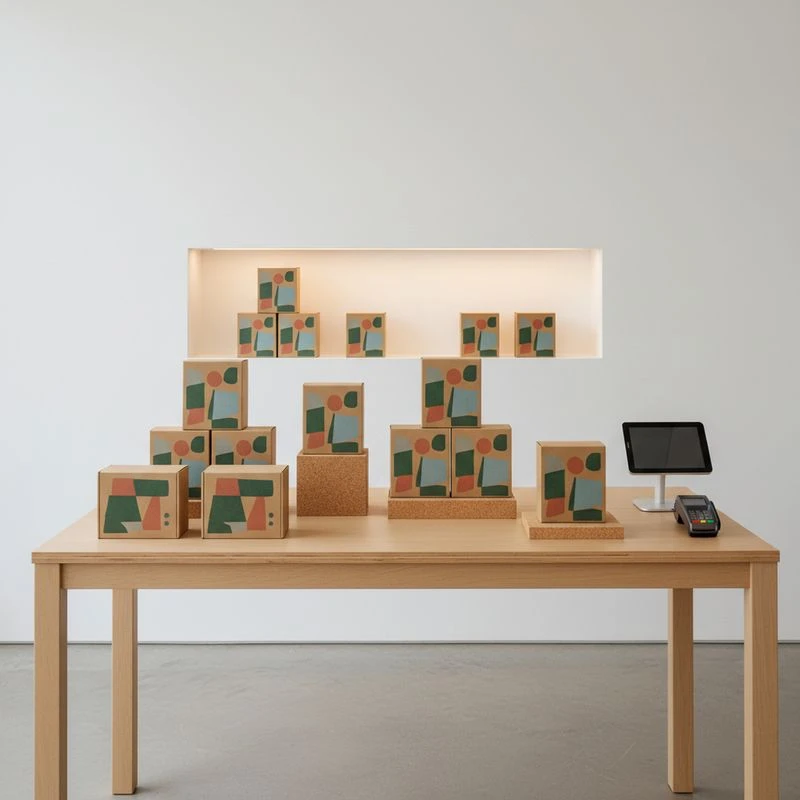
In the vibrant and highly competitive retail landscape of the United Kingdom, simply having a great product is no longer enough to guarantee success. To truly capture consumer attention and convert browsing into buying, businesses must invest strategically in how their products are presented. This is where the profound impact of custom packaging for retail display and point of sale comes into play. It’s not just about protecting your goods; it’s about crafting an immediate, compelling brand statement that resonates with shoppers, differentiates you from rivals, and ultimately drives sales. Imagine your product as a silent salesperson on the shelf – its ‘outfit’ (the packaging) needs to be impeccable, informative, and irresistible. A well-designed custom package acts as a powerful marketing tool, communicating value, quality, and brand identity at the critical moment of decision, directly influencing purchasing behaviour across the UK market.
The strategic deployment of bespoke packaging solutions across various retail touchpoints, from the initial shelf-ready unit to the individual product box, can significantly amplify your market presence. It allows for a cohesive brand narrative to unfold, from the moment a customer spots your product in a busy aisle to the final unboxing experience at home. This holistic approach ensures that every interaction with your product is an opportunity to reinforce your brand’s unique appeal and build lasting customer loyalty. By meticulously planning your packaging design, materials, and production, you’re not just enclosing a product; you’re enveloping it in an experience that speaks volumes about your brand’s commitment to excellence and understanding of its target audience.
Display Packaging
Effective display packaging is the frontline warrior in the battle for consumer attention in the crowded aisles of UK retail. It’s the initial, crucial touchpoint that determines whether your product gets noticed or simply blends into the background. Think of a supermarket aisle or a boutique shop – products have mere seconds to make an impression. Custom display packaging doesn’t just hold your product; it acts as a silent, yet powerful, salesperson, communicating your brand’s message, highlighting key benefits, and showcasing the product’s appeal without a human intermediary. It’s about creating an engaging visual story right at the point where purchase decisions are made, prompting the customer to pause, pick up, and consider.
When approaching custom display packaging, the structural design is paramount. Common forms include Shelf-Ready Packaging (SRP), which transforms seamlessly from a shipping carton into a retail display unit, significantly reducing shelf-stacking time for retailers – a massive advantage in the fast-paced UK retail environment. Counter Display Units (CDU) are perfect for showcasing smaller, impulse-buy items at the till or on specific counters, drawing last-minute attention. Floor Standing Display Units (FSDU), on the other hand, command attention in larger spaces, ideal for promotions or new product launches, acting as mini-billboards within the store. The material choice plays a vital role in both aesthetics and durability; corrugated board offers strength and versatility, while carton board provides a smoother finish for intricate graphics. Increasingly, eco-friendly options are sought after, reflecting a growing consumer preference for sustainable practices in the UK.
Printing techniques elevate the visual impact of display packaging from functional to captivating. Vibrant, high-resolution colours ensure your brand stands out, while finishes such as matte, gloss, or spot UV can add a premium tactile and visual appeal, drawing the eye and inviting touch. The integration of the product within the display is also critical – how securely and attractively does the packaging present the item? For instance, a beauty brand might use a bespoke CDU with individual compartments, allowing customers to easily view and access miniature perfumes or cosmetic samples, encouraging trial. Similarly, a snack company could utilise an ingeniously designed SRP that, once opened, presents an organised and appealing array of products, making selection effortless for the customer. Practical examples are plentiful, from confectionery brands using festive, eye-catching FSDUs during holiday seasons to electronics retailers presenting new gadgets in sleek, secure CDUs. The goal is always to make the product accessible, appealing, and clearly identifiable.
However, designing effective display packaging isn’t without its pitfalls. Over-designing can lead to a cluttered appearance, making it hard for the core message to penetrate. Poor structural integrity can result in damaged goods or collapsing displays, undermining brand credibility. Furthermore, non-compliance with retailer guidelines – such as specific dimensions for shelf space or material requirements – can lead to rejected stock and significant logistical headaches. The solutions involve a collaborative and iterative approach. Working with experienced packaging designers who understand both aesthetic appeal and structural engineering is essential. Conducting mock-ups and rigorous testing under simulated retail conditions can identify weaknesses early. Crucially, maintaining open lines of communication with retailers to understand and adhere to their specific operational requirements ensures smooth integration into their stores. By proactively addressing these challenges, businesses can create custom display packaging that not only looks fantastic but also performs exceptionally in the competitive UK market, leading to increased visibility and stronger sales.
| Type of Packaging | Typical Use Cases | Key Benefits for Custom Packaging |
|---|---|---|
| Shelf-Ready Packaging (SRP) | Food & drink, household goods, small electronics | Reduces shelf-stacking time, enhances product visibility, consistent brand presentation from warehouse to shelf. |
| Counter Display Units (CDU) | Impulse buys (sweets, cosmetics, batteries), new product introductions | High visibility at point-of-sale, encourages impulse purchases, cost-effective for targeted promotions. |
| Floor Standing Display Units (FSDU) | New product launches, seasonal promotions, larger items (toys, pet food) | Maximum visual impact, creates a ‘shop-within-a-shop’ feel, ideal for showcasing product ranges. |
This table illustrates the diverse applications of custom display packaging, highlighting how each type serves a specific strategic purpose within the UK retail environment. By understanding these distinctions, businesses can make informed decisions about which display solutions best align with their product, marketing goals, and retailer requirements.
Retail Boxes
While display packaging first captures the eye, the individual retail box is the final, intimate touchpoint between your brand and the consumer. Once a customer has been drawn in by an attractive display and picks up your product, the retail box takes centre stage. This isn’t just about protecting the item within; it’s about crafting an unboxing experience that reinforces the purchase decision, validates the consumer’s choice, and leaves a lasting, positive impression of your brand. In the discerning UK market, consumers increasingly value both impeccable aesthetics and sustainable practices in their packaging choices, making the retail box a critical component of brand loyalty and repeat business.
The material selection for your custom retail boxes is foundational to both their protective qualities and their perceived value. Folding cartons, typically made from paperboard, are versatile, cost-effective, and excellent for products requiring vibrant graphics, often used for cosmetics, small electronics, or food items. Rigid boxes, constructed from thicker chipboard wrapped in specialty papers, convey a sense of luxury and premium quality, commonly chosen for high-end jewellery, electronics, or gourmet foods. For larger or heavier items, corrugated cardboard offers superior protection and can still be customised with high-quality printing. Beyond the material, the print quality is paramount. High-resolution graphics, accurate brand colour reproduction, and crisp typography ensure that your brand identity is consistently and beautifully represented, preventing any disconnect between the on-shelf display and the actual product packaging.
Finishing touches can transform a standard box into a premium experience. Techniques such as soft-touch laminate provide a luxurious tactile feel, while embossing or debossing can add subtle, sophisticated textural elements to your logo or design. Foil stamping, available in various metallic hues, creates a dazzling visual effect that screams quality and attention to detail. Functionally, the design of the retail box must consider ease of opening and secure closing mechanisms. Does it provide an intuitive unboxing experience, or does it frustrate the customer? Internal fitments and inserts, custom-designed to cradle the product securely, not only protect it during transit but also enhance the perceived value and organisation of the contents. For example, a premium tea brand might use a rigid box with an intricately foil-stamped logo and a custom-moulded insert that elegantly presents each tea bag, creating a luxurious unboxing ritual that justifies its higher price point.
Sustainability has moved from a niche consideration to a mainstream expectation for UK consumers. Incorporating recyclable materials, designing for reduced material usage, and providing clear recycling instructions on your custom packaging are no longer optional but essential. A company selling eco-friendly cleaning products might use a minimalistic folding carton made from 100% post-consumer recycled content, printed with water-based inks and clear messaging about its environmental benefits. Neglecting these aspects can lead to generic designs that fail to stand out, inadequate protection resulting in damaged goods and customer dissatisfaction, or an overly complex unboxing experience that frustrates users. To mitigate these risks, businesses should invest in custom dies and templates for unique structural designs, conduct thorough drop testing to ensure product integrity, and perform user experience testing to refine the unboxing process. Partnering with packaging suppliers who offer a robust portfolio of sustainable materials and have certifications like FSC (Forest Stewardship Council) ensures that your custom retail boxes not only look exceptional but also align with modern ethical consumer values, strengthening your brand’s reputation and appeal.
| Material Type | Characteristics | Ideal Use Cases | Pros for Customisation | Cons for Custom Packaging |
|---|---|---|---|---|
| Folding Carton | Lightweight, versatile paperboard, often coated | Cosmetics, small electronics, food & beverage, pharmaceuticals | Excellent printability, cost-effective, wide range of finishes, recyclable | Less protective for heavy/fragile items, perceived less ‘premium’ than rigid boxes |
| Rigid Box | Thick chipboard wrapped in decorative paper, non-collapsible | Luxury goods, high-end electronics, jewellery, gourmet food, gifts | Premium feel, strong protective qualities, sophisticated finish options (embossing, foil) | Higher cost, not easily recyclable (due to multiple layers), larger storage footprint |
| Corrugated Cardboard | Fluted paper layer between liners, robust and shock-absorbent | Subscription boxes, larger items, e-commerce shipping, heavier products | Exceptional protection, strong, good for larger prints, widely recyclable | Less refined finish than carton/rigid, may require additional liners for premium feel |
This comparison helps businesses select the most appropriate material for their custom retail boxes, balancing factors like product protection, aesthetic appeal, budget, and sustainability goals. Each material offers distinct advantages, allowing for tailored packaging solutions that meet specific brand and product requirements in the UK market.
B2B Printing
For any business operating in the dynamic UK retail sector, particularly those with aspirations for growth or managing diverse product lines, a robust and reliable B2B printing partnership is not merely a convenience but a fundamental pillar of their packaging strategy. This partnership is the engine that transforms creative designs into tangible, high-quality custom packaging, ensuring it is delivered consistently, on time, and within budget. Without a strong B2B printing partner, even the most innovative packaging concepts can falter, leading to stock shortages, inconsistent brand representation, and ultimately, missed retail opportunities across the United Kingdom. It is the backbone that ensures your creative vision for custom packaging seamlessly translates into physical reality, maintaining a consistent brand presence and meeting demanding supply chain requirements.
The process of selecting a B2B printing supplier for your custom packaging is a strategic decision that warrants careful consideration. Opting for a UK-based manufacturer often translates to several significant advantages: faster lead times, reduced shipping costs, and considerably easier communication and oversight, which are invaluable for navigating tight deadlines and ensuring precise execution. It’s crucial to assess their technological capabilities, understanding whether they specialise in digital printing (ideal for short runs and variable data), lithographic printing (excellent for high-volume, high-quality graphics), or flexographic printing (cost-effective for larger runs and certain materials). Their cutting, creasing, and finishing processes also need scrutinising to ensure the final product meets your exacting standards. For instance, a growing artisan food producer might need a printer capable of handling smaller, variable-data runs for seasonal offerings, alongside larger, consistent runs for their core products, requiring a versatile partner who can maintain colour accuracy across all batches.
Quality control and adherence to standards are non-negotiable aspects of a reliable B2B printing partnership. Inquire about their internal quality assurance procedures and relevant certifications such as ISO 9001 for quality management or FSC (Forest Stewardship Council) for sustainable sourcing of materials. These certifications offer an independent assurance of their commitment to quality and ethical practices. Clear and proactive communication is another cornerstone; establish well-defined channels for proofing, requesting revisions, and tracking orders. A partner who provides transparent updates and quickly addresses concerns is invaluable. Imagine a national retailer planning a major new product launch across hundreds of stores, requiring thousands of units of custom display packaging. A responsive B2B printer with robust communication protocols can ensure every component arrives on schedule, perfectly matching the design specifications, avoiding costly delays and ensuring a unified launch.
A significant pitfall for businesses is selecting a supplier based solely on price, which often leads to compromises in quality, inconsistent results, and ultimately, higher long-term costs due to reprints or lost sales. Poor communication is another common stumbling block, causing misunderstandings, delays, and frustration. Furthermore, choosing a printer with limited production capacity can cripple your supply chain when demand unexpectedly surges or when scaling operations. The solution lies in conducting thorough due diligence: request multiple samples of their work, ideally in materials and finishes similar to your requirements. If feasible, visit their facilities to observe their operations firsthand. Negotiate clear Service Level Agreements (SLAs) that outline expectations for quality, lead times, and communication. For businesses with critical, high-volume needs, it might even be prudent to diversify suppliers to mitigate risks, ensuring that your investment in custom packaging is supported by a robust, reliable, and scalable B2B printing infrastructure that can consistently deliver excellence to the UK market.
| Factor | Importance for UK Market | Actionable Steps |
|---|---|---|
| Location & Logistics | Faster lead times, lower shipping costs, easier communication. | Prioritise UK-based manufacturers; confirm delivery capabilities. |
| Printing Technology | Ensures quality, cost-efficiency, and flexibility for specific packaging types. | Understand their digital, litho, and flexo capabilities; request relevant samples. |
| Quality Control & Certifications | Guarantees consistent product quality and adherence to ethical standards. | Inquire about ISO, FSC, and internal QC processes; review sample consistency. |
| Communication & Support | Critical for smooth project management, issue resolution, and timely updates. | Assess responsiveness during initial enquiries; establish clear communication protocols. |
| Scalability & Capacity | Ability to meet fluctuating demand and support business growth. | Discuss current and future volume needs; inquire about production capabilities. |
This table provides a comprehensive checklist for businesses to evaluate potential custom packaging B2B printing partners, ensuring they secure a relationship that is not only cost-effective but also capable of reliably delivering the quality and volume required for success in the competitive UK retail sector.
Brand Promotion
In the fiercely competitive retail arena of the United Kingdom, where countless products vie for consumer attention, robust brand promotion is absolutely paramount. Custom packaging emerges as an indispensable, tangible tool for powerful brand promotion, extending your brand’s narrative far beyond traditional advertising channels. Unlike fleeting digital ads or static billboards, packaging offers a direct, physical interaction with your audience. It embodies your brand values, expresses its unique personality, and showcases your unwavering commitment to quality. More than just a container, custom packaging transforms into a potent marketing asset, resonating with consumers and reinforcing your brand’s message long after the initial purchase has been made, creating a memorable and lasting impression.
The foundation of effective brand promotion through custom packaging is unwavering consistency. Ensure that your logo, brand colours, fonts, and messaging are uniform across all packaging elements, from your overarching display units to the smallest individual retail box. This consistency builds recognition and trust, making your brand instantly identifiable wherever it appears. Use the packaging surface as a canvas to tell your brand’s unique story. Are you an artisanal producer with a rich heritage? Share that narrative through elegant design and evocative text. Are you a cutting-edge tech company? Reflect that innovation through sleek lines and minimalist aesthetics. For instance, an ethical beauty brand might use custom packaging made from recycled materials, printed with natural dyes, and featuring a minimalist design that perfectly reflects its commitment to sustainability. A QR code on the packaging could link directly to their website, showcasing their charity partnerships and eco-friendly initiatives, deepening the consumer’s connection to their values.
Custom packaging is also the ideal platform to clearly articulate your Unique Selling Proposition (USP). What makes your product special, better, or different from the competition? Highlight these key differentiators directly on the packaging in a clear, concise, and compelling manner. This could be a unique ingredient, a groundbreaking feature, or an unparalleled benefit. Furthermore, don’t miss the opportunity to integrate calls to action (CTAs). Incorporate QR codes that lead to exclusive content, instructional videos, customer reviews, or loyalty programme sign-ups. Include your social media handles and website addresses to encourage further engagement online, turning a passive purchase into an active relationship. A craft beer company, for example, could use vibrant, illustrative custom packaging designs for each distinct brew, telling a unique story behind its flavour profile and encouraging collectability, effectively turning each bottle into a mini-marketing campaign.
Beyond visual elements, consider the power of sensory experiences. Textures can add a tactile dimension – a soft-touch laminate might convey luxury, while a coarse, natural finish could communicate earthiness. Finishes like spot UV or metallic accents catch the light and add an element of premium allure. While less common, some brands even experiment with subtle scents infused into packaging, creating a truly multi-sensory brand experience that stands out. However, businesses must be wary of potential pitfalls such as inconsistent branding across different packaging types, which can dilute brand identity and confuse consumers. Over-cluttering the design with too much information can overwhelm and detract from the core message. Most critically, failing to align the packaging aesthetics with the overall brand identity can create a disconnect, leading to a loss of credibility. To avoid these issues, develop a comprehensive brand style guide specifically for packaging. Focus on clear, concise messaging that is easily digestible. Conduct market research and consumer feedback sessions to ensure your custom packaging design genuinely resonates with your target audience, ensuring it truly promotes and elevates your brand in the competitive UK market.
Visibility
In the relentlessly dynamic and often overwhelming environment of UK retail, a product’s initial visibility is the fundamental determinant of whether it gets noticed, considered, and ultimately purchased. This crucial first impression directly translates into sales opportunities, making the strategic design of custom packaging for visibility an absolute imperative. Your custom packaging, particularly display packaging, serves as the primary vehicle for achieving this standout presence. It’s about meticulously designing every element to ensure your product not only catches the eye from the aisle but genuinely pops off the shelf, etching itself into the customer’s mind. In a marketplace saturated with choices, your packaging must make your product impossible to ignore, drawing consumers in from a distance and inviting closer inspection.
Achieving superior visibility begins with strategic colour choices. Utilise contrasting or vibrant colours that immediately differentiate your product from its competitors and stand out against the backdrop of typical retail shelving. A new snack brand, for instance, might opt for neon-bright custom packaging colours and bold typography to create a striking contrast in an aisle traditionally dominated by more muted tones, instantly grabbing attention. Conversely, a luxury brand might use sophisticated, deep hues with metallic accents to convey exclusivity and quality, ensuring it stands out through elegance rather than sheer brightness. Beyond colour, consider distinctive shapes and sizes. While standard rectangular boxes are ubiquitous, a unique die-cut or an unconventional structural design can instantly break the monotony. Imagine a premium chocolate brand employing an elegant hexagonal box shape that immediately catches the eye compared to conventional rectangular boxes, signalling a departure from the ordinary and a commitment to unique design.
Clarity and legibility are equally vital for visibility. Ensure the product name, key features, and any unique selling propositions are immediately and effortlessly legible from a reasonable distance. Use clear fonts and appropriate sizing to avoid any ambiguity. In a fast-paced retail environment, customers often scan shelves quickly, and if your product’s identity isn’t immediately apparent, it’s likely to be overlooked. Lighting considerations within retail spaces also play a significant role. Design finishes such as metallic foils, holographic elements, or even specific matte/gloss contrasts that interact effectively with store lighting can create captivating glints and reflections, further enhancing visual appeal and drawing the eye. The synergy between your packaging design and typical retail placement is another crucial factor. Design packaging that complements how retailers usually display products – whether it’s for eye-level shelf presence, a prominent end-cap display, or a specialist counter. This involves understanding retailer planograms and designing your packaging to maximise its impact within those constraints.
However, several potential pitfalls can undermine your custom packaging’s visibility. The most common is creating packaging that inadvertently blends in with competitor products, becoming lost in a sea of similar designs. Using colours that are difficult to discern from a distance, or designs that are overly busy and cluttered, can also hinder immediate legibility and appeal. Another challenge is failing to adapt design elements for varying lighting conditions or display types within different retail outlets. To overcome these challenges, businesses should engage in rigorous mock-up testing. This involves creating prototypes of your custom packaging and placing them in simulated retail environments to assess their visual impact from various distances and angles. Gather feedback from diverse consumer groups on what catches their eye and what information they retain. Crucially, continuously study competitor packaging trends to identify gaps and opportunities for differentiation. By actively seeking to stand out through thoughtful design, leveraging colour, shape, and strategic messaging, custom packaging can dramatically enhance your product’s visibility, directly translating into increased foot traffic and, ultimately, higher sales across the UK retail landscape.
| Visual Element | Impact on Visibility | Actionable Design Strategies | Effectiveness Rating (1-5, 5=Highest) |
|---|---|---|---|
| Colour Palette | Attracts immediate attention, evokes emotion, defines brand. | Use high contrast, vibrant colours, or distinct brand colours; consider competitor colours. | 5 |
| Unique Shape/Structure | Breaks monotony, creates curiosity, makes product memorable. | Utilise custom die-cuts, unusual box forms (e.g., hexagonal, curved), or innovative openings. | 4 |
| Typography & Legibility | Ensures product identity and key info are quickly understood. | Large, clear fonts; high contrast text/background; minimal clutter. | 4 |
| Finishes (Gloss, Matte, Spot UV, Foil) | Adds premium feel, catches light, highlights specific features. | Combine textures; use metallic/holographic effects to draw eye; strategically place spot UV. | 3 |
| Graphic Imagery | Conveys product benefit, creates emotional connection, brand storytelling. | High-quality, relevant images; bold patterns; clear brand logo placement. | 4 |
This table outlines critical visual elements and their impact on custom packaging visibility, offering practical design strategies to ensure products truly stand out. By judiciously applying these elements, businesses can significantly enhance their market presence and appeal to consumers in the competitive UK retail environment, making their custom packaging a powerful tool for visual engagement.
