
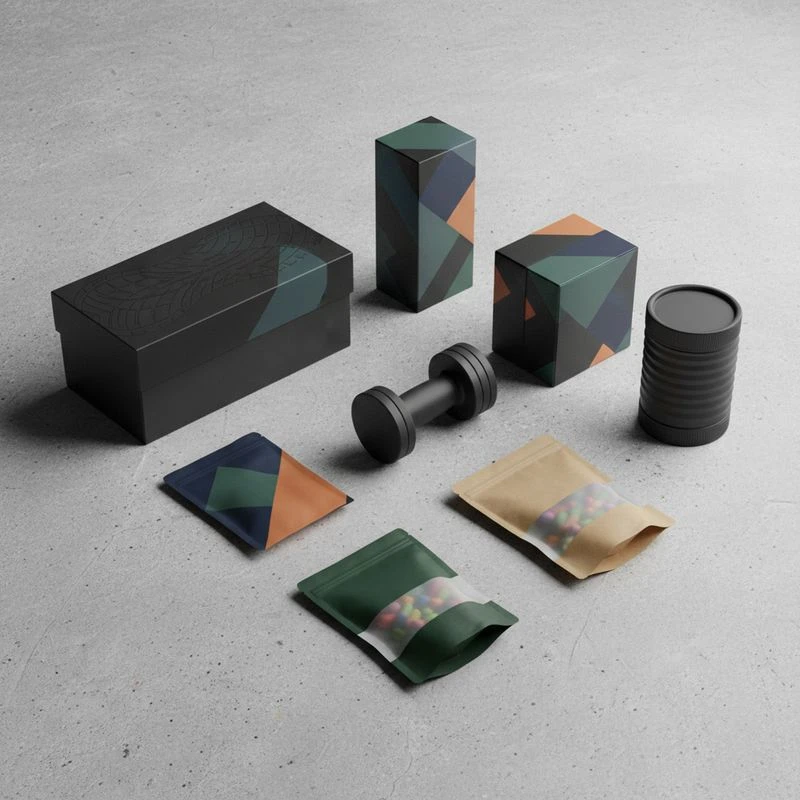
In the highly competitive and rapidly expanding UK sports and fitness market, establishing a memorable brand presence is more crucial than ever. While product quality is paramount, the journey a customer takes with your brand often begins and is solidified by its packaging. Custom packaging for sports and fitness brands isn’t merely about protecting goods; it’s a dynamic storytelling medium, a silent salesperson, and a powerful tool for building loyalty and distinction. For businesses ranging from burgeoning startups to established players, investing in thoughtfully designed and executed packaging can transform a transaction into an experience, reinforcing brand values and making an indelible mark on the discerning British consumer. This goes beyond just a logo on a box; it encompasses the tactile feel, the visual appeal, and the environmental message conveyed, all tailored to resonate deeply with your target audience.
Sports Packaging
For any sports and fitness brand operating in the UK, understanding that custom packaging is a direct extension of your product and values is the first crucial takeaway. It serves as a vital touchpoint, often the initial physical interaction a customer has with your brand, setting the tone for their entire perception. In a market saturated with options, generic packaging simply doesn’t cut through the noise; it risks your high-quality products being overlooked or perceived as less premium. The reasoning is clear: consumers, especially in the health and wellness sector, are increasingly sophisticated and environmentally conscious. They seek authenticity, quality, and brands that align with their lifestyle choices. Your custom packaging for sports and fitness brands should immediately communicate these attributes, whether it’s the premium nature of your protein powder, the durability of your activewear, or the sustainable credentials of your supplements. Think about the feeling a consumer gets when they pick up a sleek, well-designed tub of recovery drink versus a flimsy, unbranded pouch; the perceived value dramatically shifts.
Implementing effective sports packaging requires a strategic approach, beginning with a deep dive into your product category and target demographic. For instance, activewear brands might opt for custom mailer boxes made from recycled cardboard, lined with branded tissue paper, offering an elevated unboxing experience that aligns with a fashion-forward, eco-conscious clientele. In contrast, supplement brands might prefer stand-up pouches with a matte finish and clear nutritional information, providing convenience and a modern aesthetic. Equipment manufacturers, like those producing resistance bands or small exercise accessories, would benefit from rigid boxes or blister packs that offer protection while clearly showcasing the product. A practical step involves identifying the core emotional connection you want to forge: is it performance, wellness, luxury, or sustainability? This emotional anchor then guides your material choices, colour palette, typography, and structural design. Avoid the pitfall of underestimating the logistical aspects; packaging must protect your product effectively through transit and storage, especially for items like liquids or powders. Solution: prototype extensively and perform mock-ups to ensure functionality alongside aesthetics.
Consider a brand selling plant-based protein powders. Their custom packaging for sports and fitness brands might feature earthy tones, natural textures, and clear messaging about sustainability and organic ingredients, perhaps even incorporating seed paper elements that can be planted. This not only protects the product but also actively reinforces its core values. Another example could be a brand specialising in high-performance running gear. Their packaging might utilise a minimalist design with bold, dynamic typography and a high-tech finish, hinting at the product’s advanced capabilities. The key is to ensure every element, from the closure type to the label placement, works in harmony to tell a cohesive brand story. This level of detail elevates a mere container into a crucial marketing asset, strengthening brand recognition and fostering a sense of belonging among your customer base, which is invaluable in the UK’s competitive market.
| Product Category (Custom Packaging for Sports & Fitness Brands) | Recommended Packaging Types | Key Benefits for UK Market |
|---|---|---|
| Protein Powders/Supplements | Stand-up pouches, Plastic tubs (HDPE/PET), Custom composite cans | Moisture barrier, reusability, clear dosing info, premium feel, shelf appeal. |
| Activewear/Apparel | Recycled poly mailers, Custom printed tissue paper, Rigid gift boxes, Sustainable garment bags | Enhanced unboxing experience, brand storytelling, eco-conscious appeal, protection during transit. |
| Small Equipment (Bands, Grips) | Custom printed cartons, Blister packs, Eco-friendly drawstring bags | Product visibility, tamper evidence, easy retail display, perceived value. |
| Energy Bars/Snacks | Flow-wrap films, Custom printed foil pouches, Multi-pack cartons | Portability, freshness, clear nutritional claims, brand visibility in convenience stores. |
| Hydration/Drinks | Bespoke PET bottles, Aluminium cans, Tetra Pak cartons, Branded carry packs | Durability for active use, brand differentiation, sustainability credentials, leak-proof. |
This table illustrates how different product categories within the sports and fitness sector can leverage custom packaging to meet specific functional and branding needs in the UK market. The selection of the right packaging type directly impacts product protection, consumer convenience, and overall brand perception, making it a critical strategic decision. By aligning packaging with product type, brands can maximise shelf appeal and operational efficiency.
Dynamic Design
A dynamic design in custom packaging for sports and fitness brands is not just aesthetically pleasing; it’s a strategic asset that commands attention, communicates your brand’s essence instantly, and profoundly enhances the customer’s unboxing journey. In the bustling UK retail landscape, where shelves are packed and online feeds are flooded, your packaging has mere seconds to make an impact. This reasoning underscores the critical role of visual appeal: captivating design is the ultimate differentiator. It’s about more than just looking good; it’s about telling a compelling story through colour, typography, imagery, and structural form. For instance, the vibrant, energetic colours and bold typography often seen on pre-workout supplements instantly convey a sense of power and vitality, aligning with the product’s function. Conversely, the soothing pastels and minimalist design of a wellness tea or yoga accessory might evoke calm and natural purity, speaking to a different aspect of the fitness lifestyle. The “unboxing experience” has evolved into a powerful marketing tool, especially given the prevalence of social media. A dynamically designed package transforms a simple delivery into a shareable moment, extending your brand’s reach organically.
To achieve truly dynamic custom packaging for sports and fitness brands, several actionable steps are essential. Firstly, delve into colour psychology; understand how different hues evoke specific emotions and associations within your target audience. For instance, reds and oranges can signal energy and urgency, perfect for performance-enhancing products, while greens and blues suggest freshness, nature, and calm, ideal for natural supplements or recovery products. Secondly, meticulously choose your typography. A strong, angular font might convey power and strength for gym equipment, whereas a softer, more rounded font could communicate flexibility and comfort for activewear. Thirdly, consider the power of imagery. Lifestyle shots of athletes using your products can create aspiration, while abstract patterns or clean lines can convey modernity and innovation. Don’t overlook special finishes like matte laminations, spot UV, embossing, or debossing. A matte finish often lends a premium, sophisticated feel, while spot UV can highlight key brand elements, making them literally pop off the package. Embossing (raised text or images) adds a tactile dimension, signalling quality and attention to detail. Pitfalls often arise when designs become too cluttered or inconsistent across a product line. The solution is to maintain clarity and brand consistency. Each design element should serve a purpose, reinforcing your core message without overwhelming the consumer. Ensure your brand identity is immediately recognisable, regardless of the product or size of the packaging.
For example, a new UK activewear brand focusing on sustainable materials might opt for custom packaging that uses earthy, muted tones with minimalist line art depicting nature or movement. The typography would be clean and modern, perhaps with a subtle debossed logo for a premium, tactile feel. This design approach doesn’t just look good; it communicates their brand values of sustainability, quality, and contemporary style before the product is even revealed. Another practical example is a sports nutrition brand introducing a new line of recovery drinks. Their custom packaging for sports and fitness brands might feature a gradient colour scheme moving from cool blues to refreshing greens, with dynamic graphics suggesting hydration and rejuvenation. A unique structural element, like an ergonomic bottle shape, could further enhance the dynamic appeal and user experience. The ultimate goal is to create packaging that feels integral to the product, enhancing its perceived value and leaving a lasting positive impression on the consumer, thereby driving repeat purchases and fostering brand advocacy within the competitive UK market.
B2B Branding
Beyond the direct-to-consumer appeal, custom packaging for sports and fitness brands serves as an indispensable tool for B2B branding, profoundly influencing relationships with retailers, distributors, and gyms across the UK. The primary takeaway here is that your packaging isn’t just selling to the end-user; it’s also selling your brand’s professionalism, reliability, and market potential to your business partners. Retailers, for instance, are constantly looking for products that not only sell well but also enhance their store’s aesthetic and operational efficiency. Well-designed custom packaging that is shelf-ready, easy to stock, and visually appealing immediately signals that your brand understands the retail environment and is a valuable partner. For distributors, efficient and robust packaging is paramount for secure and cost-effective logistics. If your bulk packaging is poorly designed, prone to damage, or difficult to handle, it can lead to increased costs, delays, and a less favourable view of your brand as a supplier. Similarly, gyms and fitness centres purchasing in bulk appreciate packaging solutions that are convenient for their operations, such as large, easy-to-dispense containers for supplements or neatly packaged individual items for resale or club use. Your B2B packaging communicates your brand’s commitment to quality and professionalism at every level of the supply chain.
To leverage custom packaging for sports and fitness brands effectively in a B2B context, consider several actionable steps. Firstly, develop retail-ready packaging (RRP) solutions. This includes display trays, pre-packed units, or branded outer cartons that can transition directly from shipping to the store shelf with minimal effort. This not only saves retailers time and labour but also ensures your product’s presentation is consistent and impactful. Secondly, for bulk orders to gyms or corporate wellness programmes, design robust and clearly labelled bulk packaging. For example, large tubs of protein powder for gym use should be durable, stackable, and feature prominent branding and usage instructions. Clear labelling for inventory management is crucial for both your brand and your partners. Thirdly, explore opportunities for private label or white label custom packaging. Many gyms or fitness studios might be interested in offering supplements or branded accessories under their own name, sourced from your company. Providing flexible custom packaging options for these B2B clients can open significant new revenue streams and strengthen partnerships. A common pitfall in B2B packaging is prioritising cost over functionality and presentation. While cost-efficiency is important, cutting corners can lead to damaged goods, dissatisfied partners, and ultimately, lost business opportunities. The solution lies in finding a balance: invest in quality materials and smart design that protects your product, streamlines logistics, and presents your brand professionally. This investment pays dividends by fostering trust and loyalty with your business partners.
Imagine a UK-based sports supplement manufacturer aiming to expand its reach into independent health food stores and major gym chains. Their B2B packaging for a new line of energy drinks wouldn’t just be individual cans, but also a branded 12-pack carton designed for easy merchandising on shelves, featuring an eye-catching design that stands out. The outer shipping boxes would be clearly marked with product information, batch numbers, and handling instructions, ensuring efficient warehouse management for distributors. For a brand supplying activewear to multiple retail partners, their custom packaging for sports and fitness brands might include branded polybags for individual garments, nested within sturdy, branded outer boxes with clear SKU labels and easy-open features. This attention to detail demonstrates professionalism and makes your products appealing and easy to handle for the entire supply chain, making your brand a preferred partner. Ultimately, strong B2B packaging reflects a comprehensive brand strategy that values every touchpoint, from the factory floor to the consumer’s hands, reinforcing your reputation as a reliable and high-quality supplier in the demanding UK market.
| B2B Partner Type | Custom Packaging Considerations (Custom Packaging for Sports & Fitness Brands) | Benefit for Partner & Your Brand |
|---|---|---|
| Retailers (Supermarkets, Sports Stores) | Shelf-ready packaging (SRP), Display units, Clear branding & barcodes, Easy-open features | Simplified stocking, improved shelf presence, reduced labour costs, increased sales visibility for your product. |
| Distributors/Wholesalers | Durable outer cartons, Stackable designs, Clear logistics labels, Optimised for palletisation | Efficient warehousing & transit, reduced damage, streamlined inventory management, cost savings in logistics. |
| Gyms/Fitness Centres (Bulk Buy) | Large, branded bulk containers, Dispenser-friendly designs, Reusable options, Custom branding for private label | Convenience for facility use, brand reinforcement within the gym, potential for private label revenue, loyalty. |
| E-commerce Platforms/Marketplaces | Mail-optimised packaging, Minimalist design, Tamper-evident seals, Sustainable materials | Reduced shipping damage, positive unboxing experience, lower return rates, enhanced brand image online. |
This table highlights how tailored custom packaging for sports and fitness brands can significantly benefit various B2B partners, aligning their operational needs with your brand’s strategic goals. By addressing specific requirements for retailers, distributors, and gyms, brands can strengthen their supply chain relationships and expand market reach. The right B2B packaging ensures product integrity and promotes brand consistency across different sales channels.
Durability
The demanding nature of sports and fitness products necessitates custom packaging that can withstand significant physical stresses, ensuring product integrity from the moment it leaves the warehouse until it reaches the customer’s hands. This is a crucial takeaway for any brand serious about customer satisfaction and reputation in the UK market. Products in this sector often vary greatly in weight, shape, and fragility – from heavy protein tubs and rigid fitness equipment to delicate activewear and liquid supplements. These items are subjected to numerous touchpoints throughout the supply chain, including loading, unloading, sorting, and transit, which can involve drops, vibrations, and compression. If your custom packaging for sports and fitness brands isn’t robust enough, the consequences can be severe: damaged goods, costly returns, negative customer reviews, and ultimately, a tarnished brand image. Consumers expect their products to arrive in perfect condition, and any deviation from this standard can quickly erode trust and loyalty. Furthermore, durable packaging also contributes to sustainability efforts by reducing waste associated with damaged products and packaging.
Achieving optimal durability in custom packaging for sports and fitness brands involves a multi-faceted approach, starting with informed material selection. For heavier items or bulk shipments, corrugated cardboard of appropriate flute strength (e.g., double or triple-wall) is indispensable. For liquids, high-density polyethylene (HDPE) or PET bottles offer excellent barrier properties and impact resistance. Powders often require robust pouches with strong seals or rigid plastic tubs. Beyond material, structural design plays a pivotal role. This includes internal inserts, custom-fit trays, or foam padding to cushion delicate items and prevent movement during transit. Reinforced corners and interlocking designs for boxes can significantly enhance their compression strength. A key actionable step is to conduct rigorous packaging testing. This involves drop tests to simulate falls, vibration tests to mimic transport conditions, and compression tests to assess stackability. These tests provide invaluable data to identify weak points and optimise your packaging design before mass production. Consider the UK’s climate; moisture resistance is vital for products stored in potentially damp warehouses or exposed to rain during delivery. Specially coated or laminated materials can offer additional protection against environmental factors. A common pitfall is opting for the cheapest packaging option without fully considering its protective capabilities. This can lead to a false economy, as the cost of returns and negative customer experiences will far outweigh initial savings. The solution is to view packaging as an investment in product protection and brand integrity, partnering with suppliers who can demonstrate expertise in durable packaging solutions for your specific product type.
For example, a UK brand selling a range of kettlebells and dumbbells would need custom packaging for sports and fitness brands that can withstand immense weight and impact. This would likely involve robust, custom-fit foam inserts within heavy-duty corrugated cartons, possibly reinforced with strapping. The carton itself would need clear weight warnings and handling instructions. For a brand launching a new line of performance protein bars, the individual bar wrappers would need excellent tear resistance and moisture barriers to maintain freshness, while the multi-pack box would require structural integrity to prevent crushing. Another practical instance is a company distributing hydration bladders or water bottles. Their packaging must not only protect against physical damage but also ensure no leaks occur during transit, potentially using heat-sealed bags within sturdy boxes. Prioritising durability ensures that your high-quality sports and fitness products consistently reach your customers in pristine condition, safeguarding your brand’s reputation and fostering lasting trust in the competitive UK market.
- **Key Considerations for Packaging Durability:**
- **Material Strength:** Select materials based on product weight and fragility (e.g., multi-layered corrugated for heavy items, thick PET for liquids).
- **Structural Design:** Incorporate custom inserts, dividers, or protective padding to secure products and absorb shocks.
- **Sealing & Closures:** Ensure seals are robust and tamper-evident, especially for supplements and liquids, to prevent leaks or contamination.
- **Environmental Factors:** Account for moisture, temperature fluctuations, and humidity, particularly for products transported or stored in varied conditions.
- **Transit Testing:** Conduct simulated drop, vibration, and compression tests to validate the packaging’s ability to protect the product through the supply chain.
These bullet points summarise the critical elements necessary for ensuring the durability of custom packaging for sports and fitness brands. By focusing on these areas, brands can minimise product damage during transit, enhance customer satisfaction, and protect their reputation in the competitive UK market. Investing in durable packaging is an investment in product quality and brand integrity.
Material Innovation
Embracing innovative and sustainable packaging materials is no longer a niche preference but a crucial differentiator for sports and fitness brands aiming to resonate with environmentally conscious UK consumers. This is the overarching takeaway in a market where ecological awareness heavily influences purchasing decisions. The reasoning behind this shift is compelling: UK consumers are increasingly scrutinising the environmental impact of their purchases, from product ingredients to packaging disposal. Brands that demonstrate a genuine commitment to sustainability, rather than just lip service, gain a significant competitive edge. Furthermore, regulatory pressures, such as the UK Plastic Packaging Tax, and growing corporate social responsibility (CSR) initiatives make a move towards greener packaging an economic and ethical imperative. This presents a unique opportunity for custom packaging for sports and fitness brands to communicate their values beyond the product itself, showcasing a holistic approach to health and planetary well-being.
To integrate material innovation effectively, several actionable steps are essential. Firstly, explore the use of Post-Consumer Recycled (PCR) content. Incorporating PCR plastics into tubs, bottles, or film packaging for supplements and activewear significantly reduces reliance on virgin plastics. Similarly, using recycled cardboard for outer cartons and mailer boxes is a widely accepted sustainable practice. Secondly, investigate biodegradable or compostable materials, such as plant-based plastics (PLA) for single-use containers or compostable films for protein bar wrappers. It’s crucial here to understand the disposal infrastructure in the UK to ensure these materials can actually be processed as intended. Thirdly, focus on lightweighting – designing packaging to use less material without compromising durability or function. Even small reductions across large volumes can lead to substantial environmental benefits. Fourthly, consider mono-materials, where packaging is made from a single type of plastic or paper, simplifying the recycling process. For example, a sports drink bottle made entirely of PET is easier to recycle than one with multiple plastic types or non-recyclable labels. A significant pitfall is ‘greenwashing’ – making unsubstantiated or misleading environmental claims. This can severely damage brand trust if discovered. The solution is transparency: use certified materials, provide clear on-pack recycling labels (OPRL), and educate consumers on how to properly dispose of your packaging. Partnering with packaging suppliers who specialise in sustainable solutions and can provide relevant certifications is also critical.
For instance, a UK brand launching a new line of vegan protein bars might choose custom packaging for sports and fitness brands made from home-compostable film for individual wrappers, housed within a carton made from FSC-certified recycled paper. The carton could feature clear instructions on composting and recycling. Another example could be a fitness accessory brand using sugarcane-based bioplastic for their product trays, which are then placed in a recycled content mailer box. These choices not only reduce their environmental footprint but also attract consumers actively seeking eco-friendly options. It’s important not to sacrifice product performance or protection for sustainability; the challenge lies in finding innovative materials that meet both criteria. Brands should conduct thorough research and testing to ensure new materials maintain product integrity throughout the supply chain and consumer use. By thoughtfully integrating material innovation, sports and fitness brands in the UK can build a stronger, more responsible image, driving customer loyalty and contributing positively to environmental stewardship.
| Sustainable Material Option (Custom Packaging for Sports & Fitness Brands) | Benefits | Typical Applications in Sports/Fitness | UK Recycling Compatibility & Considerations |
|---|---|---|---|
| Post-Consumer Recycled (PCR) Plastics | Reduces virgin plastic use, lowers carbon footprint, contributes to circular economy. | Bottles for supplements/drinks, tubs for protein, flexible films for apparel. | Widely recyclable if clearly labelled; OPRL guidance is key for consumer education. |
| FSC-Certified Recycled Paperboard/Cardboard | Minimises deforestation, high recyclability, strong brand message. | Mailer boxes, product cartons, display packaging for activewear/small equipment. | Highly recyclable across UK kerbside collections. Ensure no excessive lamination or mixed materials. |
| Compostable/Biodegradable Films (e.g., PLA, PHA) | Breaks down naturally, reduces plastic pollution, derived from renewable resources. | Protein bar wrappers, small pouches, protective films. | Requires industrial composting facilities (less common in UK domestic). Clear labelling on disposal is vital to avoid contamination of recycling streams. Home compostable options are emerging. |
| Mono-material Packaging | Simplifies recycling process, higher chance of successful recycling. | Bottles/pouches made solely from PET, PP, or PE; cardboard boxes without plastic windows. | Excellent, as it avoids issues with mixed materials. Crucial for effective kerbside recycling. |
| Lightweighting Design | Reduces material consumption, lowers shipping costs & emissions. | All packaging types, achieved through design optimisation and material choice. | Enhances overall sustainability profile regardless of material type. |
This table outlines various innovative and sustainable material options for custom packaging for sports and fitness brands, detailing their benefits, common applications, and important considerations for the UK market. Brands should carefully evaluate these options, ensuring alignment with their sustainability goals and the practicalities of UK recycling infrastructure. Choosing the right material can significantly enhance a brand’s environmental credentials and appeal to eco-conscious consumers.
