
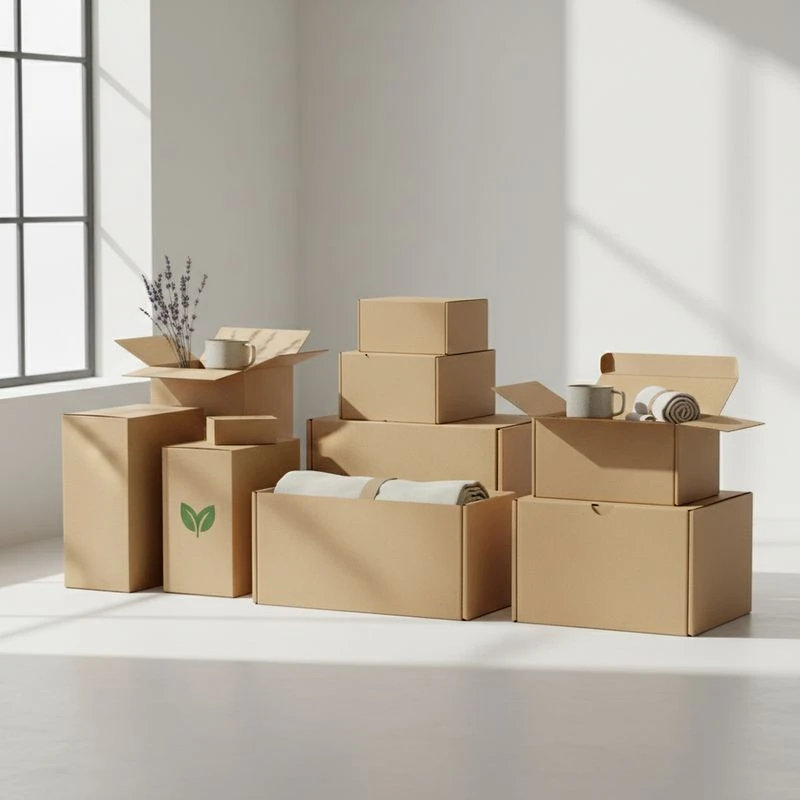
In the vibrant and competitive landscape of the United Kingdom’s subscription box market, standing out is not just an advantage—it’s a necessity. Your product might be exceptional, but its journey from your warehouse to your customer’s doorstep begins and ends with packaging. This isn’t just about protection; it’s about perception, brand identity, and creating an indelible first impression. Custom packaging transforms a simple delivery into an exciting, branded experience, directly influencing customer retention and word-of-mouth marketing. For UK subscription businesses, investing in bespoke packaging is a strategic move that communicates quality, attention to detail, and a deep understanding of your customer’s desire for something special. It’s the silent salesperson that continues to work long after the purchase, reinforcing your brand’s value proposition and fostering a loyal community around your offerings.
Subscription Packaging
Your subscription box’s packaging serves as the initial physical touchpoint between your brand and your customer, carrying immense weight in shaping their overall perception. In the bustling UK market, where consumers are increasingly discerning, generic, unbranded packaging can easily diminish the excitement surrounding your product, making your offering feel less premium. Custom subscription packaging, by contrast, immediately elevates the perceived value, transforming a routine delivery into a highly anticipated event. It is a crucial element in establishing your brand’s identity, conveying its ethos, and distinguishing it from countless competitors vying for attention. The choice of packaging material, its structure, and its ability to withstand the rigours of transit through the UK postal system are all fundamental considerations that impact both customer satisfaction and your bottom line.
When selecting subscription packaging, it’s vital to consider both aesthetic appeal and practical functionality. Mailer boxes, for instance, are a popular choice due to their robust structure and ease of customisation, offering ample surface area for branding. They provide excellent protection for products while maintaining a sleek, professional appearance. Conversely, if your products are small or require less rigid protection, custom pouches or padded envelopes can be a more economical and sustainable option, especially for lighter items. The sustainability factor is particularly important for UK consumers, who are increasingly prioritising eco-friendly choices. Opting for recyclable, biodegradable, or compostable materials can significantly enhance your brand’s appeal and demonstrate a commitment to environmental responsibility. Furthermore, the internal components of your packaging, such as custom inserts or void fillers, play a critical role in securing products and enhancing the unboxing experience, ensuring items arrive pristine and well-presented. Neglecting these details can lead to damaged goods, customer disappointment, and negative reviews, undermining all your other efforts.
To successfully navigate these choices, it’s advisable to work with packaging suppliers who understand the specific demands of the UK market, including shipping regulations and popular consumer preferences. Conduct thorough testing of your chosen packaging with dummy products to simulate transit conditions. This proactive approach helps identify potential pitfalls, such as insufficient protection or oversized packaging that leads to unnecessary shipping costs. Remember that every millimetre and gram can impact shipping tariffs, so optimising dimensions is a smart financial move. Moreover, consider the ease of assembly for your team if you’re packing in-house, or the efficiency for your fulfilment partner. A well-designed packaging solution not only looks good but also streamlines operations, contributing to a seamless and professional service from dispatch to delivery. Investing in quality, purpose-built subscription packaging is not an expense, but a strategic investment in customer loyalty and brand reputation within the competitive UK market.
| Packaging Type | Best For (UK Market) | Key Benefits (Custom Packaging for Subscription Box Businesses) | Cost Implication (Relative) |
|---|---|---|---|
| Mailer Boxes | General subscription boxes, beauty, food, small electronics | Sturdy protection, excellent branding surface, premium feel, eco-friendly options widely available in UK | Medium to High |
| Product Boxes (inner packaging) | Individual items within a larger box, luxury goods, fragile items | Enhanced product presentation, layered unboxing, superior item protection, reinforces brand detail | Medium |
| Custom Pouches/Bags | Small items, samples, soft goods, eco-friendly options | Lightweight, flexible, reduced shipping costs, variety of materials (paper, compostable films) | Low to Medium |
| Custom Inserts/Void Fill | Securing products, adding texture/colour to unboxing, branding | Prevents damage, enhances aesthetic, eco-friendly paper/cardboard options common in UK | Low |
This table outlines popular custom packaging options tailored for the UK subscription box market. Choosing the right type depends heavily on the product, brand aesthetic, and budget. Effective custom packaging for subscription box businesses balances protection with presentation, ensuring a positive customer experience from the moment the parcel arrives.
Custom Printing
Custom printing is the transformative element that takes a plain carton and turns it into a compelling brand ambassador. In the UK’s dynamic subscription box sector, where customers have an abundance of choices, visually distinctive packaging is paramount. It’s no longer sufficient to simply place a small logo on a generic box; the entire surface of your packaging offers a canvas to tell your brand’s story, showcase its personality, and reinforce its unique selling proposition. High-quality custom printing creates immediate recognition and curiosity, prompting customers to share their excitement, both offline and across social media platforms. This visual impact is crucial for building a memorable brand identity and directly contributing to the perceived value of your subscription, making it feel more bespoke and thoughtfully curated.
When diving into custom printing, understanding the available techniques is essential for achieving your desired aesthetic within your budget. Digital printing is an excellent choice for smaller runs and designs requiring intricate details or variable data, offering vibrant colours and quick turnaround times, which is ideal for new or rapidly evolving subscription boxes. Flexographic printing, on the other hand, is highly cost-effective for larger volumes, producing excellent results for designs with fewer colours or simpler graphics. For premium finishes and photographic quality, lithographic printing provides unparalleled detail and colour accuracy, often paired with laminated finishes for a luxurious feel. Beyond the printing method, consider various finishes such as matte or gloss lamination, which not only protect the print but also add a tactile and visual dimension. Spot UV, embossing, or debossing can further elevate specific design elements, creating a sophisticated and memorable texture that stands out in the UK market where quality perception is key.
To ensure your custom printing project is a success, meticulous attention to detail during the design and proofing stages is non-negotiable. Always provide your packaging supplier with high-resolution artwork files, preferably in vector format, to prevent pixelation or blurriness. Insist on physical proofs or mock-ups whenever possible, as colours can appear differently on screen compared to print, especially when dealing with specific brand colours that need to be consistently reproduced using CMYK or Pantone Matching System (PMS) codes. A common pitfall is underestimating the importance of colour consistency across different print runs and packaging components. Inconsistent branding can dilute your brand’s professionalism. Work closely with your designer and packaging manufacturer to understand the limitations and capabilities of different printing techniques on your chosen packaging materials. This collaborative approach helps prevent costly errors and ensures that the final product not only looks exceptional but also faithfully represents your brand’s vision, making your custom packaging for subscription box businesses truly shine and resonate with your UK audience.
| Printing Method | Best For (Custom Packaging for Subscription Box Businesses) | Ideal Quantity | Pros | Cons |
|---|---|---|---|---|
| Digital Printing | Complex designs, variable data, small batches, quick prototyping for UK market tests | Low to Medium (1-5000 units) | High detail, no plate costs, fast turnaround, easy design changes | Higher cost per unit for large volumes, specific colour matching can be challenging |
| Flexographic Printing | High volume, simpler designs, cost-effective on corrugated materials | Medium to High (5000+ units) | Economical for large runs, quick drying, durable on various substrates, good for primary packaging | Lower image quality than litho, setup costs (plates), less suitable for complex graphics |
| Lithographic Printing | Premium brands, high-quality images, vibrant colours, luxury feel for discerning UK consumers | Medium to High (2000+ units) | Exceptional image quality, accurate colour reproduction, wide range of finishes possible | Higher setup costs, longer lead times, usually applied to paper then laminated onto board |
Understanding these custom printing methods is crucial for achieving the desired visual impact and cost-efficiency for your subscription box. Each technique offers distinct advantages, influencing the final look and feel of your custom packaging for subscription box businesses. Careful selection ensures your brand message is delivered with clarity and impact.
B2B Branding
While subscription boxes primarily target individual consumers, the concept of B2B branding through your packaging holds significant, often overlooked, strategic value. Your custom packaging isn’t just speaking to your end-user; it’s also communicating with every business entity that interacts with your product along the supply chain. This includes logistics partners, warehousing facilities, couriers, and even potential retail or corporate gifting partners. A well-branded, professionally designed package signals efficiency, quality control, and a commitment to excellence to all these stakeholders. In the UK, where logistical precision and professionalism are highly valued, your packaging can enhance your reputation and streamline operations, potentially leading to more favourable partnerships and a smoother delivery process, ultimately benefiting your B2C customer experience.
Think of your custom packaging as a silent ambassador for your business, extending its influence beyond the consumer. For logistics and fulfilment partners, clear, consistent branding on your boxes simplifies identification, reduces errors, and often leads to more careful handling of your parcels. When your boxes are easily identifiable and stack efficiently, it demonstrates a well-organised operation, which can be particularly advantageous in busy UK distribution centres. Furthermore, if your subscription box business considers future expansion into corporate gifting or bulk orders, the quality and aesthetic appeal of your custom packaging become direct representations of your brand’s capability and professionalism to potential B2B clients. A beautifully designed, durable box implies a premium service and reliable product, encouraging businesses to trust you with their corporate clients or employees. It showcases that your attention to detail extends beyond the product itself, encompassing the entire delivery experience.
To leverage B2B branding effectively through your custom packaging, ensure consistency across all your packaging elements, from individual boxes to potential master cartons. Develop clear brand guidelines that cover logo placement, colour palettes, and typography, and ensure your packaging supplier adheres to them rigorously. Consider practical aspects such as barcode placement and clear product identification, which are critical for efficient inventory management and shipping within the UK’s logistical framework. A potential pitfall is overlooking the durability of your packaging for bulk transit or not considering how it will look when stacked or grouped. Flimsy or inconsistently branded packaging can convey a lack of professionalism to your B2B partners, potentially impacting service quality or future opportunities. By focusing on robust design, clear messaging, and a professional aesthetic in your custom packaging for subscription box businesses, you not only delight your end-users but also build a strong, reliable image with key business partners, fostering trust and opening doors for growth in the UK market.
Unboxing Experience
The unboxing experience transcends the mere act of opening a package; it’s a meticulously crafted narrative that captivates your customer and transforms a simple transaction into an unforgettable, shareable event. In today’s highly digital world, especially within the UK’s discerning consumer market, the unboxing moment has become a pivotal part of a subscription box’s appeal. It’s the grand reveal, the climax of anticipation built since the order was placed. A thoughtfully designed unboxing journey elicits joy, surprise, and a sense of discovery, fostering a deep emotional connection between the customer and your brand. This experience is invaluable for generating authentic user-generated content, encouraging customers to share their excitement across social media platforms, thereby providing organic marketing and strengthening brand advocacy.
Crafting an exceptional unboxing experience involves orchestrating several elements to create a cohesive and engaging reveal. It begins with the outer custom packaging for subscription box businesses—its design, texture, and the initial feel in the customer’s hands. Upon opening, an inner print or a branded message can provide the first layer of delight, followed by the careful arrangement of products. Consider using custom inserts or dividers that not only protect items but also present them artfully, creating a sense of order and care. Branded tissue paper, shredded paper, or wood wool can add a tactile dimension and visual appeal, subtly reinforcing your brand’s aesthetic. Beyond aesthetics, functional elements like easy-to-open flaps and clear instructions contribute to a seamless experience. The inclusion of personalised notes, discount codes for future purchases, or informative product cards further enriches the experience, making the customer feel valued and understood, which is particularly resonant with UK consumers who appreciate bespoke touches.
To truly master the unboxing experience, it’s crucial to map out the customer’s journey step-by-step, from the moment they receive the package to the final discovery of its contents. Prototype different arrangements and gather feedback to refine your approach. A common pitfall is over-stuffing the box or presenting items haphazardly, which can lead to frustration or a feeling of cheapness. Conversely, an empty-feeling box that lacks sufficient void fill might make products seem less substantial. Aim for a balance that feels generous and well-organised. Think about incorporating sensory elements: a pleasant, subtle scent if appropriate, or materials that offer satisfying textures and sounds. The goal is to create a multi-sensory journey that delights and surprises. By consistently delivering a remarkable unboxing experience, your UK subscription box business can cultivate stronger customer loyalty, inspire positive reviews, and significantly reduce churn, turning first-time subscribers into long-term brand advocates through the sheer joy of discovery.
Design
Effective design serves as the bedrock upon which all successful custom packaging is built, acting as the strategic intersection where aesthetics meet functionality. For subscription box businesses operating in the competitive UK market, design is not merely about making a box look pretty; it’s a meticulous process that harmonises brand identity, product protection, logistical efficiency, and environmental considerations into a single, cohesive solution. A professionally designed package ensures your brand makes a powerful first impression, communicates its values clearly, and provides a seamless, enjoyable experience for the customer. It is the silent architect guiding the entire interaction, from how the package is perceived upon arrival to the ease of its unboxing and eventual recycling, directly influencing customer satisfaction and brand loyalty.
The principles of good packaging design are multifaceted, demanding attention to clarity, consistency, functionality, and sustainability. Clarity in design means your brand message, logo, and essential information are immediately understandable and visually prominent. Consistency ensures that your packaging aligns with your overall brand guidelines, creating a unified and professional image across all customer touchpoints. Functionality is paramount; the design must ensure the package adequately protects its contents during transit across the UK, is easy for the customer to open, and facilitates efficient packing by your team or fulfilment partner. Sustainability, as mentioned earlier, is a growing expectation among UK consumers, making choices like FSC-certified card, vegetable-based inks, and designs that minimise material waste critical design considerations. Collaborating with an experienced packaging designer or a specialist packaging manufacturer is key here, as they can translate your brand vision into a technically sound and aesthetically pleasing reality, advising on material suitability and printing techniques.
To embark on a successful packaging design journey, begin with a comprehensive design brief that clearly articulates your brand’s values, target audience, product specifications, and budget constraints. This foundation enables designers to develop solutions that are not only visually appealing but also practical and cost-effective. Consider both the graphic design (colours, typography, imagery) and the structural design (box type, inserts, closure mechanisms). A common pitfall is overlooking how the design will translate from a digital screen to a physical object, leading to unexpected variations in colour or print quality. Always request physical samples or mock-ups to verify the design, feel, and functionality before committing to a full production run. Furthermore, integrate the unboxing experience directly into your design process, envisioning each step the customer will take. By prioritising intelligent design for your custom packaging for subscription box businesses, you create a product that not only captivates your UK audience but also reinforces your brand’s professionalism, innovation, and commitment to quality, setting you apart in a crowded market.
