
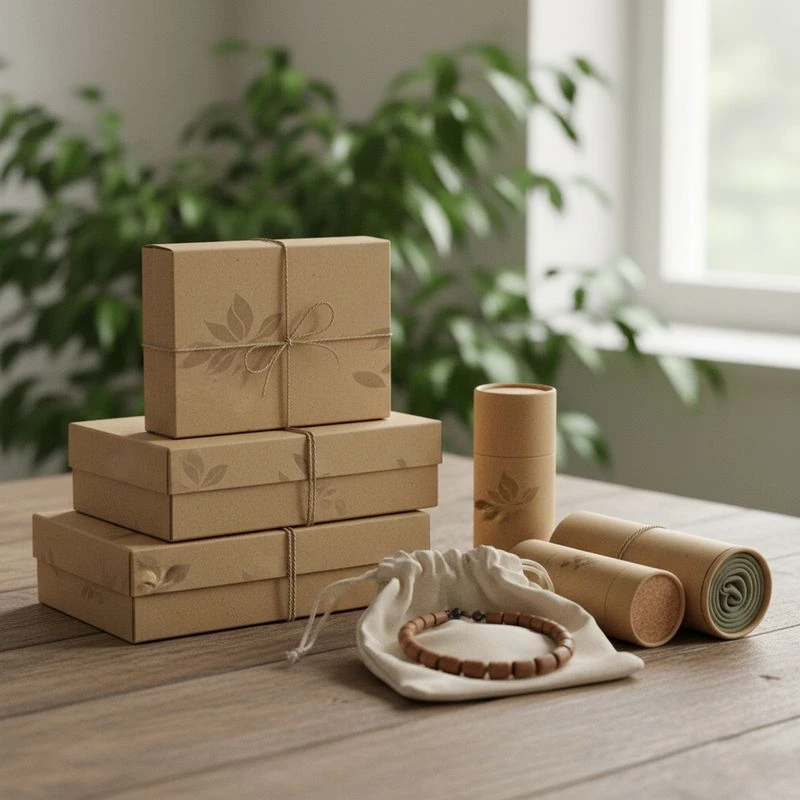
Fashion Accessories Packaging
The first impression is often the most lasting, and for sustainable fashion accessories in the United Kingdom market, packaging is that crucial initial touchpoint. It’s no longer enough for your accessories to be sustainable; their presentation must unequivocally communicate those same eco-conscious values. The right custom packaging for sustainable fashion accessories isn’t just about protecting the product; it’s a powerful narrative tool that speaks volumes about your brand’s commitment to the planet, enhancing the perceived value and fostering customer loyalty. Consumers in the UK are increasingly discerning, actively seeking brands that demonstrate genuine dedication to environmental responsibility across their entire product lifecycle, starting from the moment the package arrives at their door.
Understanding the unique requirements of fashion accessories is paramount when designing custom packaging. Items like delicate jewellery, silk scarves, elegant belts, or even bespoke sunglasses each demand specific levels of protection and presentation that reflect their inherent quality and the care taken in their creation. A flimsy, generic box that quickly ends up in landfill undermines the message of a sustainably crafted accessory. Instead, we must consider materials that are robust yet kind to the environment, designs that offer an elevated unboxing experience without unnecessary waste, and structures that ensure the item arrives in pristine condition. This thoughtful approach not only safeguards your product during transit but also reinforces your brand’s commitment to quality and sustainability, transforming a transactional moment into a memorable brand interaction.
To implement truly effective custom packaging for sustainable fashion accessories, brands should begin by conducting a comprehensive audit of their product range and their current packaging solutions. Identify the specific protection needs for each category of accessory: a small jewellery box might require internal padding, while a scarf might benefit from a simple, elegant pouch within a mailer. Explore the vast array of sustainable materials available in the UK, from FSC-certified recycled paper and board to innovative biodegradable alternatives like mushroom-based packaging or even fabric scraps repurposed into protective wraps. Consider how each component contributes to the overall weight and volume, aiming for minimalism without sacrificing protection or aesthetic appeal. Engaging with packaging experts who understand both sustainable materials and the nuances of the fashion industry can provide invaluable insights and guide you toward solutions that are both practical and principled, ensuring every element aligns with your brand’s ethos and resonates with the UK’s environmentally-aware consumer base.
| Packaging Material | Typical Use for Fashion Accessories | Sustainability Benefits (UK Market) | Key Considerations |
|---|---|---|---|
| FSC-Certified Recycled Cardboard/Paperboard | Jewellery boxes, accessory boxes, mailer boxes, hang tags | High recyclability in UK, made from post-consumer waste, supports responsible forestry. | Versatile, printable, can be rigid or flexible. May require protective inserts for delicate items. |
| Kraft Paper (Unbleached) | Pouches, wrapping paper, minimalist boxes | Naturally compostable/recyclable, minimal processing, often made from virgin or recycled pulp. | Natural, rustic aesthetic. Less vibrant print capabilities, moderate durability. |
| Organic Cotton/Linen Fabric | Drawstring pouches for jewellery/scarves, dust bags | Reusable, biodegradable (if natural fibres), often ethically sourced. | Premium feel, reusable by consumer. Higher cost, not suitable for rigid protection. |
| Corn Starch/PLA (Bioplastic) | Protective sleeves, clear windows (use with caution) | Compostable under industrial conditions, reduces reliance on fossil fuels. | Clear alternative to conventional plastic. Industrial composting facilities limited in UK. |
This table illustrates various sustainable packaging materials commonly used for fashion accessories, highlighting their suitability and environmental merits within the UK context. Choosing the right material depends on the accessory’s fragility, desired aesthetic, and the brand’s specific sustainability goals, always keeping end-of-life recycling or composting in mind. Brands must ensure the chosen material is genuinely sustainable throughout its lifecycle, from sourcing to disposal.
Recyclable
When it comes to custom packaging for sustainable fashion accessories, the commitment to recyclability is not merely a desirable feature but an absolute necessity, especially for brands operating within the discerning United Kingdom market. UK consumers are increasingly educated about waste management and expect brands to provide packaging that can be easily and widely recycled through kerbside collections. Failing to prioritise clear recyclability undermines any other sustainability efforts your brand might make, potentially leading to consumer distrust and a negative brand perception. The true essence of sustainable packaging extends beyond just using recycled materials; it encompasses the entire lifecycle, ensuring that the packaging can be effectively reintegrated into the circular economy once its primary function is complete.
Achieving optimal recyclability requires careful consideration of every component within your packaging design. This means actively avoiding complex, multi-material constructions that can make separation and processing at recycling facilities difficult, if not impossible. For instance, a beautifully designed paper box with a non-removable plastic laminate or a metallic coating often becomes unrecyclable, despite the core material being paper. Similarly, the glues, inks, and coatings used play a critical role; water-based or vegetable-based alternatives are preferable as they do not contaminate the recycling stream or hinder the repulping process. Brands must also understand that “biodegradable” or “compostable” labels do not automatically equate to “recyclable,” and in many cases, these materials require specific industrial composting facilities that are not universally available across the UK, potentially leading to them being sent to landfill if incorrectly disposed of by the consumer.
To ensure your custom packaging for sustainable fashion accessories is genuinely recyclable in the UK, a proactive approach is required. Firstly, opt for mono-material designs wherever possible, primarily using widely recycled materials like FSC-certified paper and cardboard. If different materials are absolutely necessary, ensure they are easily separable by the end-user. Secondly, integrate clear, universally recognised recycling symbols, such as those provided by the On-Pack Recycling Label (OPRL) scheme, which offers specific guidance tailored to the UK recycling infrastructure. This empowers consumers to dispose of packaging correctly and confidently. Thirdly, work closely with your packaging supplier to confirm that all inks, adhesives, and finishes are compatible with recycling processes. Engage in open discussions about their sustainable manufacturing practices and material sourcing. By taking these deliberate steps, your brand can not only meet but exceed consumer expectations for environmental responsibility, truly closing the loop on your sustainable fashion accessories packaging and reinforcing your commitment to a circular economy in the UK.
| Packaging Component | UK Recycling Status (General) | Tips for Enhanced Recyclability |
|---|---|---|
| Cardboard Boxes (Corrugated/Solid Board) | Widely accepted kerbside | Ensure clean, dry, remove tape where possible. Avoid plastic laminates. |
| Paper & Paperboard (e.g., rigid boxes, hang tags) | Widely accepted kerbside | Use uncoated or water-based coatings. Vegetable/soy-based inks are preferred. |
| Plastic Pouches (e.g., for scarves) | Limited kerbside acceptance (often store drop-off for film) | Choose mono-material plastics (e.g., LDPE 4). Clearly label disposal instructions (e.g., “return to supermarket”). Avoid mixed plastics. |
| Tissue Paper/Void Fill (Paper) | Widely accepted kerbside | Use unbleached or recycled content. Avoid glitter or plastic coatings. |
| Biodegradable/Compostable Films (e.g., PLA) | Not widely accepted kerbside; require industrial composting | Only use if you can guarantee access to industrial composting or clear consumer guidance for specialised disposal. |
This table outlines the general recycling status of common packaging components in the UK and provides actionable tips to improve their recyclability. Understanding these guidelines is crucial for brands to design custom packaging for sustainable fashion accessories that genuinely supports circular economy principles. Clear labelling and material choice are key to ensuring consumers can easily and correctly recycle the packaging, thereby fulfilling your brand’s environmental promise.
B2B Design
Designing custom packaging for sustainable fashion accessories with a strong B2B focus is about far more than just aesthetics; it’s a strategic imperative that streamlines operations, minimises costs, and significantly reduces environmental impact throughout the entire supply chain within the United Kingdom market. While the end-consumer experience is vital, neglecting the journey from manufacturer to retailer or fulfillment centre can lead to inefficiencies, product damage, and ultimately, increased waste. Effective B2B packaging ensures that products are protected during bulk transit, can be easily handled and stored by warehouse staff, and arrive at their final destination ready for the next stage, whether that’s a retail display or direct-to-consumer dispatch. A well-considered B2B design can drastically reduce logistical headaches and contribute significantly to a brand’s overall sustainability objectives.
One of the primary benefits of an optimised B2B packaging design is the potential for substantial cost savings. By designing packaging that is stackable, dimensionally efficient, and robust, brands can maximise space utilisation in shipping containers and warehouses, leading to fewer shipments, reduced fuel consumption, and lower storage costs. This efficiency translates directly into a smaller carbon footprint, aligning perfectly with the ethos of sustainable fashion accessories. Furthermore, packaging engineered for durability and protection minimises product damage during transit, cutting down on returns, rework, and the waste associated with damaged goods. For fashion businesses, where every item represents an investment of resources, ensuring products arrive in perfect condition is critical. This approach also extends to the ease of assembly and packing for your own teams or third-party logistics providers, reducing labour costs and improving operational flow.
To effectively implement B2B considerations into your custom packaging for sustainable fashion accessories, brands should adopt a multi-faceted approach. Start by collaborating closely with your logistics partners and retailers in the UK to understand their specific handling, storage, and display requirements. Design outer cartons and internal protective elements that are sturdy, made from recycled content, and optimally sized to fit standard pallets or shipping containers. Incorporate features like easy-open designs for retailers to quickly access products without damaging the packaging, or modular components that can be adapted for different product sizes. Utilise void fillers made from recycled paper or biodegradable alternatives, but always aim to minimise their necessity through smart product fitting. Performing transit testing on your packaging designs is a crucial step to identify potential weaknesses and ensure that your sustainable accessories are fully protected from point A to point B, guaranteeing both product integrity and an efficient, eco-friendly supply chain.
| B2B Design Parameter | Key Consideration for Sustainable Fashion Accessories | Impact on Sustainability/Efficiency |
|---|---|---|
| Dimensional Efficiency | Optimise packaging size to fit standard pallets/shipping cartons. | Reduces void space, lowers transport costs, decreases fuel consumption. |
| Stackability & Durability | Use rigid, robust recycled cardboard for outer cartons. Design for even weight distribution. | Prevents product damage during transit/storage, reduces waste from breakages. |
| Ease of Handling | Incorporate handles or ergonomic features for warehouse staff. Consistent sizing. | Speeds up logistics, reduces labour, less potential for mishandling/damage. |
| Protective Inserts | Utilise custom-fit pulp inserts or recycled paper dividers. | Secures delicate items without excess material. Reduces need for non-recyclable void fill. |
| Material Sourcing | Prioritise local UK suppliers for packaging materials. | Reduces transportation emissions, supports local economy, faster lead times. |
This table details critical B2B design parameters for custom packaging for sustainable fashion accessories, emphasising their impact on efficiency and sustainability. By focusing on these aspects, brands can significantly improve their supply chain operations in the UK, minimising waste and costs while ensuring products arrive safely. Strategic B2B packaging design is an integral part of a holistic sustainability strategy, contributing to both environmental and economic benefits.
Brand Aesthetic
The brand aesthetic of your custom packaging for sustainable fashion accessories is arguably as crucial as the sustainability credentials themselves, serving as a powerful visual and tactile extension of your brand’s identity and values within the competitive United Kingdom market. In an era where consumers are bombarded with choices, packaging is often the first physical encounter they have with your brand, setting the tone for their entire experience. For sustainable fashion, this means conveying a message of thoughtful design, quality, and environmental consciousness not just through words, but through every element of the packaging’s look and feel. A strong brand aesthetic elevates your products from mere commodities to cherished items, reinforcing the idea that sustainable choices can also be luxurious, stylish, and highly desirable, thereby commanding a premium and fostering deep customer loyalty.
Developing a cohesive brand aesthetic for sustainable packaging involves a delicate balance of form, function, and philosophy. It begins with a clear understanding of your brand’s core identity: what emotions do you want to evoke? Is it minimalist sophistication, natural elegance, or vibrant playfulness? These elements must then be translated into sustainable materials and printing techniques. For instance, the natural texture of recycled paper or uncoated board can immediately convey an earthy, authentic feel, perfectly complementing an eco-friendly brand. Subtle debossing or embossing can add a touch of understated luxury without the need for excessive ink coverage. Colour palettes should be thoughtfully chosen to align with your brand’s story, whether that’s muted tones reflecting natural dyes or vibrant hues symbolising innovation. The aim is to create an unboxing experience that is not only visually appealing but also tactilely rich, inviting the customer to connect with your brand on multiple sensory levels.
To effectively integrate brand aesthetic into your custom packaging for sustainable fashion accessories, consider these actionable steps. Firstly, invest in professional graphic design that specialises in eco-friendly materials, as they understand the limitations and opportunities these mediums present. They can guide you in choosing inks (like soy- or vegetable-based), finishes (such as matte, water-based varnishes), and printing methods that maintain your aesthetic without compromising recyclability. Secondly, leverage the inherent beauty of sustainable materials; often, less is more. Allow the natural textures and colours of recycled cardstock or organic cotton pouches to shine through, using minimalist design to highlight your brand logo and essential information. Thirdly, use your packaging as a storytelling tool. Incorporate discreet messaging about your sustainable practices, the origin of your materials, or the positive impact of your accessories. This narrative element strengthens the emotional connection with the customer and reinforces your brand’s commitment, transforming packaging from a mere container into a meaningful part of your sustainable fashion journey, resonating deeply with the conscientious consumers in the UK.
Printing
The printing process is a critical, yet often overlooked, component in creating truly sustainable custom packaging for fashion accessories, particularly for brands serving the environmentally aware United Kingdom market. While the choice of eco-friendly materials forms the foundation, the inks, coatings, and methods used during printing can significantly impact the packaging’s overall environmental footprint and its ultimate recyclability. A misalignment between sustainable material choices and conventional printing practices can undermine your brand’s green message, as petroleum-based inks or non-recyclable laminates can contaminate paper recycling streams. Therefore, a holistic approach demands that sustainability considerations extend to every stage of packaging production, ensuring that your vibrant designs and brand messaging are delivered with the same environmental integrity as your fashion accessories themselves.
Understanding the environmental implications of different printing options is essential. Traditional petroleum-based inks, for instance, often contain volatile organic compounds (VOCs) that can contribute to air pollution and complicate the de-inking process during recycling. In contrast, vegetable-based or soy-based inks are derived from renewable resources, are biodegradable, and generally easier to remove from paper fibers, making the recycling process more efficient. Similarly, certain coatings and laminates, while enhancing durability or aesthetic appeal, can render paper and cardboard unrecyclable if they are not water-based or easily separable. The energy consumption of printing machinery and the waste generated during print runs also contribute to the environmental impact. Brands committed to sustainability must scrutinise these aspects, seeking partners who not only offer eco-friendly ink alternatives but also employ energy-efficient processes and robust waste reduction strategies in their operations.
To ensure your custom packaging for sustainable fashion accessories aligns with best printing practices, proactive engagement with your packaging supplier is paramount. Firstly, specify the use of vegetable or soy-based inks for all print jobs. These inks perform exceptionally well on most sustainable substrates and are widely available from reputable printers in the UK. Secondly, opt for water-based varnishes or coatings if additional protection or a specific finish is required, avoiding plastic laminates entirely unless they are part of a monomaterial, easily recyclable structure. Thirdly, discuss the printing method itself: digital printing is excellent for smaller batches, reducing waste associated with plate changes, while offset printing with eco-inks is suitable for larger volumes. Always request to see certifications like FSC for paper sourcing and ISO 14001 for environmental management from your print partner. Finally, consider minimalist design principles for your prints; strategic use of less ink, relying on the natural texture of the material, or employing techniques like debossing can create a sophisticated aesthetic while further reducing environmental impact, ensuring your brand in the UK communicates its sustainable message truly from the inside out.
