
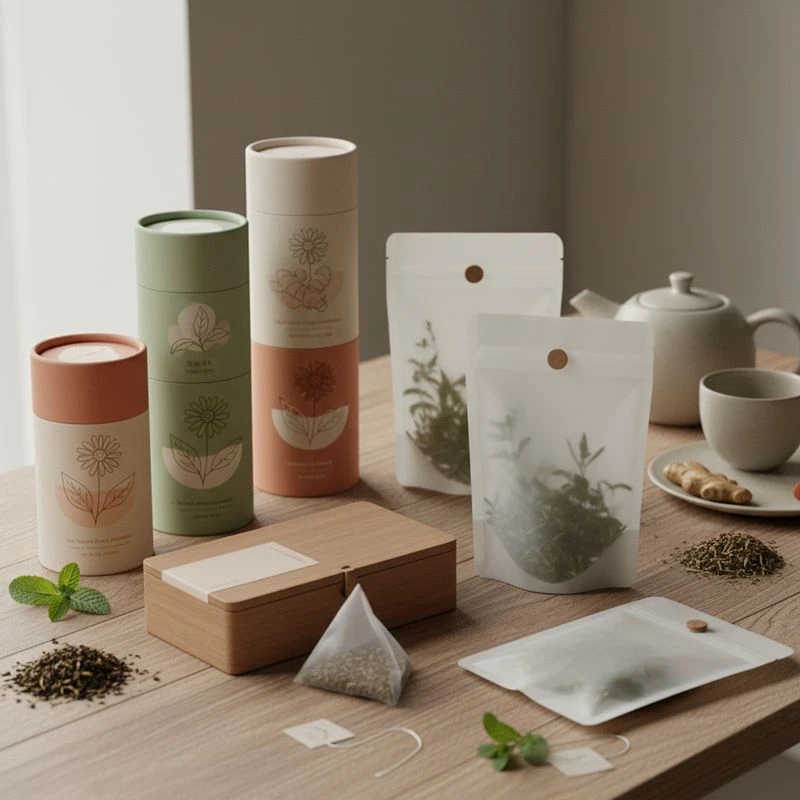
In the vibrant and competitive United Kingdom market, the packaging for your tea and herbal brand is far more than just a container; it’s a silent salesperson, a guardian of quality, and a powerful storyteller. For businesses operating in this sector, investing in custom packaging is not merely an option but a strategic imperative. It’s the critical first impression that captures a consumer’s attention on a crowded shelf, communicates your brand’s values, and crucially, ensures the delicate aromas and therapeutic properties of your products are perfectly preserved from production to the consumer’s cup. Failing to prioritise thoughtful, high-quality custom packaging can lead to diminished brand perception, product spoilage, and ultimately, lost sales in a market increasingly focused on authenticity, sustainability, and sensory experience. By understanding the nuances of materials, printing, and design, UK tea and herbal brands can transform their packaging into a compelling asset that truly elevates their presence.
Tea Packaging
Effective tea packaging is absolutely non-negotiable for preserving the freshness, aroma, and delicate flavour profiles that define high-quality tea and herbal infusions, directly impacting consumer perception and encouraging repeat purchases. Tea, in all its forms, is inherently sensitive to external factors such as light, moisture, oxygen, and foreign odours, each of which can rapidly degrade its quality. Imagine a meticulously sourced Darjeeling or a carefully blended herbal sleep tea losing its essence before it even reaches the consumer’s mug – this is the pitfall of inadequate packaging. The right materials act as robust barriers, sealing in the product’s natural integrity and extending its shelf life, which is paramount for both consumer satisfaction and brand reputation. When considering options for your custom tea packaging, it’s essential to think beyond mere aesthetics and delve into the functional properties that will safeguard your product.
For UK tea and herbal brands, several actionable steps can be taken to ensure optimal packaging. Firstly, consider your material choices. Popular options include stand-up pouches, which offer excellent barrier properties and shelf presence; flat-bottom bags, providing stability and generous branding space; and more traditional cartons, often paired with an inner high-barrier liner for added protection. Tins can also be a premium choice for certain specialty teas. Secondly, focus on barrier types: metallised films, aluminium foil, and EVOH (ethylene-vinyl alcohol) are highly effective in blocking oxygen, moisture, and UV light. Ensure your packaging incorporates features like reclosable zippers or strong heat seals to maintain freshness after opening, and tear notches for ease of access. For loose leaf teas, larger pouches or tins are often preferred, while tea bags might utilise individual flow-wrap films inside a carton. A significant consideration for UK brands is the growing demand for sustainability; exploring compostable or recyclable packaging materials, such as those made from renewable resources or with easily separable layers, can resonate strongly with eco-conscious consumers. The primary pitfall here is underestimating the environmental challenges your tea faces, leading to generic, non-barrier packaging that results in a noticeably degraded product. The solution lies in proactively investing in specialised, high-quality materials designed specifically for tea, often validated through shelf-life testing, to ensure that every cup delivers the intended experience.
| Packaging Material Type | Barrier Properties (O2/Moisture/Light) | Typical Cost (Relative) | Shelf Appeal | Sustainability Potential | Best For Custom Packaging |
|---|---|---|---|---|---|
| Stand-Up Pouch (Foil/Metallized) | Excellent | Medium | High (modern, versatile) | Good (recyclable options emerging) | Loose leaf, speciality blends |
| Carton with Inner Liner | Good (liner dependent) | Medium | Good (classic, traditional) | Fair (liner often not recyclable) | Tea bags, gift sets |
| Metal Tin | Excellent | High | Premium, reusable | Very good (highly recyclable) | Luxury, limited editions |
| Glass Jar | Good (light protection needed) | High | Premium, visible product | Very good (highly recyclable) | Herbal tinctures, smaller quantities |
This table illustrates the diverse landscape of custom packaging materials available for tea and herbal brands, highlighting their key attributes for the UK market. Brands should carefully weigh barrier effectiveness against cost and sustainability, aligning their choice with product type and target consumer values. For instance, while metal tins offer superior barrier and premium appeal, their higher cost might make them more suitable for luxury items, whereas flexible pouches provide a cost-effective, high-barrier solution for everyday and specialty teas.
Pouches
Flexible pouches, particularly stand-up and flat-bottom pouches, represent an exceptionally versatile and highly effective solution for custom packaging within the UK tea and herbal sector. They offer unparalleled barrier protection, significant real estate for brand messaging, and a host of practical advantages that have made them a cornerstone of modern food and beverage packaging. The primary takeaway here is that these pouch formats are not just convenient; they are engineered to protect and promote your product with remarkable efficiency. Their lighter weight translates directly into reduced shipping costs and a smaller carbon footprint compared to rigid packaging, which is a significant factor for UK brands keen on demonstrating environmental responsibility. Moreover, the inherent flexibility of pouches means less material waste during manufacturing and often a more efficient use of shelf space, making them attractive to retailers.
The reasoning behind their widespread adoption lies in their multi-layered construction. Typically, a pouch consists of several layers of different materials, each chosen for a specific property – a robust outer layer for print and durability (like PET), an oxygen barrier (like metallised PET or EVOH), and an inner sealable layer (like PE). This combination creates a powerful shield against moisture, oxygen, UV light, and external contaminants, preserving the delicate aromas and therapeutic qualities of your tea and herbal infusions. Actionable steps for brands include exploring the various types of pouches; stand-up pouches are excellent for shelf presence and reclosability, while flat-bottom pouches offer a box-like appearance with four printable sides. Customisation through digital printing allows for vibrant, high-resolution graphics, intricate designs, and even variable data printing for multiple SKUs or promotional messaging. Brands can choose from matte, gloss, or even soft-touch finishes to enhance tactile appeal, and incorporate features such as convenient zip locks, tear notches, and even clear windows to showcase the product within. A potential pitfall is selecting a pouch material with insufficient barrier properties or experiencing poor seal integrity during manufacturing, leading to a compromised product. The solution involves rigorous material specification, partnering with reputable B2B printing suppliers known for quality control, and performing seal strength tests to ensure the integrity of every pouch. These measures guarantee that the excellent properties of the pouch are fully leveraged to protect your valuable tea and herbal products.
| Pouch Feature | Benefit for Tea/Herbal Brands (Custom Packaging) | Impact on Consumer Experience |
|---|---|---|
| Reclosable Zipper | Maintains freshness after opening, prevents spillage. | Convenience, preserves aroma & flavour over time. |
| Tear Notch | Easy, clean opening without scissors. | User-friendly, enhances initial product interaction. |
| Transparent Window | Showcases product visually, builds trust. | Allows consumers to see quality, adds authenticity. |
| Matte Finish | Premium, sophisticated tactile feel, reduces glare. | Perceived luxury, natural aesthetic, stands out. |
| Foil/Metallized Liner | Superior barrier against oxygen, moisture, light. | Maximum protection for delicate tea/herbal properties. |
This table highlights crucial features of custom pouch packaging and their direct benefits for tea and herbal brands, focusing on how each element enhances product preservation and consumer satisfaction. From the practical utility of reclosable zippers to the aesthetic and trust-building role of a transparent window, these features are integral to creating a premium and functional packaging experience. Brands should carefully select these additions to align with their product’s needs and target audience expectations.
B2B Printing
Partnering with a specialised B2B printing service for your custom packaging is absolutely crucial for achieving high-quality, consistent, and cost-effective results that accurately reflect your tea and herbal brand’s identity in the competitive UK market. This isn’t just about putting ink on a surface; it’s about translating your brand’s essence into a tangible form that resonates with consumers. The complexities involved in custom printing – from precise colour matching across different substrates to understanding material compatibility and selecting the most appropriate print technology – make a dedicated B2B partner indispensable. They possess the expertise and equipment to navigate these intricacies, ensuring that your vision is realised without compromise, while also advising on minimum order quantities (MOQs) and cost efficiencies that can significantly impact your budget.
To navigate this process successfully, there are several actionable steps for tea and herbal brands. Firstly, when choosing a B2B printer, prioritise those with demonstrable experience in food-grade packaging and relevant certifications such as BRCGS (Brand Reputation Compliance Global Standard) or ISO, which assure adherence to stringent quality and safety standards. Look for partners who offer comprehensive design support, not just printing, and inquire about their typical turnaround times, especially for rush orders or seasonal campaigns. Secondly, prepare a detailed design brief. This should include precise brand guidelines, desired finishes (e.g., matte, gloss, spot UV), specific colour codes (Pantone is highly recommended for accuracy), and a clear understanding of your product’s unique selling points. Thirdly, engage thoroughly in the proofing process. Always request digital proofs to confirm layout and text, and whenever possible, insist on physical samples or press proofs to verify colour accuracy and material feel before full production commences. Printing technologies vary: digital printing is excellent for smaller runs, multiple SKUs, and rapid design changes without plate costs, while flexographic printing is often more cost-effective for larger volumes, offering consistent quality at scale. A common pitfall for brands is inconsistent branding or poor print quality resulting from cutting corners, which can severely undermine brand perception. The solution lies in proactive communication, meticulous proofing, and selecting a B2B printer with a strong portfolio and proven track record within the food and beverage industry, particularly for custom packaging for tea and herbal brands, ensuring that every package perfectly embodies your brand’s commitment to excellence.
Scent Protection
Effective scent protection is paramount for tea and herbal products, safeguarding their delicate aromas from degradation and preventing cross-contamination, which directly influences consumer satisfaction and perceived quality within the UK market. The unique and often subtle fragrances of teas and herbal infusions are not merely incidental; they are fundamental to the overall sensory experience and often indicative of their freshness and efficacy. Imagine a soothing chamomile blend that has lost its calming aroma, or a vibrant peppermint tea that smells faintly of plastic – these scenarios directly undermine the product’s value and the brand’s promise. Aromas are volatile compounds, highly susceptible to evaporation, oxidation, and absorption by external odours, making robust protection an essential aspect of custom packaging. If not adequately protected, the very essence of your tea or herbal product can dissipate, leaving consumers with a disappointing and uninspiring experience.
To ensure superior scent protection for your custom packaging for tea and herbal brands, several actionable steps can be taken. The cornerstone of effective scent retention lies in material science: multi-layer films featuring high-barrier properties are critical. Materials such as aluminium foil, metallised films, and layers containing EVOH (ethylene-vinyl alcohol) are highly effective at preventing the ingress of oxygen and moisture, which are primary culprits in aroma degradation. These layers also create a formidable barrier against external odours, preventing any undesirable contamination. Secondly, the integrity of the sealing mechanism cannot be overstated. Robust, airtight heat seals are vital, as are high-quality reclosable zippers or secure lids for tins and jars. Any weakness in the seal can lead to gradual aroma loss. For products packaged in cartons, incorporating a high-barrier inner liner or a sealed inner pouch provides an additional layer of defence. Furthermore, advising consumers on proper storage conditions after opening, such as keeping the product in a cool, dry, and dark place, can help maintain scent integrity even post-purchase. A significant pitfall is the use of packaging materials with inadequate barrier capabilities, leading to premature aroma loss or the absorption of off-notes. The solution involves rigorous testing of packaging materials for their barrier performance against volatile organic compounds and ensuring that all sealing processes are meticulously controlled to prevent any leakage, thereby preserving the product’s aromatic profile from the moment it leaves your facility until it reaches the consumer’s cup.
Brand Appeal
Custom packaging is undeniably a powerful marketing tool, acting as a silent salesperson on the shelf, telling your brand story, and ultimately driving purchase decisions through compelling visual and tactile experiences in the competitive UK market. In a world saturated with choices, your packaging is often the very first point of contact a consumer has with your brand, and this initial interaction is pivotal. It’s an opportunity to convey your values, articulate your unique selling proposition, and differentiate your product from the multitude of others vying for attention. The psychology of colour, the elegance of typography, the power of imagery, and the nuanced feel of material finishes all combine to create a holistic sensory experience that can either captivate or deter a potential customer. For tea and herbal brands, where sensory attributes like aroma and origin play a significant role, packaging must not only protect but also entice, reflecting the quality and care within.
To maximise brand appeal through custom packaging, UK tea and herbal brands should focus on several actionable design elements. Firstly, your colour palette should align perfectly with your brand’s ethos; earthy tones might convey organic purity, vibrant hues could suggest energising blends, while muted pastels might evoke calm and serenity. Secondly, typography must be both readable and reflective of your brand’s personality, whether it’s a sophisticated script for a luxury range or a bold, clean sans-serif for a modern, approachable brand. Thirdly, compelling imagery, such as elegant botanical illustrations, aspirational lifestyle photography, or even a simple window to showcase the product, can significantly enhance appeal. Consider the power of finishes: a matte finish often communicates premium quality and a natural feel, while a glossy finish can make colours pop and suggest vibrancy. Spot UV can be used selectively to highlight logos or key textual elements, adding a tactile and visual layer of sophistication. Beyond aesthetics, use your packaging space for storytelling – briefly convey your brand’s origin, values, sustainability efforts, or the unique benefits of the blend. Enhance the user experience with features like easy-open tear notches and robust reclosable zippers, which convey thoughtful design and convenience. It is also vital to tailor your design to your specific target audience within the UK, whether they are health-conscious millennials, luxury-seeking professionals, or environmentally aware consumers. A significant pitfall is creating generic, uninspired packaging that blends into the background, or poor print quality that undermines a great design. The solution involves investing in professional graphic design expertise, conducting market research to understand consumer preferences, and partnering with a B2B printer capable of flawlessly executing your design vision, ensuring every package is a true reflection of your brand’s excellence.
| Brand Appeal Element | Impact on Consumer Perception | Example for Custom Tea Packaging |
|---|---|---|
| Colour Palette | Evokes emotion, communicates brand identity and product benefits. | Warm green & brown for organic, vibrant yellow for energising herbal blends. |
| Typography | Conveys brand personality (e.g., modern, traditional, luxurious). | Elegant serif font for high-end black tea, bold sans-serif for everyday herbal tea. |
| Material Finish | Adds tactile appeal, suggests quality and aesthetic. | Soft-touch matte finish for a premium, natural feel; gloss for vibrant fruit teas. |
| Imagery/Graphics | Captures attention, tells a story, showcases product visually. | Detailed botanical illustration of ingredients; minimalist design with brand logo focus. |
| Eco-Messaging | Connects with values, builds trust, highlights sustainability. | Prominent ‘Recyclable’ or ‘Compostable’ labels, FSC certification logo. |
This table illustrates how specific custom packaging elements significantly influence consumer perception and enhance brand appeal for tea and herbal products in the UK. Each component, from the chosen colour scheme to the tactile feel of the packaging material and the overt communication of eco-values, plays a vital role in crafting a compelling and memorable brand narrative. Brands must carefully integrate these elements to create packaging that not only protects their product but also powerfully connects with their target audience, encouraging both initial purchase and lasting loyalty.
