
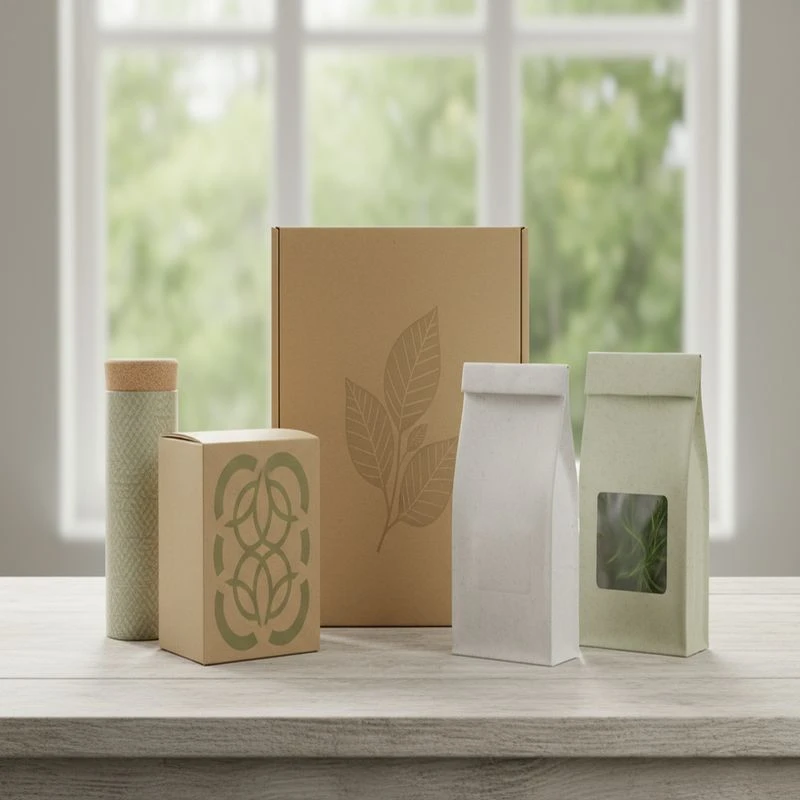
In the bustling United Kingdom market, brands specialising in vegan and organic products face a unique opportunity to distinguish themselves through their packaging. It’s no longer enough for a product to be plant-based or sustainably farmed; its presentation must echo those core values, creating a cohesive and trustworthy narrative for the consumer. Custom packaging for vegan and organic products is not just about aesthetics; it’s a profound statement of integrity, sustainability, and ethical commitment. By carefully considering every element of your packaging, from materials and inks to design and printing, you can create a powerful extension of your brand that resonates deeply with your target audience, fostering loyalty and driving growth in an increasingly conscious marketplace. Embracing truly custom, ethical packaging signals to your customers that your commitment to their values extends beyond the product itself, encompassing every facet of your business operations.
Vegan Packaging
For brands committed to vegan principles, ensuring your packaging is as free from animal-derived ingredients as your products themselves is an absolute imperative, not merely an option. The takeaway here is clear: true vegan brands require truly vegan packaging. Many consumers are meticulously scrutinising labels, and their expectations extend beyond the food or cosmetic item itself to the container it comes in. The core reasoning behind this heightened awareness stems from the often hidden use of animal by-products in common packaging components. For instance, certain inks can contain animal bone char, shellac (from lac bugs), or gelatin, while many glues and adhesives traditionally rely on animal-derived proteins or casein. Coatings and varnishes might also incorporate waxes or fats that are not plant-based. These subtle inclusions, while seemingly minor, can undermine a brand’s vegan credentials and erode consumer trust if discovered, presenting a significant pitfall for businesses.
To navigate this complexity and provide truly vegan custom packaging for vegan and organic products, several actionable steps are crucial. Firstly, demand full transparency and vegan declarations from all your packaging suppliers. Don’t just ask if a material is “eco-friendly”; specifically inquire about its vegan status, requesting documentation or certifications where possible. Look for explicit symbols from reputable organisations like The Vegan Society or Vegan Action on packaging components, which provide external verification. Prioritise plant-based inks, such as those made from soy, vegetable oils, or algae, and ensure your adhesives are starch-based, synthetic, or natural rubber latex, rather than animal glues. When considering finishes, opt for plant-based coatings or aqueous varnishes over traditional options that might contain problematic ingredients. A common pitfall is to assume that “eco-friendly” automatically translates to “vegan.” While many sustainable options are indeed vegan, the terms are not interchangeable. For example, some recycled papers might still use non-vegan glues in their manufacturing process. The solution lies in meticulous vetting and continuous dialogue with your packaging partners, ensuring every layer of your packaging aligns with your brand’s ethical stance.
Ensuring your custom packaging for vegan and organic products meets stringent vegan standards also contributes to a stronger, more authentic brand story. Consumers who choose vegan products are often highly values-driven and will appreciate the consistency in your ethical approach. Providing clear information on your packaging about its vegan composition can become a unique selling proposition, differentiating your brand in a crowded market. This level of detail showcases an unwavering commitment to animal welfare, which resonates deeply with your target demographic.
| Component Type | Common Non-Vegan Examples | Vegan Alternatives | Key Considerations for Custom Packaging |
|---|---|---|---|
| Inks | Bone char, Shellac, Gelatin, Animal-derived pigments | Soy-based, Vegetable oil-based, Algae-based, Water-based inks | Ensure full ink set is vegan-certified; check for colourfastness and print quality. |
| Adhesives | Animal hide glue, Casein, Gelatin | Starch-based, Synthetic polymer, Natural rubber latex, Dextrin-based glues | Verify adhesive strength and compatibility with chosen packaging materials and product use (e.g., food safe). |
| Coatings/Varnishes | Shellac, Beeswax, Animal fats | Aqueous coatings, Plant-based waxes, Cellulose-based films | Confirm durability, protective qualities, and whether they affect recyclability/compostability. |
This table highlights critical components of custom packaging that often contain hidden animal derivatives and provides readily available vegan alternatives. When sourcing your custom packaging for vegan and organic products, always cross-reference these with your suppliers’ specifications to maintain your brand’s integrity. It’s about looking beyond the surface and ensuring every layer of your packaging aligns with your ethical stance.
Compostable
Adopting compostable packaging is a powerful and increasingly essential statement for brands committed to eco-consciousness within the vegan and organic product sector. The immediate takeaway is that genuine compostability goes beyond mere biodegradability, offering a truly circular solution that resonates deeply with environmentally aware consumers in the UK. The fundamental reasoning is rooted in the distinct differences between these terms: while biodegradable materials simply break down over time, compostable materials decompose into nutrient-rich soil within a specific timeframe and under defined conditions, leaving no toxic residue. In the UK, this is often governed by standards such as EN 13432, which specifies the requirements for packaging recoverable through composting and biodegradation. Consumers are becoming savvier; they seek packaging that actively contributes to a healthier planet rather than merely reducing harm, making genuinely certified compostable custom packaging for vegan and organic products a significant differentiator.
To effectively implement compostable custom packaging for vegan and organic products, several actionable steps must be followed meticulously. Firstly, always choose certified compostable materials. Look for bioplastics like PLA (Polylactic Acid) derived from corn starch, cellulose films, or various plant-based papers and boards. It’s crucial that all components of your packaging, including the primary film, labels, inks, and adhesives, are certified compostable to avoid contamination of the composting stream. If even one element isn’t compostable, the entire package may be rejected by composting facilities. Secondly, provide clear and unambiguous disposal instructions on your packaging. Educate your consumers whether the packaging is suitable for home composting or requires industrial composting facilities, as this distinction is vital for proper disposal. A significant pitfall is “greenwashing,” where brands make vague claims of biodegradability without genuine certification or proper end-of-life instructions. This can lead to consumer distrust and environmental harm if materials end up in landfill. The solution is to only use materials certified by reputable bodies such as TÜV Austria (OK Compost Home/Industrial), BPI (Biodegradable Products Institute), or the ABA (Australasian Bioplastics Association), and to clearly display these certification logos.
Furthermore, consider collaborating with waste management experts or certified composting facilities during your packaging development phase. Their insights can help ensure your chosen custom packaging for vegan and organic products is not only technically compostable but also practically accepted within the UK’s composting infrastructure. This proactive approach helps avoid costly redesigns and reinforces your brand’s commitment to genuine sustainability. By embracing certified compostable solutions, you empower your customers to participate actively in a circular economy, reinforcing your brand’s values and enhancing its reputation as a true leader in ethical and environmental stewardship within the vegan and organic market. This commitment translates directly into consumer trust and loyalty, vital ingredients for long-term success.
| Material Type | Description & Benefits | Typical Applications | Certifications to Look For |
|---|---|---|---|
| PLA (Polylactic Acid) | Bio-based plastic derived from renewable resources (e.g., corn starch). Offers good clarity and barrier properties. Industrially compostable. | Transparent films for pouches, windows, rigid containers, bottles. | EN 13432, BPI Compostable, TÜV Austria OK Compost Industrial |
| Cellulose Films (NatureFlex) | Made from wood pulp, these films offer excellent barrier properties and are often home compostable. | Flow wrap, bags, lamination for flexible custom packaging for vegan and organic products. | EN 13432, TÜV Austria OK Compost Home/Industrial |
| Bagasse | Fibrous residue from sugarcane processing. Strong, lightweight, and suitable for moulded forms. Home and industrially compostable. | Clamshell containers, plates, bowls, food service packaging. | EN 13432, BPI Compostable |
| Recycled Cardboard/Paper with Compostable Liner | Combining recycled fibres with a thin compostable barrier layer (e.g., PLA coating) for grease or moisture resistance. | Folding cartons, sleeves, boxes for dry or minimally wet custom packaging for vegan and organic products. | FSC-certified board, EN 13432 for liner/coating. |
This table details various types of compostable materials suitable for custom packaging for vegan and organic products, along with their characteristics and relevant certifications. Selecting the right material is crucial for the functionality and environmental claims of your packaging, ensuring it meets both product requirements and consumer expectations for genuine compostability. Always confirm that all layers and components, including inks and adhesives, are also certified compostable.
B2B Printing
For any brand, especially those in the discerning vegan and organic market, establishing an effective B2B printing partnership is absolutely crucial for the success of your custom packaging. The core takeaway is that a strong collaboration with your printer ensures consistent quality, cost-efficiency, and alignment with your ethical and sustainability goals. The reasoning behind this lies in the intricate nuances of B2B printing, which extends far beyond simply sending a file for reproduction. It encompasses everything from navigating minimum order quantities (MOQs) and lead times to ensuring colour consistency across large batches and selecting the right sustainable substrates and inks that align with your vegan and organic ethos. A reliable printer acts as an extension of your team, providing expert advice on materials, print techniques, and regulatory compliance, particularly important for food-grade or cosmetic custom packaging for vegan and organic products in the UK.
To foster a successful B2B printing relationship for your custom packaging for vegan and organic products, several actionable steps are paramount. Firstly, clearly communicate your brand guidelines, material specifications (e.g., specific compostable film, vegan-certified inks), and your overarching sustainability goals from the outset. Don’t assume your printer understands the intricacies of vegan certification for packaging components; articulate your specific requirements explicitly. Request physical samples and prototypes before committing to large production runs to check colour accuracy, material feel, and overall structural integrity. Discuss MOQs and lead times upfront to manage your inventory effectively and avoid stockouts, which can be a significant pitfall. Inquire about your printer’s own sustainability practices and certifications, such as ISO 14001 for environmental management, FSC certification for paper sourcing, or any specific vegan packaging accreditations they might hold. A critical pitfall is miscommunication or assuming shared understanding, which can lead to costly reprints or packaging that doesn’t meet your brand’s ethical standards. The solution is to establish clear communication channels, ideally with a dedicated account manager who understands your brand’s unique needs, and to provide comprehensive print-ready files with detailed specifications.
Furthermore, consider a printer that offers technical expertise in areas like eco-design optimisation, helping you select lightweight yet durable materials or advising on structural designs that minimise waste. A good B2B printing partner will be proactive in suggesting solutions that enhance your custom packaging for vegan and organic products while aligning with your budget and environmental commitments. They can also advise on necessary legal requirements for packaging labelling in the UK market, ensuring your packaging is compliant and avoids potential pitfalls. This collaborative approach not only streamlines the production process but also reinforces the authenticity of your brand’s commitment to sustainability, ensuring your final custom packaging truly reflects the quality and values of your vegan and organic products. By investing time in selecting and nurturing this partnership, you secure a reliable foundation for your product’s journey to market.
| Consideration Area | Specific Questions to Ask Your Printer | Why it Matters for Vegan & Organic Brands |
|---|---|---|
| Sustainability & Ethics | Are you ISO 14001 certified? Do you offer FSC-certified papers? Can you provide vegan-certified inks/adhesives? What waste reduction processes do you have? | Ensures your custom packaging aligns with your brand’s core values and appeals to ethical consumers. Prevents “greenwashing.” |
| Technical Expertise | Do you have experience with compostable/recycled materials? Can you advise on structural design for minimal material use? What barrier properties can you achieve? | Crucial for optimising functionality, shelf-life, and environmental impact of custom packaging for vegan and organic products. |
| Quality & Consistency | What are your QA/QC processes? Can you provide colour proofs/samples? What’s your tolerance for colour variation? | Maintains brand image and ensures every package reflects the high quality of your vegan and organic products. |
| Service & Logistics | What are your MOQs and lead times? Do you offer storage/distribution solutions? Who will be our dedicated contact? | Impacts inventory management, supply chain efficiency, and overall project timeline for custom packaging for vegan and organic products. |
This table outlines the essential criteria for evaluating potential B2B printing partners, specifically tailored for brands producing custom packaging for vegan and organic products. Addressing these points ensures a printing partner can meet not only your technical and logistical needs but also your profound ethical and environmental commitments. A thorough vetting process will save time, money, and reputational risk in the long run.
Eco Design
In the world of custom packaging for vegan and organic products, design extends far beyond mere aesthetics; it’s a strategic tool for functionality, efficiency, and profound environmental impact. The takeaway here is that intelligent eco-design is paramount, influencing not just how your product looks, but how it’s made, transported, and ultimately disposed of. The reasoning is multifaceted: a thoughtfully designed package can significantly reduce material usage, simplify end-of-life processing (like recycling or composting), and enhance the overall consumer experience, all while reinforcing your brand’s commitment to sustainability. Lifecycle thinking, which considers the environmental impact of a package from raw material extraction to disposal, forms the bedrock of effective eco-design. For vegan and organic brands, whose consumers are often highly attuned to environmental issues, the ecological footprint of packaging is as critical as the product inside.
Implementing effective eco-design for your custom packaging for vegan and organic products involves several actionable steps. Firstly, embrace minimalism in your design. This means not only visually clean aesthetics but also reducing unnecessary layers, excessive embellishments, and overall material quantity. Less material often translates to less energy consumed in production and transport, and less waste. Secondly, prioritise mono-material packaging wherever possible. For instance, a container made entirely of paperboard or a single type of compostable bioplastic is far easier to recycle or compost than a multi-material laminate that requires complex separation. If a barrier is needed, explore integrated compostable coatings rather than separate plastic films. Thirdly, optimise the dimensions of your packaging. Design your package to perfectly fit your product, reducing void fill (like packing peanuts or bubble wrap) and ensuring efficient stacking for shipping. This directly translates to fewer lorries on the road, lower fuel consumption, and reduced carbon emissions – a significant pitfall of poorly sized packaging. Finally, integrate clear, unambiguous disposal instructions directly onto the packaging, guiding consumers on how to correctly recycle or compost it within the UK infrastructure.
A common pitfall in eco-design is focusing solely on the “eco-friendly” material without considering the broader design implications, such as over-engineering a package or making it difficult to separate components for recycling. The solution lies in a holistic approach, collaborating with packaging engineers and sustainability consultants early in the design process. They can help identify areas for material reduction, advise on structural integrity using fewer resources, and ensure your custom packaging for vegan and organic products meets both functional requirements and environmental goals. Furthermore, consider innovative solutions like refillable packaging systems or designs that encourage repurposing. By consciously designing your packaging with the environment at its core, you not only minimise your ecological footprint but also communicate a deeper commitment to sustainability, fostering stronger trust and loyalty among your discerning vegan and organic consumer base. This proactive design philosophy turns your packaging into an active participant in your brand’s green mission.
| Eco-Design Principle | Description & Strategy | Benefit for Vegan & Organic Brands | Potential Pitfalls & Solutions |
|---|---|---|---|
| Reduce Material Use | Minimalist design, lighter weight materials, optimising product-to-package ratio, eliminating unnecessary layers. | Lowers carbon footprint, reduces waste, decreases shipping costs, enhances perception of efficiency. | Pitfall: Compromising product protection. Solution: Structural engineering for strength with less material. |
| Design for Recyclability/Compostability | Using mono-materials, avoiding mixed materials, clear labelling for disposal, using certified recyclable/compostable components. | Facilitates circular economy, meets consumer demand for easy disposal, avoids landfill. | Pitfall: Components not universally accepted. Solution: Research UK waste infrastructure, use accredited certifications. |
| Optimise Logistics | Designing for efficient stacking, reducing void space, lightweight packaging to minimise transport emissions. | Reduces fuel consumption and costs, lowers transport-related emissions, improves supply chain efficiency. | Pitfall: Inflexible design. Solution: Modular design concepts, working with logistics partners. |
| Use Renewable/Recycled Content | Incorporating post-consumer recycled (PCR) materials, or rapidly renewable resources (e.g., bamboo, sugarcane). | Conserves virgin resources, reduces landfill waste, reinforces sustainability message. | Pitfall: Inconsistent material quality/availability. Solution: Vet suppliers carefully, plan for material variations. |
This table details core eco-design principles specifically for custom packaging for vegan and organic products, providing strategies and highlighting their benefits. Embracing these principles ensures your packaging is not just aesthetically pleasing but also environmentally responsible throughout its entire lifecycle. Addressing potential pitfalls proactively will strengthen your brand’s sustainability claims and consumer trust.
Brand Story
In the highly competitive UK market for vegan and organic products, your packaging is far more than a protective wrapper; it is an incredibly powerful canvas for telling your brand’s unique and compelling story. The takeaway here is that packaging provides an unparalleled opportunity to forge a deep, emotional connection with consumers, differentiating your brand and cementing its values in their minds. The core reasoning behind this is that vegan and organic consumers are inherently value-driven; they care deeply about the ethics, sustainability, and provenance of their purchases. Your custom packaging for vegan and organic products serves as the first physical touchpoint, an immediate visual and tactile communication of everything your brand stands for, inviting consumers into your world and building trust before they even open the product. A compelling brand story on your packaging can transform a simple purchase into an affirmation of shared values.
To effectively leverage your custom packaging for vegan and organic products as a storytelling medium, several actionable steps are crucial. Firstly, clearly articulate your brand’s mission, values, and the ‘why’ behind your commitment to veganism and organic practices. Is it a passion for animal welfare, a dedication to environmental regeneration, or a belief in pure, natural ingredients? Let this core message shine through. Use thoughtful visuals, typography, and messaging that resonate with your target audience. For instance, earthy tones, natural textures, and hand-drawn illustrations might convey organic purity, while bold, modern designs could signify innovative veganism. Highlight relevant certifications prominently, such as the Vegan Society sunflower logo, the Soil Association organic stamp, or EN 13432 for compostability. These external endorsements act as trusted validators of your claims. A potential pitfall is inconsistent messaging, where your packaging tells a different story from your website or social media, leading to consumer confusion and a diluted brand identity. The solution is to conduct thorough brand workshops to define your unique selling proposition (USP) and ensure every brand touchpoint, especially your packaging, communicates a unified, authentic narrative.
Furthermore, consider incorporating interactive elements like QR codes on your custom packaging for vegan and organic products. These can link consumers to compelling content, such as videos showcasing your sustainable sourcing practices, detailed ingredient information, or testimonials from your community. This adds depth to your brand story and allows consumers to delve deeper if they choose. By making your packaging not just informative but also engaging, you create a memorable brand experience. Your brand story should be woven into every aspect of the design – from the choice of eco-friendly materials that embody your sustainability, to the tactile feel that conveys quality, and the evocative language that speaks to their values. This comprehensive approach ensures your custom packaging for vegan and organic products becomes a powerful advocate for your brand, transforming passive buyers into loyal ambassadors who not only purchase your products but also champion your mission, solidifying your presence and reputation in the ethical marketplace.
