
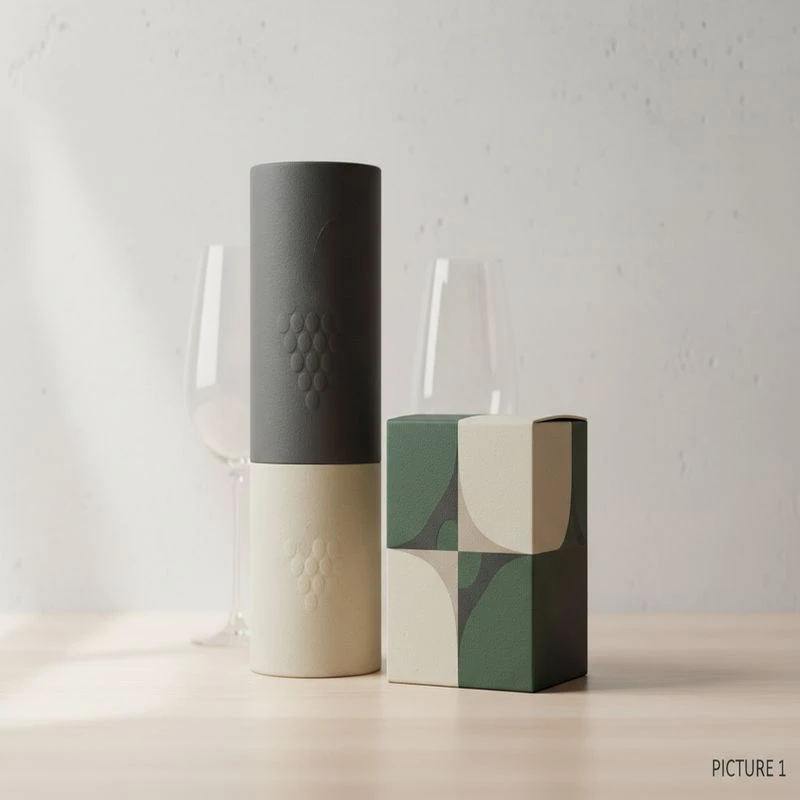
In the bustling and sophisticated United Kingdom market, where shelves are adorned with a diverse array of bottles from around the globe, merely having an excellent product is no longer enough to capture consumer attention. The visual and tactile experience of custom packaging for wine and spirits has emerged as a paramount differentiator, transforming a simple purchase into a memorable journey. For brands striving for market penetration, customer loyalty, and premium positioning, strategic packaging is not just an expense but a critical investment. It communicates brand values, protects your valuable liquid assets, and ultimately influences purchasing decisions at every touchpoint, from the initial glance on a retail shelf to the unboxing experience at home or the presentation at a corporate event. Understanding the nuances of this specialised packaging is key to unlocking significant growth and ensuring your brand truly stands out in a crowded landscape.
Wine Packaging
Strategic wine packaging isn’t merely about containing a bottle; it’s a vital sales tool and a compelling brand storyteller within the UK’s highly competitive wine market. The initial visual appeal on a retail shelf, online listing, or in a gift hamper is often the first and most critical interaction a potential customer has with your brand. High-quality custom packaging communicates the inherent value and character of the wine, instantly setting expectations regarding its quality, origin, and intended occasion. A well-designed package elevates the product from a commodity to an experience, fostering a stronger connection with the consumer before they even uncork the bottle. The evolving preferences of the discerning UK consumer, who increasingly values aesthetics, sustainability, and authenticity, make thoughtful packaging more crucial than ever. Generic or poorly conceived packaging risks your premium wine being overlooked in favour of competitors who have invested in a superior visual and tactile presentation.
To truly leverage the power of wine packaging, brands must consider several actionable steps. Firstly, understanding your target audience is paramount. Is your wine destined for everyday consumption, a celebratory toast, or a high-end gifting occasion? This will dictate material choices and design complexity. For instance, a robust corrugated carton, perhaps with litho-laminated printing for vivid graphics, might suffice for a volume-driven, mid-market wine, offering both protection and visual impact on supermarket shelves. Conversely, a premium vintage might demand a more luxurious rigid box, perhaps with a soft-touch laminate and selective spot UV varnish to highlight intricate label details, creating a sophisticated unboxing experience. Internal fitments, custom-designed to cradle the unique shape of your wine bottle, are essential for security during transit, preventing costly breakages and maintaining brand integrity. These could range from eco-friendly pulp inserts for multiple bottles to elegant EVA foam for single, high-value presentations.
One common pitfall in wine packaging is underestimating the rigours of the UK supply chain, leading to transit damage and ultimately tarnishing the brand’s reputation. Another is opting for generic, off-the-shelf packaging solutions that fail to capture the unique essence of your wine or differentiate it from competitors. To mitigate these risks, it’s advisable to invest in structural design expertise from packaging specialists who can conduct drop tests and transit simulations, ensuring your custom packaging for wine and spirits offers optimal protection. Collaborating with specialist packaging designers who understand both aesthetic appeal and logistical requirements can provide innovative solutions, such as incorporating subtle branding elements into the structural design itself or utilising sustainable materials that resonate with environmentally conscious consumers. Remember, your wine packaging is not just a container; it’s a silent salesperson and a crucial ambassador for your brand long after the purchase is made.
Luxury Design
Luxury design in custom packaging for wine and spirits is about far more than just aesthetics; it’s about crafting an immersive sensory experience that justifies a premium price point and cultivates profound brand loyalty within the UK’s discerning market. In the highly competitive premium segment, packaging transcends its functional role, becoming an intrinsic part of the product itself. It communicates a story of exclusivity, heritage, and meticulous craftsmanship, signaling to the consumer that what lies within is truly exceptional. The psychological impact of tactile elements, visual sophistication, and a memorable unboxing ritual profoundly influences perception, transforming a purchase into an indulgence. Consumers of luxury goods often seek an emotional connection and a sense of belonging to an elite group, and well-executed luxury packaging is the gateway to fostering this relationship, making the product feel inherently more valuable and desirable.
Achieving this level of luxury requires a multi-faceted approach, starting with the careful selection of premium materials. High-quality board, often with a greater caliper, forms the robust foundation, which can then be enveloped in textured papers – perhaps with a linen or leather grain finish – or even bespoke materials like real wood veneers for ultra-premium editions. Finishing techniques are where luxury truly comes to life; hot foil stamping in gold, silver, copper, or even holographic foils can add dazzling metallic accents to logos, borders, or intricate patterns. Embossing or debossing creates subtle yet powerful tactile elements, inviting consumers to touch and explore the packaging, while spot UV varnish can highlight specific design features with a striking contrast of gloss against a matte background. Soft-touch laminates provide a luxurious velvet-like feel, further enhancing the sensory experience. Structurally, elements like magnetic closures, ribbon pulls, hinged lids, and multi-tier presentations elevate the unboxing ceremony into a ritual, prolonging the moment of anticipation.
When developing luxury custom packaging for wine and spirits, a common pitfall is inconsistency in branding or, worse, using materials or finishes that appear cheap or superficial, thereby undermining the intended luxury feel. Over-designing can also be detrimental, as true luxury often leans towards understated elegance rather than ostentation. To navigate these challenges, it is crucial to collaborate with specialist luxury packaging designers who possess an intimate understanding of high-end materials, finishing processes, and consumer psychology. Conducting thorough market research into competitor luxury brands, both within and outside the wine and spirits sector, can provide valuable insights and benchmarks. Investing in multiple rounds of prototyping allows brands to physically evaluate different material combinations, finishes, and structural designs, ensuring every detail aligns with the desired premium image. The aim is to create custom packaging that feels as exquisite as the product it contains, offering a complete, harmonious luxury experience from the moment it is seen to the moment it is opened.
| Luxury Packaging Feature | Description | Benefit for Custom Packaging for Wine and Spirits |
|---|---|---|
| Hot Foil Stamping | Application of metallic (e.g., gold, silver) or pigmented foil onto the surface using heat and pressure. | Adds premium shimmer, visual contrast, and a sense of exclusivity, enhancing brand perception and shelf appeal for high-end spirits. |
| Embossing/Debossing | Creating raised (embossing) or recessed (debossing) images or text into the packaging material. | Introduces tactile dimension and sophistication, inviting interaction and signifying superior craftsmanship for luxury wine labels. |
| Soft-Touch Laminate | A special matte laminate that provides a velvety, rubber-like feel to the packaging surface. | Offers an immediate perception of high quality and luxury through touch, creating a memorable sensory experience for premium gin or whisky packaging. |
| Magnetic Closure | Incorporating hidden magnets to create a secure, satisfying “click” when the box closes. | Elevates the unboxing experience, adding a refined, high-end feel and enhancing the perceived value of the custom packaging. |
This table illustrates how specific luxury features contribute distinct advantages to custom packaging for wine and spirits. Each element is carefully chosen to enhance both the visual appeal and the tactile experience, reinforcing the premium positioning of the product. By integrating these features, brands can significantly elevate their market presence and appeal to discerning UK consumers.
Bottle Protection
Robust bottle protection in custom packaging for wine and spirits is an absolutely non-negotiable aspect for brands operating in the UK market. It’s not merely about safeguarding your products; it’s fundamental to minimising costly returns, preserving your brand’s reputation, and ensuring customer satisfaction throughout the intricate UK supply chain. The journey from distillery or vineyard to the consumer’s hands can be fraught with potential hazards, including impacts, vibrations during transit, and various handling challenges. Any breakage or damage during this process leads to significant financial losses, not only in terms of product replacement but also in shipping costs and administrative overheads. More critically, it can severely harm a brand’s reputation, especially in the era of online reviews and social media, where a damaged delivery can quickly translate into negative publicity and erode consumer trust. Therefore, proactive investment in superior protective packaging is a strategic imperative.
Effective bottle protection starts with the intelligent design of internal fitments. Pulp inserts, often made from recycled materials, are an eco-friendly and highly effective option for cradling multiple bottles securely within an outer carton, offering excellent shock absorption. Corrugated dividers provide robust separation for individual bottles, preventing them from clinking together, while custom-cut foam inserts (such as EVA or polyethylene foam) are ideal for very high-value or unusually shaped bottles, offering unparalleled cushioning and precision fit. The strength of the outer box is equally crucial; for shipping multiple bottles, particularly via parcel couriers, double-wall or even triple-wall corrugated board is essential to withstand impacts and stacking pressures. For any remaining void space within the carton, sustainable void fill options like kraft paper shred or custom-cut paper cushions can further immobilise bottles and prevent movement. It’s also important to consider the varying shapes and weights of different bottles – a Champagne bottle, with its distinct punt and pressure, requires different protection considerations than a standard wine bottle or a uniquely sculpted spirit bottle.
A common pitfall is underestimating the true forces bottles encounter during transit, leading to a false sense of security with inadequate packaging. Another error is choosing generic, one-size-fits-all inserts that don’t precisely match the bottle’s dimensions, allowing for damaging movement. Neglecting sustainable protective solutions in favour of less environmentally friendly options can also alienate a growing segment of environmentally conscious UK consumers. To overcome these challenges, brands should partner with experienced packaging engineers who specialise in structural design and can perform rigorous testing, including ISTA (International Safe Transit Association) drop tests and vibration simulations. These tests accurately mimic real-world transit conditions, ensuring your custom packaging for wine and spirits can withstand the journey. Furthermore, actively exploring and integrating eco-friendly protective materials, such as moulded pulp or recycled paper-based solutions, aligns with modern consumer values and bolsters a brand’s responsible image. Ultimately, robust protection is an investment in your product’s integrity and your brand’s enduring success.
| Protection Method | Material Type | Key Benefits for Custom Packaging for Wine and Spirits | Ideal Use Case |
|---|---|---|---|
| Moulded Pulp Inserts | Recycled Paper/Fibre | Excellent shock absorption, eco-friendly, fully recyclable, custom-fit for bottle shapes. | Volume shipping of wine bottles, multi-pack spirit sets, sustainable brand focus. |
| Corrugated Dividers | Corrugated Board | Good separation, cost-effective, recyclable, suitable for standard bottle arrays. | Internal protection within branded outer boxes, retail-ready multipacks of spirits. |
| EVA/Polyethylene Foam | Synthetic Foam | Superior cushioning, precise custom fitting, non-abrasive, high-end presentation. | Luxury spirit bottles, high-value single wine bottles, gift sets requiring premium protection. |
This table provides a concise comparison of common bottle protection methods used in custom packaging for wine and spirits, highlighting their materials, benefits, and optimal applications. Selecting the right method is critical for ensuring products arrive safely and maintain their pristine condition, which is paramount for consumer satisfaction in the UK market. Each solution offers distinct advantages depending on the product’s value, shipping method, and brand’s sustainability goals.
B2B Branding
Custom packaging for wine and spirits extends its influence far beyond the end consumer; it serves as a powerful B2B branding tool, significantly enhancing trade perception, securing vital distribution channels, and facilitating efficient logistics throughout the UK market. While the consumer-facing aesthetic is crucial, the packaging’s role in communicating professionalism, commitment to quality, and ease of handling to distributors, retailers, and hospitality partners is equally, if not more, important for long-term business relationships. A well-designed B2B package reflects a brand’s meticulous attention to detail at every stage of the supply chain, fostering trust and demonstrating reliability. Moreover, efficient, branded packaging can reduce handling costs for partners, speed up shelf-stacking, and ultimately make your product a more attractive proposition for businesses looking to streamline their operations and maximise profitability.
There are several actionable steps brands can take to optimise their custom packaging for B2B appeal. Firstly, consider pallet optimisation: designing cartons that efficiently stack on standard UK pallets reduces shipping costs per unit and minimises the risk of damage during bulk transport. This foresight showcases a brand that understands logistics. Secondly, clear and prominent labelling is vital. Incorporating easily scannable barcodes, essential product information (e.g., ABV, volume, country of origin), and consistent branding on all outer cartons ensures smooth warehouse management and inventory tracking for retailers and distributors. Thirdly, focus on retail-ready packaging (RRP) or shelf-ready packaging (SRP) for the on-trade and off-trade sectors. These designs allow retail staff to easily unbox and display products with minimal effort, reducing labour costs for the retailer and getting your product onto the shelf faster. This often involves perforations for easy opening, clear merchandising headers, and robust construction to maintain integrity on display.
A common pitfall is treating B2B packaging as a purely functional, unbranded element, relegating products to generic brown boxes. This misses a significant opportunity to reinforce brand identity and professionalism at every touchpoint. Inefficient palletisation can also lead to increased shipping costs and higher rates of damage, eroding trust with logistics partners. Furthermore, difficult-to-read or inconsistent labelling creates friction in the supply chain, leading to delays and potential errors. To avoid these issues, brands should actively work with logistics experts and packaging suppliers early in the design process to ensure B2B packaging is both protective and efficient. Incorporating subtle yet consistent branding on all layers of custom packaging for wine and spirits, even on inner cartons for multi-packs, maintains a premium feel. Lastly, investing in robust, well-designed retail-ready solutions demonstrates an understanding of retailer needs, positioning your brand as a preferred partner in a competitive market and cementing its B2B reputation.
| B2B Packaging Feature | Benefit for UK Distributors/Retailers | Impact on Custom Packaging for Wine and Spirits Brand |
|---|---|---|
| Pallet Optimisation | Minimises shipping costs, maximises units per pallet, reduces transit damage. | Increases perceived efficiency and cost-effectiveness, strengthens relationship with logistics partners. |
| Clear & Consistent Labelling | Facilitates quick inventory management, easy scanning, adherence to compliance. | Projects professionalism, reduces errors in distribution, ensures accurate product identification. |
| Retail-Ready Packaging (RRP) | Simplifies unboxing, speeds up shelf replenishment, creates instant display. | Enhances retail appeal, makes product easier to stock, promotes consistent brand presentation at point-of-sale. |
| Branded Outer Cartons | Reinforces brand identity throughout the supply chain and warehouse. | Maintains premium image at every touchpoint, from delivery to back-of-house, demonstrating attention to detail for custom packaging. |
This table details specific B2B packaging features and their direct benefits for distributors and retailers within the UK, alongside the positive impact on the brand itself. By strategically implementing these features, custom packaging for wine and spirits can become a powerful tool for forging stronger business relationships and streamlining logistics. This integrated approach ensures the brand’s quality and professionalism are evident at every stage, not just on the consumer-facing shelf.
Gift Appeal
Custom packaging for wine and spirits, specifically designed with gift appeal in mind, offers an unparalleled opportunity to significantly boost sales, particularly during peak gifting seasons in the UK market. A substantial proportion of wine and spirit purchases in the UK are intended as gifts, and consumers are consistently willing to pay a premium for packaging that transforms a simple bottle into a memorable and highly desirable present. The packaging itself becomes an integral part of the gift-giving experience, reflecting thoughtfulness, luxury, and the perceived value of both the giver and the recipient. It elevates the product beyond its liquid contents, creating an anticipation and excitement that resonates deeply with individuals seeking to make a lasting impression. In a market where gifting occasions are plentiful, from Christmas and Mother’s Day to birthdays and corporate events, custom gift packaging provides a crucial competitive edge.
To truly captivate with gift appeal, brands must focus on several key design and material considerations. Rigid set-up boxes, with their sturdy construction and elegant finish, are a prime choice, offering a premium feel that immediately signals a special occasion. Presentation cases featuring magnetic closures or bespoke sleeves can add an extra layer of luxury and surprise. Internally, the presentation is just as vital: silk linings, custom-cut foam inserts precisely tailored to the bottle’s contours, or clear windows that artfully showcase the bottle itself, all contribute to an elevated unboxing experience. Embellishments like elegant ribbons, intricate bows, custom hang tags with space for personalised messages, or even traditional wax seals can add bespoke charm and a sense of exclusivity. Brands should also consider seasonal adaptability, with packaging designs that can be subtly themed for major UK gifting holidays, ensuring relevance and timely appeal without compromising brand identity. Offering options for personalisation, such as bespoke engraving or a space for a handwritten note, can further enhance the gift’s perceived value.
A common pitfall in designing for gift appeal is resorting to generic gift bags or flimsy, uninspired packaging that fails to reflect the quality of the product inside, thereby undermining the luxury potential. Another mistake is creating designs that don’t align with the occasion or the brand’s overall ethos, leading to a disjointed brand message. To successfully navigate these challenges, brands should invest in thorough market research to understand current UK gifting trends and consumer expectations for various price points. Collaborating with design agencies specialising in luxury goods and gift packaging can provide fresh perspectives and innovative solutions. Offering tiered gift packaging options, from elegant sleeves for mid-range wines to elaborate presentation boxes for ultra-premium spirits, allows brands to cater to different gifting budgets and occasions. The goal is to ensure that your custom packaging for wine and spirits not only protects the bottle but also transforms it into a cherished keepsake, making your product the preferred choice for those special moments when only the best will do.
