
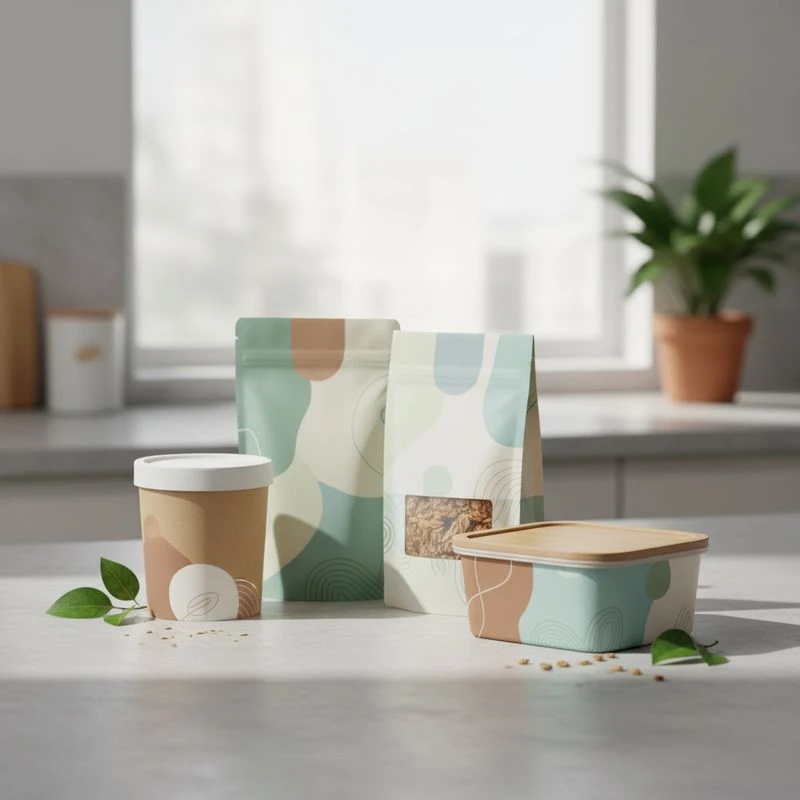
Food Packaging
For modern food brands operating within the vibrant and competitive United Kingdom market, packaging transcends its fundamental role as a protective shell. It is the silent ambassador for your product, the first point of contact with consumers, and a critical component in building brand loyalty and trust. The immediate takeaway for any food business should be that investing strategically in food packaging is not an overhead, but a powerful growth driver that impacts everything from shelf appeal to product integrity and regulatory compliance. Understanding the multifaceted nature of food packaging is the initial step towards harnessing its full potential.
The reasoning behind this elevated importance stems from several key areas. Firstly, effective packaging is indispensable for product preservation. It safeguards against physical damage, light, moisture, oxygen, and contaminants, thereby extending shelf life and maintaining quality – crucial for reducing food waste and ensuring consumer satisfaction. Secondly, packaging serves as a vital communication medium. In the UK, regulations are stringent, particularly following initiatives like Natasha’s Law, which mandates full ingredient and allergen information on pre-packed direct-sale foods. Your packaging must clearly, accurately, and legibly convey all necessary nutritional facts, ingredients, allergens, country of origin, and storage instructions. Beyond compliance, it’s an opportunity to tell your brand story, highlight unique selling points, and engage consumers through compelling visuals and text. Finally, packaging directly influences consumer perception. High-quality, thoughtfully designed packaging signals a premium product and attention to detail, fostering a sense of value even before consumption.
To take actionable steps in optimising your food packaging, start by thoroughly understanding your product’s specific needs. Consider its physical characteristics – is it fragile, liquid, or susceptible to crushing? What is its intended shelf life and storage conditions (chilled, frozen, ambient)? Next, define your target audience and their purchasing habits. Are they looking for convenience, luxury, sustainability, or affordability? This will inform material choices, design aesthetics, and functional features. For instance, a ready-meal brand targeting busy professionals might prioritise microwaveable and easy-to-open solutions, while an artisan bakery might opt for elegant, breathable paper-based packaging that hints at handmade quality. Always conduct proper testing for any new packaging solution to ensure it stands up to the rigours of transit and storage, especially when introducing new materials or designs to the UK supply chain.
Potential pitfalls often arise from neglecting regulatory compliance or underestimating the impact of material choice. A common mistake is using materials that aren’t food-grade or don’t offer adequate barrier protection, leading to spoilage or safety issues. Solution: partner with packaging experts who understand UK and EU food contact material regulations and conduct rigorous material testing. Another pitfall is designing packaging without considering the end-of-life process, leading to consumer confusion and environmental concerns. Solution: integrate sustainability considerations from the outset, aiming for widely recyclable, reusable, or compostable options that align with UK waste infrastructure. The right custom packaging solutions can truly elevate a modern food brand, turning a necessity into a strategic advantage.
| Packaging Type | Material Examples | Primary Benefits for Custom Packaging Solutions | Typical UK Food Use Cases |
|---|---|---|---|
| Flexible Packaging | Stand-up pouches (PET/PE laminates), flow wraps, sachets | Lightweight, versatile, excellent barrier properties, cost-effective, great for branding, lower carbon footprint in transit due to weight. | Snacks, dried fruits, coffee, sauces, baby food pouches, confectionery, ready meal components. |
| Rigid Plastics | PET jars/bottles, PP tubs, HDPE bottles | Durable, resealable, clear visibility, good protection, often widely recyclable (PET, HDPE) in UK. | Yoghurts, desserts, salads, condiments, juices, spreads. |
| Paper & Board | Folding cartons, corrugated boxes, paper bags, fibre trays | Recyclable, customisable, sustainable perception, good for brand storytelling. Lightweight and versatile. | Cereals, biscuits, frozen foods, bakery items, tea, gift packaging, ready meals (ovenable/microwaveable). |
| Glass | Jars, bottles | Premium feel, inert (no flavour transfer), indefinitely recyclable, excellent barrier. High consumer trust. | Jams, preserves, sauces, drinks, spirits, baby food, premium condiments. |
| Metal | Aluminium cans, steel cans | Excellent barrier to light/oxygen, long shelf life, robust, widely recyclable, premium feel for certain products. | Tinned goods, beverages, confectionery tins, powdered foods. |
This table illustrates the diverse range of packaging types available, each offering distinct advantages depending on the product’s needs and desired brand positioning. Modern food brands in the UK must carefully weigh material properties against consumer expectations and environmental impact to select the most appropriate custom packaging solutions.
Custom Design
In the fiercely competitive UK food market, generic packaging is simply not an option for any brand aiming for significant impact and sustained growth. The undeniable takeaway is that custom design is the absolute cornerstone for standing out, communicating your unique brand values, and forging an immediate, memorable connection with your target consumer. Your packaging is often the first, and sometimes only, chance to make a compelling impression, and bespoke design ensures that impression is precisely the one you intend to make.
The reasoning behind the power of custom design lies in its ability to translate abstract brand identity into a tangible, visually appealing form. In a supermarket aisle saturated with choices, a custom-designed package cuts through the noise. It’s not merely about aesthetics; it’s about strategic communication. A well-executed custom design influences perception – a sleek, minimalist look might convey premium quality and sophistication for a health food brand, while vibrant, playful graphics could signal fun and approachability for a children’s snack. It guides purchase decisions by clearly articulating the product’s benefits and brand ethos, making it easier for consumers to choose. Moreover, consistent, distinctive design elements foster brand recognition and loyalty over time, making your product identifiable at a glance and building a long-term relationship with your customer base. UK consumers, increasingly discerning, often associate packaging design with the quality and values of the brand itself, making this investment paramount for custom packaging solutions.
To implement effective custom design, start by rigorously defining your brand’s identity. What are your core values, your unique selling proposition (USP), and your brand story? Who is your ideal customer, and what resonates with them? Develop a detailed creative brief that outlines your vision, including colour palettes, typography, imagery, and desired emotional impact. Collaborating with experienced graphic and structural designers is a crucial next step. They can translate your vision into a practical design that is not only visually striking but also functional, cost-effective, and compliant with all relevant UK regulations. Engage in an iterative design process, reviewing prototypes and mock-ups to ensure the design achieves its objectives before committing to manufacturing. Consider how the packaging will look on a shelf, in an e-commerce image, and in a customer’s hand. Simplicity and clarity often triumph over complexity, ensuring your core message isn’t lost.
Potential pitfalls in custom design often include inconsistent branding or over-complicating the design. Inconsistent branding, where packaging elements don’t align with your wider marketing or other product lines, can confuse consumers and dilute your brand message. The solution is to develop a comprehensive brand style guide and ensure all packaging designs adhere strictly to it. Another common mistake is attempting to cram too much information or too many visual elements onto a package, leading to a cluttered and unappealing look. The solution lies in strategic hierarchy – prioritise key messages and visuals, ensuring the most important information is immediately apparent and easy to digest. Remember that custom packaging solutions should enhance, not detract from, the overall product experience, making every design element serve a clear purpose in captivating and informing the UK consumer.
Sustainable Materials
The increasing environmental consciousness of consumers, coupled with evolving regulatory landscapes, means that sustainability in packaging is no longer a niche preference but an absolute imperative for modern food brands in the UK. The key takeaway here is clear: embracing sustainable materials for your custom packaging solutions is not just about corporate social responsibility; it’s a strategic business decision that enhances brand reputation, meets consumer demand, and future-proofs your operations against impending environmental legislation. Brands that fail to adapt risk being left behind by an increasingly eco-aware UK populace.
The reasoning behind this shift is multifaceted. UK consumers are demonstrably more concerned about the environmental impact of their purchases, with a significant portion willing to pay more for sustainable products and packaging. Government initiatives, such as the Plastic Packaging Tax (PPT), which applies to plastic packaging manufactured or imported into the UK containing less than 30% recycled content, actively drive the adoption of more responsible materials. Furthermore, the push towards a circular economy necessitates a re-evaluation of linear ‘take-make-dispose’ models. Sustainable materials encompass a range of options, each with its own advantages: recycled content (e.g., Post-Consumer Recycled – PCR plastics, recycled paperboard), recyclable materials (designed to be reprocessed), compostable materials (breaking down into natural elements), and biodegradable materials (degrading naturally over time). Understanding these distinctions is crucial for making informed choices that resonate with your brand values and consumer expectations in the UK market.
To take actionable steps towards more sustainable custom packaging solutions, begin by conducting a thorough lifecycle assessment of your current packaging. Identify areas where environmental impact is highest, from raw material extraction to end-of-life disposal. Explore alternatives that offer a reduced footprint. This might involve transitioning from virgin plastics to PCR plastics, opting for FSC-certified paperboard, or investigating innovative plant-based plastics (PLA, PHA) for specific applications. It’s vital to ensure that any ‘sustainable’ claim is verifiable and transparent, avoiding ‘greenwashing.’ Clearly communicate your sustainability efforts on your packaging, explaining to consumers how to properly dispose of or reuse the materials. Engage with your supply chain partners to source certified sustainable materials and ensure their processing aligns with your environmental goals. Remember that the “best” sustainable material often depends on your product, its shelf life, and the available waste infrastructure in the UK.
Potential pitfalls include unintentional ‘greenwashing’ and underestimating the cost implications. ‘Greenwashing’ occurs when brands make misleading or unsubstantiated claims about the environmental benefits of their products or packaging. The solution is genuine commitment and transparency: back up claims with certifications (e.g., Plastic Free, FSC, Compostable certifications), provide clear disposal instructions, and educate consumers rather than just marketing. Another pitfall can be the initial higher cost of some sustainable materials or the investment required for new machinery. Solution: view this as a long-term investment in brand equity and future compliance. Government incentives, consumer willingness to pay a premium, and the long-term environmental benefits can offset initial costs, making custom packaging solutions with sustainable materials a worthwhile endeavour for modern UK food brands.
| Material Type | Description & Benefits | Considerations/Challenges | Suitable UK Food Applications |
|---|---|---|---|
| Recycled Content (e.g., PCR Plastic, Recycled Paperboard) | Reduces demand for virgin resources, lowers carbon footprint. Widely available. | Availability and quality of recycled feedstocks. Regulatory compliance for food contact (especially PCR plastics). | Ready meal trays, snack pouches, cereal boxes, beverage bottles, egg cartons. |
| FSC-Certified Paper & Board | Sourced from sustainably managed forests, widely recyclable in UK, strong brand appeal. | Moisture/grease barriers often require coatings which can complicate recyclability. | Frozen food cartons, bakery boxes, dry food packaging, takeaway containers, tea boxes. |
| Compostable Plastics (e.g., PLA, PHA) | Breaks down into natural elements in industrial composting facilities. Reduces plastic waste. | Requires specific industrial composting facilities, which are not universally available in the UK. Can contaminate plastic recycling streams if mis-sorted. | Fresh produce wraps, sandwich packaging, single-serve sachets, deli containers (where industrial composting is accessible). |
| Reusable/Refillable Packaging | Eliminates single-use waste, fosters circular economy, strong consumer loyalty. | Requires robust logistics and cleaning infrastructure, initial higher cost, consumer behaviour change. | Milk bottles, glass jars for condiments, coffee cups (deposit schemes), bulk food containers for refilling stations. |
| Monolayer (Recyclable) Plastics | Designed for easier recycling than multi-layer laminates, often made from PE or PP. | May offer lower barrier protection than multi-layer, limiting some food applications. | Bread bags, some fresh produce bags, frozen vegetable pouches, crisp packets (increasingly). |
This table highlights various sustainable material options available, each presenting distinct environmental advantages and practical considerations for food brands in the UK. When pursuing custom packaging solutions, it’s essential to match the material’s properties with the product’s needs and the brand’s sustainability goals, while also considering the effectiveness of UK recycling and composting infrastructures.
B2B Manufacturing
Selecting the right B2B packaging manufacturer is a decision of paramount importance for any modern food brand in the United Kingdom, directly impacting product quality, supply chain efficiency, and regulatory compliance. The core takeaway is that your packaging manufacturer is more than just a supplier; they are a critical strategic partner whose capabilities, reliability, and expertise can make or break your product’s journey to the consumer. A robust manufacturing partnership ensures that your vision for custom packaging solutions is translated into a consistently high-quality, scalable reality.
The reasoning behind this elevated importance stems from the intricate demands of the food industry. Food-grade packaging manufacturing requires adherence to strict hygiene standards, quality control protocols, and food safety regulations (e.g., BRCGS Packaging Materials certification). A reputable manufacturer brings a wealth of experience in material science, printing technologies, and structural design, ensuring your packaging not only looks good but performs optimally under various conditions, from production line to retail shelf. Moreover, a reliable partner offers scalability, which is crucial for modern food brands experiencing growth. They can accommodate fluctuating order volumes, ensuring you never run out of critical packaging supplies, thus preventing costly production delays or missed market opportunities. In the UK’s dynamic market, where lead times can be tight and consumer demands change rapidly, an agile and responsive manufacturer is an invaluable asset for your custom packaging solutions.
To take actionable steps in choosing the ideal B2B packaging manufacturer, begin with thorough research and due diligence. Look for manufacturers with demonstrated expertise in your specific type of food packaging and the necessary certifications (e.g., BRCGS, ISO 9001). Request samples of their work and, where possible, visit their facilities to assess their production capabilities, quality control processes, and hygiene standards firsthand. Engage in detailed discussions about their minimum order quantities (MOQs) and lead times, ensuring they align with your business model and production schedule. Discuss their approach to quality assurance, including testing procedures and defect rates. Critically, evaluate their communication channels and responsiveness; a good partnership thrives on clear, consistent dialogue. Ask about their material sourcing and sustainability practices, especially if sustainable custom packaging solutions are a priority for your brand. Finally, don’t shy away from requesting references from their existing clients to gauge their reliability and service quality.
Potential pitfalls in B2B manufacturing partnerships often include poor communication and inconsistent quality. A lack of clear communication can lead to misunderstandings regarding specifications, deadlines, or design changes, resulting in costly errors and delays. The solution is to establish clear Service Level Agreements (SLAs) and designate primary points of contact on both sides, with regular check-ins and transparent reporting. Another common issue is inconsistent product quality, where batches vary in colour, material integrity, or print registration. This can damage brand perception and lead to product recalls. The solution is to implement robust quality control protocols, including pre-production checks, in-process monitoring, and post-production inspections, ideally aligned with recognised industry standards. By carefully vetting and actively managing your manufacturing partner, modern UK food brands can ensure their custom packaging solutions consistently meet the highest standards.
| Parameter | Description | Why it’s Crucial for UK Food Brands | Potential Pitfalls & Solutions |
|---|---|---|---|
| Certifications & Compliance | BRCGS Packaging Materials, ISO 9001, Food Contact Material (FCM) regulations. | Ensures food safety, quality management, and legal adherence for your custom packaging solutions in the UK. Avoids legal issues and recalls. | Pitfall: Non-compliant materials. Solution: Always verify up-to-date certifications and conduct audits. |
| Production Capabilities & Scalability | Range of printing technologies, material handling, capacity for high/low volumes. | Supports growth, manages seasonal demands, ensures consistent supply without stockouts or oversupply. | Pitfall: Manufacturer can’t meet demand. Solution: Discuss current and projected volumes, check equipment. |
| Quality Control (QC) Processes | In-line inspections, lab testing, defect rates, returns policy. | Guarantees consistent product quality, minimises waste, protects brand reputation. Essential for custom packaging solutions. | Pitfall: Inconsistent quality batches. Solution: Understand their QC process, request samples from different runs. |
| Lead Times & Logistics | Time from order to delivery, flexibility in scheduling, shipping options. | Critical for supply chain efficiency, managing inventory, and speed to market. | Pitfall: Delays causing production halts. Solution: Establish clear lead times in contracts, check their logistics network. |
| Sustainability Initiatives | Recycling programmes, use of sustainable materials, energy efficiency. | Aligns with UK consumer values and regulatory pressures (e.g., Plastic Packaging Tax). Enhances brand image. | Pitfall: Greenwashing claims. Solution: Ask for evidence, certifications, and tangible sustainability reports. |
This table outlines the essential criteria modern food brands in the UK should consider when vetting potential B2B manufacturing partners. Focusing on these parameters ensures that your custom packaging solutions are not only aesthetically pleasing but also reliable, compliant, and supportive of your business’s long-term objectives.
Brand Enhancement
In today’s visually driven and experience-focused consumer landscape, packaging is far more than just a protective wrapper; it is an incredibly potent tool for brand enhancement, capable of elevating perception, fostering emotional connections, and significantly driving consumer engagement. The key takeaway for modern food brands in the UK is that your custom packaging solutions should be viewed as an integral part of your marketing and brand strategy, acting as a silent salesperson that communicates your brand’s unique story and value proposition long after the product leaves the shelf.
The reasoning behind packaging’s power to enhance a brand is rooted in its ability to engage multiple senses and create a holistic experience. Visually, a distinctive design and high-quality print convey professionalism and attention to detail. Tactile elements, such as textured paper, embossed logos, or a soft-touch finish, can evoke feelings of luxury, naturalness, or warmth, adding a sensory layer to the brand experience. Even the sound of a crinkling wrapper or the satisfying ‘pop’ of a seal can contribute to brand recall and delight. Packaging is the physical embodiment of your brand identity, reinforcing your values and narrative. For instance, a gourmet chocolate brand using a premium, recyclable box with intricate foiling isn’t just selling chocolate; it’s selling an experience of indulgence and sophistication. Moreover, well-designed packaging creates an ‘unboxing’ experience, which, particularly in the age of social media, can lead to organic sharing and amplification of your brand message, further cementing brand loyalty and desirability among UK consumers.
To implement effective brand enhancement through custom packaging solutions, start by understanding the emotional response you want your packaging to elicit. Do you aim for elegance, playfulness, trustworthiness, or innovation? Use premium finishes strategically; embossing or debossing can add a tactile dimension, spot UV varnish can highlight key visuals, and metallic foils can create a sense of luxury. Consider unique structural designs that differentiate your product from competitors – an unusual shape, an innovative opening mechanism, or a clever handle can make your package memorable. Ensure that your branding is clear, consistent, and prominent, including your logo, brand colours, and key messaging. Integrate storytelling elements directly onto the packaging – a short narrative about your brand’s origin, the quality of ingredients, or your sustainability journey can deepen consumer connection. Furthermore, leverage digital integration; QR codes can link consumers to recipes, brand stories, sustainability information, or social media, extending the engagement beyond the physical package and into the digital realm, crucial for the tech-savvy UK market.
Potential pitfalls in using packaging for brand enhancement include overlooking the consumer experience or failing to align packaging with overall marketing strategy. If the packaging is beautiful but impractical – difficult to open, store, or dispose of – it can lead to frustration and a negative brand association. The solution is to conduct user testing with prototypes to identify and resolve any functional issues before mass production. Another mistake is creating packaging that is aesthetically appealing but inconsistent with your brand’s overarching message or other marketing materials. This can lead to brand confusion and dilute your identity. The solution is to ensure your custom packaging solutions are developed in close collaboration with your marketing team, using your comprehensive brand guidelines to maintain visual and thematic consistency across all touchpoints. By meticulously crafting every aspect of your packaging, you can transform it into a powerful asset that genuinely enhances your brand’s appeal and resonance with UK consumers.
