
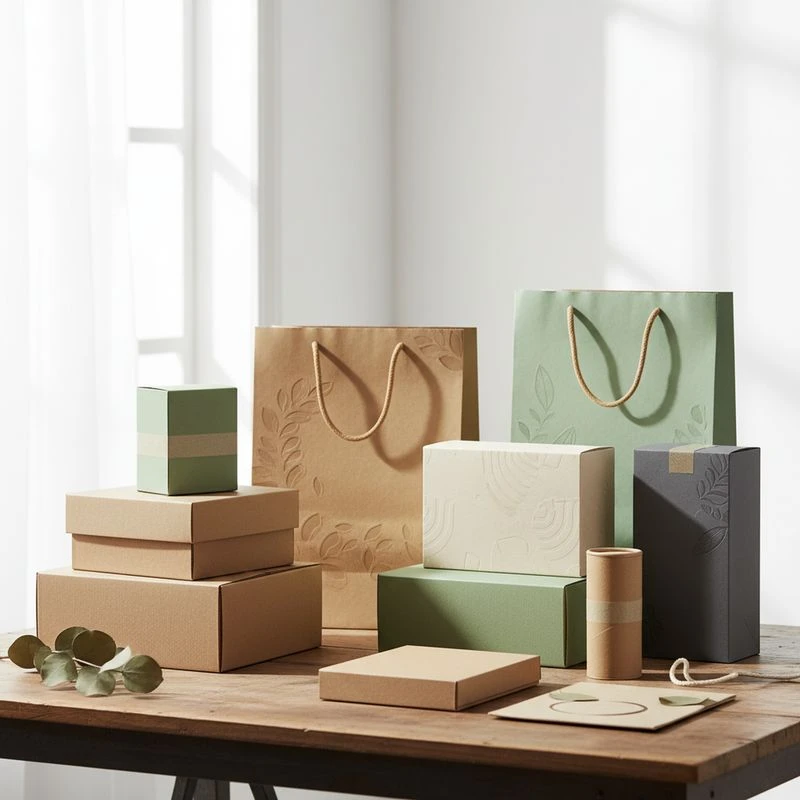
In today’s discerning United Kingdom market, the packaging your product arrives in is almost as crucial as the product itself. For eco-conscious brands, this isn’t just a matter of aesthetics; it’s a profound statement of values. Custom paper packaging offers an unparalleled opportunity to align your brand’s commitment to sustainability with a powerful, tangible customer experience. Moving beyond generic, environmentally detrimental alternatives, bespoke paper solutions allow businesses to convey their green credentials from the very first touch, fostering trust and loyalty among an increasingly environmentally aware consumer base. This strategic shift towards sustainable and tailored packaging is not merely a trend; it’s an essential evolution for brands aiming to thrive in a market that prioritises responsibility and authenticity. By investing in custom paper packaging, UK brands can effectively communicate their dedication to the planet, enhance their brand identity, and create a memorable unboxing experience that resonates deeply with their target audience, all while adhering to robust environmental principles.
Paper Packaging
Embracing paper packaging is arguably the most impactful decision an eco-conscious brand can make in the UK today to cement its commitment to sustainability. The fundamental takeaway here is that paper, in its various forms, offers a renewable, biodegradable, and often compostable alternative to fossil-fuel-derived plastics, directly addressing the growing consumer demand for more responsible consumption. The reasoning behind this is multifaceted: paper originates from trees, a renewable resource when sourced responsibly (e.g., FSC-certified forests), and its natural decomposition process returns nutrients to the earth, avoiding the persistent environmental burden associated with plastic waste. Consumers are becoming increasingly savvy, actively seeking out brands that not only talk about sustainability but genuinely embody it through their product and packaging choices. This shift in consumer behaviour means that generic, unsustainable packaging can actively deter potential customers, making paper packaging a competitive imperative rather than just an ethical choice.
For brands looking to implement this, the actionable steps begin with a thorough evaluation of paper types suitable for your product. Options range from robust corrugated cardboard for shipping, ideal for its protective qualities and high recycled content, to elegant recycled cardstock for product boxes, offering a premium feel with minimal environmental impact. Consider the grammage (GSM) to ensure adequate protection without unnecessary material use. For instance, a heavier GSM is suitable for fragile items or for creating a luxurious feel, while a lighter GSM might suffice for non-fragile goods, reducing material and shipping weight. Furthermore, explore innovative paper solutions like moulded pulp, perfect for custom inserts, or glassine paper, a biodegradable and grease-resistant alternative to plastic liners. Pitfalls often include misconceptions about paper’s durability compared to plastic; however, modern engineering and structural design can overcome these, creating paper packaging that is surprisingly robust. Solutions involve clever structural design, such as double-walled boxes or internal cushioning made from paper, ensuring product safety throughout the supply chain. Another common concern is cost; while the initial outlay for premium, custom paper packaging might seem higher than basic plastic, the long-term benefits of enhanced brand reputation, increased customer loyalty, and reduced environmental footprint typically deliver a superior return on investment. Custom paper packaging allows for unique die-cuts, intricate folds, and bespoke shapes that not only protect the product but also elevate the unboxing experience into a memorable brand interaction, making every touchpoint a testament to your eco-conscious values.
Moreover, the journey towards adopting paper packaging involves understanding its journey from forest to consumer and ultimately, back into the recycling stream. Brands should prioritise suppliers who are transparent about their sourcing, ideally offering FSC (Forest Stewardship Council) certified materials. This certification assures consumers that the paper comes from responsibly managed forests, promoting ecological health, protecting biodiversity, and respecting the rights of local communities. Beyond sourcing, the choice of adhesives and inks also plays a critical role in maintaining the paper’s eco-credentials. Water-based or vegetable-based inks are preferable to petroleum-based alternatives, as they are less toxic and more easily de-inked during the recycling process. Similarly, biodegradable adhesives ensure that the entire packaging unit can be recycled or composted without requiring complex separation. By considering these elements, custom paper packaging goes beyond a simple material choice; it becomes an integrated system that supports a circular economy. Practical examples abound, from bespoke kraft paper boxes for artisanal food products, showcasing their organic roots, to sophisticated recycled board cartons for beauty brands, highlighting their commitment to natural ingredients. Even simple paper mailers for e-commerce, when thoughtfully designed with custom branding, transform a transactional delivery into an engaging brand moment, reinforcing an eco-conscious identity in a meaningful way to UK consumers.
Recyclable
Ensuring your custom paper packaging is genuinely and easily recyclable is not merely a desirable feature; it is an absolute cornerstone for any eco-conscious brand operating in the United Kingdom. The core takeaway is that true recyclability validates your sustainability claims, meets increasing regulatory demands, and empowers consumers to participate in a circular economy, thereby amplifying your brand’s positive impact. The reasoning is clear: packaging that cannot be recycled effectively, or that confuses consumers about its disposal, ultimately undermines your eco-credentials, leading to frustration and potential landfill waste, despite good intentions. The UK’s recycling infrastructure is relatively well-equipped to handle paper and cardboard, making it a highly favourable material choice, but it requires careful attention to design and material combinations. Consumers in the UK are also increasingly aware of the ‘Recycle Now’ and OPRL (On-Pack Recycling Label) schemes, expecting clear guidance on how to responsibly dispose of packaging. Failing to meet these expectations can significantly damage brand perception.
To ensure maximum recyclability, actionable steps for brands are critical. Firstly, prioritise mono-material design wherever possible – a package made entirely of paper or cardboard is inherently easier to recycle than one that mixes paper with plastics, metals, or complex laminates. For instance, a simple kraft paper box with water-based ink is ideal. If a barrier is absolutely necessary (e.g., for food products or liquids), explore innovative coatings that are certified as biodegradable or compostable, or that do not impede paper recycling. Avoid glossy plastic laminates unless they are specifically designed to be removed by the consumer or are part of a certified recyclable system. Secondly, ensure your custom paper packaging clearly displays appropriate recycling symbols and instructions. Adopting the OPRL system, which provides consistent and clear guidance, can significantly boost consumer confidence and participation. This might involve a simple “Recycle with paper” logo, or specific instructions for separating components if applicable. Practical examples include e-commerce mailer boxes made from 100% recycled content, designed for kerbside collection, or product boxes with perforations that allow for easy removal of non-paper elements before recycling. A common pitfall is the use of non-recyclable embellishments like glitter, certain adhesives, or excessive amounts of tape that can contaminate the paper stream. Solutions involve opting for eco-friendly alternatives such as plant-based glues, paper-based tape, or natural fibre embellishments. Educating consumers through clear on-pack instructions can also mitigate confusion regarding multi-component packaging, for instance, advising them to remove a plastic window before recycling the cardboard frame.
Below is a table comparing common paper packaging materials and their recyclability within the UK context, offering a clear guide for custom paper packaging decisions.
| Paper Packaging Material | Common Uses | UK Recyclability (General) | Notes for Eco-Conscious Brands |
|---|---|---|---|
| Corrugated Cardboard | Shipping boxes, product protection, mailers | Excellent (widely accepted kerbside) | High recycled content, robust. Avoid plastic tapes/linings. |
| Recycled Cardboard/Board | Product boxes, gift boxes, inserts | Excellent (widely accepted kerbside) | Strong eco-story, good print surface. Opt for water/vegetable-based inks. |
| Kraft Paper (Unbleached) | Bags, wraps, protective fillers, small boxes | Very Good (widely accepted) | Natural aesthetic, strong, often made from virgin fibres from sustainable sources. |
| Coated Paper/Board (e.g., PE coated) | Food packaging, liquid containers (e.g., coffee cups, milk cartons) | Limited (specialist recycling needed) | Often requires dedicated facilities; check for ‘plastic-free’ or compostable alternatives. |
| Glassine Paper | Greaseproof wraps, clear windows (alternative to plastic) | Good (compostable & often recyclable with paper) | Biodegradable, offers transparency. Verify local recycling guidelines. |
This table highlights the varying recyclability of different custom paper packaging materials commonly used by eco-conscious brands in the UK. While corrugated and recycled cardboards are generally excellent for kerbside recycling, coated papers can pose challenges due to plastic liners, necessitating a shift towards more sustainable barrier solutions. Brands should always check with their packaging supplier and local waste management guidelines to ensure their chosen material is genuinely recoverable within the specific UK infrastructure, reinforcing their commitment to a truly circular economy.
Custom Design
Custom design transforms your custom paper packaging from a mere container into a powerful, silent brand ambassador, effectively communicating your eco-conscious values and unique brand identity directly to the customer. The primary takeaway is that thoughtful design is not just about aesthetics; it’s a strategic tool for storytelling, differentiation, and reinforcing your sustainability message in a crowded market. Generic, off-the-shelf packaging, even if made from recycled paper, fails to capture the essence of your brand and can dilute the impact of your environmental efforts. A bespoke design, however, can evoke emotion, build anticipation, and create a memorable unboxing experience that speaks volumes about your commitment to quality and the planet. The reasoning behind this is rooted in consumer psychology: visual cues and tactile experiences significantly influence perception. A beautifully designed, eco-friendly package signals attention to detail, care for the environment, and a premium product, all of which contribute to brand loyalty and positive word-of-mouth.
To leverage custom design effectively for your eco-conscious brand, several actionable steps are paramount. Begin with a clear design brief that outlines your brand’s core values, target audience, and desired aesthetic. Consider how the material itself can inform the design; for example, the natural texture of unbleached kraft paper lends itself perfectly to minimalist designs with earthy tones, immediately conveying an organic and responsible image. Explore print techniques that align with your eco-credentials, such as using water-based or vegetable-based inks, which are less harmful to the environment and easier to de-ink during recycling. Embrace structural design that goes beyond a simple box: think about unique opening mechanisms that enhance the unboxing experience, integrated inserts made from the same paper material for product security, or clever die-cut windows that reveal the product while maintaining recyclability. Practical examples include bespoke product sleeves for cosmetics that feature debossed logos and subtle, nature-inspired patterns, or mailer boxes for ethical fashion brands that unfold to reveal a printed story about their sustainable sourcing. A common pitfall is over-designing, which can inadvertently compromise recyclability through the use of non-paper elements like excessive plastic windows or complex multi-material assemblies. The solution lies in a “less is more” approach: strive for elegant simplicity, where every design choice serves both an aesthetic and an environmental purpose. For instance, instead of a plastic window, consider a clever die-cut shape that partially reveals the product, or use transparent glassine paper which is both biodegradable and recyclable. Consistent branding is also crucial; ensure your custom packaging aligns perfectly with your overall brand guidelines, maintaining visual harmony across all touchpoints.
Furthermore, custom design for custom paper packaging allows brands to weave their sustainability narrative directly into the product experience. This can be achieved through subtle design elements like a leaf motif, a tree icon, or a textured finish that mimics natural materials. Text elements, such as “Proudly Recycled & Recyclable” or “Crafted with Nature in Mind,” can reinforce the message without being preachy. The unboxing experience itself can be designed to be an interactive journey, perhaps with hidden messages printed on the inside of flaps, or a unique assembly that encourages the user to appreciate the clever use of paper. The tactile quality of paper is a significant asset in custom design; heavier stocks, embossed details, or a velvety soft-touch finish (if eco-friendly alternatives are used) can elevate the perception of luxury and quality. This attention to detail demonstrates that an eco-conscious approach doesn’t mean sacrificing sophistication or aesthetic appeal. Ultimately, custom design is about creating an emotional connection; when a customer receives a beautifully designed, sustainable custom paper package, they not only receive a product but also feel a shared sense of purpose with the brand, reinforcing loyalty and advocating for a greener future within the UK market.
B2B Printing
Partnering with a specialised B2B printing service for your custom paper packaging is a foundational decision that ensures efficiency, consistent quality, and, crucially, adherence to the exacting sustainability standards demanded by the UK market. The core takeaway is that while DIY or small-scale printing might seem appealing for nascent brands, commercial B2B printers bring the expertise, equipment, and scale necessary to produce high-quality, eco-friendly custom paper packaging reliably and cost-effectively. The reasoning is multifaceted: commercial printing processes are highly complex, requiring precision machinery, specialised inks, and a deep understanding of paper substrates, which most brands lack in-house. A dedicated B2B printer can manage large print runs with consistent colour accuracy and structural integrity, essential for maintaining brand image. More importantly for eco-conscious brands, these specialists are often at the forefront of sustainable printing practices, offering a range of environmentally friendly options that can be difficult to source or implement independently. They understand the nuances of FSC certification, vegetable-based inks, water-based coatings, and responsible waste management, ensuring that your custom paper packaging not only looks good but also aligns with your green commitments.
To effectively select and collaborate with a B2B printing service for your custom paper packaging, several actionable steps are vital. Firstly, prioritise printers with relevant certifications; look for ISO 14001 for environmental management, FSC (Forest Stewardship Council) chain of custody certification, and potentially Sedex (Supplier Ethical Data Exchange) for ethical sourcing. These certifications offer verifiable proof of their commitment to sustainable and responsible operations. Secondly, inquire specifically about their sustainable practices: ask about the types of inks they use (e.g., vegetable or water-based), their energy sources (e.g., renewable energy usage), their waste management protocols (e.g., paper recycling programmes, chemical disposal), and their approach to reducing VOC (Volatile Organic Compound) emissions. Request samples of their work, particularly on the paper types you are considering, to assess print quality and material feel. Discuss minimum order quantities (MOQs) and their scalability – can they accommodate both your current needs and potential future growth? Understanding their lead times is also crucial for supply chain planning. The proofing process is another critical stage; ensure you receive physical proofs, not just digital mock-ups, to check colour accuracy, structural integrity, and overall finish before mass production. A common pitfall is choosing a printer based solely on the lowest price without thoroughly vetting their eco-credentials, which can lead to compromises on sustainability or inconsistent quality. The solution is to conduct thorough due diligence, requesting detailed information on their environmental policies and asking for client references. Another challenge can be communication breakdowns; ensure you provide clear, comprehensive briefs and maintain open lines of communication throughout the project, with regular check-ins and clearly defined points of contact. Practical examples include partnering with a printer who can print directly onto unbleached kraft board using a single pass for a minimalist design, or one who offers advanced die-cutting capabilities for intricate, interlocking paper structures without the need for glue.
Here’s a table outlining key questions to ask a potential B2B printing partner for your custom paper packaging:
| Category | Key Questions to Ask Your B2B Printer | Why it Matters for Custom Paper Packaging |
|---|---|---|
| Certifications | Do you have FSC, PEFC, ISO 14001, or other relevant certifications? | Ensures responsible sourcing and environmental management systems are in place. |
| Materials & Inks | What paper stocks do you offer (recycled content, virgin, FSC)? What types of inks (vegetable/water-based) and coatings do you use? | Directly impacts the eco-friendliness and recyclability of your custom paper packaging. |
| Sustainability Practices | What are your energy sources, waste management policies, and efforts to reduce VOCs? | Reveals their overall commitment to environmental responsibility beyond materials. |
| Capabilities | What printing techniques (offset, digital) and finishing options (die-cutting, embossing) do you offer? What are your MOQs? | Ensures they can meet your specific design needs for custom paper packaging and scale with your brand. |
| Proofing & Quality | What is your proofing process? Can I get physical samples? How do you ensure consistent colour and quality? | Critical for verifying that the final product meets your brand standards before large-scale production. |
This table provides a structured approach for eco-conscious brands in the UK to vet potential B2B printing partners, ensuring that their custom paper packaging aligns with their sustainability goals. By asking these targeted questions, brands can make informed decisions, securing a reliable supplier that upholds both quality and environmental responsibility. A transparent and knowledgeable printer is an invaluable asset in bringing your sustainable packaging vision to life, making the process of creating bespoke, eco-friendly custom paper packaging seamless and effective.
Natural Look
Embracing a natural look for your custom paper packaging is an instinctively powerful way to communicate your eco-conscious brand values, fostering an immediate and deep resonance with consumers seeking authenticity and sustainability. The primary takeaway here is that a natural aesthetic transcends mere visual appeal; it intrinsically aligns with the principles of environmental responsibility, often communicating more effectively than explicit declarations. The reasoning is rooted in human psychology: natural textures, earthy tones, and minimalist designs evoke feelings of honesty, purity, and transparency. In an age of greenwashing, packaging that looks and feels genuinely “natural” provides a powerful visual cue that your brand is committed to genuine sustainability, building trust and credibility without needing complex explanations. This aesthetic taps into a growing consumer desire for products that feel less processed and more connected to their origins, reinforcing the idea that your brand cares about both the product and its impact on the planet.
To achieve an impactful natural look for your custom paper packaging, several actionable steps should be considered. Start by focusing on raw materials: uncoated, unbleached papers like brown kraft board or recycled greyboard are ideal. Their inherent textures and varied fibre compositions provide a tactile experience that immediately suggests natural origins. Avoid high-gloss laminates or excessive artificial finishes, as these can detract from the natural feel and often complicate recyclability. Instead, opt for matte or uncoated finishes that allow the paper’s true character to shine through. When it comes to design, minimalism is key. Utilise simple, clean graphics, and a restricted colour palette dominated by natural hues – think greens, browns, muted blues, greys, and cream tones. Consider leaving significant portions of the custom paper packaging unprinted, allowing the material itself to be a design element. For example, a single, elegant logo printed in a dark, contrasting colour on an unbleached kraft box can be far more impactful than a full-colour, heavily graphic design. Practical examples include artisanal soap brands using simple, thick kraft paper wraps with a stamped logo, or organic food companies employing recycled card boxes with subtle, debossed patterns that highlight the paper’s texture. A potential pitfall is the perception that a natural look equates to a less premium or sophisticated product. However, this is easily overcome with thoughtful design. Solutions involve combining the natural base with refined elements, such as elegant typography, embossed details, or a well-placed metallic foil (if sourced sustainably and verified for recyclability/compostability, or applied in a way that doesn’t impede recycling). The key is to demonstrate that natural can also be luxurious, emphasising tactile quality and understated elegance over overt, artificial glamour. The texture and feel of the paper itself become a significant part of the premium unboxing experience, reinforcing the product’s quality and the brand’s commitment to natural ingredients and processes.
Furthermore, the natural look extends beyond just the visual. It’s about how the custom paper packaging feels in the hand – its weight, its texture, the slight imperfections that speak of its origin and journey. This tactile experience creates an authentic connection with the consumer, making the unboxing feel more personal and less industrial. For example, a heavy-gauge recycled board with a slightly rough texture can perfectly complement a handcrafted product, suggesting durability and artisanal quality. Even for tech products, a natural aesthetic in custom paper packaging can convey transparency and a commitment to reducing environmental impact, contrasting with the often slick, synthetic feel of traditional electronics packaging. By strategically choosing paper types, print techniques, and design elements that lean into this natural aesthetic, brands can create a cohesive and compelling narrative that resonates deeply with eco-conscious consumers in the UK. This approach not only enhances brand appeal but also solidifies a brand’s reputation as a responsible and trustworthy entity within the competitive market, proving that environmental responsibility and captivating design are not mutually exclusive but powerfully synergistic, especially when brought to life through custom paper packaging.
