
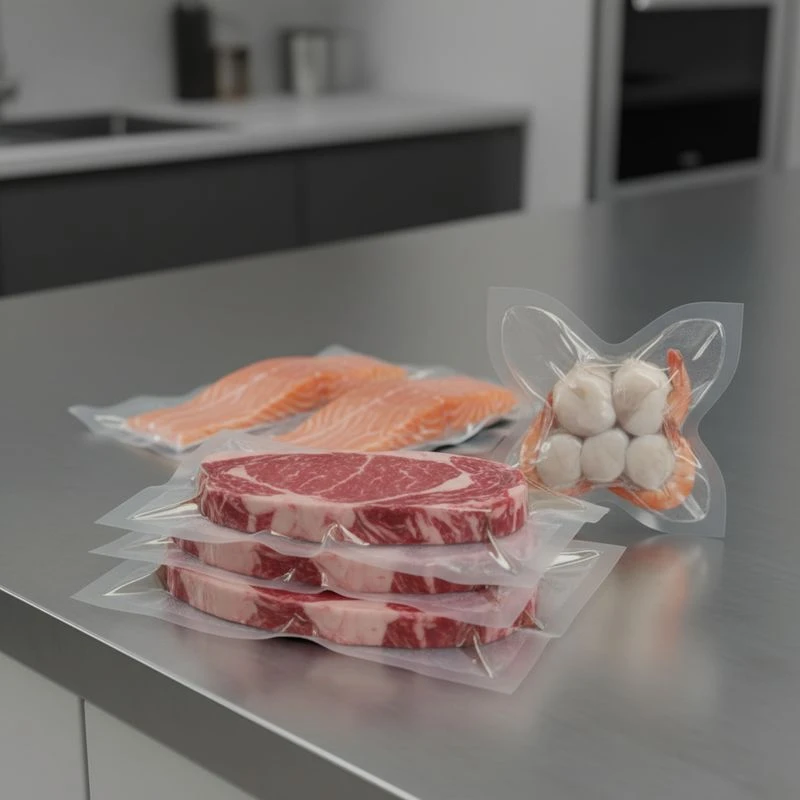
In the dynamic and highly competitive United Kingdom market, where consumer demand for quality, freshness, and sustainable practices is continuously rising, businesses dealing with meat and seafood face unique challenges. From local butchers and fishmongers to large-scale processors and caterers, the need to preserve product integrity, extend shelf life, and comply with stringent food safety standards is paramount. This is precisely where custom vacuum packaging emerges as an indispensable solution, offering a strategic advantage that transcends mere preservation. It’s about delivering consistent quality, reducing waste, and ultimately, enhancing profitability and brand reputation in a market that values excellence above all. This comprehensive guide delves into how tailored vacuum packaging solutions can revolutionise your operations, ensuring your meat and seafood products consistently meet and exceed the high expectations of the UK consumer and regulatory bodies.
Vacuum Packaging
For businesses dealing with meat and seafood across the United Kingdom, embracing custom vacuum packaging is a transformative strategy that dramatically extends product shelf life and maintains pristine quality, directly impacting profitability and customer satisfaction. This advanced preservation method significantly retards the natural spoilage process, ensuring that delicate items like fresh fish fillets or premium cuts of beef arrive at their destination in optimal condition, whether that’s a bustling restaurant kitchen in Manchester or a discerning consumer’s home in Glasgow. The ability to guarantee a longer period of freshness translates directly into reduced waste, enhanced operational flexibility, and a stronger reputation for quality within the competitive UK food sector.
The core principle behind effective vacuum packaging is brilliantly simple yet remarkably powerful: it meticulously removes oxygen from the packaging environment. Oxygen is a primary catalyst for various forms of spoilage; it actively encourages the proliferation of aerobic bacteria, which are largely responsible for off-odours and slimy textures, and it contributes to oxidation, a chemical process that leads to discolouration, rancidity, and undesirable changes in flavour, particularly noticeable in fatty fish and cured meats. By eliminating this oxygen and creating an anaerobic environment, vacuum sealing dramatically inhibits the growth of these spoilage microbes and significantly slows down oxidative degradation, thereby preserving the product’s natural attributes – taste, texture, and colour – for a much longer duration. Moreover, vacuum packaging provides a robust barrier against freezer burn, a common issue when freezing unpackaged or inadequately packaged items, which causes dehydration, discolouration, and severe texture degradation. For the discerning UK market, where the premium on quality and freshness is incredibly high, this preservation capability is not just an advantage; it is often a fundamental requirement for market entry and sustained success.
Implementing effective custom vacuum packaging requires careful consideration of several critical factors to ensure maximum efficacy and compliance with UK standards. Firstly, selecting the appropriate film type and gauge is absolutely crucial for the specific product at hand; for instance, high-barrier films with low oxygen transmission rates (OTR) are essential for fatty fish like salmon or mackerel to prevent oxygen ingress and maintain freshness over an extended period, while a thicker, more puncture-resistant gauge might be preferred for bone-in meat cuts or shellfish to withstand rigorous handling and transportation without compromising the vacuum seal. Businesses must carefully evaluate whether robust chamber vacuum sealers, which are ideal for high-volume operations and packaging liquid-rich products like marinades or brined seafood, or external vacuum sealers, typically more suitable for smaller-scale operations and drier goods, best fit their specific operational scale and product range. For example, a wholesale butcher supplying gastro pubs across the UK might benefit immensely from a high-capacity chamber sealer for efficient, bulk packaging of various meat cuts, whereas a high-end fishmonger might utilise specialised vacuum skin packaging (VSP) to perfectly contour the film around delicate seafood, enhancing both presentation and further extending shelf life by eliminating air pockets. Understanding these technical nuances and investing in the right equipment and materials ensures that the benefits of custom vacuum packaging are fully realised, from significantly reducing product waste to substantially enhancing market appeal. Potential pitfalls include using an incorrect film for the product, which can compromise the vacuum and lead to premature spoilage, or inadequate machine maintenance leading to inconsistent seals and potential product recalls. The solution lies in thorough staff training on equipment operation and material selection, alongside a proactive and rigorous maintenance schedule for all vacuum packaging machinery.
Below is a table outlining common film types and their characteristics essential for meat and seafood packaging:
| Film Type | Key Characteristics | Typical UK Application for Meat & Seafood | Barrier Properties (OTR/MVTR) |
|---|---|---|---|
| PA/PE (Nylon/Polyethylene) | High puncture resistance, good clarity, excellent barrier | Fresh meat cuts, whole fish, smoked salmon, cooked meats | Good Oxygen Barrier, Moderate Moisture Barrier |
| EVOH/PE (Ethylene Vinyl Alcohol/Polyethylene) | Very high oxygen barrier, good clarity | Processed meats, extended shelf life fresh fish, pre-cooked meals | Excellent Oxygen Barrier, Good Moisture Barrier |
| PET/PE (Polyester/Polyethylene) | High temperature resistance, good for ready meals (microwavable) | Ready-to-cook meals, marinated products | Good Oxygen Barrier, Moderate Moisture Barrier |
| VSP (Vacuum Skin Packaging) Films | Forms a second skin, superb presentation, locks in juices | Premium steaks, delicate fish fillets, shellfish, prepared meals | High Oxygen Barrier, High Moisture Barrier |
This table illustrates the diverse range of film options available, each designed with specific barrier properties and physical characteristics to suit different types of meat and seafood products and their respective shelf-life requirements. Selecting the correct film is paramount to achieving optimal preservation and presentation, directly impacting consumer perception and product longevity in the competitive UK market.
Food Safety
In the United Kingdom’s highly regulated food industry, upholding stringent food safety standards is not merely a legal obligation but a cornerstone of consumer trust and brand reputation, particularly when handling perishable goods like meat and seafood. Custom vacuum packaging plays a pivotal role in this regard, offering a significant layer of protection that goes beyond conventional methods. By effectively removing atmospheric oxygen, it drastically reduces the growth of common aerobic spoilage bacteria such as Pseudomonas species, which are notorious for causing slime and off-odours in fresh produce. However, it’s crucial to acknowledge that while vacuum packaging excels at inhibiting aerobic spoilage, it creates an anaerobic environment which can, if not managed correctly, potentially favour the growth of certain anaerobic pathogens like Clostridium botulinum. Therefore, understanding and mitigating this specific risk through rigorous temperature control and adherence to established food safety protocols is absolutely non-negotiable for any UK business employing this technology. The peace of mind that comes from knowing products are safely handled from production to plate is invaluable.
Beyond simply inhibiting spoilage, vacuum packaging serves as a critical barrier against cross-contamination, a perpetual concern in multi-product food processing environments. Once sealed, a product is protected from external contaminants, ensuring that microbial transfer from other surfaces, staff, or raw ingredients is effectively prevented. This physical isolation is particularly advantageous for businesses operating under strict HACCP (Hazard Analysis and Critical Control Points) principles, where identifying and controlling biological, chemical, and physical hazards is fundamental. For UK food businesses, integrating vacuum packaging into their HACCP plan means establishing critical limits for sealing integrity, vacuum levels, and most importantly, maintaining the cold chain. For example, a seafood processor supplying restaurants across the UK must ensure that their vacuum-packed cod fillets are consistently stored below 3°C to minimise the risk of psychrotrophic pathogen growth, even in the absence of oxygen. Compliance with EU and UK food contact material regulations (e.g., Regulation (EC) No 1935/2004) is also essential, ensuring that the packaging materials themselves do not leach harmful substances into the food, thereby maintaining product purity and consumer safety. This commitment to robust safety measures is what differentiates reputable suppliers in the UK market.
To fully leverage the food safety benefits of custom vacuum packaging and navigate potential pitfalls, businesses must implement a multi-faceted approach. This begins with comprehensive staff training, ensuring every employee understands the critical nature of hygiene, proper sealing techniques, and the importance of maintaining the cold chain at every stage. Inadequate temperature control after packaging is a significant pitfall; while vacuum packaging extends shelf life, it does not make food safe from abuse. Therefore, constant monitoring of refrigeration and freezer temperatures is paramount. Practical examples of actionable steps include regular calibration and maintenance of vacuum packaging machines to guarantee consistent seal integrity, as a faulty seal can compromise the entire safety barrier. Furthermore, conducting routine microbial testing on finished products can provide valuable data to validate the efficacy of the packaging and storage protocols. For instance, a UK-based meat supplier might regularly test their vacuum-packed minced beef for total viable counts and specific pathogens to ensure compliance with microbiological criteria. Additionally, thorough supplier audits are necessary to ensure that packaging materials themselves meet all relevant food safety standards. By proactively addressing these aspects, UK businesses can confidently ensure that their vacuum-packed meat and seafood products are not only fresh but also unequivocally safe for consumption, building enduring trust with their customers and regulatory bodies.
B2B Production
For wholesale suppliers, food service providers, and retailers operating within the bustling United Kingdom market, optimising B2B production processes is key to efficiency and profitability. Custom vacuum packaging offers a significant advantage by streamlining operations, enhancing product presentation, and facilitating superior logistics for meat and seafood. When supplying a diverse range of clients, from high-volume catering companies to independent gourmet supermarkets, the ability to deliver products that are consistently fresh, perfectly portioned, and aesthetically appealing directly translates into stronger client relationships and expanded market opportunities. This strategic use of packaging goes beyond mere protection; it becomes an integral part of the product offering itself, reflecting quality and reliability that UK businesses demand from their suppliers.
The benefits for B2B production are manifold, starting with unparalleled efficiency in bulk packaging. Instead of manual wrapping or less effective preservation methods, industrial-grade vacuum packaging systems allow for rapid, consistent sealing of large quantities of meat cuts, fish fillets, or prepared seafood portions. This not only dramatically reduces labour costs but also ensures uniformity in packaging, which is crucial for brand consistency and regulatory compliance. Furthermore, custom vacuum packaging facilitates precise portion control, a critical factor for catering businesses and restaurants that rely on accurate ingredient costing and menu planning. Imagine a restaurant chain across the UK receiving pre-portioned, vacuum-sealed steaks or salmon fillets; this minimises waste in their kitchens, speeds up meal preparation, and ensures consistent dish quality. The ability to incorporate custom branding, including bespoke labels, company logos, and specific cooking instructions, directly onto the vacuum film further transforms the package into a powerful marketing tool, reinforcing brand identity and customer loyalty at every point of sale or delivery. For businesses operating within the highly competitive UK food service sector, this level of customisation and efficiency is a distinct competitive edge.
To fully harness these B2B production advantages of custom vacuum packaging, businesses must consider scalable solutions and embrace process automation. For a growing wholesale meat supplier, investing in an automated thermoforming vacuum packaging machine can significantly increase throughput, allowing thousands of packs per hour to be produced with minimal manual intervention, dramatically reducing bottlenecks. This contrasts with smaller, semi-automatic chamber machines which might suffice for a bespoke deli. A potential pitfall in B2B production is inconsistent pack quality, which can arise from poorly calibrated machines or inadequate film selection, leading to leaks, reduced shelf life, and customer complaints. Another significant challenge is slow throughput in high-demand periods, which can impact order fulfilment and lead to lost revenue. Solutions involve comprehensive machine maintenance schedules, regular quality control checks on every batch, and staff training to identify and rectify packaging anomalies promptly. Furthermore, adopting lean manufacturing principles can help optimise the flow of products through the vacuum packaging line, reducing waste and improving overall efficiency. For example, a UK seafood distributor might implement a “just-in-time” packaging strategy where products are vacuum-sealed only shortly before dispatch, ensuring maximum freshness upon arrival. By focusing on robust machinery, stringent quality assurance, and efficient workflows, businesses can ensure their B2B custom vacuum packaging operations are both cost-effective and highly reliable, serving the demanding needs of the UK market.
Here’s a comparison of different vacuum packaging machine types commonly used in B2B meat and seafood production:
| Machine Type | Typical Throughput | Best Suited For | Key Advantages for UK B2B | Considerations |
|---|---|---|---|---|
| Chamber Vacuum Sealers | Low to Medium (100-500 packs/hr) | Retail, small wholesalers, liquids, delicate items | Excellent seal quality, versatile, handles liquids well | Manual loading/unloading, slower than automated systems |
| External Vacuum Sealers | Very Low (20-100 packs/hr) | Small businesses, occasional use, dry goods only | Cost-effective, compact, easy to operate | Not suitable for liquids, limited pack size, lower vacuum levels |
| Thermoforming Machines | High (500-5000+ packs/hr) | Large processors, high-volume retail, automated lines | Fully automated, high speed, creates custom trays | High initial investment, requires skilled operators, large footprint |
| Tray Sealers (MAP/Vacuum) | Medium to High (300-2000 packs/hr) | Prepared meals, fresh meat/fish, retail-ready packs | Superior presentation, often combined with gas flush (MAP) | Specific tray requirement, consumables cost, moderate investment |
This table outlines the spectrum of vacuum packaging machinery available, highlighting their suitability for different scales of B2B operations in the UK. Choosing the right machine type is a critical investment decision, directly influencing efficiency, cost-effectiveness, and the ability to meet market demand for consistently high-quality, safely packaged meat and seafood products.
Sealing Technology
At the very heart of effective custom vacuum packaging for meat and seafood in the United Kingdom market lies robust and reliable sealing technology. Without a perfect, hermetic seal, the entire vacuum packaging process is rendered ineffective, leading to immediate product spoilage, compromised food safety, and significant financial losses. The seal is the final barrier that protects the product from external contaminants and, crucially, maintains the integrity of the vacuum by preventing air from re-entering the package. It is the silent guardian of freshness and a non-negotiable component for any business aiming to uphold the highest standards of quality and extend the shelf life of their perishable goods, meeting the exacting demands of UK consumers and regulatory bodies. A strong, consistent seal is the guarantee that the investment in vacuum packaging pays off.
The range of sealing technologies available offers varying degrees of performance and suitability depending on the specific product, film type, and production volume. Impulse sealing, a common method, uses a resistance wire that heats up instantly to melt and fuse the film, then cools rapidly to set the seal. Double-seam technology, often found in more advanced systems, creates two distinct seals, offering an added layer of security and reliability – a vital feature for high-value or exceptionally perishable items like prime cuts of beef or luxury shellfish destined for UK fine dining. For some applications, particularly those aiming for modified atmosphere packaging (MAP) alongside vacuum, gas flushing mechanisms are integrated; these introduce a specific mixture of inert gases (e.g., nitrogen, carbon dioxide) into the package before sealing, further inhibiting bacterial growth and preserving colour and texture. Understanding these nuances allows businesses to select technology that not only creates a strong seal but also complements other preservation strategies, ensuring optimal product quality and safety from the moment of packaging to delivery across the UK. The consistency and durability of the seal are what ultimately dictate the success of the entire preservation effort.
To prevent potential pitfalls and maximise the effectiveness of your custom vacuum packaging sealing technology, several actionable steps are imperative. A common pitfall is the use of worn-out or damaged seal bars and heating elements, which can result in weak, incomplete, or porous seals that compromise the vacuum. Another significant issue is the presence of contaminants – such as food particles, grease, or moisture – in the sealing area, which can prevent the film from fusing properly. To mitigate these risks, a rigorous preventative maintenance schedule for all sealing equipment is crucial, including regular inspection and timely replacement of seal bars, wires, and silicone rubbers. Daily cleaning of the sealing area is also non-negotiable to remove any residue that could interfere with the sealing process. Furthermore, implementing a robust quality control process, such as conducting periodic seal integrity tests (e.g., a “bubble test” where sealed packages are submerged in water and squeezed to check for air leaks), provides immediate feedback on sealing effectiveness. For example, a major food processor in the UK supplying supermarkets would implement automated seal inspection systems that can detect micro-leaks, ensuring that only perfectly sealed packages proceed down the line. Training operators on proper loading techniques, ensuring no product protrudes into the seal area, and understanding how to adjust sealing parameters (temperature, pressure, time) for different film types are also vital. By focusing on these proactive measures, UK businesses can ensure that their vacuum packaging seals are consistently robust, providing the essential foundation for extended shelf life and uncompromised food safety.
Freshness
Delivering unparalleled freshness is the ultimate goal for any business involved in the meat and seafood sector, especially within the discerning United Kingdom market. Custom vacuum packaging is not merely a preservation technique; it is a powerful enabler of superior product quality, ensuring that the inherent natural flavour, appealing texture, and vital nutritional value of meat and seafood are maintained from the point of processing right through to the consumer’s plate. In an era where consumers are increasingly health-conscious and demand transparency regarding food origin and quality, the ability to extend the period during which a product remains in its peak, freshly prepared state provides a significant competitive advantage. This commitment to freshness underscores a brand’s dedication to quality and can build enduring loyalty among UK customers who prioritise taste and nutritional integrity.
The mechanism by which vacuum packaging locks in freshness is multi-faceted and highly effective. By creating an oxygen-free environment, it significantly slows down the oxidative processes that lead to discolouration and the development of off-flavours, particularly in delicate fish and high-fat meats. This means that a vacuum-packed prime beef steak will retain its vibrant red colour and succulent texture for a much longer period compared to one packaged in an oxygen-permeable film. Similarly, the subtle flavours of fresh scallops or a whole sea bass are preserved, preventing the “fishy” smells often associated with spoilage. Furthermore, vacuum packaging helps to retain the product’s natural moisture, preventing dehydration and maintaining its succulence and weight, which is particularly important for both consumer satisfaction and business profitability. When combined with rigorous temperature control – maintaining a consistent cold chain from production through to distribution – the effects on freshness are compounded. Rapid chilling or freezing of vacuum-packed products immediately after processing ensures that cellular damage is minimised and enzymatic degradation is slowed, further extending the window of peak freshness. For a UK-based artisan smokehouse, combining custom vacuum packaging with proper chilling ensures their smoked salmon retains its delicate flavour and perfect texture for weeks, ready for distribution to fine food stores across the country.
To consistently deliver on the promise of extended freshness using custom vacuum packaging, businesses must adopt a holistic approach that integrates best practices at every stage. A critical actionable step is to start with the freshest possible raw material; vacuum packaging enhances and preserves what is already there, it cannot magically restore freshness to a product that is already past its prime. Therefore, implementing strict quality control protocols for incoming ingredients is fundamental. Another key step is ensuring rapid processing and packaging immediately after harvest or slaughter to minimise exposure to air and ambient temperatures. For instance, fish caught off the UK coast should be vacuum-packed and chilled as quickly as possible on the vessel or upon landing. Potential pitfalls include temperature fluctuations during storage or transit, which can break the cold chain and accelerate spoilage despite the vacuum seal, or delays in packaging, allowing initial degradation to occur. Solutions involve robust cold chain management systems, including temperature-controlled logistics for distribution throughout the UK, and streamlined production lines that minimise the time between preparation and packaging. Implementing Modified Atmosphere Packaging (MAP) in conjunction with vacuum, where a specific gas mixture is introduced after vacuum, can further enhance the preservation of colour and inhibit certain spoilage bacteria for products like fresh red meat, offering an even longer window of freshness. By meticulously managing these elements, UK businesses can consistently ensure that their vacuum-packed meat and seafood products not only meet but exceed consumer expectations for taste, texture, and overall quality, cementing their reputation as a premium supplier.
The impact of custom vacuum packaging on extending the shelf life of various meat and seafood products is significant, as demonstrated by the following examples:
| Product | Typical Shelf Life (Conventional) | Typical Shelf Life (Vacuum Packaged, Chilled) | Key Freshness Benefit |
|---|---|---|---|
| Fresh Beef Steaks | 3-5 days | 10-14 days | Maintains red colour, tenderness, prevents spoilage bacteria |
| Fresh Salmon Fillets | 3-4 days | 7-10 days | Preserves delicate flavour, texture, prevents ‘fishy’ odours |
| Cooked Prawns | 2-3 days | 7-10 days | Retains moisture, prevents drying out and bacterial growth |
| Minced Meat | 1-2 days | 5-7 days | Reduces oxidation, slows spoilage, retains colour |
This table illustrates the tangible benefits of custom vacuum packaging in significantly extending the chilled shelf life of common meat and seafood products, offering UK businesses greater flexibility in production, distribution, and inventory management. This extended freshness window directly contributes to reduced food waste and enhanced consumer satisfaction.
