
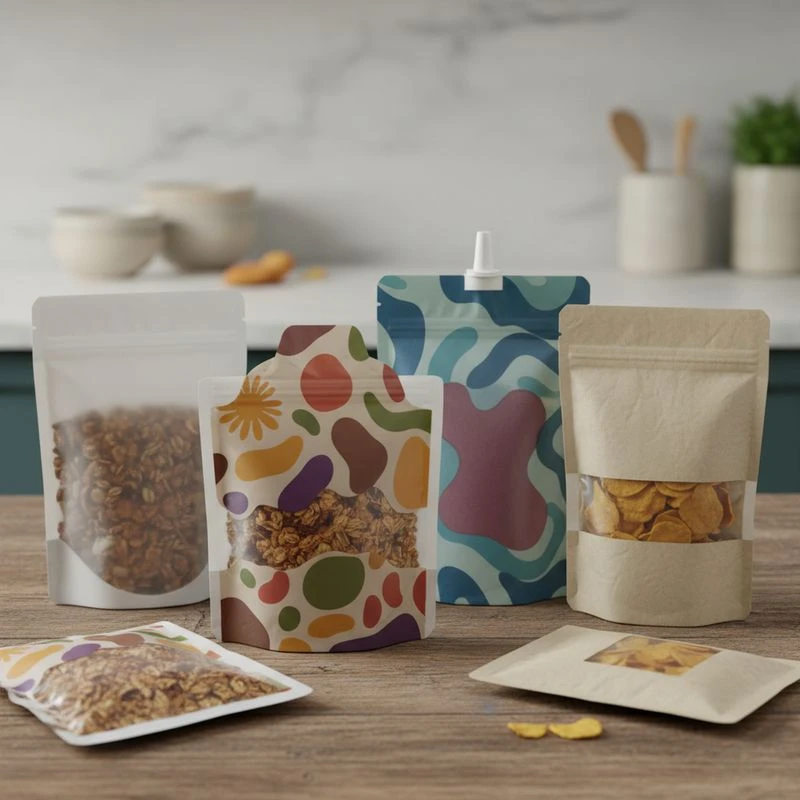
In the vibrant and competitive United Kingdom market, innovation in packaging is not just an advantage—it’s a necessity. For snack and beverage brands, the choice of packaging can profoundly impact everything from shelf appeal and product integrity to logistical efficiency and environmental footprint. This is where flexible custom packaging steps in as a transformative solution, offering unparalleled versatility and a strategic edge. UK consumers are increasingly discerning, valuing convenience, sustainability, and attractive aesthetics, pushing brands to rethink traditional packaging approaches. Embracing flexible options allows businesses, from nimble startups to established giants, to respond dynamically to these evolving demands, securing their place in the hearts and shopping baskets of the nation.
Flexible Packaging
Flexible packaging has emerged as a game-changer, revolutionising how snack and beverage products are presented, protected, and perceived in the UK market. The primary takeaway for any brand considering this option is its inherent versatility and efficiency. Unlike rigid packaging, flexible formats like pouches, bags, and films utilise minimal material, translating directly into significant reductions in manufacturing costs and transportation expenses. This lighter weight footprint is especially critical for UK businesses facing intricate supply chains and a nationwide distribution network, as it contributes to lower fuel consumption and a reduced carbon footprint, aligning perfectly with growing environmental consciousness among British consumers.
The reasoning behind its widespread adoption extends beyond economics and logistics. Flexible custom packaging offers superior product protection, acting as a robust barrier against external elements like moisture, oxygen, and light. This is paramount for maintaining the freshness, flavour, and texture of delicate snacks and perishable beverages, ensuring that products arrive on the shelves and in consumers’ hands exactly as intended. From a marketing perspective, the adaptable surfaces of flexible packaging provide an expansive canvas for vibrant graphics, intricate designs, and crucial brand messaging. UK brands can leverage this to create eye-catching designs that truly stand out in crowded retail environments, captivating shoppers with compelling visuals and clear communication of values and benefits. Moreover, the ergonomic designs, such as resealable zippers and easy-tear notches, enhance consumer convenience, leading to a more positive user experience and fostering brand loyalty.
For UK businesses looking to implement or transition to flexible packaging, the actionable steps begin with a thorough understanding of their product’s specific needs and market positioning. This involves carefully selecting the right material laminates, such as multi-layer films combining BOPP, PET, and PE, each offering unique barrier properties and structural integrity suited to different products. Engaging with experienced packaging manufacturers who understand the nuances of food-grade materials and UK food safety regulations is crucial. They can guide brands through the material selection process, ensuring compliance and optimal performance. Practical examples include stand-up pouches for ready-to-drink beverages, flow wrap for individual snack portions, and flat bottom bags for premium confectionery. A potential pitfall lies in underestimating the complexity of material science and printing technologies. Incorrect material choices can compromise product shelf life, while suboptimal printing can dilute brand image. The solution lies in a collaborative approach with packaging experts who can offer tailored solutions, conduct rigorous testing, and ensure that both material properties and design execution meet the highest standards, ultimately safeguarding product quality and brand reputation across the United Kingdom.
Snacks
For UK snack brands navigating a fiercely competitive market, custom flexible packaging is not merely an option but a strategic imperative to differentiate products, maintain peak freshness, and resonate with evolving consumer demands. The immediate takeaway is that a well-designed flexible package can be the primary determinant of a snack’s success on crowded supermarket shelves, effectively communicating brand story and product benefits in a glance. The reasoning behind this importance is multi-faceted: UK consumers are constantly seeking new flavours, textures, and convenience, and their purchasing decisions are heavily influenced by visual appeal and perceived quality. Flexible packaging excels here, providing a lightweight yet robust barrier that protects delicate snacks—be it crunchy crisps, chewy dried fruit, or artisanal biscuits—from moisture, oxygen, and light, all critical factors that can lead to staleness or spoilage. This extended shelf life reduces food waste and ensures a consistent quality experience for the end-user, building trust and repeat purchases.
Furthermore, the customisation capabilities of flexible packaging allow snack brands to innovate beyond basic product protection. From vibrant, high-definition graphics that catch the eye to unique structural features like easy-open tear notches, resealable zippers for multi-serve packs, or even transparent windows that showcase the product inside, these elements enhance the consumer experience. For instance, a premium nut brand might opt for a matte finish stand-up pouch with a clear window to highlight product quality, while a children’s snack could use a brightly coloured flow-wrap with engaging characters. Actionable steps for UK snack brands include first identifying the precise barrier requirements for their specific snack type. Crisps, for example, demand a high oxygen and moisture barrier to maintain crispness, often achieved with metallised films or aluminium foil laminates. Dried fruits might prioritise puncture resistance and a good moisture barrier. Brands should then collaborate closely with packaging designers to ensure that the visual design not only captures attention but also aligns with the brand’s identity and resonates with the target demographic. Practical examples range from individual portion-control pouches, ideal for the on-the-go UK consumer, to larger share bags that incorporate robust resealable closures to maintain freshness after opening.
A common pitfall in snack packaging can be underestimating the impact of humidity and temperature fluctuations common in the UK climate on product integrity. If the packaging fails to provide an adequate barrier, snacks can quickly become stale, soft, or develop off-flavours, leading to consumer disappointment and potential brand damage. Another challenge lies in managing multiple SKU variations efficiently, especially for brands offering a wide range of flavours or seasonal editions. The solution involves rigorous material testing under various environmental conditions to guarantee barrier performance, and adopting a modular design approach that allows for easy adaptation of artwork across different product lines. Partnering with a flexible custom packaging manufacturer that possesses BRCGS (Brand Reputation Compliance Global Standard) certification is crucial for ensuring adherence to the highest food safety and quality standards. By focusing on these elements, UK snack brands can leverage flexible custom packaging to not only protect their products but also to strategically position them for success in a competitive market.
| Snack Type | Recommended Flexible Custom Packaging Material | Key Barrier Properties | Benefits for UK Market |
|---|---|---|---|
| Crisps/Chips | BOPP/Metalized PET/PE Laminates | High Oxygen & Moisture Barrier | Maintains crunch, extended shelf life, vibrant print for branding. |
| Nuts/Dried Fruit | PET/Aluminium Foil/PE Laminates | Excellent Oxygen, Moisture & Light Barrier, Puncture Resistance | Preserves freshness, prevents rancidity, premium feel. |
| Biscuits/Cookies | BOPP/Cast PP or PET/PE Films | Moderate Moisture Barrier | Keeps biscuits crisp, cost-effective, good for multipacks. |
| Confectionery (Gummies/Chocolates) | BOPP/Metalized BOPP/PE Laminates | Moisture & Aroma Barrier | Prevents stickiness, preserves flavour, attractive gloss/matte finish. |
This table illustrates how different snack types in the UK market benefit from specific flexible custom packaging material compositions, optimising for critical properties like oxygen and moisture barriers. Choosing the right material ensures product quality and shelf life, which are paramount for consumer satisfaction and brand reputation. Each material is selected to address the unique preservation needs of the particular snack, from crispness to aroma retention, all while providing an excellent canvas for custom branding.
Beverages
The UK beverage market is experiencing a significant shift, with consumers increasingly favouring convenience, portability, and sustainable options beyond traditional rigid containers. The core takeaway for beverage brands is that flexible packaging offers innovative, eco-conscious, and highly functional solutions that can unlock new market segments and enhance consumer experience. While often associated with solid goods, flexible custom packaging is rapidly gaining traction for various liquid products, including juices, smoothies, energy drinks, alcoholic seltzers, and even craft spirits in pouches or bag-in-box formats. This evolution is driven by the undeniable advantages flexible formats offer, such as significantly reduced weight compared to glass or rigid plastic, leading to lower transportation costs and a smaller carbon footprint—a critical consideration for environmentally-conscious UK consumers.
The reasoning for this adoption extends to product integrity and market diversification. Flexible beverage packaging, particularly stand-up pouches with spouts, provides excellent barrier properties that can extend shelf life, particularly for sensitive products requiring protection from oxygen and light. Advanced laminates incorporating aluminium foil or EVOH (Ethylene-vinyl alcohol) layers enable aseptic filling and hot-fill applications, allowing products to be stored at ambient temperatures without refrigeration until opened. This expanded shelf stability is a major benefit for both retailers managing inventory and consumers seeking convenient, long-lasting options. Furthermore, the inherent durability of flexible packaging reduces the risk of breakage during transit and handling, a common issue with glass bottles. Its compact nature also optimises storage space both in warehouses and in consumers’ refrigerators, aligning with the smaller living spaces often found in urban UK environments. From a design perspective, the large, uninterrupted surface area provides ample space for vibrant, high-impact graphics that can truly differentiate a beverage brand in a crowded market.
For UK beverage companies considering flexible custom packaging, the actionable steps involve a detailed assessment of their product’s characteristics and target market. Brands must choose appropriate film laminates that can withstand the specific beverage formulation (e.g., acidity, alcohol content) and processing methods (e.g., hot fill, retort). Collaborating with manufacturers who possess expertise in liquid filling and sealing technologies is non-negotiable to prevent leaks and ensure product safety. Practical examples include single-serve juice pouches for lunchboxes, multi-serve smoothie pouches with resealable spouts for family consumption, or even innovative wine-in-a-pouch options for picnics and outdoor events, appealing to the growing outdoor lifestyle trend in the UK. A potential pitfall is selecting a flexible material that lacks the necessary structural integrity or barrier properties for liquid contents, leading to packaging failures, product spoilage, and brand damage. The solution lies in rigorous testing protocols, including burst strength tests, drop tests, and shelf-life studies, conducted in conjunction with a trusted flexible custom packaging provider. Ensuring compatibility with existing or planned filling equipment is also vital to avoid costly production bottlenecks. By meticulously planning and partnering with experienced suppliers, UK beverage brands can confidently transition to flexible solutions, offering consumers innovative, safe, and sustainable drink options.
| Feature | Flexible Custom Packaging (e.g., Pouches) | Traditional Rigid Packaging (e.g., Glass Bottles) |
|---|---|---|
| Weight | Significantly lighter (up to 80% less) | Heavier, contributing to higher transport costs |
| Breakage Risk | Minimal to none, highly durable | High risk, especially during transport |
| Space Efficiency | Collapsible, optimises storage and transport | Fixed shape, less efficient for storage |
| Environmental Impact (Transport) | Lower carbon footprint due to light weight | Higher carbon footprint due to weight and bulk |
| Shelf Life Extension | Excellent barrier options (foil, EVOH) for extended life | Good for certain products, but often requires more material |
| Consumer Convenience (UK) | Resealable, easy-pour spouts, portable | Less portable, often not resealable for multi-serve |
This table provides a direct comparison between flexible custom packaging, specifically pouches, and traditional rigid packaging methods like glass bottles, highlighting key features relevant to the UK beverage industry. It underscores the substantial advantages flexible options offer in terms of weight, breakage resistance, and space efficiency, all of which contribute to reduced logistical costs and a lower environmental impact. These benefits are increasingly important for UK beverage brands looking to align with consumer preferences for sustainable and convenient products while maintaining high product quality.
B2B Manufacturing
For any snack or beverage brand in the United Kingdom, partnering with the right B2B flexible custom packaging manufacturer is a critical strategic decision that profoundly impacts product quality, supply chain efficiency, cost-effectiveness, and market compliance. The central takeaway here is that selecting a manufacturer should go beyond price; it demands a comprehensive evaluation of expertise, certifications, and a shared understanding of the brand’s vision and the nuances of the UK market. A reliable manufacturing partner acts as an extension of your team, providing not just a physical product, but also invaluable guidance on material science, regulatory requirements, and design optimisation.
The reasoning behind this meticulous selection process stems from several factors unique to the food and beverage industry. Firstly, food-grade safety is paramount. Manufacturers must adhere to stringent quality standards, such as BRCGS (Brand Reputation Compliance Global Standard) certification, ensuring that packaging materials are safe for direct food contact and free from contaminants. Secondly, an understanding of UK and broader EU regulatory landscapes regarding food packaging is crucial for market access and avoiding costly recalls. Thirdly, the manufacturer’s technological capabilities in printing (flexographic, rotogravure, digital), lamination, and pouch converting directly influence the visual appeal and functional performance of the final flexible custom packaging. Lead times and Minimum Order Quantities (MOQs) are also critical considerations for businesses, particularly smaller UK brands, as they affect inventory management and cash flow. Local UK manufacturers often offer faster turnaround times and more flexible MOQs, reducing shipping costs and carbon footprint compared to international suppliers, which is increasingly important for sustainable brand narratives.
Actionable steps for UK brands looking to secure the ideal B2B manufacturing partner include developing a clear and detailed Request for Quote (RFQ) that outlines precise specifications, material requirements, design files, and volume projections. It is advisable to conduct thorough due diligence, including facility audits, to assess a manufacturer’s production capabilities, quality control processes, and adherence to certifications. Requesting samples of previous work and running small-batch trials can provide tangible evidence of their capabilities. Establishing clear communication channels and agreeing on Service Level Agreements (SLAs) will set expectations for quality, delivery schedules, and problem resolution. For instance, a UK craft brewery might seek a manufacturer with expertise in aseptic filling flexible pouches for new product lines, requiring specific barrier films and spout designs. A potential pitfall is rushing into a partnership based solely on the lowest price, which can lead to compromised quality, unreliable supply, or hidden costs down the line. Another common issue is miscommunication regarding technical specifications, resulting in packaging that doesn’t meet product needs. The solution involves transparent communication from the outset, a willingness to invest in quality, and forming a long-term collaborative relationship built on trust and mutual understanding. This ensures that the chosen flexible custom packaging not only looks good but also performs flawlessly from production line to consumer.
| Selection Criteria | Key Considerations for UK Brands | Impact on Flexible Custom Packaging |
|---|---|---|
| Certifications & Compliance | BRCGS, ISO 9001, UK/EU food safety regulations | Ensures food safety, market access, brand reputation. |
| Technological Capabilities | High-definition printing (flexo, digital), lamination, pouch converting, specific fill capabilities (e.g., hot fill, aseptic) | Affects visual quality, barrier performance, structural integrity. |
| Lead Times & MOQs | Alignment with production schedules, flexibility for different order sizes | Influences inventory management, cash flow, ability to test new products. |
| Material Expertise | Guidance on optimal film structures, sustainable options | Ensures product protection, shelf life, environmental goals. |
| Customer Service & Communication | Responsive, transparent, collaborative approach | Smooth project execution, quick problem resolution, long-term partnership. |
This table outlines critical criteria for UK snack and beverage brands when selecting a B2B flexible custom packaging manufacturer. Each consideration directly impacts the success of the packaging, from ensuring compliance with stringent food safety standards to achieving desired aesthetic and functional qualities. A thorough evaluation of these factors helps brands secure a partner who can deliver high-quality, efficient, and compliant flexible custom packaging solutions, essential for navigating the complex UK market.
Custom Design
In the highly visual and competitive landscape of the UK snack and beverage industry, custom design in flexible packaging is far more than mere aesthetics; it is a powerful strategic tool that transforms product appeal, communicates core brand values, and directly influences consumer purchasing decisions. The undeniable takeaway is that a well-executed custom design can be the silent salesperson for your product, capturing attention in a fraction of a second and telling your brand’s unique story. UK consumers are sophisticated, often making choices based on both perceived quality and the emotional connection they feel with a brand, which a compelling design can powerfully evoke.
The reasoning behind investing heavily in custom design stems from its ability to differentiate a product in a saturated market. Imagine the vibrant aisles of a UK supermarket: hundreds of products clamouring for attention. Custom flexible packaging design allows brands to break through this visual noise by employing unique graphics, captivating colours, distinctive typography, and innovative structural forms (e.g., a pouch with a unique silhouette). Beyond visual appeal, design also encompasses functionality. An ergonomic design with an easy-to-open tear notch or a robust resealable closure enhances the user experience, building loyalty and positive associations. For instance, a premium tea brand might opt for a minimalist, elegant design with a matte finish on a stand-up pouch, conveying sophistication and natural ingredients. Conversely, a children’s fruit juice brand might use bright, playful characters and bold colours to appeal to its younger demographic. The design must also convey crucial information clearly, such as nutritional facts, certifications (e.g., organic, vegan), and brand provenance, particularly for the discerning and health-conscious UK consumer who values transparency.
Actionable steps for UK brands embarking on custom design begin with a clear and comprehensive design brief. This document should outline target audience demographics, brand identity guidelines, key product benefits, and any specific functional requirements (e.g., portion control, resealability). Collaborating with experienced packaging designers who understand the technical limitations and opportunities of flexible materials is crucial. They can translate brand vision into print-ready artwork, ensuring colours are vibrant, text is legible, and graphics are sharp on various substrates and using different print technologies (e.g., flexographic, rotogravure, or digital for shorter runs). Prototyping and mock-ups are essential stages, allowing brands to visualise the design in a physical format and conduct consumer testing to gauge appeal and functionality before mass production. For example, a new artisanal coffee brand targeting urban UK millennials might use a contemporary design with eco-friendly cues, perhaps incorporating recycled content messaging directly into the visual elements of their flexible custom packaging. A potential pitfall is creating a design that is visually appealing but not optimised for the chosen flexible packaging material or print process, leading to colour discrepancies, blurred images, or compromised barrier performance. Another challenge is failing to ensure design consistency across multiple SKUs and product ranges, which can dilute brand recognition. The solution involves a meticulous proofing process, colour matching during print runs, and establishing comprehensive brand guidelines for all packaging. Furthermore, conducting small-scale market tests with different design variations can provide invaluable feedback, ensuring the final flexible custom packaging resonates strongly with the target UK consumer, driving engagement and sales.
