
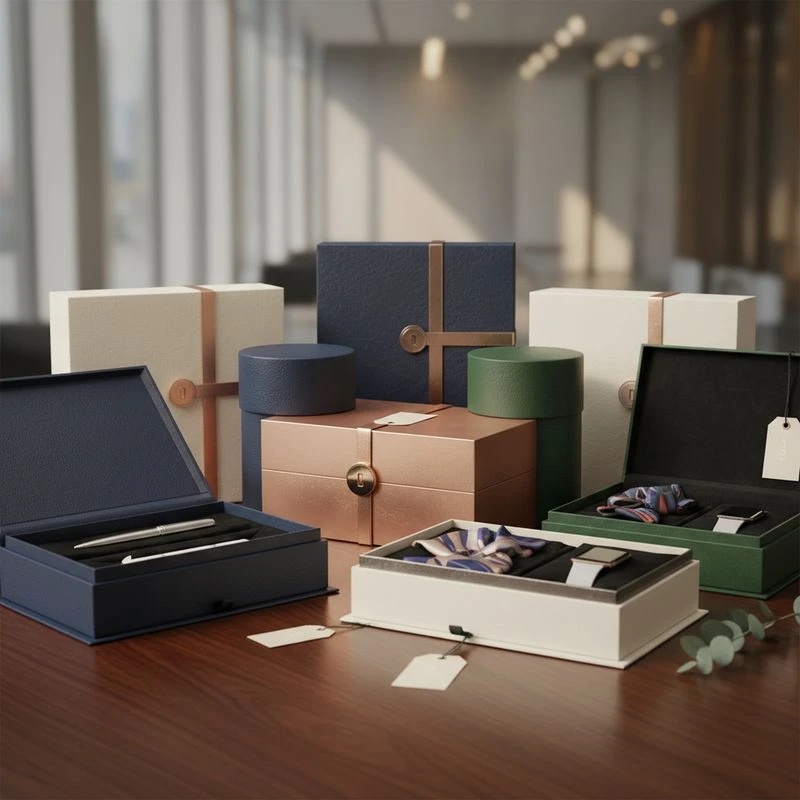
In the highly competitive United Kingdom market, where first impressions are paramount, the art of corporate gifting has evolved beyond merely selecting a valuable item. Today, the true impact of a gift lies not just in its contents, but significantly in its presentation. This is precisely where the strategic advantage of luxury custom boxes for corporate gifts and promotions comes into play, transforming a simple gesture into an unforgettable brand experience. Businesses are increasingly recognising that bespoke packaging is an indispensable tool for reinforcing brand identity, communicating quality, and fostering stronger relationships with clients, partners, and employees alike. By meticulously crafting every aspect of the unboxing journey, from the tactile sensation of the box to the anticipation it builds, companies can leave a lasting, positive impression that resonates long after the gift has been unwrapped. This detailed approach to presentation isn’t just about aesthetics; it’s a powerful statement about attention to detail, commitment to excellence, and genuine appreciation for the recipient, all of which are crucial elements in cultivating enduring professional connections and achieving promotional goals.
Corporate Gift Packaging
The strategic deployment of superior corporate gift packaging in the UK market is a potent, often underestimated, avenue for elevating brand perception and creating indelible connections. Investing in meticulously designed luxury custom boxes ensures that every corporate gift transcends its intrinsic value, transforming into a cherished experience that speaks volumes about your brand’s commitment to quality and thoughtful appreciation. The immediate takeaway here is clear: exceptional packaging doesn’t just protect the gift; it acts as an extension of your brand narrative, significantly enhancing the perceived value of the enclosed item and fostering a memorable unboxing journey. This heightened perception of value is critical in distinguishing your company in a crowded marketplace, where a generic approach to gifting might see your efforts quickly forgotten.
The reasoning behind this strategy is rooted in human psychology and brand association. When a recipient encounters a beautifully crafted, bespoke box, it instantly communicates a sense of care, exclusivity, and professionalism. This initial interaction sets a positive tone, generating anticipation and excitement even before the gift itself is revealed. Imagine presenting a new client with a sophisticated, branded box containing a premium item; this elevates the entire encounter, signalling that your company operates at a higher standard. Conversely, a fantastic gift presented in a flimsy, unbranded, or off-the-shelf package can inadvertently diminish its perceived worth and reflect poorly on the giver. The packaging effectively becomes a silent ambassador for your brand, conveying messages of quality, reliability, and attention to detail without uttering a single word. Furthermore, a well-designed custom box encourages recipients to retain it, potentially repurposing it, thus extending the brand’s presence in their environment long after the initial gift exchange.
To implement this effectively, several actionable steps can be taken. Firstly, thoroughly consider the recipient and the specific occasion. An employee anniversary gift might warrant a different type of packaging than a major client acquisition package or a product launch promotional kit. Secondly, explore various box types suitable for luxury items, such as rigid boxes with magnetic closures, collapsible boxes for ease of shipping, or even elegant slide-out drawer boxes. Each type offers distinct aesthetic and functional advantages. For instance, a rigid box projects unparalleled luxury and durability, ideal for high-value items, while a collapsible box offers an eco-friendly and cost-effective solution for larger volume promotions without compromising on the luxury feel if designed correctly. A common pitfall is underestimating the importance of structural integrity; a box that feels cheap or easily damaged can instantly negate the luxury impression. The solution lies in partnering with experienced manufacturers who understand the nuances of material selection and construction, ensuring that your luxury custom boxes are not only visually appealing but also robust and fit for purpose. Another pitfall is ignoring the internal packaging; custom inserts, tissue paper, or branded ribbons can further enhance the unboxing experience, preventing the gift from shifting and adding another layer of sophistication. Always seek samples to evaluate the quality and feel before committing to a full production run, ensuring the final product aligns perfectly with your brand’s premium image and the intended recipient’s experience.
| Box Type | Ideal Use Case (UK Market) | Luxury Perception | Key Considerations for Luxury Custom Boxes |
|---|---|---|---|
| Rigid Boxes (e.g., set-up boxes, magnetic closure) | High-value client gifts, executive onboarding, product launch kits. | Highest | Exceptional durability, premium feel, custom inserts, elaborate finishing options. |
| Foldable/Collapsible Boxes | Promotional campaigns, event giveaways, bulk gifts requiring flat shipping. | High (if well-designed) | Space-saving for storage/shipping, often assembled by recipient, magnet or ribbon closure. |
| Sleeve & Tray Boxes | Tech gadgets, luxury confectionery, bespoke stationery sets. | Very High | Elegant sliding action, great for revealing layered gifts, often uses thick cardstock. |
| Mailer Boxes (Custom Die-Cut) | E-commerce corporate gifts, subscription boxes for B2B partners, press kits. | Medium-High | Designed for shipping, durable, self-locking, offers strong branding opportunities on exterior and interior. |
This table illustrates various luxury custom box types commonly utilised in the UK for corporate gifting, highlighting their specific applications and the level of luxury they convey. Choosing the right structure is foundational to ensuring your gift packaging effectively communicates your brand’s message and enhances the recipient’s experience. For instance, a rigid box instantly signals unparalleled quality, making it ideal for your most esteemed clients and high-end promotional items.
Luxury Design
The design of your luxury custom boxes for corporate gifts and promotions is not merely an aesthetic choice; it is a critical strategic element that dictates how your brand is perceived and remembered in the discerning UK market. The immediate takeaway is that meticulous design, encompassing every visual and tactile detail, is paramount for conveying exclusivity, quality, and a profound sense of brand identity. A well-designed box doesn’t just contain a gift; it tells a story, evokes emotion, and creates a sensory experience that resonates deeply with the recipient, thereby transforming a simple corporate gesture into a sophisticated brand statement. This deliberate attention to design is what differentiates truly luxurious packaging from the mundane, ensuring your brand stands out in a memorable way.
The reasoning behind prioritising luxury design stems from the fundamental principle that humans are visually and tactilely driven. The colours, textures, typography, and structural integrity of a box all contribute to an unconscious assessment of the brand’s quality and attention to detail. A minimalist design with a rich, deep colour palette and subtle embossing, for example, can exude sophistication and timeless elegance. Conversely, a vibrant, playful design might be perfect for a creative industry, showcasing innovation and dynamic energy. The choice of materials, from matte cardstock that feels rich and understated to glossy finishes that pop with vibrancy, directly impacts the tactile experience, contributing to the overall sense of luxury. Inconsistent or poorly executed design, on the other hand, can instantly undermine your efforts, creating a disconnect between the intended premium feel and the actual experience. This is a common pitfall: a fantastic gift might be let down by a design that doesn’t match its calibre, leading to a missed opportunity for brand reinforcement. The solution lies in engaging professional designers who specialise in packaging and understand how to translate brand values into compelling visual and tangible forms, ensuring every element from the logo placement to the structural form aligns seamlessly with your brand’s luxury positioning and appeals directly to the UK’s discerning corporate audience.
To ensure your luxury custom boxes achieve their full potential, several actionable steps are essential. Begin by clearly defining your brand’s aesthetic and core values. Do you lean towards minimalist elegance, bold innovation, or classic sophistication? This will guide your design choices. Next, pay meticulous attention to colour psychology; deep blues and greens often convey trustworthiness and stability, while metallics like gold and silver immediately suggest luxury and premium quality. Typography is another subtle yet powerful tool; a refined serif font might speak to tradition and heritage, while a clean sans-serif could signify modernity and innovation. Consider the structural design beyond a basic cuboid; unique shapes, intricate folds, or multi-compartment designs can add an extra layer of intrigue and functionality. For instance, a box with a concealed compartment for a personalised message or an elegant ribbon pull tab can elevate the unboxing ceremony. A crucial pitfall to avoid is trying to incorporate too many design elements, which can lead to a cluttered and incoherent look. The solution is often found in the principle of ‘less is more’ – focusing on one or two impactful luxury elements that truly shine, such as a striking embossed logo or a sophisticated pattern on the interior of the box. Always request high-quality 3D mock-ups and physical prototypes before mass production to ensure the design translates perfectly from concept to reality, allowing for any necessary adjustments to be made to perfect your luxury custom boxes.
B2B Branding
For any organisation operating in the United Kingdom, leveraging luxury custom boxes for corporate gifts and promotions is an exceptionally powerful and often underutilised strategy for B2B branding. The undeniable takeaway is that these bespoke packaging solutions are far more than mere containers; they are dynamic, tangible marketing assets that consistently reinforce your brand’s identity, elevate recall, and cultivate deeper, more meaningful relationships with key stakeholders. In a marketplace saturated with digital noise, a physical, beautifully branded item provides a refreshing and impactful touchpoint, cutting through the clutter to deliver a direct, sensory brand experience. This strategic application of branded packaging ensures that your corporate generosity also serves a dual purpose as an effective and memorable branding exercise.
The reasoning behind this effectiveness lies in the unique ability of physical branding to create a lasting impression that digital interactions often struggle to replicate. When a client or partner receives a gift encased in a custom-designed box bearing your logo, brand colours, and perhaps even a carefully crafted message, it’s not just an act of appreciation; it’s a reaffirmation of your brand’s professionalism and commitment to excellence. This tangible experience fosters a sense of trust and value, which are indispensable in long-term B2B relationships. Unlike an email or an advertisement, a physical luxury custom box demands attention and creates an opportunity for a positive emotional connection. It demonstrates that your company values presentation and pays attention to the finest details, implicitly suggesting that this same level of care extends to your products or services. Furthermore, a high-quality box is often retained and even repurposed, transforming into a subtle, ongoing advertisement for your brand within the recipient’s office or home environment, significantly extending its brand visibility and recall far beyond the initial unboxing moment.
To maximise the B2B branding impact of your luxury custom boxes, consider these actionable steps. Firstly, ensure seamless integration of your brand’s visual identity. This means not just slapping a logo on the box, but thoughtfully incorporating your corporate colours, fonts, and any specific brand patterns into the overall design. Secondly, think about messaging; a subtle, elegant message printed inside the lid or on a custom insert can reinforce your brand’s ethos or a specific campaign objective. For instance, a box for a new client could include a message about partnership and future collaboration, while one for an employee could express gratitude and appreciation. Thirdly, explore opportunities for interactive elements, such as discreet QR codes that link to a personalised landing page, a product demo, or a corporate social responsibility initiative, providing a bridge between the physical and digital brand experience. A significant pitfall to avoid is inconsistency; using off-brand colours or low-resolution logos can seriously undermine your branding efforts, signalling a lack of attention to detail. The solution is to maintain strict adherence to your brand guidelines and work with reputable packaging suppliers who can guarantee accurate colour matching (e.g., Pantone matching) and crisp, high-quality printing. Always consider the entire journey of the box, from how it’s received to how it might be displayed, ensuring every touchpoint reinforces your desired brand image and strengthens your B2B relationships.
Finishing
The choice of finishing techniques for your luxury custom boxes for corporate gifts and promotions plays an instrumental role in elevating their perceived value and delivering an unforgettable tactile experience within the discerning UK market. The crucial takeaway is that the right finishing not only enhances the visual appeal of your packaging but also significantly contributes to its luxurious feel, durability, and overall brand message. It’s these subtle yet powerful enhancements that transform a standard box into a premium artifact, capturing attention and making a profound statement about your brand’s dedication to quality and sophistication. By investing in these final touches, you are not just adding decoration; you are enriching the entire unboxing journey and solidifying your brand’s high-end positioning.
The reasoning behind the impact of finishing lies in its ability to engage multiple senses and add layers of sophistication that are immediately apparent. A matte lamination might lend an understated elegance and a soft, velvety touch, while a gloss lamination creates a vibrant, protective sheen that makes colours pop and resists fingerprints. Techniques like spot UV varnish can highlight specific design elements, adding a striking contrast between matte and gloss textures that draws the eye to your logo or a key graphic. Metallic foiling, whether gold, silver, or another custom colour, instantly communicates opulence and exclusivity, perfect for high-value corporate gifts or special product launches. Embossing and debossing add a three-dimensional, tactile quality, creating raised or recessed designs that invite touch and further underscore the premium nature of the packaging. These finishes not only look and feel luxurious but also add a layer of protection, making the boxes more durable and resistant to wear and tear. A common pitfall is opting for the cheapest finishing options, which can detract from the overall luxury impression, making the box feel flimsy or unrefined, even if the gift inside is exceptional. The solution is to carefully consider the brand’s aesthetic and budget, selecting finishes that align with the desired luxury perception and provide the best return on your investment in branding and client experience.
To harness the full potential of luxury finishes, consider these actionable steps. Start by experimenting with different textures and effects to see how they complement your brand’s design. For a modern, sophisticated look, a soft-touch laminate combined with a minimalist design can be incredibly effective. If your brand embodies classic luxury, then gold foil or a deep debossed logo on a rich, dark cardstock might be more appropriate. Think about where the finish will be most impactful; perhaps a subtle spot UV on your brand pattern, or a full-panel matte lamination to provide an elegant background for a metallic logo. Don’t be afraid to combine finishes for multi-sensory appeal; a matte base with selective gloss elements or foiled text can create dynamic visual interest. A potential pitfall is overdoing it with too many different finishes, which can make the design look cluttered or cheap rather than luxurious. The solution is to aim for strategic application, using finishes to highlight key elements or create subtle contrasts that enhance rather than overwhelm the design. Always request physical samples of different finishes on your chosen material to truly appreciate their effect, as on-screen representations can be misleading. Consulting with your packaging supplier’s experts can also provide invaluable guidance on the best finishing techniques that align with your budget, design, and the ultimate luxury experience you aim to deliver for your luxury custom boxes.
| Finishing Technique | Luxury Impact | Best For (Luxury Custom Boxes) | Considerations |
|---|---|---|---|
| Matte Lamination | Understated elegance, sophisticated, anti-glare. | High-end tech, minimalist brands, luxury fashion accessories. | Resistant to fingerprints, provides a smooth, soft feel. |
| Gloss Lamination | Vibrant, high-impact, protective, reflective sheen. | Bold brands, promotional items needing visual pop, durable surfaces. | Enhances colours, adds durability, can show fingerprints more easily. |
| Soft-Touch Lamination | Premium, velvety feel, luxurious, tactile experience. | Luxury beauty, high-end electronics, executive gifts. | Mimics a rubberised texture, exceptionally pleasing to touch. |
| Spot UV Varnish | Highlights specific areas, creates contrast, dynamic. | Logos, patterns, text on matte surfaces for visual interest. | Requires precise alignment, creates a striking visual and tactile contrast. |
| Foil Stamping (Gold, Silver, Colour) | Opulence, exclusivity, high-end, eye-catching metallic effect. | Luxury brands, limited editions, special occasions, high-value items. | Wide range of colours and finishes (metallic, holographic), durable. |
| Embossing/Debossing | Tactile, three-dimensional, subtle sophistication, texture. | Logos, monograms, patterns for a premium, sculptural effect. | Adds depth without colour, requires a custom die, enhances perceived value. |
This table outlines common luxury finishing techniques that significantly impact the appeal of custom packaging in the UK corporate gifting sector. Each finish offers a distinct aesthetic and tactile quality, allowing businesses to precisely tailor their luxury custom boxes to reflect their brand’s identity. For example, soft-touch lamination offers an incredibly luxurious feel, while foil stamping immediately communicates premium quality and exclusivity, making the choice of finish a critical branding decision.
Custom Printing
The precision and vibrancy of custom printing on your luxury custom boxes for corporate gifts and promotions are absolutely non-negotiable for making a truly impactful statement in the UK market. The core takeaway here is that flawless printing is the cornerstone of effective brand representation; it ensures that your company’s visual identity is accurately and beautifully rendered, reflecting the professionalism and quality that your brand embodies. Anything less than exceptional print quality risks undermining the entire investment in luxury packaging, potentially conveying a message of carelessness rather than meticulous attention to detail. This makes the printing process a critical stage in bringing your brand vision to life on every single box.
The reasoning for this stringent requirement stems from the fact that print quality is often the first visual aspect of the luxury custom box that a recipient will notice, immediately forming an impression about your brand. Accurate colour reproduction, especially when dealing with specific brand colours (Pantone Matching System), is paramount to maintaining brand consistency across all your marketing collateral. If the colours on your box don’t match your brand guidelines, it can create a jarring experience and dilute brand recognition. Sharp, crisp text and detailed graphics are equally important, as fuzzy or pixelated images can instantly diminish the perceived value and luxury of the packaging. Printing also allows for intricate designs, patterns, and even personalised messages to be incorporated directly onto the box, turning it into a rich canvas for storytelling and branding. A significant pitfall is providing low-resolution artwork, which invariably leads to blurry or pixelated results when printed on a larger scale. The solution to this is always to supply high-resolution, vector-based artwork files (e.g., AI, EPS, PDF) to your packaging supplier, ensuring clarity and sharpness for all design elements, from the smallest text to the largest logos and intricate patterns.
To guarantee optimal custom printing results for your luxury custom boxes, several actionable steps should be followed. Firstly, decide on the most appropriate printing method based on your volume and specific design needs. Digital printing is excellent for smaller runs, rapid prototyping, and designs with variable data or a high number of colours, offering superb photographic quality. Offset printing, on the other hand, is generally more cost-effective for larger volumes and provides unmatched colour accuracy and consistency, making it ideal for maintaining precise brand colours across extensive print runs. Secondly, ensure your artwork is meticulously prepared. This includes setting up files correctly with appropriate bleed areas, embedding all fonts, and using the correct colour profiles (CMYK for full-colour process, Pantone for spot colours). Thirdly, always request a physical proof or at least a high-quality digital proof (PDF) from your supplier before commencing the full production run. This allows you to scrutinise colour accuracy, print registration, and the overall look of the design, providing a crucial opportunity to catch and correct any errors before they become costly mistakes. Another potential pitfall is neglecting the interior printing of the box; printing a subtle pattern or your logo on the inside can add an unexpected layer of luxury and delight to the unboxing experience. By being diligent in these steps, you ensure that every one of your luxury custom boxes flawlessly reflects the premium quality and meticulous attention to detail synonymous with your brand, leaving a superior impression on every recipient in the UK market.
| Printing Method | Ideal Quantity (UK Market) | Colour Accuracy | Key Benefits for Luxury Custom Boxes | Potential Downsides |
|---|---|---|---|---|
| Digital Printing | Low to Medium (1-5000 units) | Good (CMYK conversion) | Quick turnaround, cost-effective for small runs, variable data printing, photographic quality. | Higher cost per unit for large runs, limited special finishes integrated. |
| Offset Printing | Medium to High (5000+ units) | Excellent (Pantone matching) | Superior image quality, precise colour matching, cost-effective for large volumes, supports wide range of substrates. | Higher setup costs, longer lead times, less flexible for variable data. |
| Flexographic Printing | High Volume (10,000+ units) | Good (Pantone matching) | Very cost-effective for large runs, prints on various materials, fast production. | Lower image resolution compared to offset, not ideal for intricate photographic details. |
| Screen Printing | Specialty/Low Volume (1-500 units) | Excellent (Vibrant, thick ink layers) | Ideal for bold colours, special effects (e.g., metallic inks, spot UV), tactile feel. | Slower, higher cost per unit, limited detail for fine gradients. |
This table compares different custom printing methods, highlighting their suitability for varying quantities and their impact on colour accuracy, crucial for producing high-quality luxury custom boxes. Choosing the correct printing technique is vital for balancing cost-effectiveness with the desired visual precision and brand consistency. For instance, while digital printing excels for smaller, personalised runs, offset printing provides unparalleled colour fidelity for larger corporate orders, ensuring your brand colours are perfectly replicated every time.
