
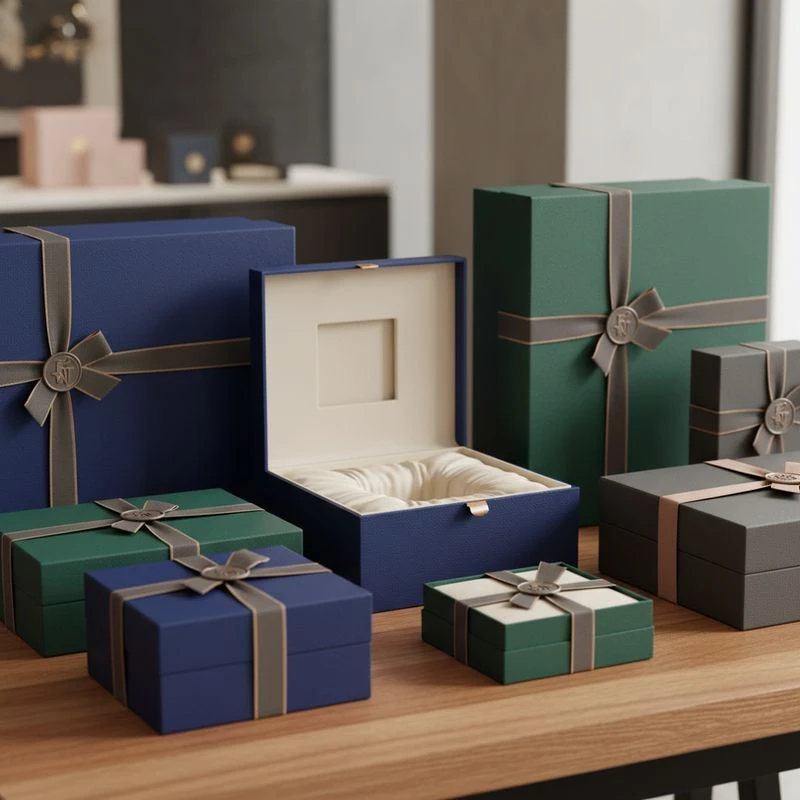
In the competitive UK market, where discerning consumers increasingly value quality and experience, the presentation of a premium product is as crucial as the product itself. Elevating your brand from good to exceptional often hinges on the meticulous details, and nowhere is this more evident than in your packaging. Luxury custom gift boxes are not just containers; they are a vital extension of your brand story, a tangible expression of value, and the ultimate unboxing experience that transforms a simple purchase into a memorable event. For businesses aiming to stand out and capture the hearts of their target audience in the United Kingdom, investing in bespoke, high-quality packaging is an indispensable strategy that communicates exclusivity and fosters lasting customer loyalty.
Luxury Packaging
The immediate and undeniable takeaway for any premium brand operating in the United Kingdom is this: luxury packaging is not merely an expense, but an indispensable investment that profoundly impacts perceived product value and overall customer satisfaction. When a customer receives a meticulously crafted box, their journey with your brand begins long before they even touch the product inside. This initial interaction sets the tone, communicating an inherent quality and attention to detail that generic, off-the-shelf packaging simply cannot replicate. In a market where digital interactions are dominant, the physical touchpoint of a luxury custom gift box offers a rare and powerful opportunity to create an emotional connection and reinforce brand prestige.
The reasoning behind this goes deep into consumer psychology. High-end packaging appeals to the senses – the smooth texture of quality paper, the subtle scent of premium inks, the satisfying weight of a well-constructed box. These elements collectively signal that the contents are precious and worthy of careful handling, thus justifying a premium price point. For instance, consider a high-end watch or a bespoke perfume; its perceived value would diminish significantly if it arrived in a flimsy, uninspired carton. UK consumers, known for their appreciation of heritage and quality, often associate sophisticated packaging with authentic craftsmanship and enduring value. Furthermore, the burgeoning ‘unboxing’ phenomenon on social media highlights how a superior packaging experience can transform customers into enthusiastic brand advocates, sharing their delightful discoveries with a wider audience, thereby providing invaluable organic marketing.
To effectively leverage luxury packaging, businesses should follow a structured approach. Firstly, clearly define your brand’s core values and aesthetic. Is your brand minimalist and modern, or opulent and traditional? This will inform material choices, colour palettes, and overall design. Secondly, explore a diverse range of premium materials suitable for the UK climate and shipping logistics, from thick, rigid boards to sustainable, recycled papers with a luxurious feel. Thirdly, think about the functional aspects – how will the box protect its contents? Does it offer an intuitive opening experience? Practical examples include velvet-lined inserts for jewellery, magnetic closures for an executive gift set, or embossed textures that evoke a sense of exclusivity. A common pitfall is to underestimate the impact of material quality; opting for slightly cheaper alternatives often results in a visibly inferior product that detracts from the luxury image. The solution lies in sourcing materials that align with your brand’s commitment to excellence, perhaps even engaging with UK-based suppliers who understand the local market’s expectations for both quality and ethical sourcing.
Another challenge can be creating packaging that is both luxurious and environmentally responsible, a growing concern for UK consumers. Sustainable luxury is no longer a niche, but a mainstream expectation. Businesses must look for suppliers who offer FSC-certified papers, recyclable materials, and eco-friendly printing processes. Failure to address this can lead to negative brand perception, especially among younger, environmentally-conscious demographics. A practical step is to audit your supply chain, ensuring that your packaging partners adhere to robust environmental standards. By doing so, your luxury custom gift boxes not only exude elegance but also communicate a responsible brand ethos, further enhancing your appeal in the discerning British market.
Finally, remember that luxury packaging extends beyond just the box. It encompasses the internal tissue paper, custom ribbons, hang tags, and even the outer shipping carton, all of which contribute to the holistic unboxing experience. Every element should be thoughtfully considered to maintain a consistent brand message. Neglecting these smaller details can break the illusion of luxury, even if the primary box is exquisite. Invest time in prototyping various options and conducting small-scale tests to ensure every aspect aligns with your brand’s premium promise. This comprehensive approach ensures that your luxury custom gift boxes truly serve as a powerful differentiator in the UK’s competitive premium product landscape.
Gift Boxes
The core takeaway when considering luxury custom gift boxes is their unparalleled ability to transform a mere product into a meticulously curated experience, exponentially amplifying its emotional value for the recipient. In the UK, where gifting holds significant cultural importance, a beautifully presented gift box elevates the act of giving and receiving, turning it into a cherished memory rather than just a transaction. These boxes are designed with an inherent understanding of the gifting ritual, ensuring that from the moment the box is presented, an anticipation of luxury and thoughtfulness builds, reflecting positively on both the giver and the brand.
This reasoning is rooted deeply in the psychology of gifting. A gift box signifies care, effort, and consideration. It suggests that the product within is special, not just something grabbed off a shelf. For premium products like artisanal chocolates, high-end skincare, or exclusive spirits, the gift box becomes an integral part of the narrative, hinting at the quality and craftsmanship contained within. The unboxing experience, often shared and celebrated, creates a profound connection. Imagine a customer in London receiving a stunning, custom-designed box for a luxury candle; the experience becomes a talking point, shared with friends and family, generating valuable word-of-mouth marketing. The perceived value of the item inside increases dramatically when encased in appropriate, high-quality packaging, making it an ideal choice for corporate gifting in the UK, where impressing clients and partners is paramount.
To design effective luxury custom gift boxes, begin by considering the primary occasion and target recipient. Is it for a celebratory event, a corporate thank you, or a personal indulgence? This will influence the aesthetic and functional requirements. For example, a Valentine’s Day gift box might incorporate romantic colours and textures, while a corporate box might exude professional sophistication. Secondly, focus on the interior structure. Custom inserts, such as foam, cardboard fitments, or silk linings, are crucial for securing the product and enhancing the unboxing journey. These inserts not only protect the item but also present it impeccably, ensuring it remains in pristine condition and is displayed beautifully upon opening. A common pitfall is using generic, ill-fitting inserts that allow the product to shift, diminishing the premium feel and potentially causing damage. The solution is to invest in precision-engineered inserts that are tailored to the exact dimensions and contours of your product, providing a snug and elegant fit. This attention to detail demonstrates a commitment to excellence that resonates strongly with premium consumers in the UK.
Another challenge lies in ensuring the durability and reusability of the gift box. Many luxury gift boxes are kept by recipients for storage or as keepsakes, further extending brand visibility. If the box is flimsy or easily damaged, this opportunity is lost. Therefore, selecting robust materials and construction methods, such as rigid board and strong magnetic closures, is essential. For instance, a box designed for a premium whisky should be sturdy enough to be displayed long after the bottle is consumed, serving as a constant reminder of the brand. Furthermore, brands should explore options for personalisation – perhaps a custom card inside or a space for the giver to add a handwritten message. This adds another layer of thoughtfulness that significantly enhances the gifting experience.
Finally, consider the environmental impact of your gift boxes, especially in the sustainability-conscious UK market. While luxury implies high quality, it doesn’t preclude eco-friendly practices. Source materials that are recycled, recyclable, or sustainably harvested, and opt for biodegradable inks where possible. Clearly communicate these green credentials on your packaging to appeal to the growing segment of ethical consumers. Brands like Lush have successfully integrated sustainable practices into their gifting, demonstrating that luxury and eco-consciousness can go hand-in-hand. By focusing on occasion, product protection, durability, personalisation, and sustainability, your luxury custom gift boxes will not only serve their functional purpose but also become cherished artefacts that strengthen your brand’s presence and foster deep customer loyalty across the United Kingdom.
Custom Finishing
The definitive takeaway regarding custom finishing for luxury gift boxes is its unparalleled capacity to transform good packaging into extraordinary packaging, creating a tactile and visually stunning experience that deeply resonates with premium consumers. In the discerning UK market, where quality and aesthetics are paramount, the judicious application of bespoke finishes elevates a product beyond its competitors, turning a simple box into a work of art. These embellishments are not mere decorations; they are critical elements that convey sophistication, exclusivity, and meticulous attention to detail, reinforcing the premium nature of your brand.
The reasoning behind investing in custom finishing is multifaceted. Firstly, it offers a powerful sensory appeal. A customer running their fingers over an embossed logo or feeling the smooth, velvety texture of a soft-touch laminate experiences a heightened sense of luxury. This tactile interaction creates a memorable impression that is difficult to achieve through visual means alone. Secondly, finishes like hot foil stamping or spot UV varnishing catch the light and draw the eye, making your luxury custom gift boxes instantly recognisable and inherently more desirable on a retail shelf or during an unboxing. This differentiation is crucial for brands seeking to stand out in crowded market segments, from high-end cosmetics to gourmet food products in the UK. The perceived value of an item is significantly enhanced when its packaging boasts these premium touches, justifying a higher price point and fostering a sense of pride in the purchase.
To effectively utilise custom finishing, a methodical approach is essential. Begin by understanding the wide array of options available: hot foil stamping in metallic or holographic shades, embossing or debossing to create raised or recessed designs, spot UV varnish for contrasting gloss effects, various laminations (matte, gloss, soft-touch), and specialised coatings. Each finish offers a unique aesthetic and tactile outcome. For example, a luxury jewellery brand might opt for gold foil stamping on a deep navy soft-touch laminate to evoke opulence, while an eco-conscious artisan brand might choose a subtle deboss on recycled kraft paper for understated elegance. The key is to select finishes that harmonise with your brand’s identity and product. A common pitfall is the overuse of finishes, resulting in a cluttered or gaudy appearance that detracts from the luxury feel. The solution is strategic application: choose one or two complementary finishes that highlight key elements, such as your logo or a specific design motif, rather than overwhelming the entire box. Always work closely with experienced packaging specialists who can advise on the best combination for your specific product and budget, ensuring high-quality execution.
Another potential challenge is ensuring consistency across large production runs, especially for B2B orders. Variations in colour, alignment of foil, or depth of embossing can undermine the premium image. To mitigate this, establish clear brand guidelines for all finishing applications and conduct rigorous quality control checks throughout the production process. Request physical prototypes and proofs to approve before full production commences. This pre-emptive measure is vital for maintaining brand integrity. For instance, a luxury confectioner in the UK exporting across Europe needs assurance that every box reflects the same impeccable standard. Furthermore, consider the durability of the finish. Some finishes, while beautiful, may be more prone to scratching or scuffing during transit. Discuss these practical considerations with your packaging partner to select finishes that are both aesthetically pleasing and robust enough for your supply chain.
Here is a comparison of popular custom finishing options for luxury gift boxes:
| Finishing Option | Description | Aesthetic Impact | Tactile Feel | Best For | Considerations |
|---|---|---|---|---|---|
| Hot Foil Stamping | Application of metallic or pigmented foil using heat and pressure. | Premium, shimmering, luxurious. Adds pop to logos/text. | Smooth, slightly raised texture. | Logos, text, borders on luxury custom gift boxes. | Variety of colours, can be costly for full coverage. |
| Embossing/Debossing | Creating raised (emboss) or recessed (deboss) areas on the material. | Elegant, sophisticated, creates depth without ink. | Raised or depressed texture, very tactile. | Logos, patterns, subtle design elements. | Requires thicker material, can be combined with foil. |
| Spot UV Varnish | Applying a high-gloss, clear coating to specific areas. | High contrast, dramatic, draws attention. | Smooth, slick, noticeable difference from surrounding matte. | Highlighting images, text, or patterns. | Works best on matte or soft-touch laminates for contrast. |
| Soft-Touch Lamination | A matte lamination with a velvety, soft texture. | Subtle, sophisticated, modern luxury. | Velvety, smooth, pleasant to touch. | Entire box surface for a premium feel. | Can show fingerprints, good base for spot UV. |
This table illustrates the diverse possibilities offered by custom finishing, enabling brands to precisely tailor the aesthetic and tactile experience of their luxury custom gift boxes. By understanding these options, businesses can make informed decisions that align with their brand’s identity and resonate with the high expectations of the UK premium market. Selecting the right combination of finishes is an art form, one that ultimately speaks volumes about your brand’s commitment to quality and detail.
Brand Identity
The definitive takeaway for businesses in the UK aiming for sustained success is that luxury custom gift boxes serve as a powerful, tangible extension of your brand identity, crucial for reinforcing your core values and communicating your unique story. In an increasingly crowded market, where brand differentiation is key, packaging moves beyond mere protection; it becomes a silent ambassador, speaking volumes about who you are, what you stand for, and the quality of experience you deliver. A well-designed custom gift box ensures that every interaction a customer has with your product is a consistent, immersive brand experience, deepening loyalty and fostering an emotional connection.
The reasoning behind this importance lies in consistency and perception. Your luxury custom gift boxes are often the first physical touchpoint a customer has with your brand. This initial encounter must flawlessly reflect your established brand guidelines, from colour palettes and typography to logos and visual motifs. Inconsistency in packaging can dilute your brand message, confuse consumers, and undermine the perception of quality you’ve meticulously built elsewhere. For instance, a minimalist, high-tech gadget brand would lose credibility if its product arrived in an overly ornate, traditional box. Conversely, a heritage luxury brand based in the UK, known for its timeless elegance, would maintain its esteemed status through classic, understated packaging with subtle, premium finishes. Packaging is an integral part of your brand narrative, contributing to an overall experience that feels cohesive, authentic, and utterly premium. It transforms a purchase into an event, making your brand memorable long after the product has been unboxed.
To successfully integrate brand identity into your luxury custom gift boxes, begin by establishing comprehensive brand guidelines if you haven’t already. These should detail everything from specific Pantone colours and typography usage to acceptable graphic elements and photographic styles. Secondly, translate these guidelines into your packaging design. Consider how your logo can be elegantly presented – perhaps embossed, debossed, or hot foil stamped. Think about how your brand’s core colours can be incorporated into the box’s exterior and interior, or through accompanying elements like tissue paper and ribbons. Practical examples include using a brand-specific pattern as an interior lining, or including a small, elegantly printed card that tells a snippet of your brand’s story. A significant pitfall is succumbing to generic packaging trends that might look good but fail to represent your unique brand voice. The solution is to resist the temptation for ‘off-the-shelf’ designs and instead invest in bespoke solutions that are tailor-made to your brand’s specific aesthetic and ethos, ensuring every design choice reinforces your identity.
Another challenge is ensuring that the packaging resonates with your target demographic in the UK. Research your audience’s preferences and expectations. Are they drawn to modern minimalism, classic opulence, or quirky individuality? This understanding will help you fine-tune the design elements of your luxury custom gift boxes to speak directly to them. For example, younger, environmentally conscious consumers might appreciate packaging made from recycled materials with minimalist design, while an older, more traditional clientele might favour rich colours and intricate detailing. Regular feedback loops with your target market can provide invaluable insights, ensuring your packaging continuously evolves to meet their desires while staying true to your brand. Furthermore, ensure that the quality of the packaging material and printing reflects the quality of your product. A luxury product demands luxury packaging; a mismatch will lead to cognitive dissonance for the consumer.
Here’s a simplified breakdown of how brand elements translate into luxury packaging:
| Brand Element | Packaging Application | Impact on Luxury Custom Gift Boxes |
|---|---|---|
| Logo & Mark | Embossed, Debossed, Hot Foil Stamped, Spot UV | Creates a prominent, premium focal point, immediately identifiable. |
| Colour Palette | Box exterior/interior, print, ribbons, tissue paper | Sets the mood and tone, reinforcing brand recognition and consistency. |
| Typography | Product labels, internal messages, brand messaging on box | Communicates brand personality (e.g., elegant serif for tradition, clean sans-serif for modernity). |
| Materials & Texture | Rigid board, soft-touch laminates, textured papers, custom inserts | Adds a sensory dimension, conveying quality and exclusivity through touch. |
| Brand Story/Narrative | Inside lid print, custom card inserts, unique design motifs | Connects emotionally with the customer, enhancing perceived value and loyalty. |
This table illustrates the direct correlation between your core brand elements and their powerful expression through luxury custom gift boxes. By thoughtfully translating each aspect of your brand identity into your packaging, you create a cohesive and memorable experience that resonates deeply with your target audience. This strategic alignment ensures that your packaging is not just a container, but a powerful storytelling tool that elevates your brand’s presence in the competitive UK market.
B2B Production
The crucial takeaway for any business embarking on the B2B production of luxury custom gift boxes is that success hinges on strategic planning, meticulous execution, and the establishment of a robust, reliable partnership. For premium brands operating in the UK, especially those with high volume or diverse product lines, efficient B2B production ensures scalability, consistent quality, and timely delivery, all of which are paramount to maintaining brand reputation and meeting market demand. This process moves beyond a single-order mentality, focusing instead on long-term relationships and streamlined operations to consistently deliver exceptional packaging at scale.
The reasoning behind a strategic B2B approach is clear: inconsistency and delays in packaging supply can severely impact your brand’s operations and reputation. Imagine a premium beauty brand in Manchester launching a new product line for Christmas, only to find their luxury custom gift boxes are delayed due to production issues. This can lead to missed sales, frustrated customers, and damage to brand perception. B2B production, when handled correctly, mitigates these risks by establishing clear specifications, managing lead times, and ensuring quality control across large quantities. It also offers significant cost efficiencies through economies of scale, bulk material sourcing, and optimised logistics. Furthermore, a strong production partner can advise on material innovation, cost-effective design tweaks, and sustainable practices, which are increasingly important for UK consumers and regulatory landscapes.
To navigate B2B production successfully, several actionable steps are vital. Firstly, define precise specifications for your luxury custom gift boxes, including dimensions, materials (e.g., 2mm rigid board, FSC-certified paper), chosen finishes, and any internal fitments. Provide detailed design files, preferably in vector format, along with clear colour codes (e.g., Pantone references). Secondly, thoroughly vet potential packaging suppliers. Look for partners with proven experience in luxury packaging, a strong portfolio, and demonstrable quality control processes. Consider their production capacity, lead times, and their ability to handle both initial prototyping and subsequent large-volume runs. Request samples of their previous work to assess the quality firsthand. A common pitfall here is choosing a supplier solely based on price, which often leads to compromises in quality or reliability down the line. The solution is to prioritise a balanced approach, weighing cost against quality, experience, and communication, perhaps opting for a UK-based partner who understands local market nuances and can offer faster, more reliable logistics.
Another potential challenge in B2B production is managing logistics and ensuring just-in-time delivery for seasonal or promotional campaigns. Delayed shipments of luxury custom gift boxes can disrupt your entire supply chain. To address this, establish clear service level agreements (SLAs) with your chosen supplier, outlining delivery schedules, quality benchmarks, and contingency plans. Consider phased production or holding buffer stock for critical items. Regular communication and status updates with your production partner are also crucial. For example, a high-end food hamper company preparing for the festive season needs absolute certainty that their bespoke gift boxes will arrive precisely when needed to facilitate assembly and dispatch. Without robust planning, even minor delays can have significant financial and reputational consequences. Furthermore, discuss packaging and shipping requirements with your supplier to minimise transit damage, ensuring that every luxury custom gift box arrives in pristine condition at your warehouse or directly to your fulfilment centre.
Here’s a comparison of key considerations when selecting a B2B partner for luxury custom gift boxes:
| Consideration Area | Ideal B2B Partner Attributes | Potential Pitfalls (without these attributes) |
|---|---|---|
| **Quality & Craftsmanship** | Proven track record with luxury custom gift boxes, rigorous QC, high-grade materials. | Inconsistent finishes, weak construction, materials not meeting premium standards. |
| **Production Capacity** | Scalable operations, ability to handle both small prototypes and large runs. | Inability to meet demand, long lead times for expansion, production bottlenecks. |
| **Communication & Support** | Dedicated account manager, clear communication, proactive problem-solving. | Misunderstandings, slow responses, lack of transparency on delays. |
| **Lead Times & Logistics** | Reliable delivery schedules, understanding of UK logistics, efficient supply chain. | Missed deadlines, stockouts, increased shipping costs, damaged goods. |
| **Cost & Value** | Competitive pricing, transparent quotes, value-added services (e.g., design consultation). | Hidden fees, unexpected price increases, low-quality product for the price. |
| **Sustainability Credentials** | FSC-certified materials, eco-friendly inks, responsible sourcing practices. | Negative brand perception from environmentally conscious UK consumers. |
This table outlines the essential criteria for selecting a B2B partner capable of delivering luxury custom gift boxes that meet your brand’s stringent requirements. By carefully evaluating each of these attributes, businesses can forge a strong, productive relationship with a supplier who not only understands the nuances of premium packaging but also aligns with their operational needs and brand values, ensuring consistent excellence in the competitive UK market.
