
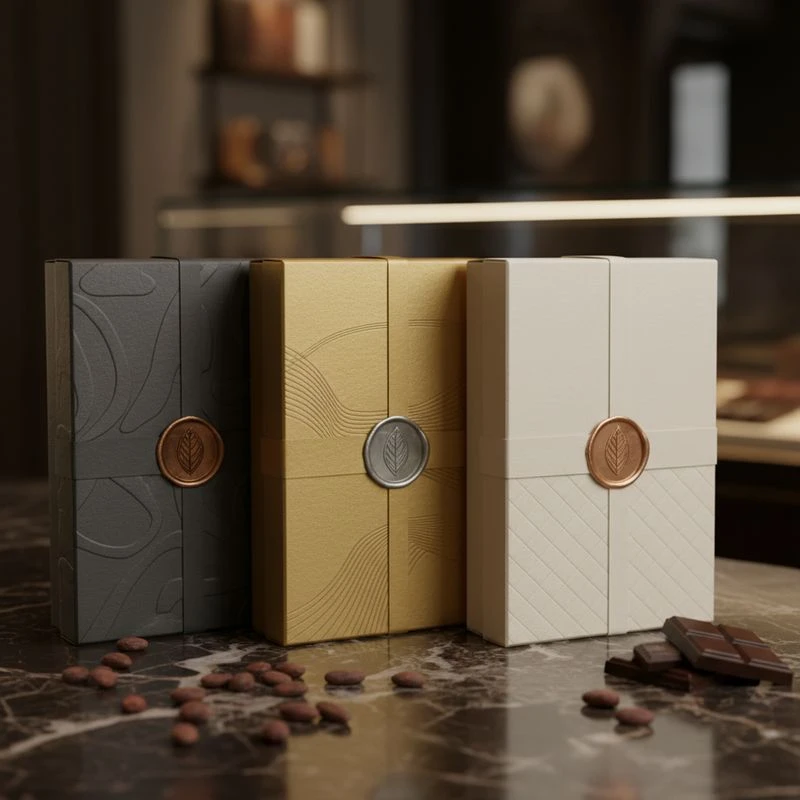
In the vibrant and competitive United Kingdom market, where discerning consumers increasingly seek quality and experience, the packaging of premium chocolate is far more than just a protective layer. It’s the silent salesperson, the brand ambassador, and the first taste of luxury before the chocolate even melts on the tongue. For premium chocolate brands, investing in luxury custom packaging for premium chocolate brands is not merely an option; it is an absolute necessity for standing out, communicating value, and forging an unforgettable connection with your audience. The initial visual and tactile impression sets the stage for the entire product experience, justifying a higher price point and cultivating a strong brand identity that resonates deeply. A generic or poorly designed package can undermine even the most exquisite chocolate, while thoughtfully crafted custom packaging elevates it to an art form, making it irresistible on the shelf and cherished once purchased. Let’s explore how strategic packaging can transform your brand’s presence in the UK.
Chocolate Packaging
The primary takeaway for any premium chocolate brand is that packaging must seamlessly blend superior product protection with an elevated aesthetic that communicates the inherent value of the contents. Premium chocolate is a delicate product, susceptible to environmental factors such as moisture, light, temperature fluctuations, and external aromas, all of which can compromise its intricate flavour profile and texture. Therefore, the reasoning behind meticulously designed packaging begins with scientific precision: it must act as an effective barrier to preserve the chocolate’s quality, ensuring that the consumer experiences the product exactly as the chocolatier intended. Generic, off-the-shelf packaging options simply cannot offer this level of tailored protection, nor can they effectively convey the artisan craftsmanship and premium ingredients within, invariably detracting from the perceived value and luxury status.
To achieve this, several actionable steps are critical. Firstly, focus on material science; select food-grade materials with appropriate barrier properties against oxygen and moisture, crucial for extending shelf life and maintaining freshness. Materials like high-quality metallized films, special laminates, or carefully chosen glassine papers can provide this vital protection. Secondly, consider structural integrity; the packaging must withstand the rigours of transport, handling, and display, preventing any physical damage to delicate chocolates such as cracked bars or squashed truffles. This often involves custom inserts, dividers, or multi-layered box constructions. Thirdly, ergonomics play a subtle yet significant role; the packaging should be easy to open, preferably with a satisfying ritual, and for certain products, re-sealable features can add convenience and prolong enjoyment. Lastly, and increasingly important in the UK market, sustainability must be a core consideration. Consumers are actively seeking brands that demonstrate environmental responsibility, so incorporating recyclable, compostable, or sustainably sourced materials like FSC-certified paper stock is not just good practice but a strong selling point. For example, a box of artisanal bonbons might require individual cavities within a custom-moulded, food-safe plastic tray (ideally made from recycled PET), which then sits within a rigid, elegant cardboard box. Chocolate bars, on the other hand, might feature a primary foil wrap for protection, encased in a beautifully printed and textured paper sleeve. The pitfall here is underestimating the complexity of combining protective function with aesthetic appeal, often leading to compromises in either area. The solution lies in a holistic approach, where material selection, structural design, and protective features are integrated from the very first design brief, ensuring that the package guards the chocolate’s integrity while amplifying its premium standing.
| Material Type | Primary Benefit | Typical Application | Sustainability Note |
|---|---|---|---|
| Rigid Cardboard/Paper | Structural integrity, premium feel, print versatility | Outer boxes, gift sets, sleeves, advent calendars | Recyclable, FSC-certified options widely available |
| Food-Grade Plastic (e.g., PET) | Moisture/oxygen barrier, product visibility, custom moulding | Inner trays, blister packs, windowing, protective inserts | Often recyclable, increasing use of recycled content (rPET) |
| Glassine/Waxed Paper | Grease resistance, inner wrapping for individual pieces | Individual chocolate wraps, protective interleaving | Biodegradable, compostable options for minimal environmental impact |
| Metal Tins | High perceived value, excellent barrier, reusability | High-end gift sets, limited editions, souvenir packaging | Highly recyclable, often repurposed by consumers |
| Foils (Aluminium) | Superior barrier to light/oxygen/moisture, malleable | Primary wrapping for chocolate bars, internal seals | Recyclable where infrastructure exists; challenges with multi-layer films |
This table outlines common materials crucial for crafting luxury custom packaging for premium chocolate brands, detailing their primary benefits and applications. The careful selection and combination of these materials are paramount not only for superior product protection but also for achieving the desired aesthetic and tactile experience demanded by discerning UK consumers, all while balancing performance with growing sustainability expectations.
Luxury Design
Luxury design for premium chocolate packaging serves as the brand’s most eloquent, silent salesperson, effectively communicating exclusivity, unparalleled quality, and meticulous attention to detail even before the product is unwrapped. The underlying reasoning is simple yet profound: consumers are willing to pay a premium for chocolate that offers an exceptional experience, and this experience begins visually and tactilely with the packaging. A truly luxurious design transcends mere aesthetics; it’s about thoughtful elegance, a sophisticated visual language, and an elevated sensory journey that differentiates a premium offering from the myriad of mass-market alternatives. It justifies the higher price point by implicitly promising an equally superior product inside, making it an indispensable element for any brand aiming to thrive in the UK’s competitive luxury food sector.
Implementing effective luxury design involves several actionable steps. Firstly, focus on aesthetics: this encompasses a carefully curated colour palette, which often leans towards sophisticated, rich, or muted tones, sometimes with vibrant accents to signify flavour. Typography should be elegant, legible, and consistent with the brand’s persona, while imagery, if used, should be either minimalist, abstract, or evocative, rather than overly literal. Secondly, tactile finishes are paramount; these add a critical sensory dimension that screams luxury. Techniques like embossing (raised elements), debossing (recessed elements), hot foil stamping (metallic or holographic accents), spot UV (glossy highlights on a matte surface), and soft-touch laminates all contribute to a richer, more engaging physical interaction with the package. Thirdly, the structural design of the box itself plays a huge role in the unboxing experience. Consider magnetic closures, hidden compartments, ribbon pulls, or multi-layered reveals that build anticipation. This orchestrated unveiling can transform a simple purchase into a memorable event. Finally, the design must subtly weave in the brand’s unique story, heritage, or core values, reinforcing its narrative without explicit words. For example, a heritage brand might use classic motifs and a deep, rich colour scheme, while an innovative brand might opt for clean lines and a contemporary, minimalist aesthetic with a single, striking foil detail. A common pitfall is overdesigning or cluttering the package with too many elements, which can dilute the message of luxury. The solution is to embrace “less is more,” focusing on one or two high-impact design elements that truly shine and convey sophistication. Every choice, from paper stock texture to the precision of a die-cut, contributes to the overall perception of unparalleled quality, establishing a powerful and lasting impression.
| Design Element | Impact on Perceived Luxury | Application Examples | Considerations for UK Market |
|---|---|---|---|
| Bespoke Structural Form | Unique unboxing experience, strong differentiation | Custom-shaped boxes, multi-compartment gift sets, innovative opening mechanisms | Ergonomics, shelf presence, shipping costs, consumer convenience |
| Tactile Finishes | Sensory engagement, premium feel, memorability | Soft-touch laminates, embossed patterns, debossed logos, textured paper stocks | Material compatibility, durability, cost-effectiveness for volume |
| Foil Stamping | Visual opulence, highlights key details, adds perceived value | Brand logo, decorative accents, flavour identifiers, special edition labels | Colour choice (gold, silver, copper, holographic), precise registration, longevity |
| Spot UV / Varnish | Contrast, subtle shine, protective layer, visual interest | Highlighting imagery, text, or a specific graphic against a matte finish | Precision of application, resistance to scuffs, aesthetic balance |
| Elegant Typography | Sophistication, brand personality, clear communication | Product name, brand name, flavour descriptions, ingredient lists | Readability, brand consistency, cultural connotations for UK audience |
This table details specific design elements that are instrumental in creating truly luxury custom packaging for premium chocolate brands. Each feature listed contributes significantly to a sophisticated aesthetic and an enhanced sensory experience, effectively helping brands to justify their premium market position and captivate discerning consumers across the UK through visual and tactile allure. Careful selection and precise execution of these elements are paramount for success.
B2B Manufacturing
For any premium chocolate brand aiming for success in the UK market, the critical takeaway is that selecting the right B2B manufacturing partner is absolutely foundational. This choice dictates how effectively your visionary luxury design is translated into a tangible, high-quality product, consistently, efficiently, and to scale. The inherent reasoning behind this emphasis lies in the complex nature of luxury custom packaging for premium chocolate brands. It extends far beyond simple printing; it encompasses intricate die-cutting, precise folding and gluing, flawless application of finishes, and often, the delicate assembly of multiple material types and components. A manufacturing partner with specialised expertise in luxury goods understands the exacting standards required for consistency, colour accuracy, structural integrity, and the often-bespoke nature of premium packaging. Without such a partner, even the most brilliant design concepts risk being compromised during production, leading to inconsistencies, quality issues, and ultimately, a diluted brand perception that undermines the premium positioning.
To navigate this crucial selection process, there are several actionable steps. Firstly, prioritize vetting potential suppliers rigorously. Look for manufacturers with a proven track record in luxury packaging, specifically for food products, and request a portfolio showcasing their work with similar brands. Check for relevant certifications such as ISO quality management standards, FSC certification for sustainable forestry, and critically, food safety certifications which are non-negotiable for chocolate packaging. Secondly, establish clear and consistent communication channels from the outset. Provide highly detailed technical specifications, colour proofs, and expect a comprehensive prototyping process where physical samples are reviewed and approved at every stage. This iterative feedback loop is vital for preventing misunderstandings and ensuring the final product matches the initial vision. Thirdly, inquire deeply into their quality control protocols; how do they ensure colour consistency across different print runs, the precision of foil stamping, or the structural soundness of every box? Understanding their QC process provides assurance of consistent excellence. Fourthly, assess their scalability and flexibility; can they efficiently handle smaller, exclusive runs for seasonal or limited-edition products, as well as larger volumes for your core offerings? A versatile manufacturer can adapt to your brand’s evolving needs. Finally, consider the logistical implications for the UK market, including lead times, shipping arrangements, and potential warehousing options. A significant pitfall is opting for a manufacturer based solely on the lowest price, which often leads to compromises in quality, missed deadlines, or a lack of attention to the intricate details that define luxury packaging. The solution is to view your manufacturing partner as an extension of your brand, prioritizing their expertise, reliability, and shared commitment to excellence over cost alone, ensuring your premium chocolate always arrives in packaging that perfectly embodies its luxury status.
Gift Appeal
A significant portion of premium chocolate sales, especially within the UK’s robust gifting culture, is intrinsically linked to the act of giving. Therefore, for luxury custom packaging for premium chocolate brands, the primary takeaway is that its design must deliberately transform the chocolate into an irresistible gift, elevating its perceived value and forging a profound emotional connection with both the giver and the recipient. The underlying reasoning here is that the packaging, in this context, serves a dual and equally important purpose: it not only presents the exquisite product but also becomes an integral part of the gift experience itself. A thoughtfully conceived and beautifully executed package evokes anticipation, ignites joy, and imparts a sense of occasion, making the act of giving more special and the moment of receiving truly memorable. It’s an investment in creating an emotional resonance that extends beyond the immediate consumption of the chocolate, fostering positive associations with the brand.
To maximize gift appeal, several actionable steps should be integrated into the packaging design process. Firstly, curate a deliberate unboxing experience. This might involve a sequence of reveals: an outer sleeve, followed by a magnetic flap closure, lifting a bespoke inner tray, revealing delicate tissue paper, and finally, the perfectly nestled chocolates. Each step should build anticipation and delight. Secondly, consider incorporating small, thoughtful added-value elements. This could be a luxurious branded ribbon, a space for a personalised message card, or an elegant, small booklet detailing the chocolate’s origin story or tasting notes. These details elevate the perceived value and make the gift feel more personal and curated. Thirdly, leverage seasonality and special occasions. Designing limited-edition packaging specifically for key gifting periods like Christmas, Easter, Valentine’s Day, or Mother’s Day, using appropriate motifs, colours, and finishes, can significantly boost sales during these crucial times. These special editions create a sense of urgency and exclusivity. Lastly, ensure the package is robust and durable enough for gifting. It must withstand being wrapped, transported (often by the giver), and handled without showing signs of wear or damage, maintaining its pristine appearance until the moment it is opened. A common pitfall is to design packaging that, while beautiful, feels flimsy or lacks structural integrity, thereby undermining the luxury perception for a gift item. The solution is to invest in premium materials and construction techniques that convey robustness and quality, and to consider the entire journey of the gift – from purchase to wrapping to presentation – ensuring it remains a beacon of luxury at every stage. By focusing on these elements, premium chocolate brands can ensure their packaging isn’t just a container, but a cherished part of the gifting ritual, solidifying its place in the hearts of UK consumers.
Brand Identity
The ultimate takeaway for any premium chocolate brand in the UK seeking sustained success is that luxury custom packaging for premium chocolate brands is arguably the most tangible and consistently visible expression of its brand identity. It is the silent, yet powerful, ambassador that communicates a brand’s values, heritage, quality commitment, and unique personality, fostering instant recognition, cultivating deep loyalty, and carving out a distinct, enviable position in a crowded market. The reasoning is clear: in an era of abundant choice, packaging often serves as the initial and most enduring point of contact between a brand and its consumer. It possesses the unique ability to tell a brand’s story, evoke emotions, and reinforce its narrative without uttering a single word. A consistent, distinctive, and high-quality luxury package becomes synonymous with the brand itself, creating a powerful memory that encourages repeat purchases and word-of-mouth recommendations, which are invaluable assets in the premium sector.
To effectively leverage packaging in building a robust brand identity, several actionable steps are essential. Firstly, ensure unwavering consistency across all packaging elements. This means meticulously aligning the brand’s logo, colour palette, typography, and finishing techniques with established brand guidelines. Any deviation can dilute the brand message and confuse consumers. Secondly, focus on differentiation: identify what makes your brand genuinely unique – perhaps it’s a rich historical heritage, innovative flavour combinations, ethical sourcing practices, or a particular aesthetic – and translate that essence into distinctive packaging design. This ensures your product doesn’t just blend in but stands out as singularly yours. Thirdly, harness the power of storytelling through design. Use design elements, be it an origin-inspired pattern, a subtle historical motif, or sleek, modern lines reflecting a contemporary ethos, to subtly convey the brand’s narrative. This allows consumers to connect with something deeper than just the product itself. Fourthly, aim for memorability. Create a package that is not only visually appealing but also distinctive enough to be recognized instantly on a busy retail shelf or when unwrapped at a social gathering. This distinctiveness contributes significantly to brand recall and preference. Finally, adopt a long-term vision for your packaging. While seasonal or limited-edition packaging can add excitement, it should always maintain a core, recognisable identity that reinforces the overarching brand. A common pitfall is inconsistent branding across different product lines or, worse, attempting to mimic competitor styles, which inevitably leads to a diluted and unoriginal brand identity. The solution lies in a profound investment in original design that truly represents your brand’s unique selling proposition, ensuring every piece of luxury custom packaging consistently and powerfully communicates who you are, what you stand for, and why you are the premium choice for discerning UK chocolate lovers.
