
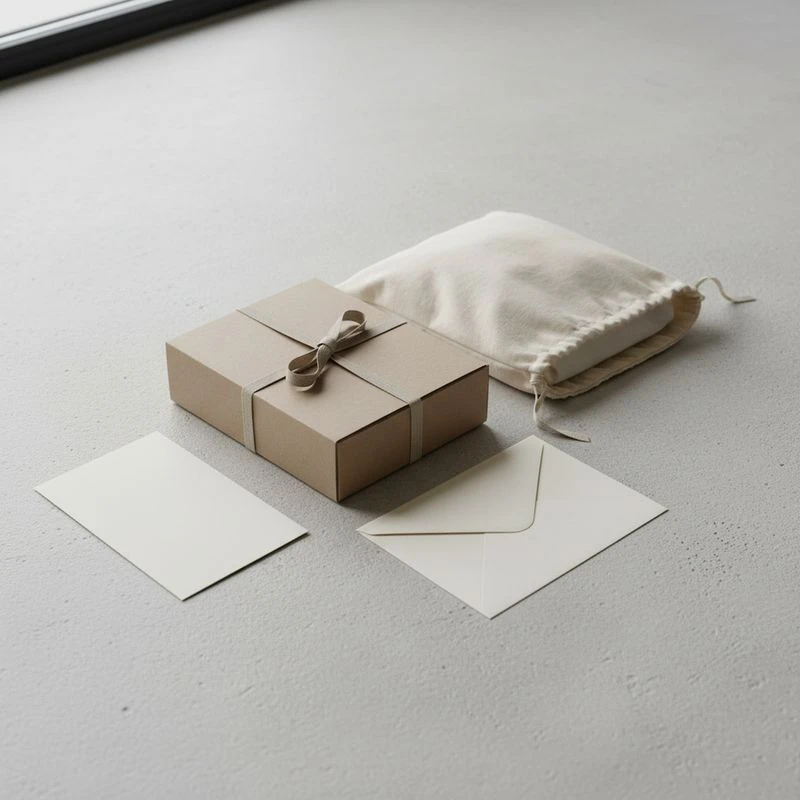
Fashion Packaging
In the vibrant and competitive landscape of the United Kingdom’s fashion and apparel market, the first impression often extends beyond the garment itself, directly to the packaging that encases it. For forward-thinking brands, the takeaway is clear: minimalist custom packaging is no longer just a trend, but a strategic imperative that significantly enhances brand perception and customer experience. This is particularly true in a market increasingly driven by conscious consumerism, where sustainability and understated elegance are highly valued. The reasoning behind this shift is multifaceted; consumers are becoming more discerning, demanding not only quality products but also a responsible and aesthetically pleasing unboxing journey. Over-the-top, wasteful packaging can detract from a brand’s commitment to the environment and even its perceived sophistication. Conversely, a thoughtfully designed minimalist package communicates a strong brand identity, a commitment to sustainability, and an appreciation for refined aesthetics, instantly elevating the perceived value of the apparel inside.
Consider a luxury knitwear brand in Scotland, for example; packaging their cashmere in a bespoke, simple recycled cardboard box with a debossed logo speaks volumes about their dedication to heritage, quality, and environmental responsibility, far more than a glossy, plastic-heavy alternative ever could. This approach ensures that the packaging becomes an integral part of the product story, rather than just a protective layer. To begin integrating minimalist fashion packaging into your strategy, start by conducting a thorough audit of your current packaging materials and designs. Identify areas where excess materials can be reduced and where visual clutter can be eliminated. Research eco-friendly and readily available materials in the UK, such as FSC-certified papers, recycled content cardboard, or even innovative mushroom-based alternatives, which align with both minimalist principles and environmental stewardship. A potential pitfall here is mistaking minimalism for cheapness; the key is to ensure high-quality materials and impeccable finish, even with a reduced design. A simple yet elegant solution could be a single-material design that folds cleverly without the need for additional adhesives or plastic components, offering both a clean aesthetic and practical sustainability.
Another actionable step involves engaging your design team, or a specialist packaging design agency, to brainstorm concepts that prioritize clean lines, ample negative space, and a restrained colour palette. The goal is to let the quality of the material and the subtle branding elements shine through. For instance, a small, elegantly printed logo in a single colour on a natural kraft box can often be more impactful than a large, multi-coloured design. Brands should also consider the unboxing experience from the customer’s perspective. How does the package feel in hand? How easily can it be opened? Is there a sense of anticipation and delight, without unnecessary layers? By focusing on these tactile and emotional aspects, fashion businesses can create packaging that not only protects the garment but also extends the brand’s narrative. The solution to common issues like inconsistent branding is to develop a clear set of brand guidelines for all packaging, ensuring every touchpoint, from the polybag inside the garment box to the outer shipping label, aligns with the minimalist ethos and core brand values. This holistic approach guarantees a coherent and memorable experience for every customer in the UK, reinforcing the brand’s identity with every delivery.
Garment Boxes
When it comes to the specific realm of garment boxes within the UK fashion and apparel sector, the adoption of minimalist custom packaging translates into a refined, functional, and environmentally conscious approach. The primary takeaway here is that a well-designed minimalist garment box not only protects your apparel but also significantly elevates the unboxing experience, reflecting your brand’s commitment to quality and sustainability. The reasoning is simple: the garment box is often the first physical interaction a customer has with your product post-purchase. Its structural integrity, material choice, and aesthetic appeal are critical. In a market where online shopping for fashion is booming, robust yet elegant packaging ensures that items arrive in pristine condition, reducing returns due and enhancing customer satisfaction. Furthermore, with UK consumers increasingly favouring brands with strong ethical and environmental credentials, choosing sustainable materials for your garment boxes is paramount. Recycled content, FSC-certified cardboard, or even compostable alternatives like cornstarch-based boxes, communicate a powerful message about your brand’s values without needing explicit declarations.
Practical examples abound: consider a high-end streetwear brand opting for a sturdy, matte black garment box with a discreet, embossed logo. The box itself is designed to fit the garment snugly, minimizing void fill, and features an intuitive opening mechanism. This minimalist approach avoids excessive design elements, letting the quality of the box and the allure of the brand speak for themselves. To implement this effectively, start by precisely measuring your most common apparel items to determine optimal box dimensions. Over-packaging is a common pitfall, leading to increased material waste and shipping costs. Work with your packaging supplier to develop bespoke sizes that minimise empty space, which not only looks cleaner but also reduces your environmental footprint and postal expenses. Actionable steps include exploring different board grades and finishes that offer both protection and a premium feel. For example, a rigid board box offers superior protection for delicate items, while a strong corrugated kraft box is excellent for more robust garments, all while maintaining a minimalist aesthetic through simple printing and natural textures. The solution to concerns about insufficient protection is to conduct transit tests with various packaging prototypes to ensure your chosen design can withstand the rigours of the UK postal system.
Customisation for garment boxes doesn’t mean elaborate designs; rather, it focuses on thoughtful details that enhance the minimalist aesthetic. This could include a custom-cut insert made from recycled paper to cradle the garment, a subtle spot UV varnish on your logo, or even a unique folding pattern that eliminates the need for tape. Such details contribute to a luxurious and mindful unboxing experience. Another aspect to consider is the ease of recycling for the end-user. Clearly printed recycling instructions on the box, using eco-friendly inks, can further boost your brand’s sustainable image. A potential pitfall is selecting materials that look good but lack durability, leading to damaged goods and negative customer reviews. The solution is to strike a balance between aesthetics, sustainability, and protective qualities. Engaging with a packaging expert who understands both the demands of the UK shipping network and the principles of minimalist design can provide invaluable guidance. They can help navigate material choices, structural designs, and printing techniques to ensure your garment boxes are both beautiful and functional. Ultimately, minimalist custom garment boxes are about making a powerful statement with less, delivering not just a product, but an experience that aligns with modern consumer values and expectations.
Modern Design
Modern design in the context of minimalist custom packaging for UK fashion and apparel is fundamentally about embracing the philosophy that “less is more,” creating an immediate and impactful impression of sophistication and contemporary elegance. The core takeaway is that a modern minimalist design approach communicates premium quality, thoughtful brand values, and resonates deeply with the discerning UK consumer who values clarity and authenticity. This design philosophy is built upon principles such as abundant negative space, refined typography, a limited colour palette, and subtle tactile finishes. The reasoning behind its effectiveness lies in its ability to strip away the superfluous, allowing the inherent quality of the packaging material and the brand’s core identity to shine through without distraction. In an increasingly noisy marketplace, a clean, uncluttered design provides a refreshing contrast, signalling a brand that is confident, considered, and focused on essence rather than embellishment. This aesthetic often aligns seamlessly with the ethos of many modern fashion brands, particularly those emphasising sustainability, timeless style, or a capsule wardrobe approach.
For example, a sustainable London-based activewear brand might use a single-colour print of their logo on a textured, unbleached kraft paper, complemented by a simple, sans-serif font for any necessary product information. The design is clean, functional, and immediately conveys their commitment to environmental responsibility and a sleek, modern aesthetic. To successfully implement modern minimalist design, begin by defining your brand’s core visual identity with utmost precision. This includes selecting a signature font that is legible and sophisticated, and choosing a primary colour (or lack thereof, relying on natural material tones) that aligns with your brand’s personality. Actionable steps involve working closely with graphic designers who specialize in minimalist aesthetics. They can help translate your brand’s essence into packaging that uses negative space effectively, creating a sense of openness and luxury. Consider the impact of debossing or blind embossing your logo – this subtle, tactile finish adds a premium touch without adding visual noise, showcasing attention to detail that is highly valued. A common pitfall is falling into the trap of generic design, where minimalism becomes indistinguishable from other brands. The solution is to ensure that even with minimal elements, there is a unique brand identifier, perhaps through a specific texture, a unique box structure, or a very distinctive typographic choice.
Moreover, modern minimalist design extends beyond just the visual; it encompasses the entire sensory experience. This includes the feel of the material, the subtle scent (if any, from natural materials), and the ease of opening. For a brand selling premium silk scarves, a custom-designed, sleek drawer-style box made from recycled rigid board, perhaps with a soft-touch laminate and a single, elegant foil-stamped logo, offers an unboxing experience that is both luxurious and understated. This focus on tactile and structural elements elevates the packaging far beyond mere decoration. Another key aspect is ensuring consistency across all packaging elements, from the smallest swing tag to the largest shipping box. This unwavering adherence to a unified modern minimalist design language reinforces brand recognition and builds trust with your customer base. The solution to maintaining consistency across diverse product lines or packaging formats is to establish strict brand guidelines that dictate material choices, printing techniques, and permissible design variations. Regular reviews of packaging prototypes are essential to ensure that the final product not only meets aesthetic expectations but also functions effectively, protecting the garment while delivering that coveted modern, minimalist custom packaging experience that UK consumers seek.
B2B Printing
In the process of bringing minimalist custom packaging for fashion and apparel to life, the role of your B2B printing partner is absolutely critical. The key takeaway is that selecting the right UK B2B printing specialist, one with expertise in sustainable materials and precise finishing techniques, is paramount to achieving the desired high-quality, minimalist aesthetic that elevates your brand. The reasoning here is straightforward: minimalist design, while appearing simple, often demands impeccable execution. Imperfections in printing, inconsistent colour saturation, or poor material quality are far more noticeable when there are fewer elements to distract the eye. Therefore, partnering with a printer who understands the nuances of sophisticated print finishes, precise colour matching, and the environmental considerations of modern fashion brands is non-negotiable. Their capabilities directly impact the tangible representation of your brand’s commitment to quality and design integrity. For instance, achieving a perfectly crisp debossed logo on a natural kraft box requires specific machinery and expertise that not all printers possess, making careful selection crucial.
Consider a luxury lingerie brand in the UK that requires bespoke garment boxes with a delicate, metallic foil stamp. Their chosen B2B printer must demonstrate not only the technical capability to execute this detail flawlessly but also the ability to source premium, sustainable board materials that complement the brand’s ethical stance. To ensure a successful partnership, begin by clearly defining your specifications. Provide your potential printer with detailed design files, material preferences (e.g., specific GSM, recycled content percentage, FSC certification), and any special finish requirements (e.g., spot UV, soft-touch laminate, embossing). Actionable steps include requesting samples of their previous work, particularly for clients in the fashion or luxury sector, to assess the quality of their print and finishing. Visiting their facilities, if possible, can provide insights into their quality control processes and sustainable practices. A common pitfall is choosing a printer solely based on cost, which can lead to compromises in material quality, print accuracy, or lead times. The solution is to obtain multiple quotes and evaluate them not just on price, but on their demonstrated expertise, material sourcing capabilities, turnaround times, and commitment to environmental standards.
Furthermore, effective communication with your B2B printing partner is essential throughout the production cycle. From approving proofs to managing delivery schedules, a clear and collaborative relationship helps prevent delays and ensures the final product meets your exacting standards for minimalist custom packaging. Discuss their lead times thoroughly, especially if you have seasonal collections or tight launch windows, and understand their process for handling revisions or unexpected issues. Many reputable UK printers also offer valuable advice on optimising designs for print, suggesting material alternatives that might be more sustainable or cost-effective without compromising the aesthetic. For example, they might recommend a specific type of recycled board that holds ink better for a particularly delicate line art design. The solution to potential issues like inconsistent print quality across large orders is to request press checks for critical print runs and establish clear quality assurance metrics. By actively engaging with an experienced B2B printing partner, fashion and apparel brands can transform their minimalist design vision into tangible, high-quality packaging that not only protects their products but also powerfully reinforces their brand identity in the competitive UK market.
| Material Type | Common UK Use for Fashion | Minimalist Design Suitability | Sustainability Factors | Primary Keyword Integration |
|---|---|---|---|---|
| FSC-Certified Cardboard | Garment boxes, shoe boxes, mailer boxes | Excellent – clean, smooth surface for print/debossing; natural texture available. | Sourced from responsibly managed forests; recyclable. | Ideal for sustainable minimalist custom packaging for apparel. |
| Recycled Kraft Board | Outer packaging, smaller product boxes, inserts | Superb – natural, rustic aesthetic; great for single-colour print or blind embossing. | High post-consumer recycled content; easily recyclable. | Enhances eco-friendly minimalist custom packaging for fashion. |
| Rigid Board (Wrapped) | Luxury presentation boxes, gift boxes | High – offers sturdy, premium feel; can be wrapped in various minimalist papers. | Often uses recycled core; paper wrapping can be FSC-certified. | Delivers a premium minimalist custom packaging experience for fashion. |
This table outlines common material choices for minimalist custom packaging in the UK fashion and apparel sector, highlighting their specific suitability for minimalist design and their sustainability credentials. Understanding these material properties is crucial for brands looking to align their packaging with both aesthetic and environmental goals. Choosing the right material ensures that the minimalist design intention is fully realised, from the tactile feel to the visual impact.
Branding
Ultimately, minimalist custom packaging is an incredibly powerful tool for reinforcing and articulating your brand’s identity within the UK fashion and apparel market. The central takeaway here is that packaging is not merely a container; it is a tangible extension of your brand story, a silent ambassador that communicates your values, quality, and aesthetic before the product is even seen. The reasoning is profound: in an era of heightened brand awareness, every touchpoint matters. A thoughtfully designed minimalist package conveys a sense of sophistication, intentionality, and a commitment to detail that immediately resonates with customers. It creates an emotional connection, suggesting that a brand cares deeply about every aspect of the customer experience, from the moment of purchase to the unboxing. This understated approach also signals confidence; a brand that embraces minimalism lets its quality speak for itself, rather than relying on overt branding or excessive embellishment.
Consider a new ethical fashion label launching in Manchester. Their decision to use minimalist custom packaging – perhaps a simple, unbleached cotton drawstring bag within a plain, recycled cardboard box, both featuring only a small, elegantly printed logo – immediately establishes their brand as one focused on sustainability, authenticity, and understated style. This cohesive approach tells a story. To effectively integrate minimalist packaging into your overall branding strategy, begin by conducting a deep dive into your brand’s core values, mission, and target audience. What emotions do you want to evoke? What message do you want to send? Actionable steps include ensuring absolute consistency across all your brand’s visual touchpoints: your website, social media, in-store displays, and of course, your packaging. The typography, colour palette (or lack thereof), and overall design language used on your packaging should mirror these elements precisely. A common pitfall is inconsistency, where packaging looks disjointed from the rest of the brand’s identity. The solution is to develop a comprehensive brand style guide that explicitly outlines packaging design rules, ensuring every element, from the size of the logo to the type of tape used, adheres to the minimalist ethos and brand standards.
Furthermore, minimalist packaging offers a unique opportunity for subtle storytelling. Instead of printing lengthy product descriptions on the box, a minimalist design might use a small, elegant hang tag with a QR code leading to a brand story, sustainable practices, or care instructions. This maintains the clean aesthetic of the packaging while still providing valuable information to the curious customer. Another example is the use of texture. A smooth, matte finish on a garment box can convey luxury, while a coarse, natural texture can suggest ruggedness or artisanal quality, all within a minimalist framework. These details contribute significantly to the overall brand experience. The solution to concerns about insufficient brand recognition with such subtle branding is to focus on memorable structural design and high-quality materials. When a package looks and feels premium, even with minimal branding, it leaves a lasting positive impression. Finally, actively solicit customer feedback on their unboxing experience. This invaluable insight can help refine your minimalist custom packaging to ensure it continually enhances your brand’s identity and deepens customer loyalty in the competitive UK fashion and apparel sector, creating advocates who not only love your products but also appreciate the thoughtful presentation.
| Branding Element | Minimalist Application | Impact on Brand Identity | Potential Pitfall & Solution |
|---|---|---|---|
| Logo & Typography | Subtle placement, debossed/embossed, single colour, clean sans-serif font. | Conveys sophistication, premium quality, and timelessness. | Pitfall: Generic look. Solution: Unique font pairing, distinct logo execution (e.g., custom pattern within deboss). |
| Colour Palette | Limited to 1-2 primary brand colours or natural material tones (kraft, white, black). | Creates a clean, elegant, and focused brand image; highlights quality. | Pitfall: Appearing bland. Solution: Use texture or contrasting finishes (matte/gloss) for depth. |
| Material Choice | FSC-certified, recycled content, natural textures (e.g., uncoated board, cotton). | Communicates sustainability, authenticity, and a premium tactile experience. | Pitfall: Compromising durability. Solution: Test materials for resilience, use internal inserts for protection. |
| Unboxing Experience | Seamless opening, minimal void fill, thoughtful inserts, clear product presentation. | Enhances customer satisfaction, perceived value, and reinforces luxury/care. | Pitfall: Frustrating to open. Solution: Design intuitive closures, provide clear instructions (if needed). |
| Sustainability Messaging | Implicit through material choice, small recycling icons, QR codes to website. | Builds trust, aligns with eco-conscious consumers, responsible brand image. | Pitfall: Greenwashing perception. Solution: Be genuinely sustainable, transparent about materials and processes. |
This table serves as a comprehensive checklist for fashion and apparel brands looking to refine their minimalist custom packaging strategy for optimal branding. Each element, from logo design to the unboxing experience, plays a critical role in shaping how consumers perceive your brand. By addressing these areas thoughtfully, brands can ensure their packaging effectively communicates their unique identity and values.
| Printing Technique | Minimalist Suitability | Cost-Effectiveness (UK) | Best For… | Sustainability Factors |
|---|---|---|---|---|
| Digital Printing | Excellent for crisp, small details and variable data. | High for short runs, moderate for medium runs. | Custom graphics, prototyping, small batch minimalist custom packaging. | Less waste on setup, use of eco-friendly toners possible. |
| Offset Lithography | Very high quality, precise colour matching, consistent results. | Low for high volume runs, higher for short runs due to setup. | Large production runs of high-quality minimalist custom packaging. | Can use vegetable-based inks, high-efficiency for bulk production. |
| Flexography | Good for solid areas and line art on various substrates. | Low for very high volume runs, good for simple designs. | Corrugated boxes, basic branded minimalist custom packaging. | Water-based inks are common, efficient for large scale. |
| Embossing/Debossing | Superb for adding tactile, subtle branding without ink. | Adds to cost, requires special tooling. | Luxury minimalist custom packaging, subtle logo branding. | No ink involved, uses pressure, durable effect. |
| Foil Stamping | Excellent for metallic or pigmented accents on logos/text. | Adds to cost, requires special tooling. | Premium accents on minimalist custom packaging for fashion. | Small material usage for foil, but not always recyclable. |
This table compares various printing techniques commonly used by B2B printers in the UK for creating minimalist custom packaging. Each method offers distinct advantages in terms of suitability for minimalist design, cost, and environmental impact. Understanding these differences allows fashion and apparel brands to make informed decisions that align with their design vision and budget, ensuring their minimalist packaging achieves the desired premium look and feel.
