
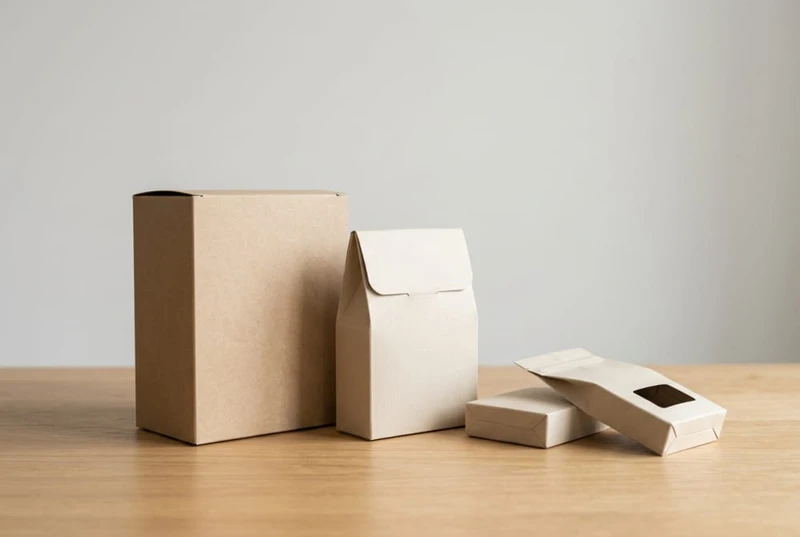
Pet brands in the United Kingdom need packaging that protects freshness, supports safe handling, and helps shoppers make quick decisions in busy retail and online settings. For dog treats, cat food, supplements, training snacks, canned recipes, and subscription bundles, the right pack has to do more than look attractive. It has to survive transport from manufacturing sites to hubs around Birmingham, Manchester, Felixstowe, Southampton, and London, hold up on shelves, and reassure buyers that the product inside is reliable.
A practical pet packaging system combines structure, print clarity, variant control, and efficient fulfilment. That is especially important when a brand offers mixed formats, frequent recipe launches, or seasonal lines. In the United Kingdom market, where pet owners increasingly compare ingredient quality, sustainability claims, and convenience, packaging becomes part of product trust. Clean presentation, strong secondary protection, and clear flavour coding can improve customer confidence and reduce errors across wholesale, direct-to-consumer, and gift-led sales.
Our workshop supports this process with advanced production equipment, careful material selection, and inspection-led quality control. Brands that need tailored custom pet packaging boxes often look for a supplier that can balance presentation with structural reliability. That balance matters even more when the range includes heavier items, fragile cans, refill packs, or premium gift sets.
United Kingdom pet packaging market outlook
The United Kingdom pet care sector continues to grow as owners buy more specialised foods, functional treats, breed-specific formulas, and gifting lines. This shift creates stronger demand for packaging that can work across retail display, online dispatch, and repeat subscription ordering. In cities such as Leeds, Bristol, Glasgow, and Nottingham, independent pet retailers increasingly look for packaging with shelf clarity. At the same time, ecommerce-focused brands want shipping-ready solutions that reduce damage and speed packing in fulfilment centres.
Ports and trade routes also influence packaging decisions. Imported ingredients or finished pouches moving through Felixstowe, Liverpool, or Southampton may face several handling stages before reaching a warehouse or retail store. A poorly selected carton board, weak partition, or unclear variant label can create avoidable losses. Packaging therefore needs to be designed around both the product and the supply chain.
For this reason, many pet brands now choose systems instead of one-off boxes. A system makes it easier to scale from launch packs to wholesale cases, display-ready trays, and online mailers without reinventing the artwork or structure each time. This approach is especially useful when a business expects to widen its dog, cat, bird, or small animal range in 2026 and beyond.
| Market factor | Why it matters | Packaging response | Common risk if ignored |
|---|---|---|---|
| Ecommerce growth | More products shipped direct to homes | Use stronger outer cartons and protective inserts | Transit damage and poor unboxing experience |
| Premiumisation | Buyers expect better presentation and trust cues | Improve print finish, hierarchy, and structure | Pack looks low-value or generic |
| Range expansion | Brands launch more flavours and formulas | Create modular artwork and sticker systems | SKU confusion and picking errors |
| Sustainability pressure | Retailers and buyers check material choices | Reduce excess material and plan recyclable formats | Weak sustainability message |
| Retail competition | Shelves are crowded with similar claims | Strengthen front-of-pack differentiation | Low visibility in store |
| Subscription models | Repeat orders need consistency and efficiency | Design secondary packs for recurring fulfilment | Higher packing costs and repeat complaints |
This table shows why pet packaging in the United Kingdom has moved beyond simple containment. The pressure points are commercial, logistical, and visual at the same time, so the most effective packs solve several problems together.
Formats that work for pet treats, pouches, cans, dry foods, and bundle packs
Different pet products need different packaging structures, and forcing every format into the same box style often causes waste, weak protection, or poor shelf appeal. For treats, narrow folding cartons or tuck-end boxes can work well when the internal pouch already provides a food barrier. These cartons give enough surface area for branding, feeding guidance, and claims without adding too much bulk. For bite-sized dog training snacks, a compact carton is often useful in retail because it stacks neatly and presents clearly beside supplements and accessories.
Pouches usually need support rather than over-complication. If the flexible pack already handles freshness and sealing, the outer paper box should focus on presentation, grouping, and transit stability. Sleeve packs can work for premium lines, while full cartons are more suitable when pouches are sold in sets or displayed upright. For canned pet food, especially multi-can recipes, wrap-around cartons or reinforced trays with lids help prevent movement and improve carrying strength. Dry foods, particularly heavier gram weights, often benefit from corrugated outers, shelf-ready trays, or display cases that can be opened cleanly in-store.
Bundle packs are increasingly important in the United Kingdom because many brands now sell discovery selections, breed-based starter kits, and monthly feeding assortments. These bundles need a format that keeps the assortment organised while still being quick to assemble. A well-designed internal partition can stop pouches and tins from shifting, while a clear outer box helps buyers understand the value of the set immediately.
| Product type | Best outer format | Main benefit | Best sales channel |
|---|---|---|---|
| Dog treats | Folding carton or small display box | Clear branding and shelf efficiency | Retail and online |
| Single pouches | Sleeve or light carton | Premium presentation | Retail launch lines |
| Multi-pouch sets | Partitioned carton | Variant control and easier handling | Subscription and bundles |
| Canned food packs | Wrap-around carton or tray pack | Better carry strength | Wholesale and supermarket |
| Dry food refills | Corrugated shipper or reinforced box | Supports heavier weight | Online and warehouse |
| Mixed gift bundles | Rigid-style gift carton with inserts | High presentation value | Seasonal and premium |
The explanation behind this table is simple: the best pack format depends on how the product is stored, moved, sold, and opened. Brands that choose format by appearance alone often end up with avoidable packing and damage issues.
How secondary boxes improve handling for multi-pack and subscription-style pet products
Secondary boxes are often the difference between a pet product range that scales smoothly and one that becomes expensive to pack. In multi-pack and subscription-style models, the outer box does more than contain items. It controls grouping, keeps packs upright, reduces picking mistakes, and shortens the time needed on the packing bench. For dog and cat brands sending recurring monthly orders across the United Kingdom, consistency is a major operational advantage.
For example, a set of six pouches and two treat bags can become difficult to handle if each item is loose in a plain shipper. A secondary carton with printed identifiers and simple dividers creates a repeatable packing sequence. This is useful for businesses shipping from regional hubs near Coventry, Milton Keynes, or Warrington, where speed and accuracy matter during promotional spikes. Secondary boxes also help protect labels and graphics on primary packs, which reduces the number of customer complaints linked to crushed or scuffed products.
On the retail side, secondary packaging can act as a ready-made display. A perforated lid or shelf-ready tear strip allows shop staff to place the unit quickly without rearranging individual products. That matters for independent stockists who want practical merchandising rather than extra handling.
Our manufacturing setup is designed for this type of repeatable packaging work. With precision cutting, consistent board conversion, and controlled production flow, we can support both pilot runs and larger volume orders for pet subscription cartons and retail-ready multi-packs. That manufacturing capability becomes especially important when the same product family needs several count options, such as three-pack, six-pack, and twelve-pack formats.
Sticker strategies for flavour coding, formulas, and size-based variants
Sticker systems remain one of the most cost-effective tools for managing pet packaging variants, especially when a brand wants one core printed box and several changing SKUs. In the United Kingdom, this works well for ranges with chicken, salmon, turkey, lamb, grain-free, senior, puppy, indoor cat, or weight-control variants. Instead of printing a separate carton for every version, a brand can create a strong base design and use clear stickers for flavour coding, formula type, and pack size.
The most effective sticker strategy is not only colour-based. Colour helps, but the system should also include readable text, icon support, and placement consistency. For example, green may indicate dental support, blue may indicate fish-based recipes, and amber may indicate sensitive digestion. However, if all stickers are placed in different areas or use different shapes, warehouse teams and shoppers can still make mistakes. Fixed placement zones are therefore essential.
Sticker use is especially useful for short-run launches, retailer exclusives, and trial bundles. It also supports a gradual range expansion without forcing high minimum print quantities on every new product idea. Brands looking for reliable custom packaging stickers often gain flexibility in both stock control and speed to market.
| Variant type | Suggested coding method | Placement | Why it helps |
|---|---|---|---|
| Flavour | Colour band plus flavour text | Top right front panel | Quick shelf scanning |
| Formula benefit | Icon plus short claim | Under product name | Improves buyer understanding |
| Life stage | Age-stage label | Upper left corner | Reduces purchase confusion |
| Pack size | Bold size disc | Lower front panel | Supports fast fulfilment checks |
| Retail exclusive | Limited run sticker | Side panel | Separates channel-specific stock |
| Promotional item | Campaign badge | Front centre or lid | Highlights time-sensitive offers |
The explanation here is that stickers work best when they are part of a system, not an afterthought. A disciplined sticker structure lowers reprint costs, improves warehouse identification, and keeps the range visually unified.
Shipping-ready packaging needs for online pet brands and repeat orders
Online pet brands in the United Kingdom face a different set of demands from shelf-first brands. Their packaging has to absorb conveyor handling, courier stacking, moisture risk, and regular customer repetition. If a pack arrives damaged once, the customer may forgive it; if it arrives damaged twice, retention becomes much harder. This is why shipping-ready packaging is central to repeat orders.
A strong shipping-ready system usually includes a durable outer carton, appropriate board grade, internal fit or void control, clear labelling, and a closure method suited to the shipment weight. For lighter treat assortments, a compact corrugated mailer may be enough. For canned food or dense dry food products, a stronger outer with reinforced base structure is often necessary. Subscription brands should also think carefully about pack opening. If the first interaction feels awkward, cheap, or overpacked, the unboxing experience works against loyalty rather than supporting it.
From a service perspective, flexible production planning matters just as much as structure. Some online brands need short seasonal runs, while others need repeat monthly schedules with tight lead times. Our team supports both by adapting production quantities, coordinating detail checks before final output, and helping align structural packaging with the pace of ecommerce demand. That service capability is especially useful when brands are scaling and need a packaging partner that can support both small-batch custom projects and larger repeat programmes.
Shipping-ready packaging can also reduce returns and customer service workload. When labels stay clean, variants arrive correctly packed, and the box feels purposeful, the product appears more trustworthy. For direct-to-consumer pet brands, that trust directly affects subscription retention.
How premium packaging can support giftable or specialty pet products
Premium pet packaging has grown far beyond festive novelty. In the United Kingdom, pet owners now buy birthday treats, premium sampler sets, wellness kits, breed celebration boxes, adoption welcome packs, and holiday gift assortments. These products need packaging that feels considered and presentable, but still practical enough for transport and storage. A premium finish only adds value when the structure underneath supports it.
Giftable pet products often work best with rigid-feel cartons, book-style boxes, drawer packs, or refined foldable formats with strong inserts. These can present biscuits, toys, grooming items, feeding accessories, or recipe collections in a way that feels organised rather than cluttered. Good premium packaging also improves perceived care. If the box opens neatly and every item has a place, the buyer sees intention and quality before the pet even receives the product.
For specialty lines such as grain-free collections, veterinary-adjacent support products, limited-edition recipes, or artisan baked treats, print finishing should stay disciplined. Too much foil, too many textures, or overdesigned graphics can weaken trust. Premium pet buyers often respond better to clean hierarchy, material confidence, and restrained storytelling than to visual excess. A refined gift packaging solution can therefore elevate the product without making it feel less credible.
Our technological capability helps here. With advanced equipment for precise conversion, surface finishing, and detail-led output, we can support boxes and labels that need careful alignment, accurate colour handling, and dependable repeat quality. That matters when a premium pet line is expected to look identical across multiple launches or retail deliveries.
Structural points to watch when packaging heavier pet-related SKUs
Heavier pet-related SKUs create structural demands that many new brands underestimate. Multi-can packs, larger dry food quantities, cat litter accessories, grooming tools, and bundled feeding products can all place significant stress on the base, corners, and carrying points of a box. A visually attractive pack can still fail if board thickness, locking style, or internal support is not designed for real load conditions.
One of the biggest issues is base panel failure. If the lock is weak or the product weight concentrates in one area, the pack may split during shelf replenishment or courier handling. Another issue is side bulging, particularly with heavy pouches or dense treat jars grouped in one carton. Handles also need careful thought. Die-cut handles may work for some retail carry packs, but only if the board and reinforcement are suitable for the actual load.
Brands should also consider palletisation and warehouse stacking. A box that performs well singly may fail under stacked pressure. This is especially relevant when goods move through larger regional logistics routes connected to the Midlands, Thames Gateway, or northern distribution corridors. Structural planning should include compression, movement, and handling assumptions based on likely shipping conditions, not just showroom appearance.
| Structural point | What to assess | Suitable response | Failure risk |
|---|---|---|---|
| Base strength | Weight concentration and closure type | Use stronger lock base or reinforced corrugated board | Bottom opening during handling |
| Side wall rigidity | Bulging under internal pressure | Add thicker board or internal fitments | Distorted shape and crush risk |
| Handle performance | Grip comfort and tear resistance | Reinforce handle zones | Carry failure in store or transit |
| Corner protection | Impact during transport | Improve fold design and board quality | Split corners and visual damage |
| Stacking resistance | Compression in warehouse and pallet loads | Test carton strength under stacked conditions | Collapsed cases and damaged stock |
| Moisture resilience | Exposure during storage or delivery | Select suitable material specification | Softened board and weakened joints |
The value of this table is that it separates visual design from real structural performance. A pet box carrying heavy goods must be engineered for load, not simply branded for appearance.
Shelf-presentation mistakes that make pet packaging feel generic
Many pet packs fail not because they look bad, but because they look interchangeable. Generic pet packaging usually suffers from crowded front panels, weak hierarchy, overused imagery, and poor variant distinction. If every flavour uses the same tone, the same stock pet photo, and the same claim structure, the range quickly blends into its competitors. On a busy shelf in a London grocery chain or an independent pet shop in York, that is a problem.
One common mistake is giving equal visual weight to everything. Product name, animal type, flavour, functional claim, feeding stage, and promotional burst cannot all dominate at once. Another mistake is relying too heavily on cliché pet visuals while neglecting trust signals such as cleanliness, ingredient logic, and pack order. Shoppers often make fast judgments based on whether a pack feels clear and credible, not merely cheerful.
Brands should also avoid inconsistent architecture across the range. If one product places variant coding on the top left, another on the bottom right, and another only on the side, the family loses recognition. Good shelf appeal comes from disciplined repetition with enough room for each SKU to feel distinct. This is where structured artwork systems, sticker zones, and pack format planning all connect.
How to plan a packaging system that grows with a wider pet product range
A packaging system should make future growth easier, not more confusing. The best starting point is to create a core architecture that stays stable while allowing product families to expand. This means deciding early which elements are fixed and which are flexible. Fixed elements may include logo zone, typography structure, legal panel layout, and flavour label position. Flexible elements may include colour coding, size markers, sticker content, and secondary pack configuration.
This system approach is especially valuable when a brand plans to move from one category into others, for example from dog treats into wet food, supplements, cat lines, or mixed pet gifting. Without a system, each launch becomes a separate design and production problem. With a system, the brand keeps recognition while adapting formats and information layers.
In 2026, this approach becomes even more important because regulation, sustainability expectations, and digital traceability are all likely to influence packaging decisions more strongly. Brands may need clearer recycling communication, more disciplined material use, and better compatibility with automated warehousing or fulfilment scanning. Future-ready pet packaging should therefore be modular, efficient, and easy to update without replacing the entire pack family.
| Planning area | Keep fixed | Allow to vary | Business benefit |
|---|---|---|---|
| Brand identity | Logo position and type style | Accent colour | Range recognition |
| Variant coding | Sticker position | Colour and wording | Fast SKU identification |
| Pack size logic | Size label format | Numerical content | Clear customer comparison |
| Secondary packs | Outer architecture | Pack count and insert layout | Operational flexibility |
| Compliance content | Panel structure | Formula details | Easier updates |
| Channel adaptation | Core branding | Retail, online, and gift finishes | Supports multiple sales routes |
The explanation for this table is that scale becomes easier when packaging rules are clear. A controlled framework reduces artwork confusion, production waste, and launch delays as the brand grows.
Buying advice for United Kingdom pet brands
When buying packaging for pet foods and treats, start with the product behaviour rather than the visual mood board. Ask how the pack will be filled, moved, stored, displayed, and reordered. Check whether the product needs food-contact separation, whether the outer pack must carry weight, and whether variants are likely to increase within six to twelve months. It is also wise to request structural samples before finalising print decisions.
Buyers should compare suppliers on more than price. Technical confidence, repeat quality, communication speed, and willingness to handle both low and larger quantities all matter. In the United Kingdom, local warehousing patterns and shorter lead-time expectations mean a supplier should be able to support change without creating disruption. That is particularly important for fast-moving pet startups that are still refining formulations or responding to retailer feedback.
Look for evidence of controlled production, reliable inspection, and practical advice on materials. If a supplier can only discuss decoration but not board strength, insert performance, or fulfilment practicality, the packaging may not perform well in real trade conditions.
Industries and applications that overlap with pet packaging
Pet packaging often overlaps with techniques used in food, wellness, lifestyle gifting, ecommerce subscription, and household accessory sectors. That crossover can be useful. A premium dog biscuit range may borrow clean visual cues from specialty food packaging. A cat wellness kit may benefit from the organisation methods used in cosmetics gift sets. A monthly feeder box may use fulfilment lessons common in subscription commerce.
Applications also vary by channel. Retail-ready trays are ideal for store display. Reinforced corrugated outers suit online orders. Partitioned cartons work for mixed-format bundles. Premium foldable gift cartons suit seasonal campaigns and welcome packs. When a brand understands which application the packaging serves, it can invest more precisely and avoid unnecessary complexity.
Case-style examples from the market
A small dog treat company in Bristol might launch with two carton sizes and sticker-coded variants to keep print costs low while testing recipes. A subscription cat food brand shipping from a Midlands fulfilment partner might use one master outer with modular inserts for monthly flavour rotation. A premium London pet boutique might commission a seasonal gifting box with rigid-feel presentation and internal compartments for treats, toys, and care products. A larger wholesale supplier serving stores from distribution points near Manchester could prioritise shelf-ready outer cartons that reduce store labour.
These examples show that the right solution depends on channel, weight, frequency, and brand ambition. The most successful projects usually begin with structural planning, not just artwork approval.
Comparing supplier considerations and product demands
Pet brands often need to compare supplier strengths against product complexity. A basic treat carton and a premium mixed gift set do not require the same production control. The chart below helps illustrate how different needs align with supplier capability expectations.
Our company approach for pet packaging projects
For United Kingdom pet brands, we focus on three linked strengths: technology, manufacturing, and service. On the technology side, our workshop uses advanced machinery to support precise conversion, consistent print presentation, and dependable finishing for boxes, stickers, and specialist packaging components. That helps projects that need visual consistency across multiple SKUs or repeat orders.
On the manufacturing side, we handle both customised smaller runs and larger production volumes with close attention to material selection and final quality checks. This is valuable for pet brands that need to move from pilot launch to wider market distribution without changing packaging standards halfway through.
On the service side, we work flexibly around client requirements, helping align packaging choices with product type, order size, and supply needs. That can include straightforward cartons, sticker-led variant systems, premium gift packs, or broader packaging programmes designed for a growing product family.
FAQ
What is the best box style for pet treats?
For many treat ranges, a folding carton works well when the freshness barrier sits inside a pouch. It gives enough branding space and supports both retail and online use.
Are stickers a good option for multiple flavours?
Yes. Stickers are highly effective for flavour coding and formula differentiation when they follow a clear visual system with consistent placement.
Do canned pet products need special outer packaging?
Usually, yes. Multi-can formats are heavier and need stronger structures, often with reinforced trays or wrap-around cartons to prevent movement and base failure.
How can a pet brand make packaging feel more premium?
Use cleaner hierarchy, better material choices, controlled finishing, and tidy internal organisation. Premium is more about confidence and order than decoration alone.
What should online pet brands prioritise?
Transit strength, fulfilment speed, variant accuracy, and repeat customer experience. Shipping-ready packaging is essential for reducing damage and supporting retention.
How can a brand prepare for 2026 packaging trends?
Plan for modular systems, clearer sustainability communication, adaptable variant control, and structures that work with automation, policy updates, and wider product portfolios.
