
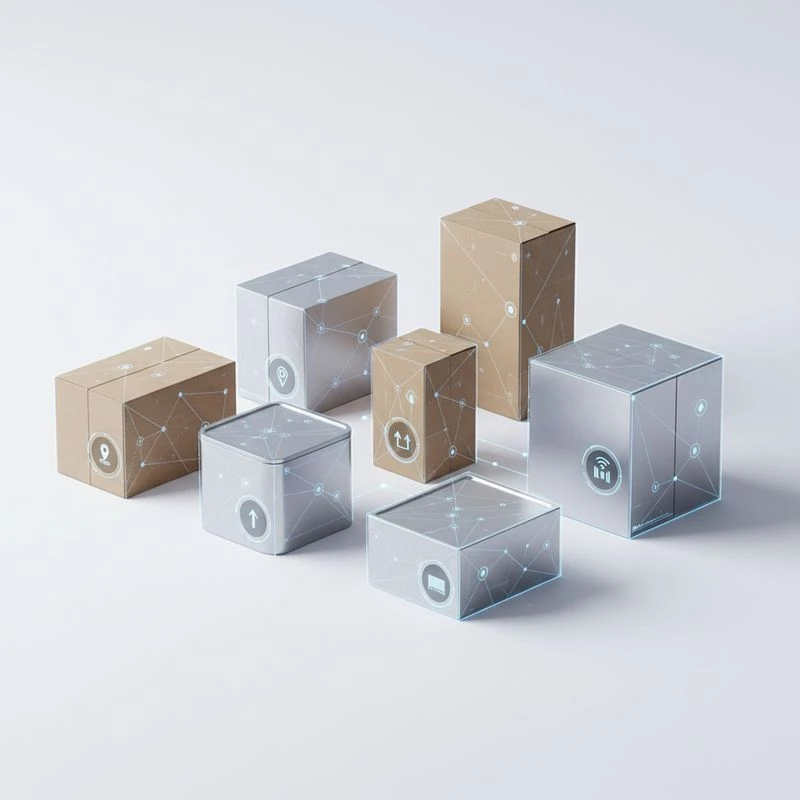
In an increasingly digital world, the journey of a product from manufacture to consumer is no longer a mystery, especially in the competitive United Kingdom market. The true power of modern supply chains lies in visibility, authenticity, and direct communication, all made possible through the revolutionary adoption of Smart Connected Packaging. This innovative approach allows businesses to embed intelligence directly into their product’s packaging, transforming it from a mere container into a dynamic data point and an interactive touchpoint. For UK businesses aiming to optimise logistics, combat counterfeiting, enhance brand trust, and forge deeper connections with their customers, embracing smart packaging is no longer a luxury but a strategic imperative. It’s about empowering every single product with a digital identity, ensuring its story is tracked, verified, and shared every step of the way, offering unprecedented insights and opportunities for growth and efficiency.
Smart Packaging
The landscape of consumer goods in the UK is undergoing a profound transformation, driven by the capabilities of Smart Connected Packaging. This isn’t merely about aesthetically pleasing designs; it’s about integrating technology directly into the packaging itself, creating a ‘smart’ wrapper that can communicate, track, and even interact. The core takeaway here is that by digitizing packaging, businesses gain unparalleled transparency throughout their supply chain, from raw material sourcing to the moment a product reaches the end-user’s hands. This enhanced visibility helps in mitigating risks, optimising inventory management, and ensuring product authenticity, which is crucial for maintaining consumer trust in a market increasingly wary of counterfeit goods and ethical sourcing. The reasoning behind this shift is clear: traditional packaging methods offer limited data and interaction, leaving businesses with blind spots in their operations and missed opportunities for direct consumer engagement. Smart packaging addresses these gaps by embedding unique digital identifiers, turning every product into a data-rich node within a connected ecosystem.
Implementing Smart Connected Packaging begins with a strategic assessment of your current supply chain and customer interaction points. First, identify the key data points you wish to capture, such as origin, batch number, expiry date, or even environmental impact data. Next, select the appropriate smart technology, whether it’s a QR code for broad accessibility, an NFC tag for secure proximity interactions, or a combination of both. Practical examples abound: a premium food brand in the UK might use smart packaging to detail the farm origin of ingredients, while a pharmaceutical company could leverage it for robust track-and-trace capabilities to ensure patient safety and regulatory compliance. One potential pitfall lies in overcomplicating the initial implementation; starting with a clear, measurable objective, like reducing returns due to mislabeling or increasing direct website traffic, can provide a focused roadmap. A solution involves partnering with experienced technology providers who can guide the integration process, ensuring compatibility with existing enterprise resource planning (ERP) systems and supply chain management (SCM) software, thus creating a seamless digital thread. This initial investment in infrastructure and training pays dividends by future-proofing operations and unlocking new avenues for brand growth and consumer loyalty in the dynamic UK market.
| Feature | Description | Primary Benefit (UK Market) |
|---|---|---|
| Product Tracking | Real-time location and movement monitoring across the supply chain. | Enhanced logistics, reduced loss, improved inventory accuracy. |
| Authenticity Check | Verification of genuine products, combating counterfeiting and grey markets. | Increased consumer trust, brand protection, regulatory compliance. |
| Data Collection | Gathering insights on product usage, market trends, and supply chain bottlenecks. | Informed business decisions, targeted marketing, process optimization. |
| Consumer Engagement | Direct interaction with customers via digital content and personalised experiences. | Stronger brand loyalty, valuable feedback, new marketing channels. |
This table illustrates the multifaceted value proposition of Smart Connected Packaging, highlighting how each feature contributes directly to improving business outcomes for companies operating within or targeting the United Kingdom. By leveraging these capabilities, businesses can transform their operational efficiency and elevate their customer relationships.
QR Code
In the diverse and digitally savvy United Kingdom market, the humble QR code has evolved into a powerhouse for Smart Connected Packaging, offering an incredibly accessible and versatile gateway to digital product information. The primary takeaway for businesses is that QR codes provide a cost-effective, easily implementable solution for connecting physical products to the digital realm, enabling a wide array of functions from product authentication to immersive marketing campaigns. The reasoning behind its widespread adoption lies in its simplicity: almost every smartphone user in the UK is equipped with a camera capable of scanning a QR code, eliminating the need for specialised hardware or apps. This universal accessibility makes QR codes an ideal choice for reaching a broad consumer base without significant barriers to entry, making it an excellent starting point for any business looking to dip its toes into smart packaging without a heavy initial investment. It’s a straightforward method to bridge the gap between physical goods and dynamic online content, providing immediate value to both businesses and consumers.
Implementing QR codes for product tracking and consumer engagement is a relatively straightforward process. First, businesses need to generate unique QR codes for each product or batch, often linked to a database that stores specific information about that item. This could include manufacturing dates, ingredient lists, sustainability credentials, or even a personalised message. Next, these codes are printed directly onto the packaging, ensuring they are clear, scannable, and strategically placed. For actionable steps, consider using a dynamic QR code system; this allows you to change the linked content even after the packaging has been printed, providing unparalleled flexibility for campaigns, updates, or recall information. For example, a UK-based craft beer producer might use QR codes to share tasting notes, brewery stories, or limited-time promotional offers, dynamically updating the content based on seasonal campaigns. A common pitfall can be using low-resolution QR codes that are difficult to scan, leading to user frustration. The solution is to prioritize high-quality printing and ensure adequate contrast, along with robust testing across various devices and lighting conditions. Another challenge is the lack of perceived value for the consumer; if the QR code only links to a generic product page, engagement will be low. To overcome this, offer genuinely valuable content—exclusive discounts, interactive augmented reality (AR) experiences, or personalised product care tips—transforming a simple scan into a rewarding interaction that builds brand loyalty and gathers valuable consumer data.
| Aspect | QR Code Implementation | Key Benefit for UK Brands |
|---|---|---|
| Accessibility | Scannable by virtually any modern smartphone camera without special apps. | Broad consumer reach, low barrier to entry for engagement. |
| Cost-Effectiveness | Relatively inexpensive to generate and print in bulk. | High ROI for tracking and marketing initiatives. |
| Data Capacity | Can store a significant amount of data, linking to rich online content. | Versatile for product details, multimedia, promotions. |
| Traceability | Unique codes for individual items enable robust track-and-trace capabilities. | Enhanced supply chain transparency and anti-counterfeiting. |
This comparison highlights why QR codes are an excellent entry point for UK businesses into Smart Connected Packaging, offering a balanced mix of reach, affordability, and functional utility that drives both operational efficiency and consumer interaction. Their ubiquity makes them a reliable tool for engaging the diverse UK consumer base.
NFC
Near Field Communication (NFC) represents a sophisticated, secure, and increasingly popular facet of Smart Connected Packaging within the United Kingdom market, offering a distinct advantage for products where authentication, premium experiences, and seamless interaction are paramount. The core takeaway from embracing NFC is its ability to provide a frictionless, “tap-and-go” experience for consumers, creating a direct, intuitive link between the physical product and a wealth of digital information. Unlike QR codes, NFC tags require physical proximity (a few centimeters) and typically initiate an action without needing to open a camera app, enhancing security and user convenience. The reasoning behind its growing adoption, particularly in high-value sectors, stems from its robust security features, which make it ideal for anti-counterfeiting measures and ensuring product integrity. It’s also excellent for delivering rich, interactive content, elevating the brand experience beyond what static packaging can offer. NFC transforms packaging into an intelligent interface, enabling unique, immediate connections.
To integrate NFC into your Smart Connected Packaging strategy, the process involves embedding small, passive NFC chips directly into product labels, tags, or within the packaging material itself. These chips can be programmed with specific data or URLs. When a consumer taps their NFC-enabled smartphone near the tag, the programmed action is triggered, such as opening a webpage, launching an app, or initiating a secure authentication process. For actionable steps, consider sectors like premium spirits, cosmetics, or pharmaceuticals in the UK, where NFC can provide instant verification of authenticity, combatting the persistent threat of counterfeits. For instance, a luxury watch brand could use NFC to provide proof of origin, warranty registration, and exclusive content about the craftsmanship. A key pitfall is the higher cost per unit compared to QR codes, which requires careful consideration of product value and target audience. However, this is often offset by the enhanced security and premium experience it delivers. Another potential challenge is ensuring consumer awareness of NFC functionality; simply having the tag isn’t enough. Solutions include clear on-pack instructions, subtle visual cues (like an NFC logo), and integrating NFC into broader marketing campaigns that educate consumers on how to interact with the smart packaging to unlock exclusive benefits. Furthermore, while most modern smartphones are NFC-enabled, some older models may not be, which needs to be considered when designing the overall engagement strategy. By carefully planning the deployment and user experience, NFC can deliver unparalleled levels of trust and engagement in the competitive UK market.
B2B Solutions
Beyond direct consumer interaction, Smart Connected Packaging offers profound Business-to-Business (B2B) solutions that are revolutionizing supply chain management and operational efficiency for companies operating within the United Kingdom and beyond. The critical takeaway for businesses is that smart packaging provides unprecedented levels of data and visibility throughout the entire supply chain, transforming logistics, inventory management, and quality control from reactive processes into proactive, data-driven systems. The reasoning is clear: traditional supply chains often suffer from opaque segments, making it difficult to pinpoint issues like delays, damage, or unauthorized handling. By embedding unique digital identifiers into every product or shipment, Smart Connected Packaging eliminates these blind spots, enabling real-time tracking, condition monitoring, and automated data capture at every touchpoint. This level of granular insight allows for immediate intervention, reduces waste, and enhances accountability across all partners in the value chain. It’s about creating a truly intelligent, responsive supply network that can adapt to challenges with agility.
Implementing B2B Smart Connected Packaging solutions involves integrating the digital identity of products with existing enterprise systems such as ERP, WMS (Warehouse Management System), and TMS (Transportation Management System). Step-by-step, this often begins with assigning unique serialised codes (like QR, NFC, or RFID tags) to individual items or consolidated shipments at the point of manufacture. As these items move through the supply chain—from warehouse to distributor, to retailer—each scan or interaction with the smart packaging updates a central database, providing a live, geo-located history. Practical examples in the UK include pharmaceutical companies using smart packaging for stringent regulatory compliance and product recall management, enabling them to isolate affected batches with precision and speed. Food distributors can monitor temperature-sensitive goods, with smart labels alerting them to temperature excursions during transit, thereby reducing spoilage and ensuring food safety. A potential pitfall can be data silos, where smart packaging data isn’t effectively integrated with existing operational systems, leading to fragmented insights. The solution is to prioritize interoperability and invest in robust integration platforms that can synthesize data from smart packaging with other business intelligence tools, creating a unified view of the supply chain. Another challenge is securing buy-in from all supply chain partners; transparent communication about the benefits of shared data and collaborative platforms can help overcome resistance. By streamlining processes, enhancing traceability, and fostering greater collaboration, Smart Connected Packaging delivers substantial B2B value, strengthening operational resilience and driving efficiency gains across the complex UK logistical landscape.
| B2B Application | Description | Operational Benefit (UK Market) |
|---|---|---|
| Supply Chain Visibility | Real-time tracking of goods from origin to destination. | Reduced delays, optimised routing, proactive problem-solving. |
| Inventory Management | Accurate, automated stock counts and movement records. | Minimized stockouts/overstock, reduced carrying costs. |
| Anti-Counterfeiting | Secure authentication at every B2B handover point. | Brand integrity, regulatory compliance, prevention of illicit trade. |
| Quality Control | Monitoring product conditions (e.g., temperature) during transit. | Reduced spoilage, compliance with quality standards, fewer returns. |
| Logistics Optimisation | Data-driven insights to refine warehousing, transport, and distribution. | Cost savings, increased efficiency, faster market access. |
This table illustrates how Smart Connected Packaging provides a comprehensive toolkit for B2B enterprises in the UK, offering strategic advantages that lead to significant improvements in efficiency, security, and ultimately, profitability. These solutions are vital for navigating the complexities of modern supply chains.
Customer Engagement
In today’s highly competitive United Kingdom market, where consumer loyalty is hard-won, Smart Connected Packaging offers an unparalleled opportunity to transcend transactional relationships and forge deep, meaningful customer engagement. The primary takeaway here is that by transforming passive packaging into an interactive media channel, businesses can create personalised, memorable experiences that resonate with their target audience, driving brand affinity and repeat purchases. The reasoning is simple: consumers are increasingly seeking transparency, authenticity, and value beyond the product itself. Traditional marketing channels often struggle to provide real-time, context-specific information or personalised interactions at the critical point of sale or usage. Smart Connected Packaging addresses this by allowing brands to deliver dynamic content directly from the product, turning every package into a conversation starter and an extension of the brand story. This direct connection empowers consumers with information and exclusive opportunities, making them feel valued and understood.
To effectively leverage Smart Connected Packaging for customer engagement, businesses need to think beyond basic product information and consider what truly adds value to the consumer journey. Step-by-step, start by defining your customer engagement goals: is it to gather feedback, promote user-generated content, offer exclusive loyalty rewards, or provide immersive educational experiences? Once goals are clear, design compelling digital content that is easily accessible via the smart tag (QR or NFC). For instance, a UK coffee brand could use Smart Connected Packaging to link to a video demonstrating sustainable farming practices, offer a loyalty program sign-up, or even provide a digital recipe book using their coffee. A cosmetics brand might use it to offer a virtual try-on experience through augmented reality (AR) or provide tailored skincare tips based on product usage. A common pitfall is linking to generic, uninspired content that fails to capture consumer interest, leading to low engagement rates. The solution is to continually update content, make it interactive, and personalise it where possible. Offer a clear call to action and a tangible benefit for scanning the packaging. Another challenge can be the lack of a clear privacy policy regarding data collected through engagement. To overcome this, ensure full transparency with consumers about how their data is used, offering opt-in options and adhering strictly to UK GDPR regulations. By creating genuinely valuable, engaging, and transparent digital experiences, Smart Connected Packaging fosters a powerful bond between brands and their customers, transforming a simple purchase into an ongoing relationship and turning every package into a powerful marketing tool in the bustling UK retail environment.
