
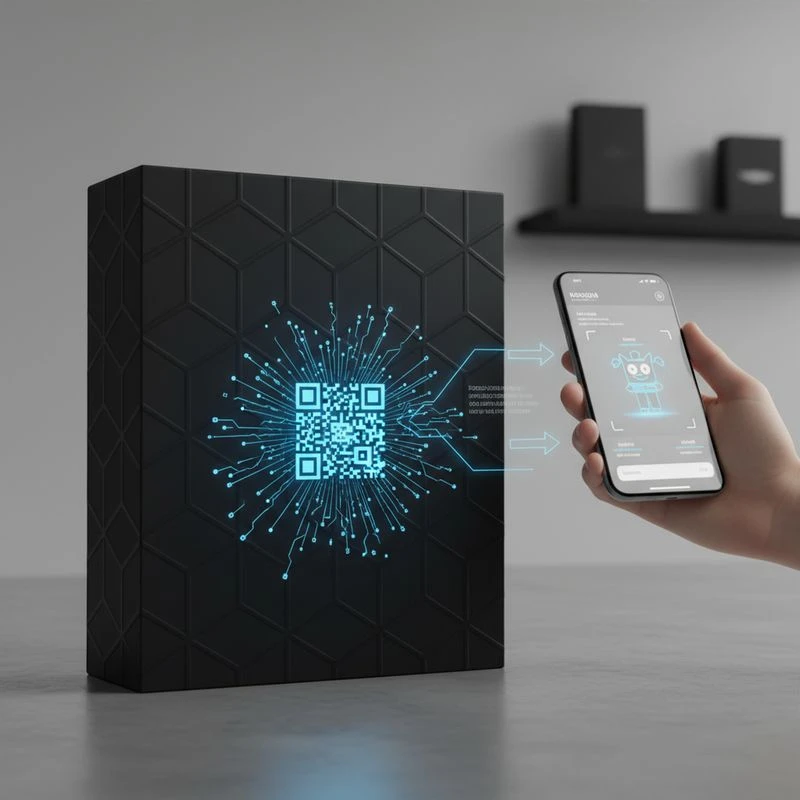
In today’s highly competitive United Kingdom market, brands are constantly seeking innovative ways to connect with consumers, foster loyalty, and stand out from the crowd. Traditional packaging, while essential for protection and branding, often represents a missed opportunity for dynamic engagement. This is where Smart QR Packaging emerges as a game-changer, transforming static product containers into interactive gateways that bridge the physical and digital worlds. By integrating intelligent QR codes, brands can unlock unprecedented levels of customer interaction, gather valuable data, and streamline internal operations, ultimately crafting a more profound and memorable brand experience. For UK businesses, adopting smart packaging isn’t just about keeping up; it’s about leading the charge in consumer engagement and operational efficiency, navigating the unique demands and opportunities present in the market.
The potential of Smart QR Packaging extends far beyond simple website links. It offers a versatile platform for delivering rich content, personalised experiences, and direct communication channels right at the consumer’s fingertips. Imagine a customer scanning a product and instantly accessing an augmented reality try-on feature, watching a video demonstrating sustainable sourcing practices, or even participating in a loyalty program that rewards their immediate purchase. This level of immediate and tailored interaction not only enhances the perceived value of the product but also builds a stronger emotional connection with the brand. Brands that embrace this technology demonstrate forward-thinking, customer-centric values, which resonates deeply with the increasingly discerning UK consumer base that values transparency, convenience, and engaging digital experiences. The investment in Smart QR Packaging is an investment in future-proofing your brand’s presence and relevance in a rapidly evolving digital landscape.
Furthermore, the strategic implementation of Smart QR Packaging provides tangible benefits across the entire product lifecycle, from manufacturing to the consumer’s hands. It empowers brands to combat counterfeiting through robust authentication mechanisms, optimise supply chain logistics with real-time tracking, and gather invaluable insights into consumer behaviour post-purchase. These capabilities are particularly significant in the UK, where consumer protection and supply chain integrity are paramount. By leveraging the power of data collected through smart packaging, businesses can make more informed decisions, refine their marketing strategies, and continually optimise their product offerings to meet market demands. The interactive brand experience created through these intelligent codes is not merely a fleeting novelty but a fundamental shift in how products communicate their story and value, fostering a truly immersive and long-lasting relationship between brand and customer in the UK market.
Smart Packaging
Smart packaging represents a significant evolution from its traditional counterpart, embedding digital intelligence directly into the product’s casing to enable dynamic interactions and functionalities. For brands operating in the United Kingdom, embracing this innovation allows them to transcend the limitations of static labels, offering a wealth of information and engagement opportunities that were previously unimaginable. At its core, smart packaging, particularly when powered by QR codes, transforms a passive product into an active communication channel. This transformation isn’t just about adding a scannable code; it’s about integrating a robust digital layer that supports everything from enhanced product information and safety details to captivating brand narratives and interactive experiences. The ability to provide instant, comprehensive details about ingredients, allergens, or ethical sourcing, for instance, builds a strong foundation of trust and transparency with UK consumers who are increasingly demanding greater accountability from the brands they support.
The reasoning behind adopting smart packaging solutions, especially Smart QR Packaging, is multifaceted. Firstly, it addresses the growing consumer demand for instant access to information. Instead of cramming tiny fonts onto a physical label, brands can direct consumers to a mobile-optimised landing page with extensive details, videos, or even FAQs. This is particularly beneficial for complex products or those with strict regulatory requirements in the UK, such as food or pharmaceuticals, allowing for clear and compliant information dissemination. Secondly, it provides an innovative platform for storytelling, allowing brands to convey their heritage, values, and unique selling propositions in a much more engaging format than traditional text. Imagine a craft brewery in the UK linking to a video tour of their facilities or an apparel brand showcasing the artisans behind their latest collection. Such rich content fosters a deeper emotional connection, enhancing the overall interactive brand experience.
For brands considering actionable steps, the journey into smart packaging begins with defining clear objectives. Do you aim to improve transparency, boost engagement, or streamline supply chain visibility? Once objectives are set, selecting the right technology partner is crucial. Look for providers who understand the nuances of the UK market, including GDPR compliance for data handling. Start small with a pilot project, perhaps on a limited edition product or a specific product line, to test the waters and gather initial feedback. This allows for refinement before a broader rollout. For example, a UK confectionery brand might trial QR codes on a new product to link to a consumer survey or a competition, gauging interest and user experience before integrating it across their entire range. It’s also vital to ensure that the content linked via the QR code is relevant, engaging, and regularly updated, providing a compelling reason for consumers to scan.
While the benefits are substantial, potential pitfalls exist. One common challenge is underestimating the importance of mobile optimization; if the linked content isn’t responsive and easy to navigate on a smartphone, the user experience will suffer, discouraging future scans. A solution here is rigorous testing across various devices and ensuring landing pages are designed with a mobile-first approach. Another pitfall can be a lack of compelling content, leading to a “one-and-done” scan without sustained engagement. Brands must continuously refresh their digital offerings and provide real value – whether it’s exclusive content, discounts, or utility. Lastly, data privacy is paramount, especially under GDPR regulations in the UK. Brands must be transparent about data collection and usage, obtaining clear consent where necessary. Implementing robust security measures for data associated with QR scans is not just good practice but a legal necessity, ensuring consumer trust remains intact.
The table below outlines key feature differences between basic QR codes and advanced Smart QR Packaging solutions, illustrating the leap in capability and value for UK businesses.
| Feature | Basic QR Code | Smart QR Packaging (Advanced) |
|---|---|---|
| Information Delivery | Static link to a single URL | Dynamic content, multiple links, geotargeting, personalised content |
| Interactivity | Minimal; directs to a webpage | Augmented Reality (AR), video players, surveys, games, direct feedback forms |
| Data Tracking | Basic scan count, simple analytics | Detailed analytics (location, time, device, repeat scans, user journey), CRM integration |
| Security & Authentication | None inherent; URL can be spoofed | Anti-counterfeit features, tamper detection, secure product authentication |
| Dynamic Content | Content is fixed once QR code is generated | Content can be updated in real-time without changing the physical QR code |
This table clearly highlights how Smart QR Packaging transcends simple redirection, offering a comprehensive suite of features that empower brands to create truly dynamic and responsive interactive brand experiences. For the UK market, these advanced capabilities translate directly into higher consumer engagement and more actionable insights.
Digital Integration
The true power of Smart QR Packaging for the UK market lies in its seamless digital integration, transforming a physical product into a dynamic portal for digital experiences. By simply scanning a QR code with a smartphone, consumers can instantly access a wealth of online content, services, and interactive features, creating an unparalleled interactive brand experience. This integration isn’t merely about linking to a generic website; it’s about strategically connecting the physical product to a tailored digital ecosystem designed to inform, entertain, and engage the customer on a deeper level. For UK consumers, who are highly connected and accustomed to on-demand digital services, this immediate access to rich content is a significant value proposition, making the brand feel more modern, accessible, and responsive to their needs. It allows brands to tell their story, offer support, and foster community in ways that static packaging simply cannot achieve.
The reasoning behind prioritising robust digital integration is rooted in evolving consumer behaviour and technological advancements. Modern shoppers expect immediate gratification and personalised experiences. A Smart QR code acts as the ultimate bridge, enabling a brand to deliver exactly that. Imagine a UK shopper purchasing a new gadget; scanning the QR code could lead them directly to an interactive setup guide, troubleshooting FAQs, or even a video tutorial, reducing the need for lengthy printed manuals and improving the post-purchase experience. For a food product, the code might link to recipes, nutritional information, or even a virtual farm tour, creating transparency and building trust. This ability to deliver contextually relevant content at the precise moment of interest is what truly elevates the interactive brand experience, moving it from a transactional relationship to an engaging dialogue.
Implementing effective digital integration with Smart QR Packaging requires a strategic approach. Firstly, define the primary digital destinations for your QR codes. Are you aiming to drive traffic to product registration, social media, a loyalty program, or perhaps an AR experience? Secondly, ensure all linked digital content is highly optimised for mobile devices. Slow loading times or non-responsive designs will quickly deter users. Thirdly, consider personalising the digital journey. Advanced Smart QR solutions can track user data (with explicit consent, adhering strictly to GDPR) to offer tailored content on subsequent scans. For instance, a UK fashion brand could use a QR code to offer styling tips, and based on previous interactions, suggest complementary items or alert the customer to relevant sales. Regular testing of links and content is also crucial to prevent broken experiences.
Potential pitfalls in digital integration often stem from a lack of foresight. One common issue is creating generic, uninspiring landing pages that fail to capture attention, leading to a high bounce rate. The solution is to invest in compelling, high-quality digital content that adds genuine value, whether it’s through captivating videos, engaging quizzes, or exclusive offers. Another pitfall is neglecting the ongoing maintenance of digital links; an outdated or broken link not only frustrates users but also damages brand credibility. A proactive solution involves regular audits and an agile content management system that allows for real-time updates without having to reprint packaging. Furthermore, ensuring seamless integration with existing CRM systems or e-commerce platforms can be complex but is vital for a holistic view of the customer journey, avoiding siloed data and missed opportunities for follow-up engagement.
The below table highlights typical digital integration points and their benefits when leveraging Smart QR Packaging within the UK market.
| Digital Integration Point | Description | Benefit for UK Brands |
|---|---|---|
| Product Pages/E-commerce | Direct link to product details, reviews, purchase options. | Drives online sales, provides rich product info, enhances decision-making. |
| Augmented Reality (AR) Experiences | Virtual try-ons, 3D product views, interactive games. | Creates immersive, memorable experiences, boosts engagement and virality. |
| Video Content | How-to guides, brand stories, sustainable sourcing narratives. | Educates, entertains, builds emotional connection and transparency. |
| Social Media & Community | Links to brand profiles, user-generated content campaigns, forums. | Expands social reach, fosters community, encourages user contributions. |
| Customer Support & FAQs | Direct access to helpdesk, troubleshooting, common questions. | Improves post-purchase experience, reduces customer service load, builds trust. |
These integration points underscore how Smart QR Packaging transforms a simple product into a powerful hub for digital interaction, offering diverse avenues to engage and inform the UK consumer. Each point is an opportunity to strengthen the interactive brand experience and gather valuable insights.
B2B Innovation
While the consumer-facing benefits of Smart QR Packaging are often highlighted, its transformative potential within B2B operations for the United Kingdom market is equally profound, driving significant innovation, efficiency, and transparency across the entire supply chain. Far from being just a marketing tool, Smart QR codes embedded in packaging can revolutionize how businesses manage inventory, authenticate products, track logistics, and even streamline regulatory compliance. This elevates the packaging from a mere protective layer to an intelligent asset that facilitates seamless communication and data exchange between manufacturers, distributors, retailers, and other supply chain partners. For UK businesses grappling with complex logistics and stringent compliance demands, leveraging Smart QR Packaging for internal processes represents a strategic advantage, reducing operational costs, minimizing errors, and enhancing overall accountability from production to point of sale.
The reasoning behind adopting Smart QR Packaging for B2B innovation is clear: it offers unparalleled visibility and control. In an era where supply chain resilience and transparency are critical, QR codes provide a verifiable digital fingerprint for every product unit or batch. Manufacturers can use them to track components, monitor production stages, and verify quality control checks. Distributors in the UK can leverage these codes for efficient warehouse management, automating inventory counts, and ensuring accurate order fulfillment. Retailers benefit from streamlined receiving processes, rapid shelf replenishment, and robust anti-counterfeiting measures that protect their brand and their customers. This level of granular traceability is invaluable for recall management, allowing businesses to pinpoint affected products quickly and accurately, thereby mitigating risks and protecting consumer safety—a particularly pertinent concern within the heavily regulated UK market.
For UK businesses ready to integrate Smart QR Packaging into their B2B operations, the actionable steps begin with a comprehensive audit of existing supply chain pain points. Identify where inefficiencies or lack of visibility currently exist. Next, partner with a technology provider that offers scalable and secure Smart QR solutions capable of integrating with existing ERP (Enterprise Resource Planning) or WMS (Warehouse Management System) systems. Begin with a pilot program focused on a specific challenge, such as tracking high-value goods or managing returns more efficiently. For example, a UK electronics distributor might implement QR codes on individual product boxes to track their movement from the port of entry to regional warehouses and finally to retail stores, providing real-time location and status updates. Develop clear protocols for scanning, data entry, and reporting to ensure consistency and accuracy across all operational teams. Training staff on the new processes and the benefits of the technology is also crucial for successful adoption.
Despite the substantial advantages, potential pitfalls in B2B implementation include data security concerns and integration complexities. Storing sensitive supply chain data requires robust cybersecurity measures to prevent unauthorized access or manipulation. The solution involves selecting providers with proven security protocols, including encryption and access controls, and ensuring compliance with UK data protection standards. Another challenge can be the resistance to change from entrenched operational teams or the difficulty of integrating new systems with legacy infrastructure. A phased implementation approach, coupled with comprehensive training and highlighting the clear benefits to daily workflows, can help overcome internal resistance. Furthermore, ensuring data consistency across disparate systems can be complex; therefore, investing in middleware or API-driven solutions that facilitate seamless data exchange between the Smart QR platform and existing business systems is key to avoiding data silos and ensuring a unified view of operations.
Here’s a comparison of how Smart QR Packaging enhances key B2B functions compared to traditional methods for UK companies.
| B2B Function | Traditional Method | Smart QR Packaging Enhancement |
|---|---|---|
| Inventory Management | Manual counts, barcode scanning (limited data) | Real-time, granular stock visibility; automated tracking; faster audits. |
| Product Authentication | Batch codes, security seals (often replicable) | Unique digital identity; secure, verifiable authentication at any point; anti-counterfeit features. |
| Supply Chain Traceability | Paperwork, fragmented digital records | End-to-end digital trace; instant access to origin, manufacturing, logistics data. |
| Returns & Recalls | Time-consuming manual processes; limited product info | Streamlined returns verification; rapid, targeted product recalls by batch/unit. |
| Compliance & Audits | Manual data compilation; retrospective reporting | Automated data capture; instant, verifiable compliance reports for UK regulations. |
This table illustrates how Smart QR Packaging significantly upgrades critical B2B functions, offering UK businesses unprecedented control, visibility, and efficiency across their entire operational footprint. The result is a more resilient, transparent, and responsive supply chain.
Customer Engagement
Elevating customer engagement beyond the point of sale is a core aspiration for any brand in the competitive United Kingdom market, and Smart QR Packaging provides an unparalleled platform to achieve this with dynamic, personalised interactions. No longer limited to a brief encounter at the checkout, the product packaging, armed with a smart QR code, becomes an ongoing channel for dialogue, discovery, and delight. This approach moves beyond transactional relationships, fostering a genuine connection and an interactive brand experience that resonates deeply with modern consumers. By offering instant access to compelling content, exclusive offers, and direct feedback mechanisms, brands can transform a simple purchase into the beginning of a rich and continuous brand journey. For UK consumers, who appreciate value and authenticity, this sustained engagement builds loyalty and strengthens brand advocacy, distinguishing a brand in a crowded marketplace.
The reasoning behind this enhanced engagement is psychological and strategic. Consumers today seek more than just products; they crave experiences and stories. A Smart QR code enables brands to deliver these narratives directly and conveniently. Imagine a UK consumer scanning a coffee package to discover the story of the farmers, watch a video demonstrating brewing techniques, or even enter a competition to win a barista course. This level of interaction turns passive consumption into an active, shared experience. Furthermore, Smart QR Packaging facilitates direct communication, allowing brands to solicit feedback through surveys or polls, instantly address queries, or even run targeted loyalty programmes that reward repeat purchases. This immediate feedback loop is invaluable for product development and service improvement, demonstrating to UK customers that their opinions are valued and contribute to the brand’s evolution.
For brands ready to harness Smart QR Packaging for superior customer engagement, actionable steps include crafting compelling calls-to-action on the packaging itself, clearly indicating what valuable experience awaits a scan. Next, design engaging digital experiences that are not only visually appealing but also provide genuine value – whether it’s exclusive content, practical utility, or entertainment. Consider personalising content based on potential user segments or even time of day, making the interaction feel bespoke. For instance, a UK beauty brand could offer a QR code that links to an AR filter for virtual try-ons, or a step-by-step video tutorial based on the product purchased, enhancing its utility and appeal. Promote interactivity through quizzes, polls, or user-generated content campaigns that encourage consumers to share their experiences. Regularly refresh the linked content to maintain novelty and provide new reasons for consumers to scan again, ensuring the interactive brand experience remains fresh and exciting.
However, several potential pitfalls can undermine engagement efforts. One common issue is a lack of perceived value for the consumer; if the digital content is generic, uninspiring, or easily found elsewhere, consumers won’t be motivated to scan. The solution lies in offering exclusive, high-quality, and genuinely useful content or unique interactive features. Another pitfall is an inconsistent brand voice or disconnected experience between the physical product and its digital counterpart. Brands must ensure their digital content aligns perfectly with their brand identity and messaging. Furthermore, privacy concerns, particularly in the GDPR-compliant UK market, can deter engagement if data collection practices are not transparent and clearly communicated. Brands must prioritize user consent and demonstrate responsible data handling, building trust rather than eroding it. Avoiding these missteps is crucial for cultivating long-term, meaningful customer relationships.
The table below showcases various customer engagement strategies empowered by Smart QR Packaging for the UK market.
| Engagement Strategy | Description | Impact on Interactive Brand Experience |
|---|---|---|
| Storytelling & Brand Heritage | Videos, articles, or virtual tours explaining brand origins, values, and ethical practices. | Builds emotional connection, transparency, and perceived authenticity with UK consumers. |
| Exclusive Content & Offers | Access to VIP discounts, loyalty points, early product previews, or bespoke advice. | Rewards loyalty, drives repeat purchases, creates a sense of exclusivity. |
| Interactive Games & Competitions | “Scan to Win” contests, AR games, quizzes related to the product or brand. | Increases fun and memorability, boosts virality, generates user data. |
| Direct Feedback & Surveys | Quick access to customer satisfaction surveys, product reviews, or suggestion boxes. | Gathers valuable insights, makes customers feel heard, improves products/services. |
| User-Generated Content (UGC) Integration | Prompts to share experiences on social media, links to curated UGC galleries. | Fosters community, increases social proof, amplifies brand message through authentic voices. |
These strategies exemplify how Smart QR Packaging transforms a product into a hub for sustained customer interaction, enabling UK brands to deepen relationships and create a truly memorable interactive brand experience that extends far beyond the initial purchase.
Tracking
The ability to track and analyze data is arguably one of the most transformative aspects of Smart QR Packaging, offering brands in the United Kingdom invaluable insights into product performance, consumer behavior, and supply chain movements. Beyond simply engaging customers, smart packaging turns every scan into a data point, generating a wealth of actionable intelligence that can inform marketing strategies, product development, and operational efficiencies. This data-driven approach moves brands from making assumptions to making informed decisions, allowing them to optimise their efforts and investments precisely. For UK businesses, where market understanding and agility are key to success, leveraging the tracking capabilities of Smart QR Packaging provides a significant competitive edge, enabling a more responsive and intelligent approach to market dynamics and consumer preferences, ultimately enhancing the interactive brand experience by making it more relevant.
The reasoning behind the critical importance of tracking through Smart QR Packaging lies in the profound insights it provides. Brands can monitor scan rates, geographical location of scans, time of day, and even the type of device used. This information can reveal regional popularity trends, peak engagement times, and the effectiveness of different marketing campaigns in driving scans. Furthermore, by linking specific QR codes to unique product units or batches, brands can gain granular traceability, understanding the exact journey of a product from manufacture to consumption. This level of detail is indispensable for understanding the real-world usage patterns of products in the UK, informing decisions about distribution, promotional activities, and even guiding future product iterations based on actual consumer interaction data. It provides a tangible measure of the effectiveness of the interactive brand experience you are delivering.
For UK businesses seeking to maximize the tracking potential of Smart QR Packaging, actionable steps include setting up robust analytics dashboards that provide a clear, visual representation of key performance indicators (KPIs). These KPIs might include unique scan rates, repeat scan rates, conversion rates (e.g., to a loyalty program sign-up), and geographical distribution of scans. Integrate this data with existing CRM or sales data to create a holistic view of the customer journey. Leverage A/B testing by deploying different QR code designs or linking to varied content to determine what resonates most effectively with your target audience. For example, a UK beverage company might track which city shows the highest engagement with a QR-linked competition, then allocate more marketing resources to that region. Critically, ensure all data collection is transparent, adheres strictly to GDPR, and respects consumer privacy. Data anonymization and aggregation are often key strategies for compliance while still gaining valuable insights.
While the data opportunities are vast, potential pitfalls must be navigated carefully. One significant challenge is drowning in data without extracting meaningful, actionable insights. The solution lies in defining clear objectives before deployment and focusing on specific metrics that directly relate to those goals. Avoid collecting data just for the sake of it; instead, prioritize what genuinely informs strategic decisions. Another pitfall is non-compliance with data privacy regulations, particularly GDPR in the UK, which carries severe penalties. Solutions involve implementing strong consent mechanisms, clearly stating privacy policies, ensuring data security through encryption and access controls, and regularly auditing data handling practices. Finally, inaccurate or inconsistent data can lead to misguided decisions. Therefore, investing in a reliable Smart QR platform with robust data integrity features and conducting regular checks on the tracking infrastructure are essential to ensure the intelligence gathered is trustworthy and representative.
The table below outlines key tracking metrics and their strategic relevance for UK brands utilising Smart QR Packaging.
| Tracking Metric | Description | Strategic Relevance for UK Brands |
|---|---|---|
| Unique Scan Rate | Number of distinct devices/users scanning a QR code. | Indicates overall reach and initial interest in the interactive brand experience. |
| Repeat Scan Rate | Number of times the same user scans the same or different codes from a brand. | Measures sustained engagement, brand loyalty, and content value over time. |
| Geographical Distribution | Location (city/region) where scans originate. | Identifies regional market penetration, informs localized marketing, and distribution strategies. |
| Time of Scan | Hourly/daily patterns of QR code interaction. | Optimises content scheduling, identifies peak engagement periods for campaigns. |
| Content Conversion Rate | Percentage of scans leading to a specific action (e.g., sign-up, purchase). | Measures the effectiveness of the linked digital content and calls-to-action. |
These tracking metrics provide a comprehensive view of how consumers interact with products, offering UK brands granular data to refine their strategies and continually enhance the interactive brand experience. Such insights are crucial for achieving measurable success and a strong return on investment in the dynamic UK market.
