
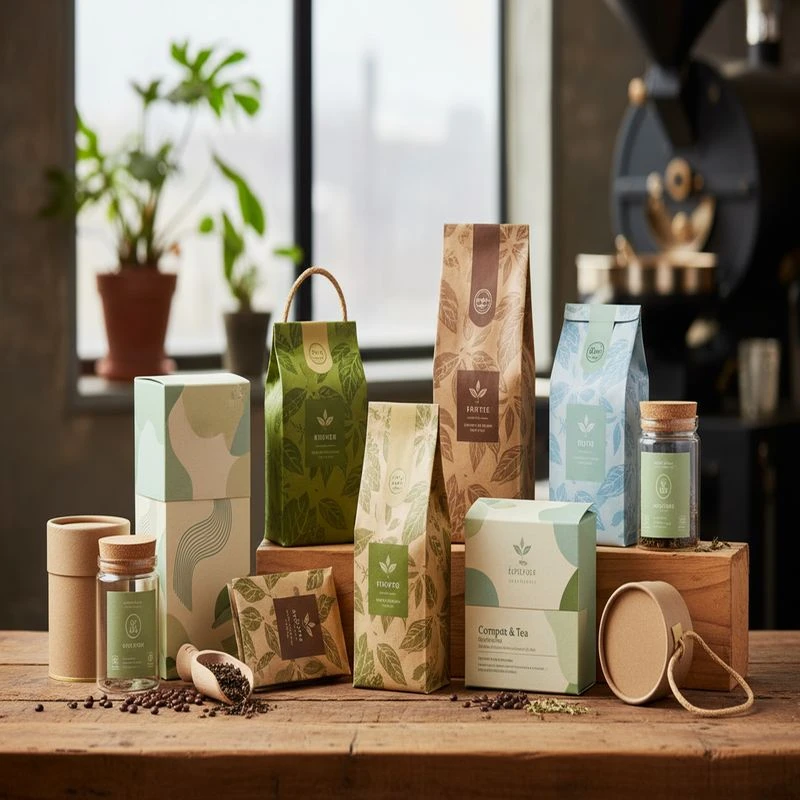
In the dynamic and increasingly conscious United Kingdom market, the imperative for coffee and tea brands to adopt sustainable practices has never been stronger. Consumers are not only seeking quality products but also aligning their purchasing power with brands that reflect their environmental values. This shift means that traditional packaging, often reliant on virgin plastics and non-recyclable materials, is no longer viable for forward-thinking businesses. Embracing Sustainable Custom Packaging offers a powerful opportunity to differentiate your brand, meet evolving regulatory standards, and significantly reduce your environmental footprint. It’s about more than just a label; it’s about a comprehensive approach to materials, design, and end-of-life solutions that resonate deeply with the UK’s eco-conscious demographic. By making thoughtful choices in your packaging, from the materials you select to the messaging you convey, you can strengthen your brand’s integrity, foster greater customer loyalty, and contribute positively to a circular economy, ensuring your delicious brews and infusions are enjoyed without compromise to the planet.
Navigating the complex landscape of sustainable packaging can seem daunting, but with the right knowledge and strategic partnerships, it becomes an accessible and rewarding endeavour. This guide aims to demystify the process, offering practical insights and actionable steps for UK coffee and tea brands looking to make a meaningful transition. We will explore key areas from material selection for coffee and tea, the nuances of compostable bags, to the often-overlooked role of custom labels and the broader implications for B2B branding and eco-design. Each aspect presents unique challenges and opportunities, but by addressing them systematically, brands can develop packaging solutions that are not only environmentally responsible but also enhance product preservation, user experience, and overall market appeal. The journey towards truly sustainable packaging is an ongoing one, requiring continuous innovation and a commitment to transparency, but the benefits—both for your brand and the planet—are immeasurable.
Coffee Packaging
For coffee brands in the UK, selecting the right sustainable packaging material is not merely an environmental statement but a critical factor in preserving the quality and flavour of the beans. The primary takeaway here is that maintaining freshness is paramount, and your sustainable choice must deliver comparable barrier properties to traditional options, protecting against oxygen, moisture, and light. Historically, multi-layer plastic films have been the go-to for coffee due to their excellent barrier performance, but these materials are notoriously difficult to recycle. The challenge for Sustainable Custom Packaging lies in finding alternatives that offer similar protection while being genuinely eco-friendly.
When considering alternatives, there are several promising avenues. Compostable films, often made from plant-based materials like PLA or cellulose, are gaining traction. These materials can offer good barrier properties and break down in industrial composting facilities, offering a viable end-of-life solution. However, it’s crucial to ensure these films meet industrial composting standards (like EN 13432, certified by TUV Austria’s ‘OK Compost Industrial’ or Din Certco), as home composting conditions are rarely sufficient for complex food packaging. Another emerging option is mono-material packaging, typically made from a single type of plastic (e.g., all PE or all PP) which can be more easily recycled through existing kerbside collections in the UK, provided they contain specific barrier layers that are compatible with the recycling process. Paper-based bags with a bio-lining represent another innovative approach, blending the recyclability of paper with the necessary protective barrier. Each of these options requires careful evaluation of their specific barrier performance, cost implications, and scalability within your supply chain.
A significant practical consideration for coffee packaging is the degassing valve. Freshly roasted coffee releases CO2, and a one-way valve is essential to prevent bags from bursting while keeping oxygen out. It’s imperative that these valves are also designed with sustainability in mind, either being made from compostable materials themselves or designed for easy separation from the main packaging to facilitate recycling or composting. Pitfalls can include “greenwashing” claims from suppliers who offer seemingly sustainable materials that don’t perform or aren’t genuinely recyclable/compostable in the UK’s infrastructure. To mitigate this, brands must partner with reputable suppliers who provide clear certifications and data, and educate their consumers on the correct disposal methods for their specific packaging. For example, some specialty coffee roasters are now opting for fully recyclable LDPE mono-material bags that are accepted in supermarket plastic film recycling points, or using industrially compostable pouches with clear instructions for their customers to check local council facilities.
Here’s a comparative look at common sustainable coffee packaging materials:
| Material Type | Barrier Properties (Oxygen/Moisture) | UK End-of-Life Option | Pros | Cons |
|---|---|---|---|---|
| Compostable Films (e.g., PLA/Cellulose blends) | Good to Excellent (depending on blend) | Industrial Composting (EN 13432 certified) | Biodegradable, plant-based | Requires industrial composting facilities (limited), higher cost, shorter shelf life for some barrier types |
| Mono-material PE/PP (Recyclable) | Good (with EVOH barrier layers) | Kerbside Recycling (if accepted locally), Supermarket Film Drop-off | Easily recyclable in some streams, good barrier, widely available | Barrier layers can sometimes hinder true recyclability, requires consumer sorting |
| Paper with Bio-lining | Moderate to Good (can vary) | Paper Recycling (if lining is separable/compostable) | Recyclable outer, natural aesthetic | Lining must be genuinely compatible with paper recycling or composting to avoid contamination |
This table illustrates the diverse landscape of sustainable materials available for coffee packaging, each presenting a unique balance of performance, environmental impact, and practical considerations for the UK market. The choice ultimately depends on your brand’s specific needs, target audience, and commitment to transparency regarding end-of-life disposal, ensuring that your Sustainable Custom Packaging delivers on its promise.
Compostable Bags
Compostable bags present a compelling narrative for brands committed to reducing landfill waste, offering an end-of-life solution where packaging materials return to the earth. The key takeaway, however, is that while highly beneficial, the efficacy of compostable bags relies heavily on the availability and accessibility of appropriate composting infrastructure in the UK, alongside clear consumer education. Unlike recyclable materials, which depend on collection and processing into new products, compostable materials are designed to break down into organic matter, water, and CO2 under specific conditions. This process can significantly reduce the environmental burden of packaging, particularly for items like tea bags, coffee pods, and smaller flexible pouches that often end up in general waste.
It’s crucial to understand the distinction between ‘industrial compostable’ and ‘home compostable’ certifications. Most food packaging claiming to be compostable requires the higher temperatures and specific microbial environments found in industrial composting facilities to fully break down. Look for certifications such as TUV Austria’s ‘OK Compost Industrial’ or ‘Seedling Logo’ (EN 13432 standard) or Din Certco. ‘Home compostable’ certifications (e.g., ‘OK Compost HOME’) denote materials that can break down in typical garden compost heaps, but these are generally for thinner films or specific tea bag materials, not robust coffee packaging. The challenge in the UK is that while industrial composting facilities exist, kerbside collection for compostable packaging is not universally available, often meaning consumers must dispose of it via specific food waste collections or dedicated drop-off points, which can vary significantly by local council.
For tea brands, compostable materials are a natural fit, especially for pyramid or flat tea bags themselves, and the outer packaging. Single-serve coffee pods also benefit greatly from compostable solutions, offering a much greener alternative to traditional plastic or aluminium pods. However, a significant pitfall is consumer confusion: without clear labelling and consistent national infrastructure, many compostable items mistakenly end up in general waste or, worse, recycling bins, where they can contaminate recycling streams. This highlights the critical need for brands to provide unequivocal instructions on their packaging regarding disposal. Solutions involve not only choosing certified compostable materials but also investing in clear, concise on-pack messaging and perhaps even collaborating with waste management companies or local councils to improve public understanding and infrastructure. For instance, using a distinct colour for compostable bags or including a QR code linking to local disposal information can be highly effective. The advancement of high-barrier compostable films is also enabling more robust Sustainable Custom Packaging for products requiring longer shelf lives.
Custom Labels
Custom labels are far more than just decorative elements; they are vital communicators of brand identity, product information, and increasingly, sustainability commitments. The central takeaway for UK coffee and tea brands is that your labels must align with your overall sustainability goals, ensuring they do not compromise the recyclability or compostability of your primary packaging. A beautifully designed label, if made from non-recyclable materials or using incompatible adhesives, can inadvertently turn an otherwise eco-friendly pouch or jar into mixed waste, undermining all your efforts in sustainable packaging. Therefore, the choice of materials, inks, and adhesives for your labels requires just as much scrutiny as your main packaging.
For sustainable labels, several options are available. Recycled content paper labels, often made from post-consumer waste, are a popular and visibly eco-conscious choice. These can be particularly effective for paper-based packaging or glass jars. For flexible packaging, biodegradable films, such as those made from PLA, offer an alternative that can be designed to be industrially compostable, working in harmony with compostable pouches. Another innovative, albeit less common, material is stone paper, which requires no water or trees in its production, though its end-of-life profile can be more complex. Beyond the label material itself, the adhesive is a critical component. Water-based adhesives are generally preferred over solvent-based ones due to lower VOC (Volatile Organic Compounds) emissions. Furthermore, look for adhesives that are specifically designed to be easily removed during recycling processes (e.g., wash-off adhesives for glass or plastic bottles) or those that are compatible with composting, ensuring they break down with the primary packaging. Inks also play a role; vegetable-based inks (e.g., soy or linseed oil-based) and low-VOC inks are superior to traditional petroleum-based options.
Practical examples include coffee brands using recycled kraft paper labels with vegetable inks for their coffee pouches, or tea brands adopting transparent, thin compostable labels that blend seamlessly with their compostable tea bag wrappers. Potential pitfalls include selecting a label adhesive that prevents the recycling of an otherwise recyclable container, or using inks that contain heavy metals. Another common issue is over-packaging, where multiple labels or excessive embellishments detract from the sustainable message. Solutions involve working closely with label suppliers who specialize in eco-friendly options and can provide certifications for their materials, inks, and adhesives. It’s also advisable to conduct compatibility tests to ensure the label chosen doesn’t negatively impact the recyclability or compostability of the entire package. Minimalistic design can also reduce ink usage and material consumption, reinforcing the sustainable message of your Sustainable Custom Packaging. Clear disposal instructions printed directly on the label can further enhance consumer engagement and proper end-of-life management.
| Label Component | Sustainable Option | Traditional Counterpart | Impact on Sustainability |
|---|---|---|---|
| Material | Recycled content paper, PLA film, FSC-certified paper | Virgin paper, PVC/BOPP film | Reduces demand for virgin resources, supports circular economy, aids biodegradability/recyclability |
| Adhesive | Water-based, compostable, wash-off compatible | Solvent-based, permanent acrylic | Lower VOCs, prevents contamination in recycling/composting streams, enables material separation |
| Ink | Vegetable-based, low-VOC, water-soluble | Petroleum-based, high-VOC | Reduces chemical pollution, improves recyclability (less residue), healthier for environment |
This table highlights the crucial components of a custom label and how sustainable choices for each can significantly elevate the overall environmental profile of your product. By meticulously selecting eco-friendly options for materials, adhesives, and inks, brands ensure their labels contribute positively to their sustainable mission, reinforcing the commitment behind their Sustainable Custom Packaging.
B2B Branding
Sustainable Custom Packaging isn’t solely about the eye-catching retail products on supermarket shelves; it extends significantly into the business-to-business (B2B) realm, where it can strengthen supply chain relationships and elevate a brand’s reputation amongst its partners. The key takeaway here is that showcasing a commitment to sustainability in your B2B packaging demonstrates a holistic approach to environmental responsibility, which is increasingly valued by businesses scrutinizing their own supply chains. As more companies strive to meet their own ESG (Environmental, Social, and Governance) targets, they are actively seeking suppliers who align with these values. Sustainable B2B packaging thus becomes a powerful differentiator, signaling reliability, foresight, and shared ecological principles.
For UK coffee and tea brands operating in the B2B space—supplying cafes, restaurants, hotels, or other retailers—this means re-evaluating everything from bulk coffee sacks and tea chests to shipping containers and void fill. Instead of traditional multi-layer plastic sacks for bulk coffee, consider options like large format bags made from recycled content (e.g., rPE), or even exploring reusable transport packaging systems in partnership with your larger clients. For smaller bulk orders, recycled corrugated cardboard boxes, ideally unbleached and printed with vegetable-based inks, should be the standard. Void fill, often an overlooked culprit in B2B packaging waste, can be replaced with plastic-free alternatives such as shredded paper, corrugated inserts, or starch-based peanuts that are compostable. The goal is to minimise virgin material use and maximise recyclability or reusability throughout your entire supply chain, not just the final consumer-facing product.
Beyond the physical packaging, effective communication of your sustainable B2B packaging efforts is paramount. Clearly articulate your initiatives to your business partners, providing transparent data, certifications, and even case studies of how your packaging reduces environmental impact. This proactive approach not only educates but also reinforces your brand’s integrity and commitment. Pitfalls in B2B sustainable packaging often include higher initial costs for eco-friendly bulk materials or reusable systems, resistance to change within established supply chain logistics, and the challenge of accurately demonstrating the return on investment (ROI). Solutions include conducting lifecycle assessments (LCAs) to quantify environmental benefits and potential long-term cost savings (e.g., reduced waste disposal fees), and engaging in pilot programmes with key partners to test and refine new packaging solutions. Collaborating with logistics providers who share your sustainability vision can also streamline the transition. Ultimately, Sustainable Custom Packaging in a B2B context is about building trust and demonstrating a shared commitment to a greener future, fostering stronger, more resilient partnerships.
Eco Design
Eco Design is the fundamental principle that underpins all effective Sustainable Custom Packaging. The core takeaway here is that sustainability should not be an afterthought or an add-on, but rather an intrinsic part of the packaging development process from its very inception. It’s about more than simply swapping out one material for another; it’s a holistic approach that seeks to minimize environmental impact across the entire lifecycle of the package, from raw material extraction and manufacturing to transport, consumer use, and end-of-life disposal. Integrating eco-conscious principles from the start allows brands to design out waste, reduce resource consumption, and enhance the overall environmental performance of their coffee and tea packaging.
The principles of eco design typically revolve around the “3 Rs” – Reduce, Reuse, Recycle (and now often “Rot” for compostable materials). For reduction, this means challenging existing packaging norms: can the size be optimised to eliminate unnecessary empty space? Can a lighter-weight material still offer sufficient protection? Minimalism in design, avoiding excessive layers or complex structures, reduces material consumption and simplifies end-of-life processing. For example, moving from a rigid jar with a separate label and lid to a flexible pouch with integrated print can significantly reduce material weight. Reuse focuses on designing durable packaging suitable for multiple uses, such as refillable coffee tins or tea caddies, encouraging consumers to purchase refills rather than entirely new containers. This model not only cuts down on waste but also fosters brand loyalty and reduces overall carbon footprint from manufacturing new primary packaging.
Recycle and compost principles are crucial for the end-of-life stage. This involves designing for mono-material construction wherever possible (e.g., an all-PE pouch rather than a multi-material laminate), as single materials are much easier for recycling facilities to process. If different materials are necessary, they should be easily separable by the consumer (e.g., a paper outer with a clearly removable inner liner). For compostable packaging, ensuring it meets UK industrial composting standards (like EN 13432) and clearly communicating disposal instructions is vital. Beyond materials, eco-design also considers logistics. Packaging designed for efficient stacking and transportation (e.g., rectangular shapes over irregular ones) can maximize load capacity, reducing the number of vehicles required and thereby lowering carbon emissions during distribution. A common pitfall is sacrificing functionality or brand aesthetic in the pursuit of sustainability, or creating a packaging solution that is technically recyclable/compostable but not practically so due to lack of local infrastructure or consumer confusion. The solution lies in a balanced approach, conducting Lifecycle Assessments (LCAs) to understand true environmental impact, and collaborating closely with packaging engineers and designers who specialize in sustainable solutions, always keeping the UK’s specific waste management landscape in mind.
| Eco-Design Principle | Description | Application for Coffee/Tea Packaging | Primary Benefit |
|---|---|---|---|
| Reduce | Minimize material use, weight, and volume without compromising product integrity. | Lightweight flexible pouches over rigid containers, right-sizing packaging to product. | Lower raw material consumption, reduced transport emissions, less waste. |
| Reuse | Design packaging for multiple lifecycles or for refill systems. | Durable, refillable coffee tins or tea caddies; returnable bulk containers for B2B. | Significantly reduces waste, fosters customer loyalty, lowers long-term resource use. |
| Recycle/Compost | Design for easy separation, use mono-materials, ensure compatibility with existing infrastructure. | Mono-material films (e.g., all PE), certified industrially compostable bags, easily removable labels. | Enables packaging to re-enter material stream, prevents landfill, supports circular economy. |
| Optimise Logistics | Design packaging for efficient storage, stacking, and transport. | Rectangular or stackable packaging shapes, lighter weight materials for reduced fuel consumption. | Reduces transport-related carbon emissions and costs. |
This table illustrates how a comprehensive approach to eco-design integrates various principles to create genuinely sustainable packaging solutions. By applying these considerations from the initial concept phase, UK coffee and tea brands can ensure their Sustainable Custom Packaging not only meets consumer expectations but also contributes meaningfully to environmental stewardship across its entire lifecycle.
